What is the practical benefit of roasting Brussels sprouts, despite potentially causing some degradation of raw antioxidant content?
Answer
Concentration of sugars and flavors leading to a superior taste experience
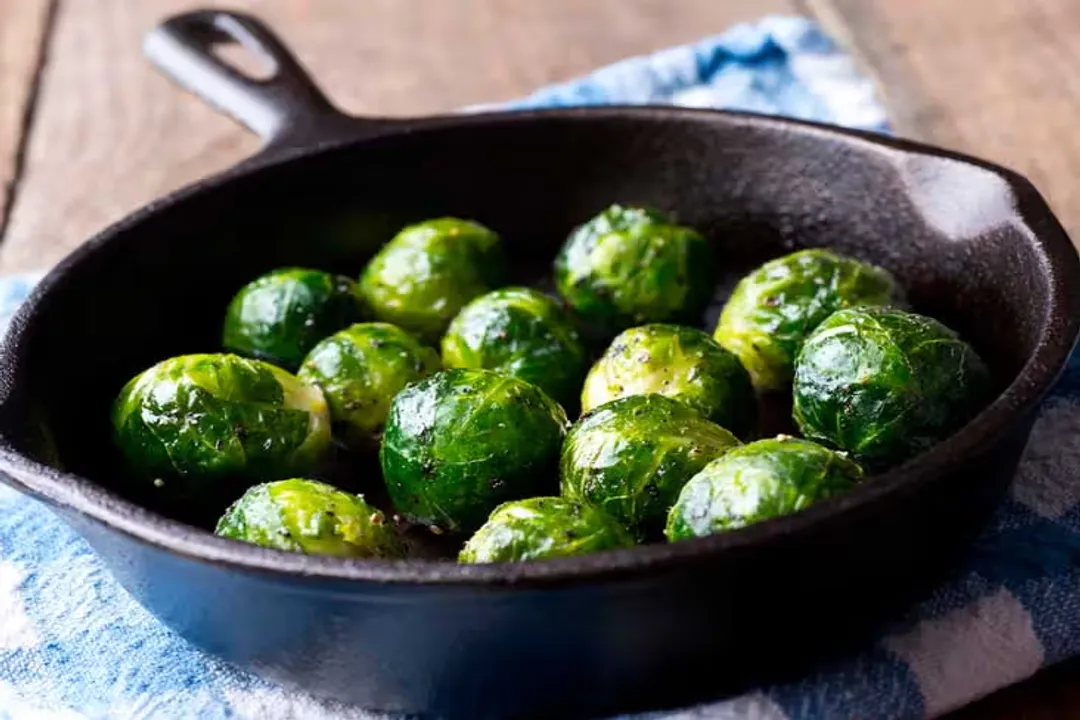
Roasting Brussels sprouts typically involves a longer exposure to heat (20-30 minutes at 400°F/200°C), which can lead to some degradation of delicate antioxidants compared to raw or quickly steamed versions. However, roasting offers a significant practical culinary advantage. The prolonged dry heat facilitates the concentration of the natural sugars within the sprouts and enhances overall flavor development, often resulting in caramelized, crispy edges. This superior taste experience is highly valued because it encourages greater overall consumption of the vegetable, providing a practical benefit even if the raw antioxidant content is slightly diminished.
Related Questions
What specific compounds are responsible for the reddish-purple coloring in purple Brussels sprouts?What unstable molecules do antioxidants in Brussels sprouts help combat in the body?Besides promoting regular bowel movements, what specific function does the fiber in Brussels sprouts serve for the gut?What two vital roles does Vitamin K play in the human body, according to the nutrient profile?What biologically active compounds result from the conversion of glucosinolates when Brussels sprouts are chewed or chopped?Which cooking method is most likely to leach water-soluble pigments like anthocyanins into discarded cooking water?What specific substance can be tossed with quick-steamed sprouts to help stabilize some of the heat-sensitive anthocyanins?What combination of components in Brussels sprouts contributes to better cardiovascular function?Besides Vitamin K and C, which other key B vitamin is mentioned as being supplied by purple Brussels sprouts?What is the practical benefit of roasting Brussels sprouts, despite potentially causing some degradation of raw antioxidant content?