Health Benefits of Purple Lettuce
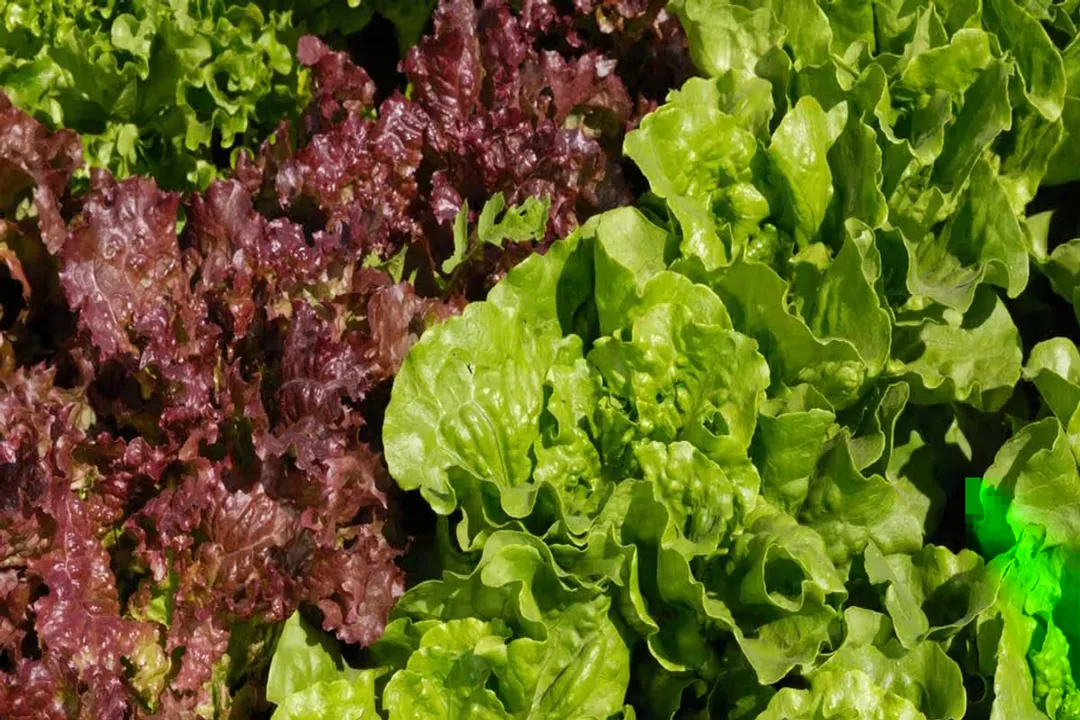
The vibrant splash of purple found in certain lettuces is far more than just a feast for the eyes; it signals a significant nutritional upgrade compared to its paler counterparts. Where traditional greens rely on chlorophyll for their hue, the darker, reddish-purple varieties owe their distinctive appearance to high concentrations of anthocyanins. These natural compounds belong to the flavonoid group of antioxidants and are the reason why reaching for a purple variety can add an extra layer of wellness benefits to your everyday salad.
# Pigment Power
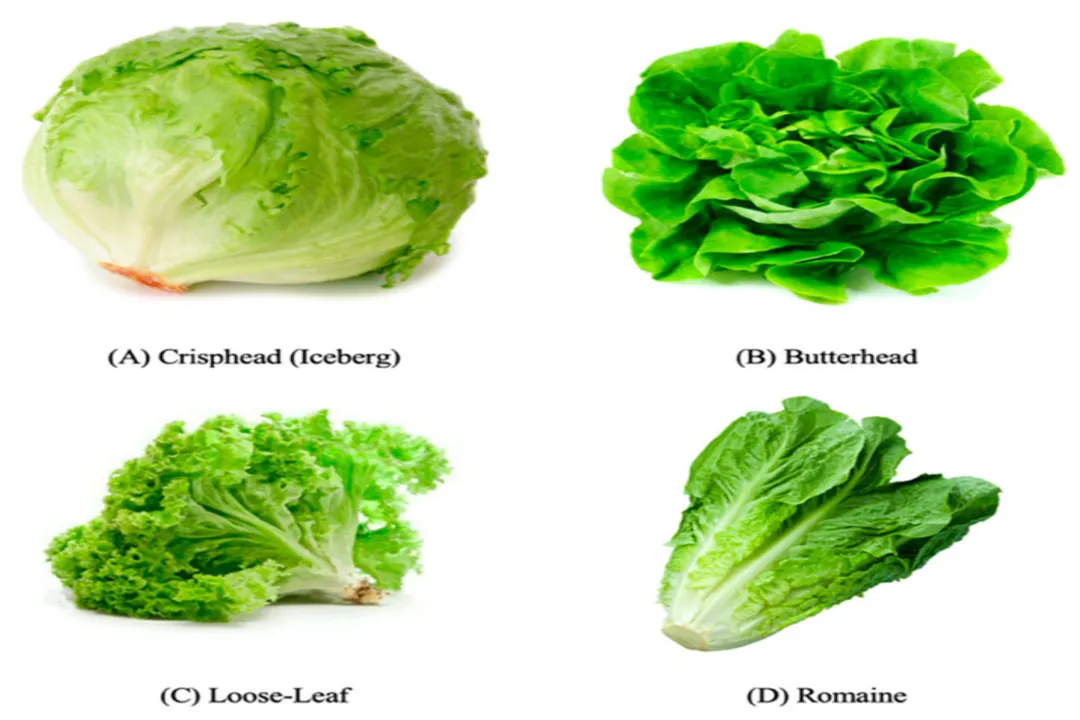
The presence of anthocyanins is the primary differentiator when comparing purple or red leaf lettuce to standard green varieties. Anthocyanins are potent antioxidants, and diets rich in these pigments have been associated with helping to fight inflammation and potentially reducing risk factors for chronic issues like heart disease. Research suggests that red lettuce varieties can contain comparatively higher levels of total phenolics than green types, which directly contributes to greater antioxidant capacity in the diet.
Phenolic compounds, in general, are vital secondary metabolites in plants, protecting them from stress, but they also offer pharmacological properties for humans. While the common phenolic acids like caffeic acid and chlorogenic acid are present in all lettuces, the addition of anthocyanins in the red/purple cultivars provides a distinct advantage. Although some studies show green leaf lettuce might be marginally higher in certain vitamins and minerals per cup, the specific boost in these particular phenolic compounds in the colored varieties makes them nutritionally unique.
It is worth noting that the intensity of this color, and therefore the concentration of these beneficial pigments, is not static. It is heavily influenced by the plant's genetic makeup, but also by environmental factors like light intensity during growth. This provides an actionable angle for consumers seeking maximum benefit: seeking out the deepest, most richly pigmented leaves—or perhaps inquiring about locally grown hydroponic produce where light spectrum can be controlled—may correlate with a higher intake of these protective anthocyanins.
# Essential Structure Support

Beyond the specialized pigments, purple lettuce still provides the foundational nutritional value expected from leafy greens, though proportions can differ slightly from green varieties. Lettuce, in general, is celebrated for being extremely hydrating—with red leaf varieties being around 96% water—and remarkably low in calories. This combination supports weight management goals by promoting fullness without adding significant caloric load.
Key vitamins are abundant, particularly Vitamins A and K, which are crucial for systemic health.
- Vitamin A: Purple lettuce is rich in -carotene, the pigment your body converts into Vitamin A. This nutrient is central to maintaining sharp vision, robust immune function, and proper development of organs like the heart and lungs.
- Vitamin K: These leaves are an excellent source of Vitamin K1 (phylloquinone). This vitamin is essential for proper blood clotting mechanisms; without sufficient intake, the risk of uncontrolled bleeding increases. Furthermore, Vitamin K plays a significant role in bone metabolism, helping to maintain density and reduce the risk of conditions like osteoporosis.
The mineral profile supports day-to-day function, too. While lettuce is not a high-sodium source, it provides minerals like potassium and magnesium. Potassium is important for regulating electrolyte balance and maintaining a healthy heartbeat, as deficiencies are linked to issues like high blood pressure.
When structuring your meals, a great strategy is not to choose instead of green lettuce, but alongside it. By mixing deep purple/red leaves with crisp green ones, you ensure you are benefiting from the anthocyanin boost from the red variety alongside the potentially higher concentrations of certain standard vitamins or fiber found in the green leaf varieties, covering a broader spectrum of beneficial compounds.

# Antioxidant Defense
The combined presence of polyphenols, carotenoids (like -carotene and lutein), Vitamin C, and chlorophyll grants lettuce a powerful antioxidant capability. These compounds function by protecting the body against damage caused by unstable molecules known as free radicals, which are implicated in the development of many chronic diseases.
The heart benefits directly from this protective effect. A diet incorporating lettuce has been shown to positively influence cardiovascular risk factors. Antioxidants guard the heart tissue against lipid peroxidation, a process that contributes to the development of atherosclerosis, which is often driven by the oxidation of LDL cholesterol. Furthermore, the fiber content in lettuce, particularly pectin (a soluble fiber), actively works to reduce the absorption of dietary cholesterol in the gut by disrupting micelle formation during digestion.
The anti-cancer potential is also strongly linked to these phytochemicals. Specific compounds found in lettuce have been shown to inhibit tumor growth rates in cell culture models, partly by reducing free radicals and thus decreasing DNA damage. For example, apigenin, a flavonoid present in edible plants, is studied for its ability to halt cell development and promote apoptosis (programmed cell death) in various cancer types.
# Metabolic and Systemic Roles
The health advantages derived from consuming lettuce extend into regulating blood sugar and supporting brain function. Certain carotenoids found in lettuce, such as lactucaxanthin (which is less common in other plants), have been studied for their ability to inhibit the enzymes (-amylase and -glucosidase) responsible for breaking down starch into glucose. By slowing this process, these compounds help manage the spike in blood glucose after eating, offering a beneficial mechanism for those managing diabetes.
The protective compounds in lettuce also demonstrate a capacity for supporting the nervous system. In laboratory settings using neuron-like cells, phenolic extracts from lettuce, including specific caffeic acid derivatives, have shown the ability to rescue cells from oxidative damage. More encouragingly, some specific glycosides isolated from lettuce have been shown to potentially ameliorate damage associated with cerebral ischemia-reperfusion injury by supporting nerve growth factor expression in the brain cortex. This ability of certain polyphenols to cross the blood-brain barrier is key to their potential anti-aging effects on the central nervous system.

# Bioavailability and Consumption Factors
Having abundant healthy compounds is only half the equation; they must actually be released from the food matrix and absorbed by the body. This is known as bioaccessibility and bioavailability. Phenolic compounds in lettuce, often bound as esters or glycosides, must be hydrolyzed during digestion to be absorbed, a process heavily reliant on the gut microbiota. For example, the bioavailability of chlorogenic acid is significantly influenced by its metabolism by gut flora in the colon.
It is a worthwhile consideration for maximizing health impact to remember that processing can affect these levels. Fresh-cut processing that causes minor cell injury can actually facilitate the release of polyphenols. Conversely, some research has demonstrated that when lettuce is used to create flour—by air-drying and grinding—the resulting additive significantly increased the phenolic content and antioxidant activity of bread by up to 200%. This suggests that consuming lettuce in different forms, including integrated into baked goods using the whole product, is a promising way to intake these beneficial chemicals.
# Potential Concerns
While the benefits are extensive, consumers should be aware of anti-nutrient compounds that are naturally present in lettuce. The most discussed is nitrate, which is absorbed by the plant through the roots and transported up to the leaves, meaning older leaves can accumulate higher concentrations. Excessive nitrate intake is a concern due to potential adverse health outcomes. Furthermore, lettuce contains alkaloids, which can sometimes cause issues like gastrointestinal or nervous system disturbances in high doses. However, cultivation practices, such as careful nitrogen management, are employed to keep these levels within safe regulatory standards.
For the average consumer, the key is balance and variety. By incorporating the brightly colored purple varieties into a diet that also includes other nutrient-dense vegetables, you are balancing the intake of specific pigments while maintaining a diet low in calories and high in essential vitamins, making it a sound choice for overall health maintenance.
Related Questions
#Citations
9 Health and Nutrition Benefits of Red Leaf Lettuce - Healthline
The Purple Lettuce Revolution: Cultivating Health and Flavor
Phytochemicals, Nutrition, Metabolism, Bioavailability, and Health ...
What Is the Difference Between Red Leaf Lettuce and Green Leaf ...