Health Benefits of Butterhead Lettuce
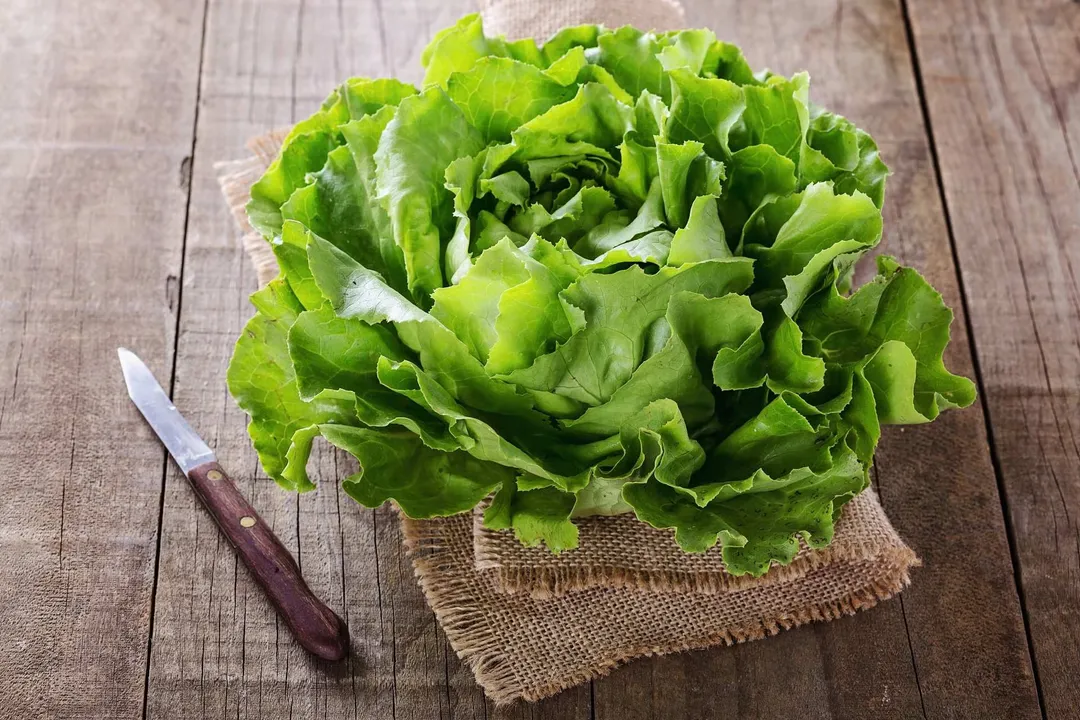
Butterhead lettuce, encompassing popular varieties like Bibb and Boston, offers a distinctly tender texture and a mildly sweet flavor that sets it apart from its crispier cousins like romaine or iceberg. [1][2][6] This delicate structure makes it a favorite for salads where the leaves serve as natural cups, or as a fresh wrap alternative to bread or tortillas. [1] Beyond its pleasant mouthfeel, this leafy green packs a surprisingly beneficial nutritional punch, considering its high water volume and low caloric density. [3][4]
# Water Content
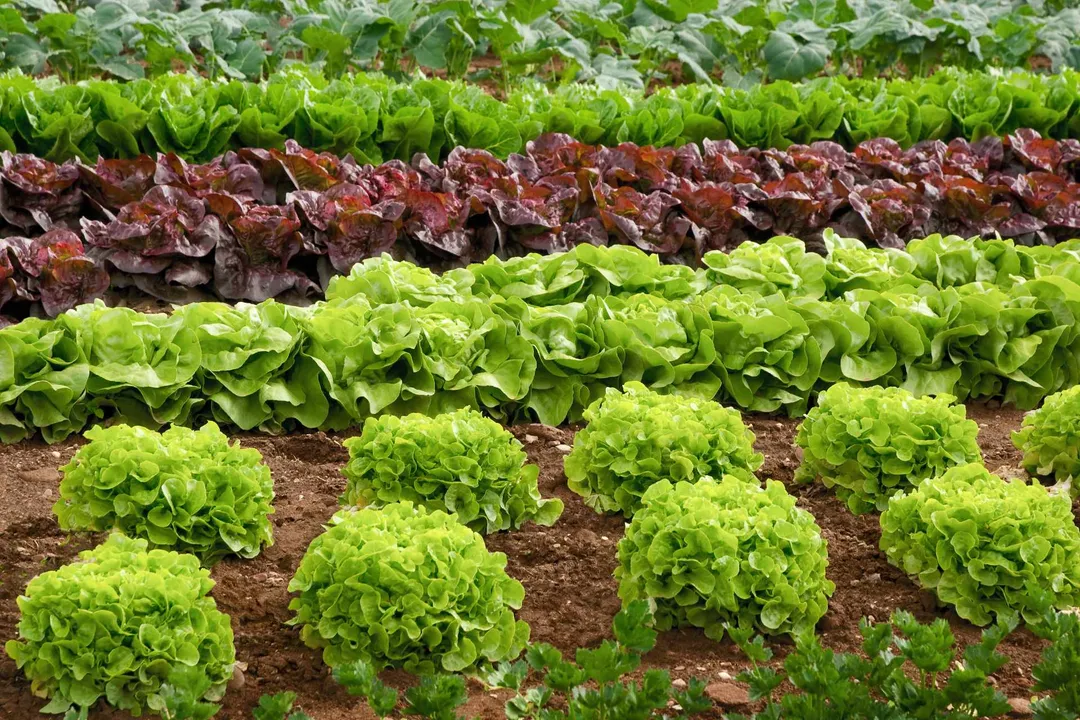
The most immediate nutritional aspect of any lettuce, including Butterhead, is its impressive hydration factor. [4] Consuming lettuce contributes significantly to daily fluid intake, which is essential for nearly every bodily function, from temperature regulation to nutrient transport. [4][5] While specific percentages can vary slightly based on growing conditions, greens like Butterhead are predominantly water, making them an excellent, low-effort way to stay refreshed throughout the day. [4] This characteristic is particularly valuable for those tracking fluid intake without consuming sugary beverages. [5]
# Bone Health

One of the standout nutrients in Butterhead lettuce is Vitamin K. [1][3] Vitamin K is fat-soluble and plays an essential role in blood clotting mechanisms, but its contribution to bone metabolism is also significant. [1] It is required for the synthesis of osteocalcin, a protein necessary for binding calcium into the bone matrix. [1] Although spinach and kale often get the spotlight for Vitamin K, a consistent daily intake from a tender green like Butterhead can contribute meaningfully to the recommended daily amount, especially when eaten frequently. [1][3] If you frequently pair your salad with a healthy fat dressing, such as one made with olive oil, you enhance the absorption of this crucial vitamin. [1]

# Antioxidant Profile

Butterhead lettuce contains several compounds that act as antioxidants, helping the body manage oxidative stress. [1] Among these, the presence of beta-carotene is notable, as the body converts this carotenoid into Vitamin A. [1][3] Vitamin A is vital for maintaining good vision, particularly in low-light conditions, and supports immune function. [1] While darker greens generally boast higher levels of these compounds, Butterhead still offers a worthwhile contribution, often presenting a better flavor profile for people who struggle to consume bitter, dark greens daily. [1] The specific shade of green or reddish tint in certain Butterhead cultivars often signals the presence of different types of beneficial plant pigments. [5]
# Folate Support
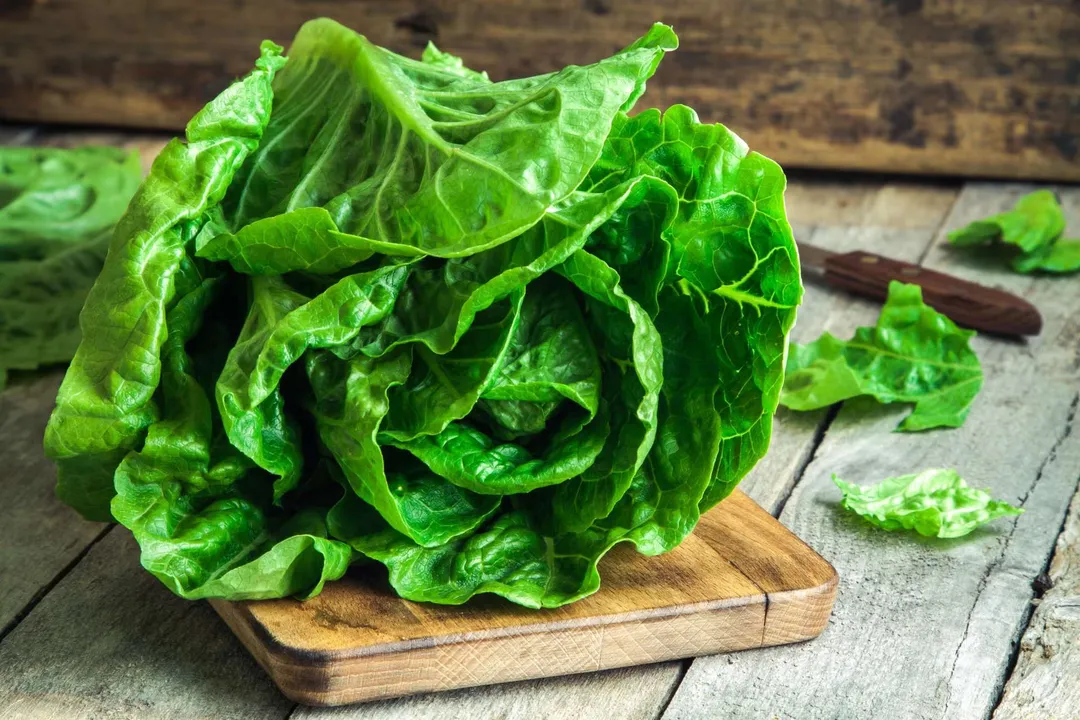
Folate, or Vitamin , is another component found within Butterhead lettuce that supports overall wellness. [3][5] This B vitamin is critical for cell division and DNA synthesis, making it indispensable for rapidly dividing cells in the body. [3] For expectant mothers, adequate folate intake is particularly important early in pregnancy to help prevent neural tube defects in the developing fetus. [3] While supplements are often recommended, incorporating folate-rich foods like Butterhead lettuce into regular meals offers a natural dietary source. [3][5]
# Mineral Contributions
When examining the mineral content, Butterhead lettuce provides a spectrum of essential electrolytes and trace elements. [3] Potassium, for instance, is present, which works alongside sodium to help maintain proper fluid balance and support healthy blood pressure levels. [3] Furthermore, trace amounts of iron are present, although it is important to note that the iron found in plant sources (non-heme iron) is not as readily absorbed by the body as the iron found in meat. [3][5]
For an easy visualization of where Butterhead lettuce fits into a nutrient-dense diet, consider this comparison based on a standard 100-gram serving:
| Nutrient | Butterhead Lettuce (Approximate) | Daily Value Context |
|---|---|---|
| Calories | ~14 kcal | Extremely low [3] |
| Vitamin K | Significant amount | Key for bone and blood health [1] |
| Vitamin A (as beta-carotene) | Present | Important for vision [1] |
| Potassium | Small to moderate | Supports fluid balance [3] |
| Fiber | Low to moderate | Aids digestive regularity [3] |
It is worth considering that the most impactful health benefit often comes from how often you eat it rather than the concentration in a single serving. Because Butterhead is so mild and easy to incorporate—you can swap out high-calorie bread slices for four large leaves, adding negligible calories while boosting your Vitamin K and water intake—its frequent consumption quickly adds up to substantial, sustainable nutritional support for those aiming for gentle, consistent dietary improvements. [3]
# Digestive Wellness
The fiber content in Butterhead lettuce, while not as high as cruciferous vegetables, still contributes positively to digestive health. [3] Fiber adds bulk to stools, helping to promote regular bowel movements and preventing constipation. [3][5] Furthermore, the high water content works in tandem with the fiber to ensure the digestive tract remains lubricated and moving efficiently. [4] For individuals sensitive to rougher textures found in raw broccoli or cabbage, the smooth, soft structure of Butterhead lettuce makes it an easy-to-tolerate source of dietary roughage. [2]

# Weight Management Aid
The low caloric profile of Butterhead lettuce is a significant asset for anyone managing their weight. [3] Because it is composed mainly of water and offers minimal energy density, you can consume large volumes of it to feel full without significantly impacting your daily calorie budget. [3] This satiating effect, derived from sheer volume and some fiber, helps curb appetite for denser, less nutritious foods. [3] Unlike some vegetables that require cooking or processing to be palatable, Butterhead lettuce is ready to eat raw, requiring no energy input from the eater, which is an often-overlooked benefit when trying to maintain a healthy eating routine after a long day.
# Culinary Texture and Nutrient Bioavailability
The texture of Butterhead lettuce—its buttery softness—is not just a culinary feature but can influence how you consume it. Many people avoid salads because they find the crunch fatiguing or sharp against sensitive teeth or gums. The velvety mouthfeel of Boston or Bibb varieties encourages larger, more frequent consumption among a wider demographic. [2][6] This consistent, gentle intake means you are regularly supplying your body with its baseline levels of Vitamin K and hydration without the dietary friction that other, tougher greens might cause. If you are aiming to double your vegetable intake this week, choosing a mild green like this is often the most successful starting point.
# Storage and Freshness
For any leafy green to deliver its promised benefits, it must be fresh, as nutrient degradation begins after harvest. [6] Butterhead lettuce, being more delicate than romaine, requires slightly more care to maintain its quality and nutritional integrity. [6] To maximize the shelf life and keep the inherent vitamins intact, it is best stored unwashed in the crisper drawer, perhaps loosely wrapped in a slightly damp paper towel inside a perforated plastic bag. [6] This environment balances the need for moisture without allowing excess dampness that accelerates spoilage, ensuring that the Vitamin A and folate are preserved until you are ready to eat it. [1][3] Contrast this with the sturdier nature of iceberg, which often retains its structure longer but offers a significantly lower nutritional return per bite. [5]
# Understanding Variety Differences
While the term "Butterhead" groups them, recognizing the subtle differences between Bibb and Boston types can be useful. [1][2] Boston lettuce generally forms slightly larger, looser heads, while Bibb tends to be smaller and often develops redder outer leaves. [1][2] These slight variations in color can indicate marginally different profiles of phytonutrients; for instance, the reddish hues often suggest a higher concentration of specific anthocyanins, though both fall under the general health umbrella of Butterhead greens. [5] Knowing the type you are buying can help you tailor your meal planning—perhaps using the slightly firmer Boston leaves for a light grilling application, or reserving the smallest, most tender Bibb leaves for garnish or pairing with delicate fish. [1]
Related Questions
#Citations
10 Benefits of Butterhead Lettuce You'll Love
What is Butter Lettuce? Benefits, Storage and Recipes
Butterhead Lettuce
Lettuce: Health Benefits, Nutrients, Preparation, and More
5 Interesting Types of Lettuce
What is Butter Lettuce? | Nutrition Info & Pictures
Butterhead lettuce Nutrition Facts
Is Lettuce Good for You?
Phytochemicals, Nutrition, Metabolism, Bioavailability, and ...