Health Benefits of Feijoa
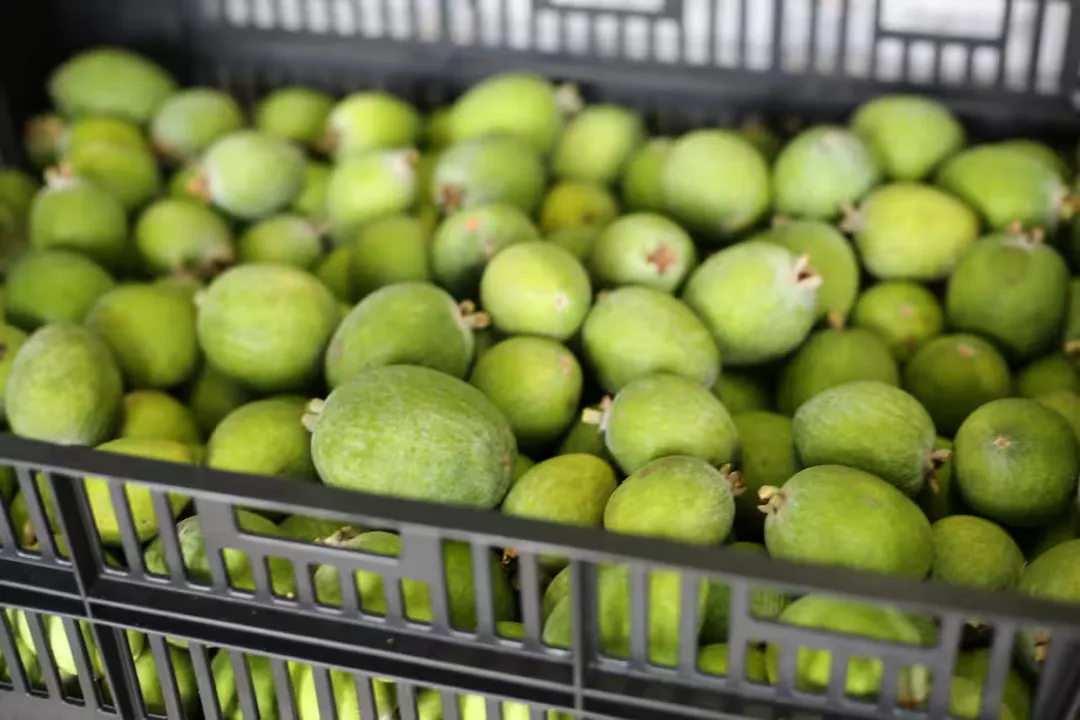
The feijoa, often called the pineapple guava or simply the exotic summer delight from New Zealand, presents a compelling case for inclusion in a regular diet, packing a significant nutritional punch within its small, oval form. While perhaps unfamiliar to those outside its primary growing regions, this fruit offers a unique blend of flavor—often described as a mix of pineapple, guava, and mint—and a profile rich in beneficial compounds that support overall well-being. Diving into its composition reveals why this fruit is gaining attention not just for its taste but for its tangible health advantages, ranging from aiding digestion to offering potent antioxidant defense.
# Nutrient Density
Understanding the health benefits of the feijoa starts with a clear look at its foundational nutritional makeup. Feijoas are noteworthy sources of several essential vitamins and minerals, making them a nutrient-dense choice when in season. A significant contribution comes from Vitamin C, a well-known immune system supporter and antioxidant. While the exact amount varies, the concentration found in feijoa fruit can be quite impressive when compared to other common fruits. For instance, if a medium orange provides a baseline amount of Vitamin C, a similar-sized feijoa, depending on ripeness and variety, can offer a significant fraction of that daily requirement, sometimes even exceeding it, positioning it as a regional champion for this vital nutrient during its growing season.
Beyond Vitamin C, feijoas provide notable levels of B vitamins, which are crucial for energy production and nerve function. Furthermore, the fruit supplies key minerals. Potassium content is significant, playing an important role in maintaining proper fluid balance and blood pressure regulation. You will also find respectable amounts of Magnesium and Iron contributing to various bodily functions, including muscle and nerve operation, and oxygen transport, respectively. When examining the broader bioactives, the presence of Vitamin A is also noted, supporting vision and immune response. This combination of macro and micronutrients suggests that incorporating feijoa is a straightforward way to diversify nutrient intake.
# Digestive Aid
One of the most frequently highlighted health benefits of consuming feijoa fruit relates directly to digestive health, primarily due to its fiber content. The fruit contains both soluble and insoluble fiber, which work together to support a healthy gut environment. Insoluble fiber acts as a bulking agent, helping to promote regularity and prevent constipation by adding mass to stool, which facilitates smoother transit through the digestive system.
Soluble fiber, conversely, dissolves in water to form a gel-like substance in the gut. This gel is essential because it can help moderate blood sugar levels by slowing the absorption of sugar, and it also feeds beneficial gut bacteria, acting as a prebiotic. The overall effect of a fiber-rich diet, supported by fruits like the feijoa, is smoother, more efficient digestion and a potentially healthier gut microbiome. For those struggling with sluggish digestion, adding a whole fruit like the feijoa, rather than relying solely on isolated fiber supplements, provides the benefit along with a host of synergistic vitamins and antioxidants.
# Cardiac Support
The cardiovascular system stands to benefit from the regular inclusion of feijoa in the diet, thanks again to its mineral profile and fiber content. The interplay between potassium and sodium is critical for managing blood pressure. Since feijoa is a good source of potassium, consuming it can help counterbalance the effects of high sodium intake, which is a common challenge in modern diets, thereby supporting healthy blood pressure maintenance.
Furthermore, the fiber discussed in the context of digestion also plays a role here. Soluble fiber has been linked to helping lower levels of LDL or "bad" cholesterol. By binding with cholesterol particles in the digestive tract and ushering them out of the body, the fruit contributes to smoother blood flow and reduced strain on the heart over time. While eating any fruit is better than none, the specific nutrient balance in the feijoa makes it a particularly appealing choice for those proactively managing cardiovascular health.
# Antioxidant Activity
Perhaps the most scientifically interesting aspect of the feijoa is its remarkable concentration of antioxidants. These compounds, including polyphenols and flavonoids, are vital because they help neutralize harmful free radicals in the body, which are unstable molecules that can cause oxidative stress and damage cells over time.
Feijoa pulp and especially the skin are rich in these protective agents. Studies have pointed to the presence of various powerful antioxidants within the fruit, which contribute to its potential protective qualities against long-term chronic diseases. The high Vitamin C content is itself an antioxidant defense mechanism, but the complex mix of other phytochemicals offers a broader spectrum of protection than a single vitamin alone. This means that when you eat a feijoa, you are consuming a protective cocktail designed by nature to combat cellular aging and damage.
When considering how to maximize this benefit, one simple operational note arises: while many people scoop out the pulp and discard the skin, the skin often contains a higher concentration of these beneficial polyphenols. If the texture is acceptable, enjoying the entire fruit—after a thorough wash, of course—can significantly boost the antioxidant load you receive from your snack.
# Metabolic Health Focus
Emerging research, particularly from New Zealand, has begun to specifically investigate the role of feijoa in managing metabolic health, with a focus on reducing diabetes risk. This interest stems from the fruit’s nutritional composition, particularly its fiber content and specific bioactive compounds.
Researchers are examining how compounds within the feijoa might influence glucose metabolism. The inherent soluble fiber helps slow down sugar absorption, which prevents sharp spikes in blood glucose after eating—a critical factor in managing or preventing Type 2 diabetes. Beyond fiber, preliminary studies suggest that certain compounds in feijoa may interact with enzymes involved in carbohydrate digestion or glucose uptake. While this research is ongoing and requires more human clinical trials, the early indications are positive, suggesting that feijoa could be a valuable dietary inclusion for individuals focused on maintaining stable blood sugar levels. It offers a naturally sweet alternative that carries potential metabolic advantages over refined sugars or processed snacks.
# Cellular Defense Potential
The presence of high levels of bioactive molecules in feijoa has also prompted investigation into more serious protective roles, specifically concerning cellular health and cancer prevention. Research has identified that Feijoa sellowiana fruit is an "amazing source of anticancer molecules". This research often centers on extracts and the specific phenolic compounds present in the fruit which have shown protective or inhibitory effects in laboratory settings against certain cancer cell lines.
It is important to maintain perspective here: consuming a fruit is not a cure or a guaranteed prevention method for cancer. However, the scientific investigation into its concentrated compounds speaks to its exceptional biological activity. The general principle remains that a diet rich in fruits and vegetables containing high levels of antioxidants and polyphenols is consistently linked to a lower overall risk of developing various chronic diseases, including certain cancers, because these compounds mitigate the chronic cellular damage that can lead to malignancy. The feijoa brings this protective mechanism to the table in a palatable, natural form.
# Maximizing Feijoa Consumption
For those new to feijoa, or those looking to integrate it more effectively into their routine, practical considerations about sourcing and usage are key. Given that feijoas have a relatively short peak season, understanding how to manage them is important for continuous enjoyment.
Here is a simple checklist for the novice feijoa enthusiast:
- Selection: Choose fruit that is firm but has slight give when gently squeezed, similar to a ripe peach or avocado. Coloration can vary; a slightly duller green is often preferred over a highly glossy one, though this depends on the specific cultivar.
- Ripening: Feijoas rarely ripen well on the tree; they usually drop when ready. If you purchase firm fruit, leave it on the counter at room temperature, away from direct sunlight, to soften over several days.
- Storage: Once ripe, they should be refrigerated to extend their life by about a week. They do not store well for months like apples or citrus.
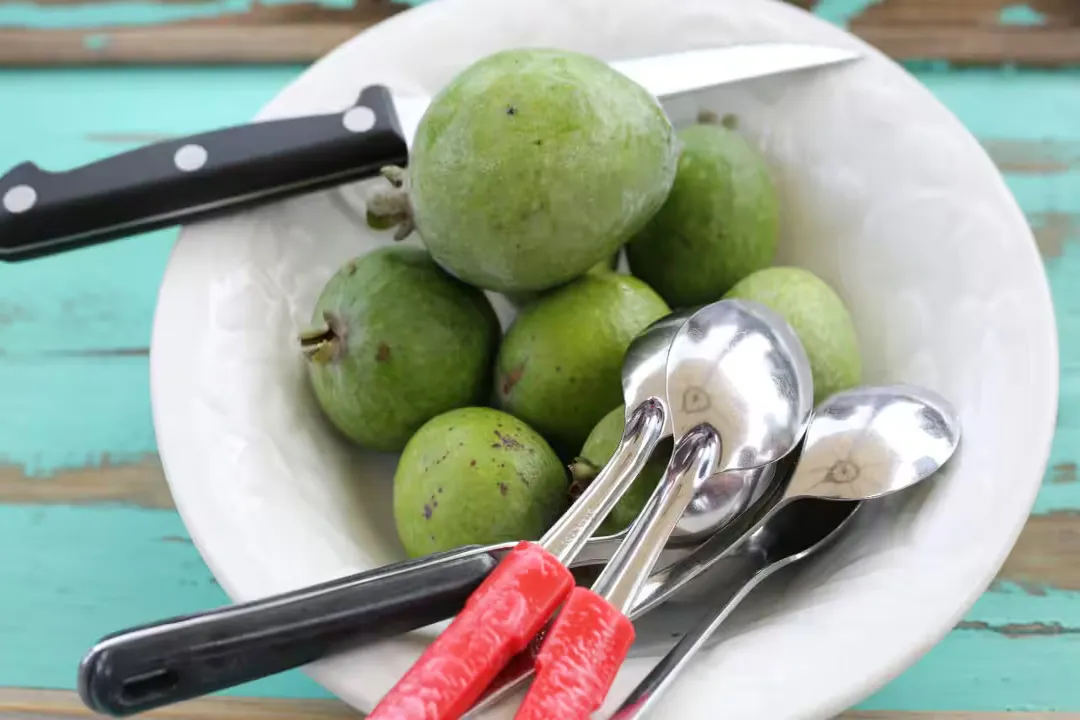
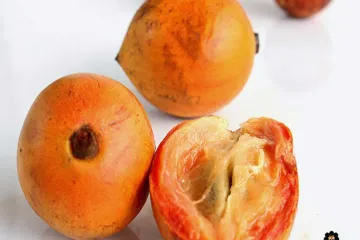
- Consumption Method: The interior flesh is scoopable. A simple way to eat it is to slice it in half lengthwise and use a spoon to scoop out the gelatinous, sweet-tart pulp. As noted, consuming the skin offers extra fiber and antioxidants, so if you enjoy a slightly grittier texture, eat the whole thing!.
Thinking regionally, if you live in an area where feijoa trees are common—like New Zealand or parts of the Mediterranean—you benefit from access to a fruit at peak freshness, meaning the nutrient and flavor profiles are likely maximized. For consumers elsewhere, the short shelf life post-shipping means that enjoying them is a fleeting, seasonal treat, making the time they are available all the more valuable for boosting nutrient stores. This seasonality itself acts as a natural reminder to consume whole, fresh produce when it is at its best, rather than relying on out-of-season, long-distance imports.
The fruit’s versatility in the kitchen should not be overlooked either. While excellent eaten raw, its tartness makes it a fantastic addition to baking, where it pairs well with spices like cinnamon or nutmeg, or it can be stewed into jams or chutneys. This allows consumers to preserve the fruit's goodness beyond its brief fresh window.
Related Questions
#Citations
Feijoa: Health Benefits and Nutrition - WebMD
Feijoa Fruit: Health Benefits, Nutrition, And Recipe Of ... - Netmeds
10 Health benefits of Eating Feijoas - simplyfeijoa
Pineapple Guava: Feijoa Benefits, Nutrition, Uses and More - Dr. Axe
NZ's backyard fruit Feijoa studied for its ability to prevent diabetes
Health Benefits of Fresh Feijoas - Old Road Estate
Feijoa sellowiana fruit, an amazing source of anticancer molecules
Nutritional Characteristics and Antimicrobial Activity of Australian ...
Health Benefits - Feijoa Addiction
Feijoa is the superfruit you've probably never heard of (unless ... - SBS