Health Benefits of Cherry
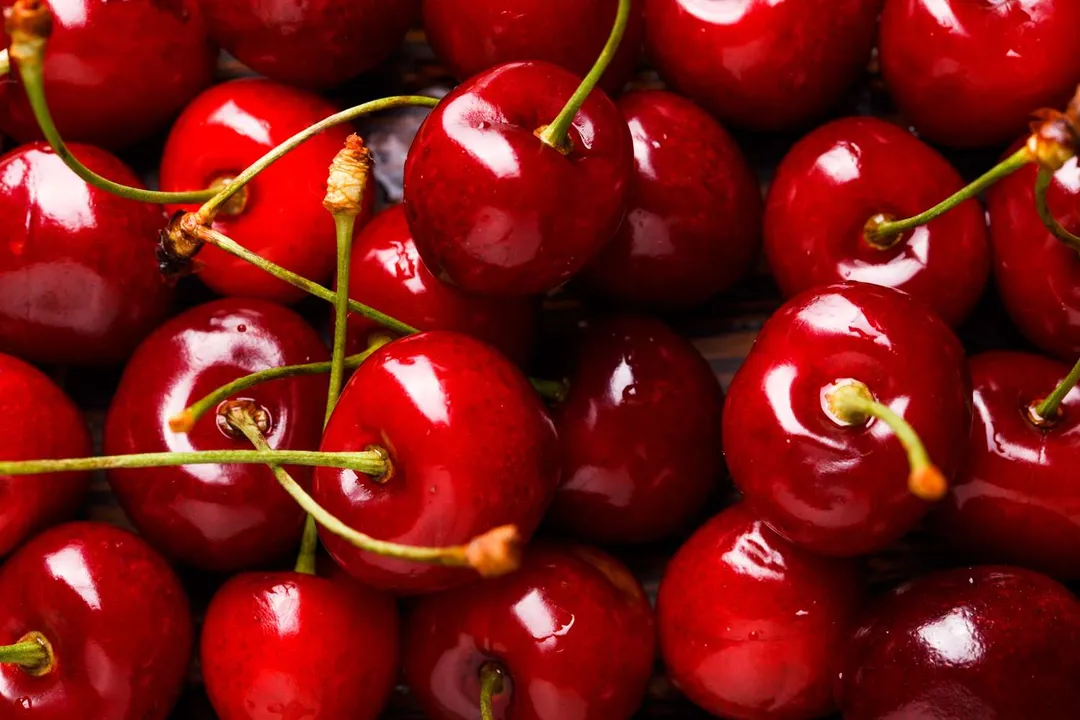
Cherries offer a surprisingly potent array of health advantages, stemming from their rich concentration of bioactive compounds. While they are celebrated for their sweet flavor when enjoyed fresh, their therapeutic properties are often most pronounced in tart varieties, making them much more than just a seasonal treat. [5][6] These small fruits pack a substantial nutritional punch, delivering essential vitamins and minerals alongside powerful antioxidants that influence everything from muscle repair to sleep cycles. [1][4]
# Antioxidant Power

The primary draw of cherries lies in their high levels of antioxidants, particularly anthocyanins. [1][5] These pigments are what give cherries—especially the darker varieties—their deep red or purple hue. [6] Anthocyanins act as potent scavengers against free radicals, unstable molecules that contribute to oxidative stress in the body. [1][8] Oxidative stress is closely linked to chronic conditions, aging, and inflammation, making the regular consumption of anthocyanin-rich foods a proactive dietary measure. [8]
It is worth noting that the concentration of these beneficial compounds can vary significantly based on the cherry type and processing. For instance, tart cherries, such as Montmorency, often possess higher total antioxidant capacities compared to sweet varieties like Bing, though both offer significant benefits. [5][6] When comparing a standard serving of fresh sweet cherries to a highly concentrated tart cherry juice, the latter will deliver a far greater standardized dose of the beneficial polyphenols, which is a key consideration if one is seeking specific therapeutic effects rather than general nutrition. [10]
# Inflammation Control

Chronic, low-grade inflammation is a silent driver behind many modern ailments, including heart disease and diabetes. [1] Cherries combat this by reducing markers of inflammation within the body. [4] The anti-inflammatory action is largely attributed to the same compounds responsible for their antioxidant capacity: the anthocyanins and other flavonoids present in the fruit. [8]
One significant area where this anti-inflammatory action is observed is in the management of gout and arthritis. [5][6] Studies have indicated that eating cherries can lower levels of uric acid, which is the substance that forms sharp crystals in the joints, leading to painful gout flares. [1][5][9] Furthermore, cherries have been shown to reduce C-reactive protein (CRP) levels, a common biomarker used to gauge systemic inflammation. [1][4] If you notice that eating a handful of fresh cherries during peak season brings you relief comparable to taking an over-the-counter anti-inflammatory, you are likely experiencing this direct effect of the fruit’s phytonutrients at work. [9]

# Exercise Recovery
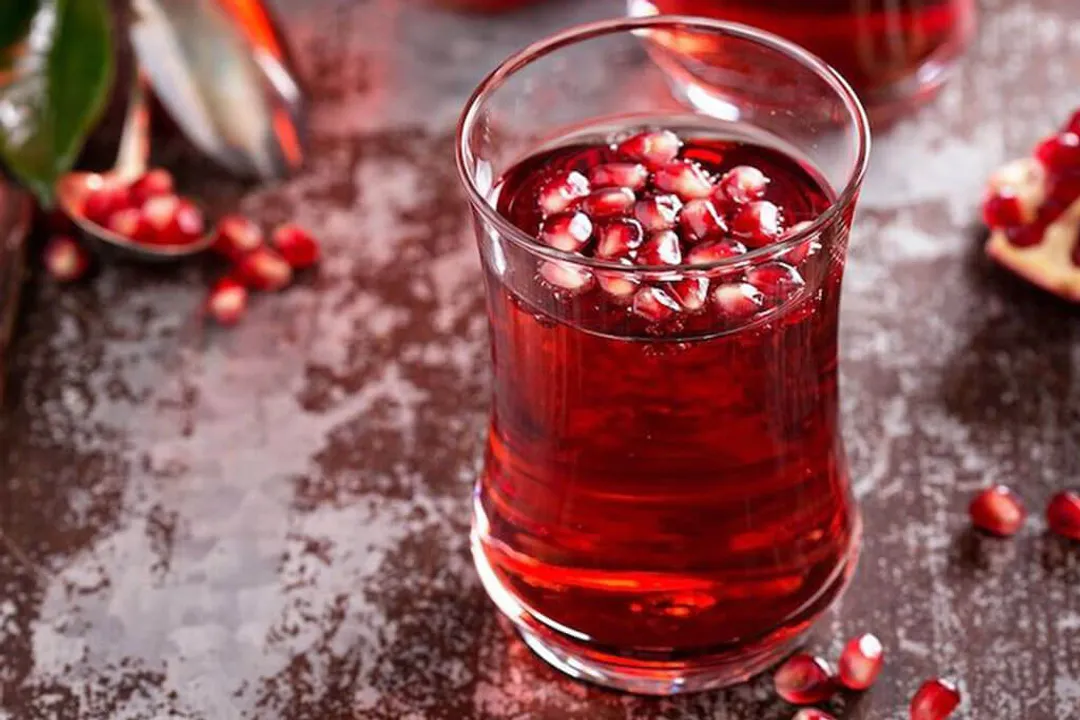
For those who engage in regular physical activity, muscle soreness following intense workouts can be a significant deterrent to consistent training. Cherries, particularly in their tart form, have gained recognition as a natural aid for exercise recovery. [1][5][10] Research suggests that the anti-inflammatory and antioxidant properties help mitigate the muscle damage that occurs during strenuous activity. [10]
This benefit is observable in reduced muscle pain and faster strength recovery after intense exercise protocols. [5][10] Several small studies have specifically focused on athletes consuming tart cherry juice or supplements before, during, and after demanding events, showing measurable improvements in recovery time compared to placebo groups. [5][10] While a single serving of fresh cherries is beneficial, maintaining consistency—perhaps by incorporating dried tart cherries into trail mix or using juice after long runs—seems key to maximizing this protective effect against exercise-induced soreness. [1][10]
# Sleep Quality
One of the more interesting health contributions of cherries is their natural content of melatonin, a hormone that plays a key regulatory role in the body’s sleep-wake cycles. [1][5][9] Melatonin production naturally slows as people age, which can contribute to sleep disturbances. [9]
By consuming cherries, individuals can supplement their natural melatonin levels. [1] Tart cherry juice, specifically, has been linked in some studies to improvements in sleep duration and quality for individuals suffering from insomnia. [4][5] It's important to distinguish this from sedative effects; the benefit appears related to signaling the body when it is time to sleep, rather than forcing immediate drowsiness. [9] For someone struggling with the middle of the night awakenings common in older adults, incorporating a small glass of tart cherry juice in the evening might offer a gentler, natural alternative to synthetic sleep aids. [4]

# Cardiovascular Support
Cherries contribute positively to cardiovascular health through several mechanisms, touching upon blood pressure regulation and cholesterol management. [1][5][6] The high potassium content found in cherries is critical for balancing sodium levels, which directly helps in maintaining healthy blood pressure. [1][4] Potassium acts as a vasodilator, relaxing blood vessel walls and easing the strain on the circulatory system. [6]
Furthermore, the fiber content in cherries aids in healthy digestion and can assist in lowering LDL (bad) cholesterol levels, another crucial factor in heart disease prevention. [1][4] The combination of compounds that reduce inflammation and oxidative stress also protects blood vessels from damage over time, contributing to a lower overall risk profile for cardiovascular events. [5][8]
# Digestive Health
Beyond heart health, the impact of cherries on the digestive system is noteworthy, primarily due to their dietary fiber content. [1][4] Fiber is essential for promoting regularity and maintaining a healthy gut microbiome. [1] A diet rich in fiber supports smooth bowel movements and helps prevent constipation. [4]
In addition to soluble and insoluble fiber, cherries contain various micronutrients, including Vitamin C, which supports general immune function. [1] While they are not as famously associated with gut health as berries or legumes, incorporating a serving of fresh cherries into a routine can easily contribute a meaningful percentage toward daily recommended fiber intake. [1][4]

# Potential Against Chronic Disease
The powerful antioxidant profile of cherries suggests a protective role against certain types of cancer, although more comprehensive research is often needed to confirm specific human outcomes. [8] The polyphenols within the fruit, including flavonoids, have shown potential in laboratory studies to inhibit the growth of cancer cells and slow their proliferation. [8]
This preventative capacity is rooted in their ability to combat the cellular damage that precedes cancer development. [8] While no single food can guarantee cancer prevention, the consistent inclusion of cherry extracts or whole fruits aligns with dietary patterns known to support cellular health and reduce carcinogenic risk factors. [8] For example, the anthocyanins may specifically interfere with signaling pathways involved in tumor growth, offering a layer of cellular defense. [8]
# Forms and Freshness
Cherries are enjoyed in numerous forms, and understanding the difference can help consumers optimize intake based on their goals. [6] The most common types found in the US are the Bing (sweet) and Montmorency (tart) varieties. [5][6]
| Cherry Variety | Primary Taste Profile | Common Availability | Key Benefit Focus |
|---|---|---|---|
| Sweet Cherries (e.g., Bing) | Mildly sweet, excellent fresh eating | Fresh/Seasonal | General nutrition, hydration |
| Tart Cherries (e.g., Montmorency) | Very sour, requiring processing | Dried, frozen, juice concentrate | Concentrated anti-inflammatory/sleep aids |
Fresh cherries are a peak-season item, often available between May and August, depending on the region. [5] When buying fresh, look for firm, unblemished fruit that still has its stems attached for the best quality and shelf life. [5] If fresh is not available, frozen cherries retain nearly all of their nutritional value, making them an excellent year-round option, especially for smoothies where the tart varieties shine. [10] Dried cherries, while more calorie-dense due to water removal, offer a convenient, shelf-stable way to consume the fruit, though one must be mindful of added sugars in some commercial preparations. [6]
# Practical Consumption Tips
To incorporate these benefits effectively, consider these practical applications. If your primary goal is post-workout recovery, opting for a standardized tart cherry juice concentrate mixed with water immediately after a hard training session may provide the most direct, effective dose of anti-inflammatory compounds. [10] Conversely, if you are simply looking for a healthy, sweet snack that contributes to your daily vitamin C and potassium, a cup of fresh Bing cherries eaten in the mid-afternoon is an enjoyable way to meet those general nutritional targets. [1][4]
Another point to consider is the preparation method. While fresh cherries are wonderful, the processing required to create tart cherry extracts or juices concentrates the beneficial compounds far beyond what a similar weight of fresh sweet cherries might offer. This means that targeting a specific therapeutic outcome, like managing sleep or gout, often benefits from the more standardized, concentrated product, whereas enjoying fresh cherries provides a broader spectrum of fiber and hydration alongside moderate levels of those same active compounds. [5][10] Both approaches have their place in a balanced diet focused on leveraging the natural goodness of the cherry. [4]
These small, flavorful fruits, whether enjoyed glistening fresh off the branch or concentrated in a juice, offer tangible support for managing inflammation, improving recovery, and promoting better rest, cementing their status as a true functional food. [1][4][9]
Related Questions
#Citations
7 Impressive Health Benefits of Cherries - Healthline
The Cherry on Top: 8 Health Benefits of Cherries
Novel insights in health-promoting properties of sweet cherries - PMC
Are cherries good for you? - BBC Good Food
Bing Cherries: A Natural Health Remedy that Grows on Trees? - USDA
8 benefits of cherries. - YouTube
Health Benefits - Cherry Central
A Review of the Health Benefits of Cherries - MDPI
10 Reasons You Should Be Eating Cherries - Verywell Health
Cherries: Health Benefits, Nutrients, Preparation, and More - WebMD