Health Benefits of Cloudberry
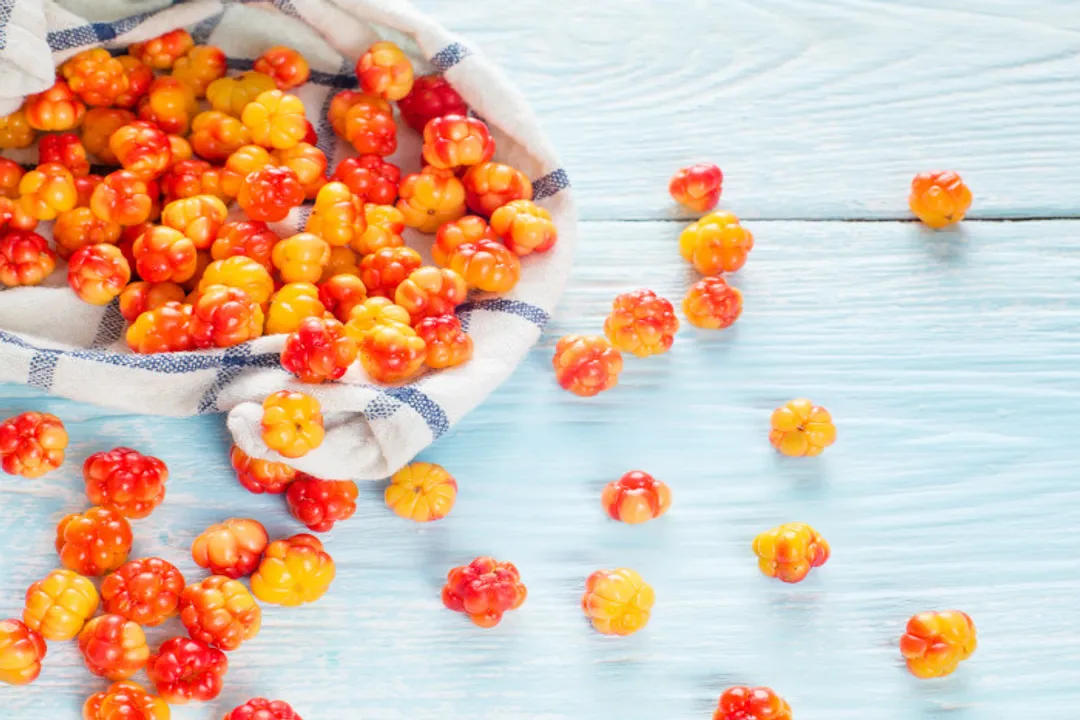
The cloudberry, often called the gold of the Arctic, remains a somewhat mysterious fruit to those outside of northern climates, yet its value is highly recognized by the communities where it thrives, from Fennoscandia to Newfoundland. This rhizomatous herb, scientifically known as Rubus chamaemorus, produces a pale orange berry prized not only for its unique culinary applications but also for its dense concentration of beneficial nutrients and organic compounds. While the raw flavor can be quite sharp and tart, requiring sweetening for most palates, preparation into jams, candies, or mixed desserts like the traditional Nordic Multekrem unlocks its potential for well-being.
# Arctic Riches
Examining the raw nutritional breakdown of cloudberries reveals why they hold such esteemed status among wild foods. Per a 100-gram serving of raw cloudberries, the composition is notably high in water, which constitutes about of the total weight. The macronutrient profile is light, with total fat registering around and carbohydrates hovering near . Protein content is modest, around .
Where the berry truly shines is in its micronutrient and phytochemical density. Cloudberries are an exceptional source of Vitamin C; one source indicates that can supply as much as of the recommended daily intake, while another specifies . This high concentration of Vitamin C is a known stimulator for the production of white blood cells, serving a vital function in supporting the immune system as a powerful antioxidant. Vitamin A is also present, containing carotenoids that work to safeguard the skin and eyes against degradation and the visible signs of aging.
Beyond the vitamins, the presence of essential minerals contributes significantly to bodily functions. Iron, critical for the creation of red blood cells and therefore necessary for healthy circulation, is present, which can help mitigate the risk of developing anemia. Furthermore, cloudberries contain magnesium, a key player in bone health because it aids the body in effectively absorbing calcium, potentially serving as a preventative measure against conditions like osteoporosis.
A point of distinction for cloudberries, separating them from other common berries like bilberry or lingonberry, is their particular richness in certain compounds. While many berries are highlighted for anthocyanins or proanthocyanidins, cloudberries are notable for their substantial levels of ellagitannins and their derivative, ellagic acid. The seed oils also lend a unique profile, containing both omega-$3$ and omega-$6$ fatty acids, which are beneficial for balancing cholesterol levels and easing the strain on the cardiovascular system.
Considering the varied reports on Vitamin C content ( versus RDA), it is worth noting that the specific nutrient levels can be influenced by the plant's growing environment. A fascinating analysis suggests that the synergistic interaction between these high levels of Vitamin C, Vitamin E (also present in the berries), and the powerful ellagitannins may mean the collective antioxidant effect is greater than the sum of its parts, offering a heightened defense mechanism against cellular stress.
# Inflammation Control
The anti-inflammatory capacity of the cloudberry has been demonstrated in controlled scientific settings, particularly concerning chronic, low-grade inflammation associated with metabolic dysfunction. Research utilizing a mouse model fed a high-fat diet—a common trigger for systemic inflammation—showed that supplementing the diet with air-dried cloudberry powder yielded protective effects.
The study observed that mice receiving the cloudberry-supplemented diet did not exhibit the same markers of liver injury and inflammation as the control group on the high-fat diet alone. Specifically, the liver inflammation/injury marker, alanine aminotransferase (), was significantly lower in the cloudberry group compared to the unsupplemented high-fat group. Similarly, serum amyloid A (), a key indicator of systemic inflammation, was substantially suppressed by the cloudberry addition.
This suppression extends to the genetic level within tissues. In both liver and adipose tissue, the high-fat diet significantly increased the expression of several inflammation-related genes, such as Monocyte Chemoattractant Protein 1 () and Tumor Necrosis Factor (). Cloudberry supplementation effectively prevented the rise in these inflammatory factor expressions in the liver. In adipose tissue, the expression of genes linked to macrophage recruitment and activity, such as S100A8 and Mannose Receptor C type 2 (), was also mitigated by the berry powder. MCP1 is particularly important as it acts as a primary chemoattractant for macrophages into inflamed fat tissue, a process linked to insulin resistance. By reducing these signals, cloudberry helps temper the chronic inflammatory state that accompanies excessive dietary fat intake.
# Metabolic Regulation
A crucial finding from the research involving cloudberry powder was its ability to interfere with the negative metabolic shifts induced by a high-fat diet, even though it did not affect overall body weight gain in the model used. This suggests the benefit is biochemical rather than caloric management.
# Lipid Health
When circulating cholesterol levels were tracked, the mice receiving cloudberry supplementation saw their cholesterol rise significantly less than the unsupplemented high-fat group at the six-week mark, indicating an impedance of hypercholesterolemia development. Although this statistical difference lessened by week twelve, the initial protection points toward the beneficial role of the berry's compounds, possibly its omega fatty acids or polyphenols, in lipid management.
# Glucose Stability
The management of blood sugar also showed improvement. The high-fat diet led to higher fasting glucose levels and poorer handling of administered glucose during a tolerance test. Cloudberry supplementation helped in decelerating the rise in fasting blood glucose. Furthermore, the expression of Insulin-like Growth Factor Binding Protein 2 () in the liver, a protein whose downregulation is negatively correlated with insulin resistance, was partially preserved by the cloudberry intake. While the berry did not directly alter circulating insulin levels in this specific study, its impact on glucose handling suggests its ellagitannins might act through various antihyperglycemic mechanisms, such as inhibiting carbohydrate-hydrolyzing enzymes.
It is interesting to contrast the lack of effect on weight gain with the clear anti-inflammatory and lipid/glucose-regulating effects observed. This suggests that adding cloudberries to a diet that is already high in calories or fat might not result in weight loss but can serve as a mitigating dietary component, reducing the specific tissue damage and metabolic dysregulation that often accompany such diets. This is a key consideration for those looking to incorporate nutrient-dense foods without drastically changing overall caloric intake.
# Defense Systems
The cloudberry’s high antioxidant profile is a foundation for several general health advantages, touching upon immunity and cellular protection.
# Viral Protection
The fruit contains specific chemical constituents that exhibit antiviral and antibacterial qualities. This inherent defense capability complements the immune-boosting properties derived from its Vitamin C and Vitamin A content, offering a broad-spectrum defense mechanism at the cellular level.
# Anti-Aging Effects
The combined action of antioxidants—like Vitamin C, carotenoids, and especially ellagic acid—is thought to contribute to slowing the overall aging process. By neutralizing free radicals, these compounds help minimize oxidative stress throughout the body, which has been linked to reducing the appearance of wrinkles and lowering the long-term risk of developing various chronic diseases. The anti-inflammatory actions detailed in the metabolic study also align with anti-aging goals, as chronic inflammation is itself a driver of age-related decline.
# Gut Health
For the digestive tract, cloudberries provide support through their phenolic compounds. Scientific examination has indicated that these phenolics work to inhibit the development of certain gastrointestinal pathogens. In laboratory tests, Staphylococcus and Salmonella bacteria proved to be particularly sensitive to the effects of cloudberry components, suggesting a protective influence within the gut environment. This aligns with the overall benefit of improved digestion often attributed to consuming the fruit.
# Cultivation and Culinary Context
Cloudberries are unique not just for their compounds but for their challenging habitat. They are intrinsically tied to the boreal ecosystems of the Northern Hemisphere, growing in arctic and alpine regions. This environmental specificity contributes to their relative scarcity and high perceived value. While they are eaten raw, the experience is generally tart unless they have fully ripened to an orange hue, at which point they acquire a slight sweetness.
In many northern regions, they are a cultural staple, sometimes referred to as bake apples in places like Newfoundland. Beyond being mixed with cream, common preparations include incorporating them into baked goods, making jams, or using them to flavor alcoholic beverages. Their distinctive taste profile makes them a sought-after ingredient when available.
To maximize potential health contributions, one might consider pairing cloudberry preparations with foods that enhance nutrient absorption or stability. For instance, since cloudberries are rich in Vitamin C, consuming them alongside iron-rich foods may slightly enhance the absorption of that non-heme iron, though the primary mechanism for iron absorption relies on other factors. When consuming cloudberry-based jams or desserts, recognizing that the ellagitannins are the star compound may encourage using less added sugar than might otherwise be used in typical fruit preserves, thereby maintaining a greater density of beneficial phenolics per serving.
Related Questions
#Citations
Cloudberry – Health Benefits, Uses and Important Facts
7 Surprising Benefits of Cloudberry - Organic Facts
Cloudberry (Rubus chamaemorus L.) Supplementation Attenuates ...