Health Benefits of Gac
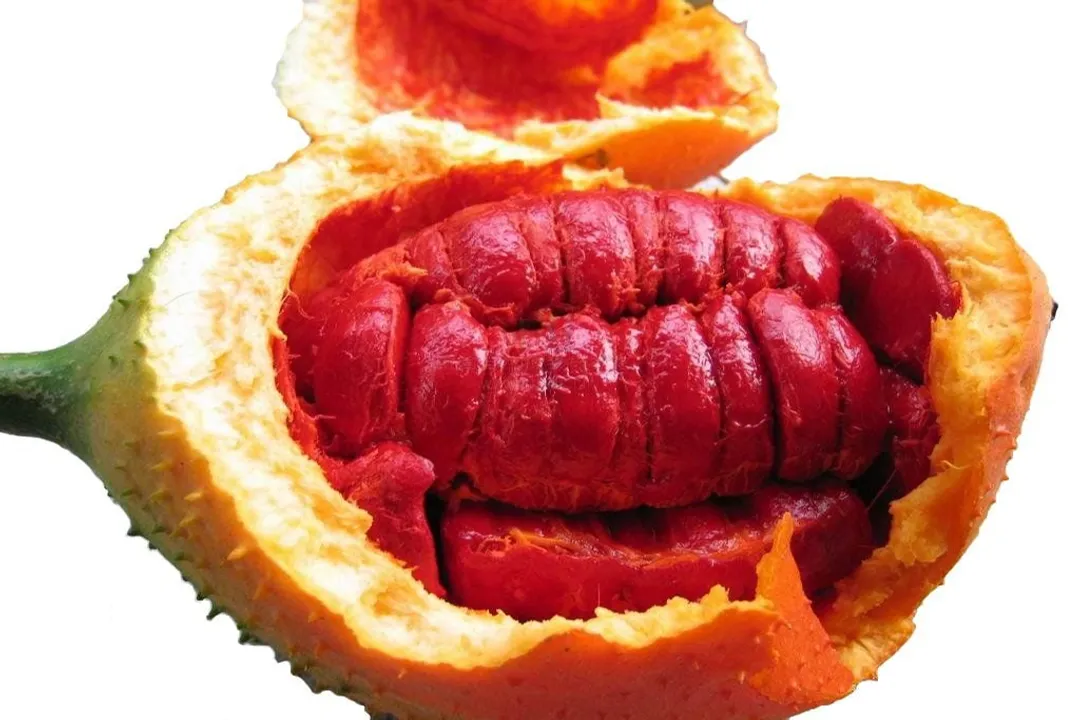
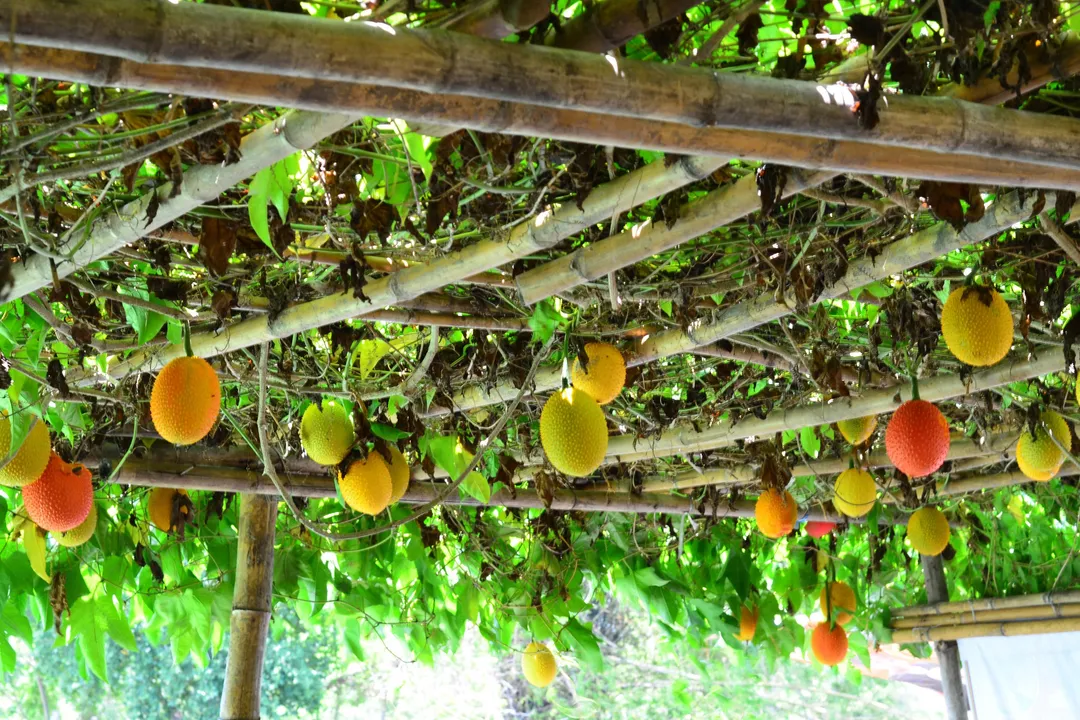
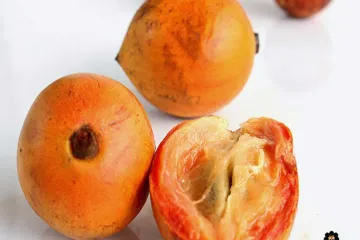
The name Momordica cochinchinensis might not roll off the tongue, but this tropical fruit, native to Southeast Asia, is frequently dubbed the “fruit from heaven” for its exceptional concentration of beneficial compounds. [2][4] Found growing on vines, this somewhat spiny, round fruit, also known by names like baby jackfruit or Cochinchin Gourd, has a mild, almost neutral flavor profile, sometimes likened to avocado, making it easily adaptable to various culinary preparations. [3][4] While its presence has been noted in traditional Chinese medicine for centuries, modern science is now confirming the extraordinary potential packed within its deep red aril—the fleshy pulp surrounding the seeds. [1][2]
# Carotenoid King
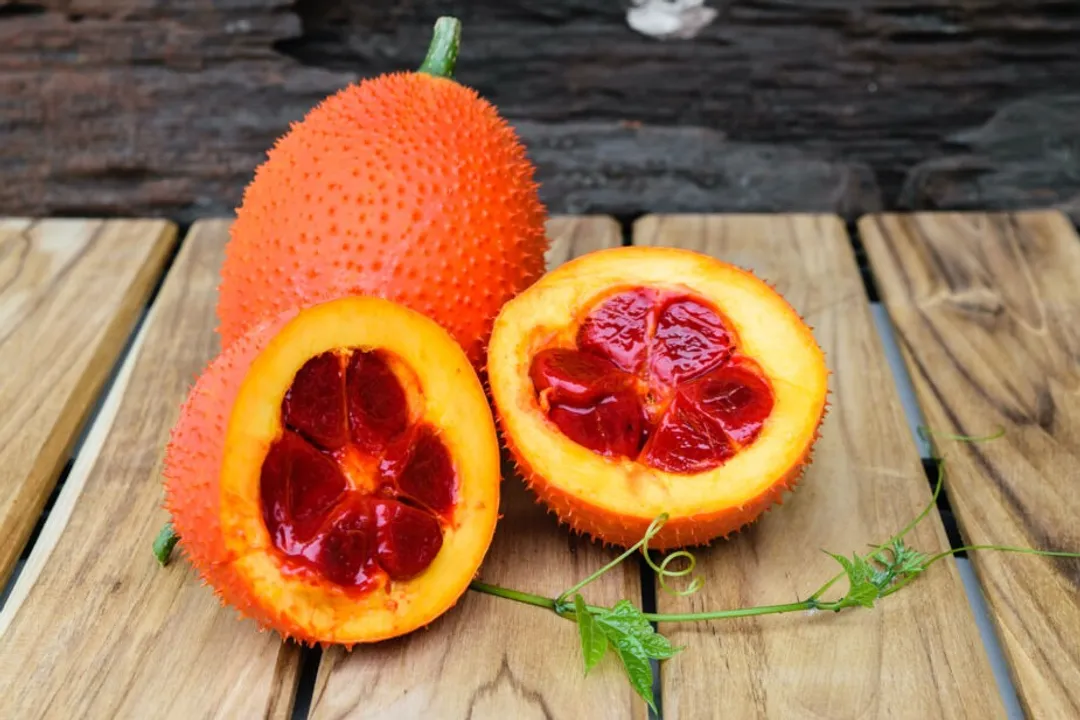
The most compelling feature drawing scientific attention to Gac fruit is its unparalleled concentration of carotenoids, the pigments responsible for its vivid color. [2] When comparing Gac to other well-regarded sources of these nutrients, the difference is striking. Gac fruit boasts up to 70 times more lycopene per gram than tomatoes, a fruit typically cited as a primary source of this powerful phytochemical. [3][4] Similarly, its beta-carotene content outstrips that of carrots and sweet potatoes by a factor of ten. [3] This fruit also contains remarkable amounts of zeaxanthin—reportedly 40 times that found in corn—and high levels of Vitamin C, exceeding oranges by a factor of 40. [3]
This massive accumulation of pigments isn't merely for show; it translates directly into potent biological activity. [1] The red aril is the primary location for these compounds, and studies have shown that harvesting the fruit when it has reached its fully ripe stage—often designated as stages A4 or A5 in maturity assessments—ensures the peak concentration of lycopene, -carotene, and even total polyphenols. [2] While the Noah Breed developed in Malaysia shows promise for even higher nutrient density than traditional varieties, [2] the fundamental abundance across Gac types is what establishes its standing as a nutritional powerhouse. [4]
# Cellular Defense
The primary mechanism through which Gac fruit is believed to offer wide-ranging health advantages is its extraordinary antioxidant capacity. [1][2] Antioxidants are essential for neutralizing free radicals that cause cellular damage, which is implicated in aging and the development of chronic diseases. [4] The synergistic effect of high lycopene, -carotene, polyphenols, and flavonoids provides robust scavenging properties. [1][3]
This defense mechanism is strongly linked to anti-cancer potential. Research indicates that components within the fruit can actively work to suppress tumor progression. Specifically, the high lycopene and lutein content may help prevent the growth of tumors in tissues such as the colon, breast, and skin. [3] Furthermore, polyphenols contribute by safeguarding normal cells from damaging changes that could lead to tumor formation, while certain proteins within the fruit have been shown in preliminary studies to inhibit tumor growth in mice. [1][3] This cellular protection extends to anti-inflammatory roles, with compounds like omega-3 and omega-6 fatty acids present in the fruit oil contributing to the overall anti-inflammatory effect. [4]
It is worth noting the potential for maximizing the benefit of these fat-soluble carotenoids. Since the aril oil is highly unsaturated, containing significant amounts of oleic (35.22%) and linoleic (31.44%) fatty acids, [2] consuming Gac with other healthy fats could naturally aid in their absorption. For instance, the fruit's texture is sometimes compared to avocado, and incorporating Gac into a meal containing natural fats might significantly improve the body's ability to utilize these powerful, oil-soluble protective agents.
# Vision Protection
The fruit's high concentration of specific carotenoids makes it a notable supporter of ocular health. [3] Key among these are lutein and zeaxanthin, molecules that are crucial for maintaining visual integrity. [3] These compounds function as internal shields within the eye, protecting vulnerable structures from harmful light exposure and age-related degeneration. [3]
They concentrate in critical areas: shielding the cornea, which serves as the eye's initial entryway for light, and supporting the retina, the tissue responsible for converting light into signals the brain can process. [3] A diet rich in these carotenoids is associated with potentially reducing dry eye symptoms and may even contribute to better night vision. [3] Given that Gac contains 40 times more zeaxanthin than corn, its inclusion in the diet represents a significant, concentrated nutritional input for eye maintenance. [3]
# Heart and Circulation
Cardiovascular health is another area where Gac fruit appears to offer significant support, largely due to its broad antioxidant base and healthy fat profile. [3] The presence of lycopene and other carotenoids is specifically associated with reducing the overall risk profile for heart disease and stroke. [3][4]
Beyond the antioxidants, the presence of Omega-3 and Omega-6 oils within the aril oil is cited as a nutrient factor that can help prevent cardiovascular ailments and contribute to repairing DNA damage. [3] Furthermore, Gac contains polyphenols and flavonoids—compounds well-known for their protective effects found in substances like olive oil and red wine—but Gac offers these benefits without the drawbacks of caffeine, high sugar, or alcohol. [3] For individuals managing lipid levels, weekly consumption is even suggested as a way to reduce high cholesterol levels. [3]
# Beyond the Body
The benefits attributed to Gac extend into the skin, nervous system, and overall metabolic function. The fruit is said to play a part in slowing down physical aging and promoting a more youthful appearance. [3] This effect is partially credited to its role in supporting the synthesis of collagen, a protein vital for skin firmness, through the presence of vitamins A, E, and C. [3] Additionally, the fruit is low in sugar, a factor that has been linked to reduced skin aging and acne incidence. [3] The combination of polyunsaturated fats, vitamins, and minerals like zinc and selenium supports skin health and efficient nutrient use. [3]
For mental well-being, the fruit's content of selenium, various minerals, and vitamins is thought to help support the nervous system, potentially mitigating feelings of stress, anxiety, and even depression. [3]
Gac is also noted for components that support blood health. Its content of iron, Vitamin C, and folic acid suggests a role in fighting anemia, though careful assessment of the anemia's root cause is recommended before relying solely on dietary adjustments. [3]
# Consumption Context
The utilization of Gac fruit is specific, and understanding which part to consume is key to accessing its benefits. [2] While the seed is sometimes used in traditional medicines, the edible component most often utilized is the crimson aril surrounding the seeds. [3][4] This aril is soft, oily, and can be incorporated into dishes like xoi gac (a traditional red sticky rice) or used in processed forms like pastes, purees, or oils. [2][4]
A point of caution arises from the comparison between fresh consumption and processed products. While fresh juice retains its benefits due to low natural sugar content, [3] the stability of the key phytochemicals, especially the delicate carotenoids, in freeze-dried powders or supplements over extended periods remains under study, prompting a need for cautious appraisal of year-round packaged claims. [2][4] Moreover, if seeking the true fresh experience, one must contend with the fruit’s short natural growing season, often cited around December and January, which limits its availability. [3][4] For those relying on the market when fresh fruit is unavailable, tracking the consistency and production methods of oils versus powders becomes an important consideration for ensuring nutrient delivery.
Interestingly, the fruit's structure suggests that valuable nutrients are not confined to the desirable aril. The peel and pulp, which together can constitute the majority of the fruit's weight, are also documented as being rich in carotenoids like lycopene and -carotene, though they are frequently discarded during preparation. [2] This realization presents an opportunity for innovative food processing, where previously wasted biomass could be sustainably added back into supplements or food bases, much like utilizing the pulp that surrounds the seeds. [2] This fractioning approach—where pulp, peel, and aril all contribute to the nutrient profile—highlights a fuller potential for the entire fruit, moving beyond just the crimson aril most commonly consumed in desserts or soups. [2] The investigation into which fraction offers the best radical scavenging activity in controlled cell studies shows the pulp often surpasses the aril and peel in inhibiting fat accumulation, suggesting component-specific benefits depending on the health goal. [2]
Related Questions
#Citations
What are the benefits of gac fruit? - Vinmec
Gac Fruit: The Superfood You Have Never Heard Of - Amy Burkhart
GAC Fruit and its health benefits
Health benefits and biological activities of Gac fruit - ResearchGate