Health Benefits of Goji berry
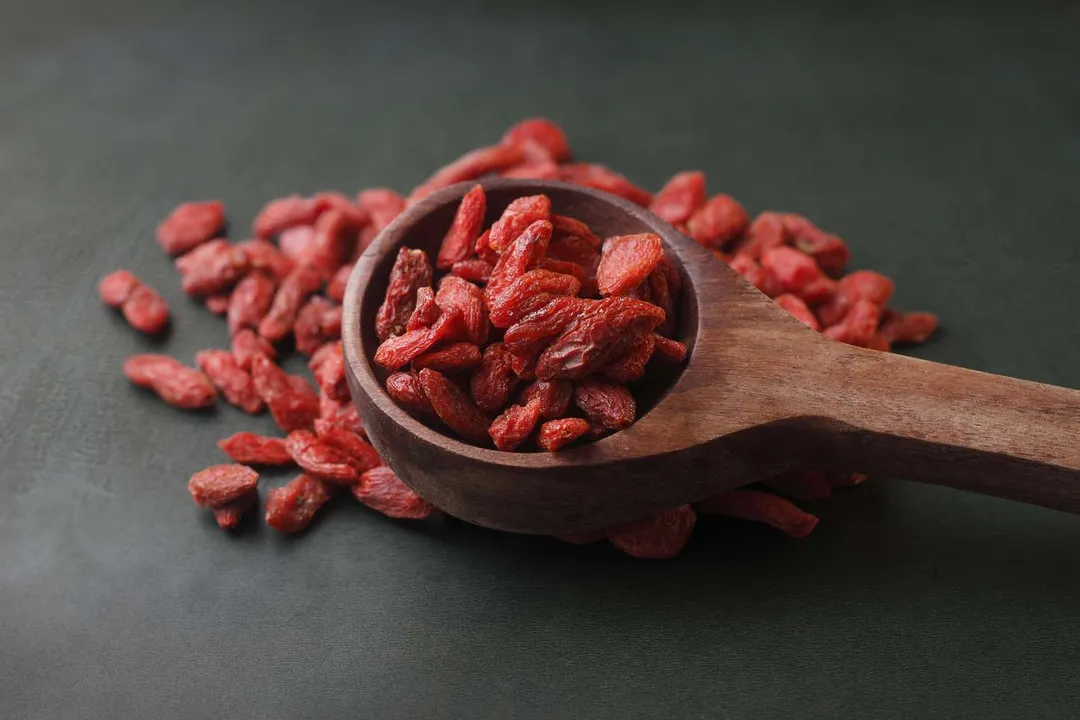
Goji berries, often referred to by their traditional name Lycium barbarum or wolfberries, have gained significant traction globally, moving from ancient remedies to modern supermarket shelves. [1][2] These small, vibrant red-orange fruits have been staples in Asian cuisine and traditional medicine for centuries, valued for their unique taste and reputed medicinal properties. [3][8] While many modern superfoods burst onto the scene with hype, the goji berry carries a weight of historical use, suggesting a deeper, time-tested efficacy that warrants a closer look at what they actually contribute to daily nutrition. [5] Understanding the actual benefits requires sifting through the lore to pinpoint the tangible nutritional components that support bodily functions. [2][4]
# Profile Key

The nutritional density of goji berries is perhaps their most celebrated attribute, packing a significant micronutrient punch into a small serving. [6] They are notable sources of Vitamin A and Vitamin C, both vital for immune defense and cellular health. [1][4] Furthermore, these berries contain a wealth of minerals, including iron and potassium, which are essential for energy regulation and fluid balance. [2][6]
A crucial component often highlighted in the literature is their antioxidant capacity. [1][5] Goji berries are rich in various bioactive compounds, including carotenoids, which are responsible for their bright color. [4] Specifically, they contain high levels of zeaxanthin, a potent carotenoid. [1][5] These antioxidants work by neutralizing harmful free radicals in the body, thereby mitigating oxidative stress, a primary driver of aging and chronic disease development. [1][5]
| Nutrient Focus | Primary Role | Supporting Source |
|---|---|---|
| Zeaxanthin | Eye Health/Antioxidant | [1][5] |
| Polysaccharides | Immune Modulation | [3][8] |
| Vitamin C | Immune Function | [1][4] |
| Iron | Oxygen Transport | [2][6] |
# Vision Support

The concentration of zeaxanthin in goji berries makes them particularly relevant for eye health. [1][5] Zeaxanthin is known to accumulate in the macula of the eye, acting as a natural filter against damaging blue light. [5] Consistent intake may help protect the eyes from age-related macular degeneration (AMD) and general oxidative damage associated with vision. [1] While not a cure, integrating foods rich in these specific carotenoids is a proactive nutritional strategy for maintaining long-term visual acuity. [5] It is interesting to note that while many dark berries contain lutein, the high concentration of zeaxanthin in goji berries often sets them apart in eye-health focused dietary discussions. [1]

# Immunity Boost

Beyond simple vitamin intake, goji berries are reputed for their ability to modulate the immune system, largely attributed to their unique polysaccharide content. [3][8] These complex sugars, often called Lycium barbarum polysaccharides (LBPs), are believed to stimulate immune cell activity and overall defense responses. [3] Research suggests that these compounds can enhance the function of lymphocytes and other immune markers, potentially offering support during times of increased vulnerability, such as cold and flu seasons. [8]
# Skin Radiance
The powerful antioxidant properties that benefit the internal systems also extend to external protection, notably for the skin. [7] By fighting free radicals generated by UV exposure and pollution, the carotenoids and other phenolic compounds in goji berries may help maintain skin integrity and resilience. [7] Some analysis points toward their role in supporting the skin’s natural repair processes and potentially improving skin complexion when consumed regularly. [7] This links back to the broader anti-inflammatory effect provided by the whole spectrum of their phytonutrients. [1][5]

# Blood Sugar Management
Some evidence suggests that goji berries may play a supportive role in managing blood sugar levels. [2][4] Certain components within the berries might help improve insulin sensitivity or slow the absorption of carbohydrates, leading to a more stable glucose response after meals. [2] For individuals monitoring their glycemic load, replacing highly processed snacks with a measured portion of dried goji berries could be a sensible approach, as the fiber and natural compounds offer a different metabolic profile than simple sugars. [4] This is a subtle point: while they contain natural sugars, the fiber matrix and specific phytochemicals influence how those sugars are processed compared to refined sweets. [2]
# Usage Forms
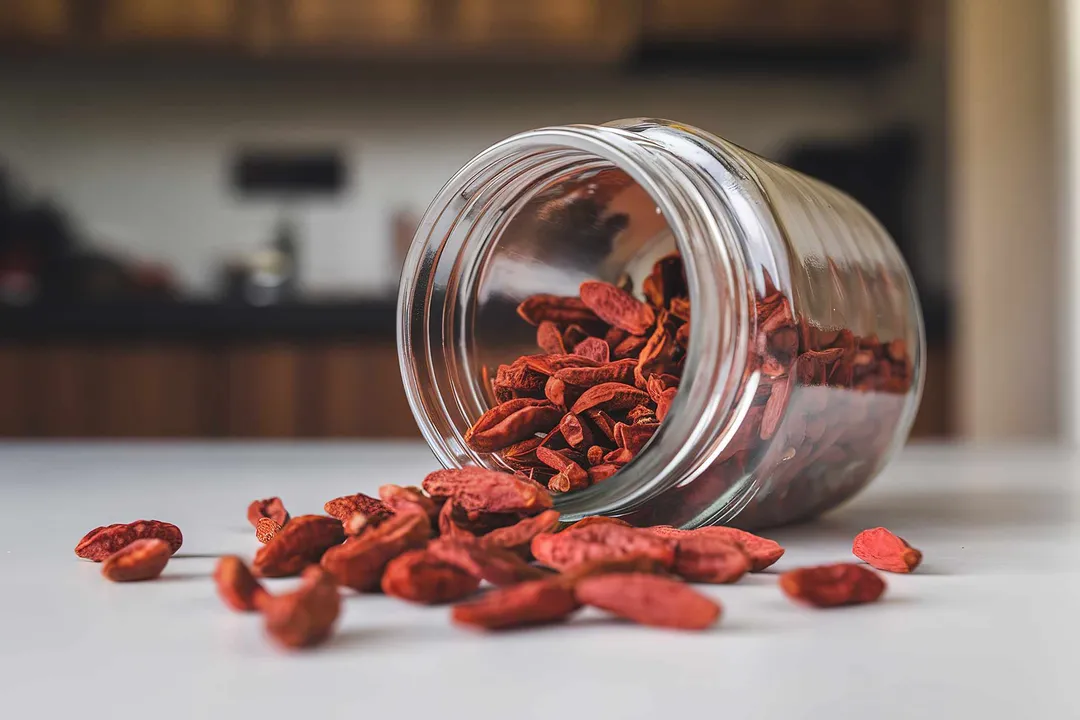
Goji berries are most commonly encountered in their dried form, similar to raisins, due to challenges in transporting fresh fruit from their native growing regions. [8] Dried goji berries are convenient for adding to trail mix, sprinkling over oatmeal, or steeping into teas. [9] However, the drying process, while extending shelf life, can sometimes affect the concentration of heat-sensitive nutrients, though their carotenoid content is generally well-retained. [1]
When considering incorporation into a daily diet, one might find that a typical serving size of dried berries—perhaps around two tablespoons—provides a concentrated dose of these beneficial compounds. [9] If you are accustomed to eating common alternatives like blueberries or cranberries, consider that goji berries offer a different mineral profile; blueberries might offer more anthocyanins, while goji berries emphasize Vitamin A precursors and zeaxanthin. [5] A helpful tip for those new to them is to rehydrate the dried berries in warm water for ten minutes before adding them to yogurt or salads; this softens their texture, making them far more palatable than eating them dry right out of the bag, which can sometimes be too chewy. [9]

# Safety Notes
While generally recognized as safe for most people when consumed in moderation, it is important to acknowledge potential interactions and side effects. [4][10] Because goji berries can influence blood clotting and blood sugar, individuals taking anticoagulant medications, such as warfarin, or diabetes medications must exercise caution. [4][10] Reports suggest that goji berries might increase the effect of these medications, potentially leading to bruising or overly low blood sugar. [4][10]
If you are starting any new supplement regimen, including regular, high-dose goji berry consumption, a conversation with a healthcare provider is prudent, especially if you have underlying conditions or are on prescription drugs. [10] Furthermore, some people may experience mild gastrointestinal upset or allergic reactions, though these are relatively rare compared to the benefits reported by the majority of users. [4]
# Expanding Historical Context
The historical authority behind the goji berry's reputation stems from its long use in Traditional Chinese Medicine (TCM), where it has been consumed for millennia to support liver and kidney function, and promote longevity. [3][8] This long-term use, across centuries and across populations, lends a degree of experiential authority to its purported health advantages that is distinct from newly introduced "superfoods" with only recent clinical trials. [8] This foundation in traditional practice often means that while modern science is catching up to quantify the effects, the basic observation of benefit has been documented for ages. [3]
If one were to create a simple nutritional log, aiming for consistency is key, as with most nutrient-dense foods. Rather than consuming a massive quantity sporadically, an actionable guideline might be to try and include a small, measured amount—say, a quarter cup of dried berries or a half-cup of the juice—at least three to four times per week, focusing on consistency over sheer volume to allow the body time to adapt and benefit from the steady supply of antioxidants and polysaccharides. [2][9] This measured approach respects their potency while integrating them into a sustainable dietary pattern. [4]
Related Questions
#Citations
7 goji berry benefits backed by science - Medical News Today
Goji Berries: Nutrition, Benefits, and Side Effects - Healthline
Health Benefits and Applications of Goji Berries in Functional Food ...
Goji Berries: Health Benefits and Side Effects - WebMD
What Happens to Your Body When You Eat Goji Berries Regularly
6 Benefits of Goji Berries, Plus Facts and Nutrition - Health
7 Goji Berry Benefits for Skin - Colorescience
7 health benefits of goji berries - BBC Good Food
The Health Benefits of Goji Berries - Sutter Health
3 Amazing Health Benefits of Goji Berries - Nature's Path