Health Benefits of Juniper berry
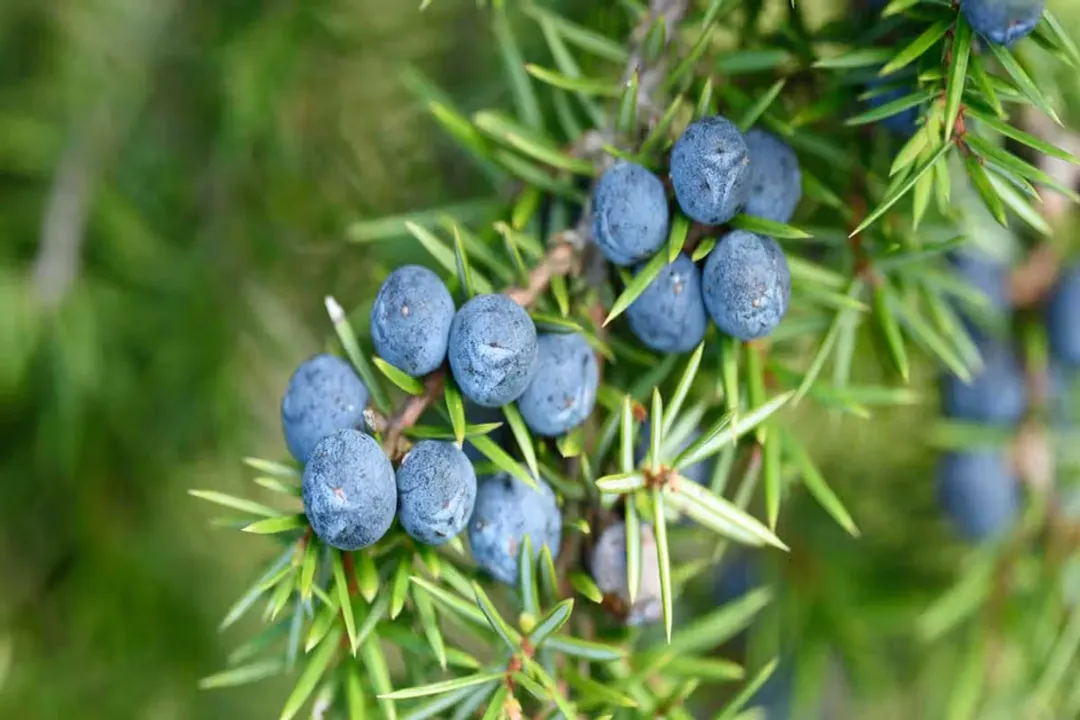
Juniper berries, often recognized as the primary flavoring agent in gin, offer a distinctive, piney, and slightly peppery taste that elevates various culinary dishes. Beyond their aromatic contribution to beverages and savory foods, these small, dark blue fruits from the juniper shrub have a long history in traditional medicine practices across different cultures. Modern interest centers on the compounds packed within these berries, suggesting a range of potential health advantages that warrant a closer look, especially as we examine traditional remedies through a scientific lens.
# Chemical Makeup
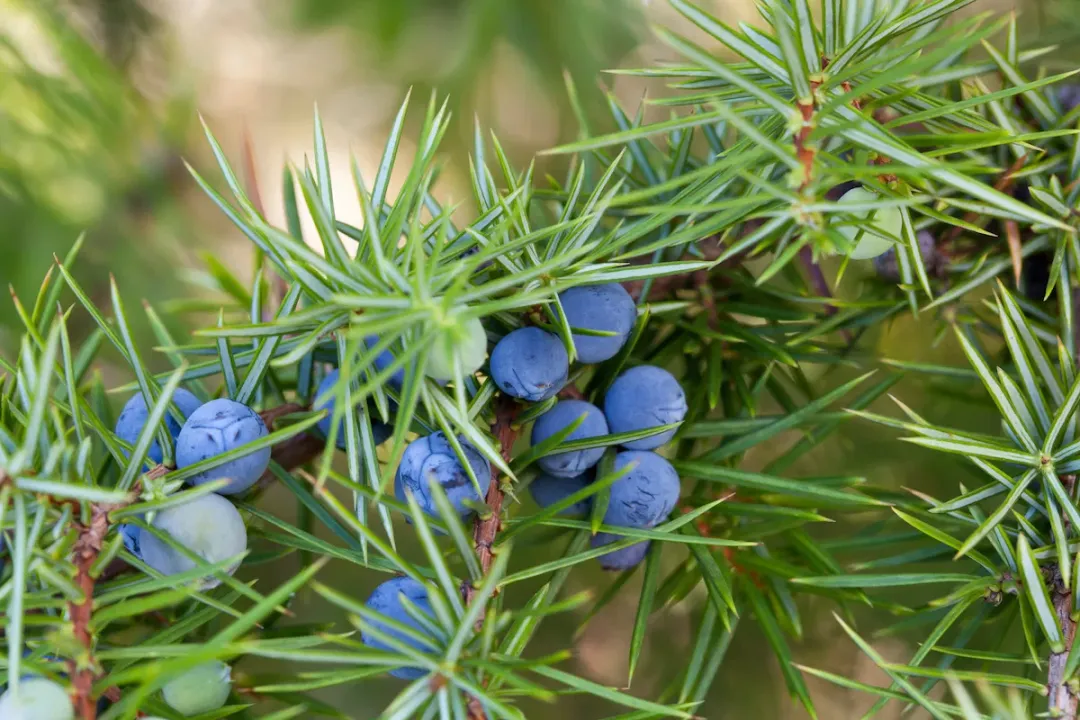
The perceived benefits of juniper berries stem directly from their complex chemical profile. These berries are notable sources of antioxidants, including flavonoids and various volatile compounds like terpenoids. The essential oil extracted from the berries contains several key components that drive many of their biological activities.
Key constituents often identified include the monoterpenes alpha-pinene and sabinene. Research detailing the chemical composition shows that other significant molecules present are limonene and myrcene, which also contribute to the berry's aroma and potential medicinal actions. The concentration and balance of these phytochemicals dictate both the flavor experience and the physiological effects when the berries are ingested or used topically.
# Digestive Support

One area where juniper berries historically shine is in supporting digestive health. Traditionally, they have been employed as a carminative—a substance believed to help prevent the formation of gas in the gastrointestinal tract, thereby alleviating bloating and flatulence. Furthermore, some traditional applications suggest juniper may act as a mild digestive bitter, potentially stimulating the secretion of bile and digestive enzymes, which aids the body in breaking down fats more effectively.
While the direct evidence for modern clinical application as a primary digestive aid may still be developing, practitioners of herbal medicine often pair juniper with other digestive stimulants, recognizing its mild yet supportive properties for an upset stomach. If one is experimenting with adding crushed, dried berries to food for flavor, this traditional use provides context for why a small amount might settle the stomach after a heavy meal.

# Urinary Health
The most cited traditional medicinal use for juniper berries involves the urinary system. For centuries, they have been valued for their diuretic properties, meaning they encourage increased urine production. This mechanism is thought to help "flush out" the system, which can be beneficial for managing certain urinary tract conditions.
This diuretic effect is often attributed to the volatile oils within the berries. However, it is crucial to draw a line between traditional application and medical recommendation. While the berries have a reputation for cleansing the urinary tract, individuals with existing kidney disease should exercise extreme caution or avoid them altogether due to the potential for irritation or damage if used in excess or over long periods. The WebMD summary points out that traditional use supports urinary tract health, but it serves as a reminder that this is an area where the dose and context are everything.
# Antioxidant Defense
The presence of various plant compounds grants juniper berries significant antioxidant capabilities. Antioxidants are essential because they combat free radicals—unstable molecules that can cause cellular damage and contribute to aging and chronic disease development.
The diverse array of flavonoids and other polyphenols found in the berries helps neutralize these harmful compounds. This is similar to the action of many other berries and colorful fruits known for their health-promoting qualities. By reducing systemic oxidative stress, the components in juniper contribute to overall cellular health, a foundational aspect of disease prevention.
# Antimicrobial Potential
Examining the essential oil derived from juniper berries reveals compelling properties, particularly concerning its effect on microorganisms. Studies have indicated that components like alpha-pinene and limonene within the oil exhibit measurable antimicrobial activity. This means the oil can inhibit the growth of certain types of bacteria and fungi.
It is vital to distinguish between consuming the dried berry in food, where the concentration of active oils is low and generally safe for flavoring, and using the concentrated essential oil. The essential oil, when properly diluted, is often suggested for topical application to skin blemishes or in diffusion for respiratory support due to these potent antimicrobial properties. For someone managing minor skin irritations, understanding that the oil's constituents are actively working against microbes offers a rationale for its traditional use, but proper dilution is non-negotiable for topical applications.
# Considerations for Essential Oil Versus Berry
A critical point for anyone interested in the benefits of juniper is understanding the difference between consuming the dried berry and using the concentrated essential oil. The dried berry is safe in food amounts, classified as Generally Recognized As Safe (GRAS) when used as a spice. Its benefits are generally subtle and systemic, supporting digestion or providing light antioxidant support when seasoned onto food.
The essential oil, conversely, is highly concentrated. It is not meant for internal consumption unless under the explicit guidance of a qualified practitioner. Its uses are typically external or aromatic:
- Topical: Diluted with a carrier oil, it is suggested for muscle soreness, joint discomfort, or minor skin conditions like acne or dermatitis.
- Aromatic: Inhalation may offer respiratory support.
If you are preparing a recipe that calls for juniper berries, like a marinade or a rub, you are dealing with the food-grade product. If you are looking for targeted relief for sore muscles, you would turn to the essential oil, recognizing the need for dilution—a general guideline suggests about one to two drops of essential oil per teaspoon of carrier oil for topical use. This distinction is a key safety measure; the therapeutic window for ingestion is vastly different from that of the concentrated extract.

# Traditional Medicine Versus Modern Use
Juniper has a deep history as a medicinal plant, often cited for its use in treating everything from rheumatism to infections. This long-standing application builds a strong case for its historical efficacy in the eyes of many herbalists. For example, its use as a treatment for arthritis or muscle pain likely relates to its oil's purported anti-inflammatory and circulatory-stimulating effects.
However, modern dietary recommendations often focus on the berry's role as a flavoring agent rather than a primary therapeutic drug. While the compounds show promise in lab settings—like the antimicrobial activity noted in scientific literature—most consumers interact with juniper in very small quantities in their diet. A practical insight here is to view the culinary use as a gentle, daily maintenance dose, perhaps improving digestion slightly over time, while reserving more potent applications (like essential oil use) for specific, targeted needs, always proceeding with caution.
If we compare its antioxidant profile to that of highly pigmented berries like blueberries, juniper berries might contain lower overall levels of certain measurable antioxidants in their dried, culinary form, but they offer a unique profile dominated by the volatile oils which other berries lack. This means the overall type of benefit—the piney, slightly sharp flavor and the associated volatile compounds—is what sets juniper apart in the spice cabinet.
# Dosage and Safety Precautions
For the average healthy adult consuming juniper berries as a spice in cooking, safety is generally high, as they are permitted for food use. However, the context shifts dramatically when considering medicinal doses or long-term consumption.
Excessive intake or prolonged use of juniper can lead to adverse effects, particularly on the digestive and urinary tracts. Symptoms of overconsumption can include stomach upset or irritation of the kidneys. For this reason, juniper is strongly advised against for pregnant or breastfeeding women, and anyone diagnosed with kidney disease should avoid it.
It is also important to note that while WebMD lists juniper as a supplement for which general information is provided, it advises against use in high amounts or for extended periods due to the kidney risk. This caution underscores the need for responsible use, even when considering traditional remedies: what works in small amounts for flavor may become problematic in large, concentrated doses. A useful guideline for personal tracking, though not a clinical recommendation, is to note how long you integrate a high-use herb into your routine; perhaps limiting frequent, large medicinal teas to short cycles (e.g., 1-2 weeks) rather than continuous daily use can help mitigate potential long-term irritation.
# Culinary Versatility
While the health benefits are interesting, the primary way most people encounter juniper is through food and drink. Their flavor is essential for traditional European sausages, pâtés, and meat marinades, especially for game meats, as the berry's sharp profile cuts through rich fats. The berry is indispensable in the production of gin, where it provides the characteristic flavor profile.
Beyond these classics, home cooks can experiment by lightly crushing the berries and adding them to pickling brines or using them to infuse vinegars. A simple infusion tip is to heat a small amount of white wine vinegar with 5-6 lightly crushed berries, let it steep for a week, and then strain—this creates a wonderfully aromatic base for vinaigrettes that carries a hint of the berry’s traditional digestive support, even if subtly. The culinary use provides a low-risk way to benefit from the flavor compounds and perhaps receive a mild, gentle nudge to the digestive system.
Related Questions
#Citations
5 Emerging Benefits of Juniper Berries
Juniper Berry: 12 Health Benefits & How to Use
Juniper - Uses, Side Effects, and More
Herbs & Spices: Juniper Berries
Potential of Juniperus communis L as a nutraceutical in ...
Juniper Berries Benefits, Uses, Side Effects and Interactions
All about Juniper Berry Essential Oil - Benefits, Uses, and ...
Juniper Berries, Amazing Medicine