Health Benefits of African Cherry Orange
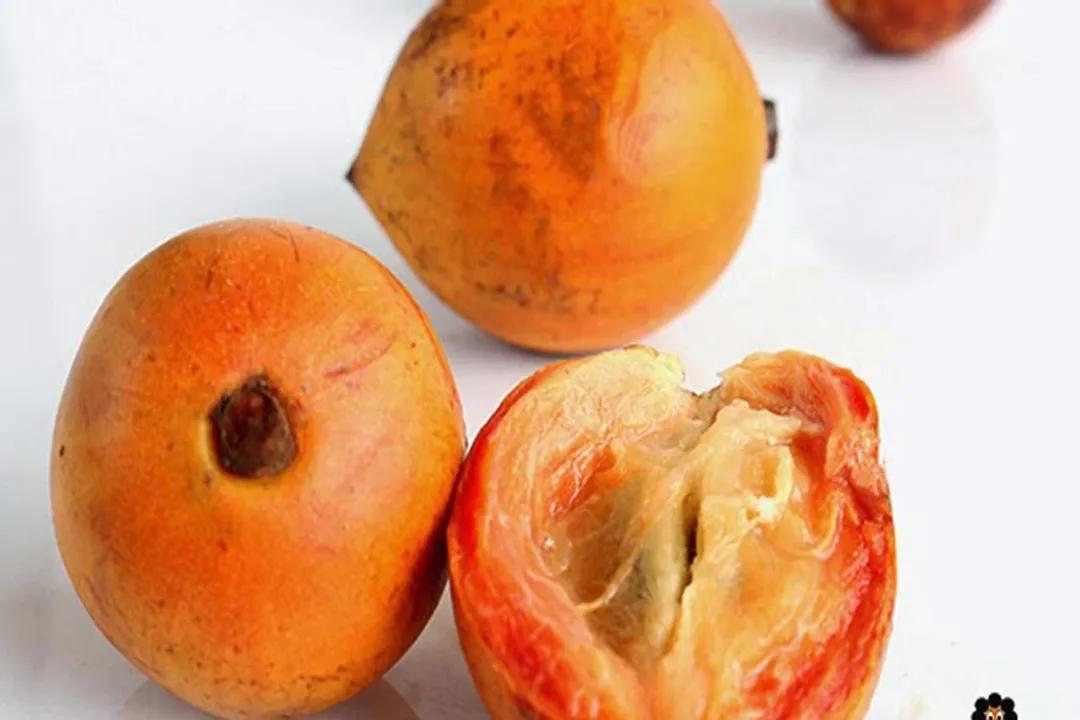
The African Cherry, variously known by its local names Agbalumo or Udara, or as the African Star Apple, offers a fascinating exploration into the world of tropical nutrition. This fruit, which varies dramatically in flavor profile depending on its maturity, provides a range of potential health advantages that have long been acknowledged in the regions where it grows. [1][8] Whether enjoyed by its pulp when fully sweet or chewed on for its slight astringency when hard, understanding its composition reveals why it is valued beyond its unique taste. [7]
# Fruit Names

The common confusion surrounding this fruit stems from its many monikers across different localities and languages. [1][3] In Nigeria, for instance, one might encounter it as Agbalumo or Udara, while internationally or in botanical contexts, it might be called African Star Apple or African Cherry. [1][8] This diversity in naming highlights its deep integration into various West African food cultures. [3]
# Key Nutrients
A primary reason for the fruit's status as a local treasure is its impressive nutrient density, particularly for a readily available fruit. [1][8] It packs a significant dose of several essential vitamins and minerals that contribute to overall well-being. [3]
Specifically, the African Cherry is recognized as being rich in Vitamin C, which is vital for supporting the body's defense mechanisms. [4][8] It also supplies notable amounts of Vitamin A, an essential compound for maintaining good eyesight. [1] Beyond the vitamins, mineral content is also noteworthy, featuring Iron, Phosphorus, and Potassium. [1][3] The presence of Potassium, in particular, hints at potential benefits related to maintaining healthy fluid balance and blood pressure regulation. [1]
| Nutrient | Potential Role | Source Type |
|---|---|---|
| Vitamin C | Immune Function | High Content [4][8] |
| Vitamin A | Vision Health | Present [1] |
| Potassium | Blood Pressure Management | Present [1] |
| Iron | Blood Health | Present [3] |
If one were to compare the nutrient profile of a ripe African Cherry to, say, a standard imported cherry (Prunus avium), the focus shifts dramatically; while regular cherries are often lauded for antioxidants like anthocyanins, the African Star Apple leans heavily on its higher concentrations of Vitamin C and A for its primary recognized benefits. [9] This regional variation underscores the importance of consuming locally sourced, seasonal produce.
# Digestive Support
One of the most commonly cited benefits for consuming Agbalumo relates directly to the digestive system, mainly due to its dietary fiber content. [1][3] Fiber is essential for promoting regular bowel movements and supporting a healthy gut environment. [3] While the fruit is not unique in offering this benefit—many fruits do—the specific type and quantity found in the pulp contribute to its reputation as a good natural digestive aid. [1]
When considering how to maximize this benefit, it is worth noting that the texture changes significantly between stages. The high fiber content might be more noticeable, or at least more palatable, when the fruit is consumed in its less mature state, though this comes with another consideration.
# Immune System Boost
The strong presence of Vitamin C positions the African Cherry as a potential ally for the body's natural defenses. [4][8] This vitamin is a well-known antioxidant that helps protect cells from damage caused by free radicals. [8] Consuming fruits rich in this nutrient regularly can be a pleasant way to maintain immune resilience, especially during seasons when colds and flu circulate widely. [4]
# Plant Parts Usage
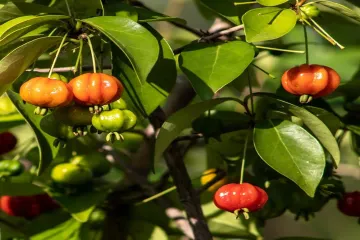
While the delicious pulp of the fruit receives the most attention, traditional knowledge often extends to the entire plant. [1] The bark and leaves of the African Cherry tree have historically been incorporated into various forms of traditional medicine, suggesting a broader application of its biochemical properties than just its edible fruit. [1] This traditional application points toward a deeper, long-standing relationship between local communities and the Chrysophyllum albidum tree.
# Consumption Considerations
Eating the African Cherry is an experience in itself, especially when navigating the transition from unripe to ripe stages. [7] The unripe fruit, often described as hard and slightly sour or astringent, contains a milky latex. [7][8] A practical note for those unfamiliar with the fruit: this latex can be quite sticky and adhere stubbornly to the teeth, which is why many people wait for the fruit to fully ripen to enjoy the sweet, milky pulp. [7] Waiting until it ripens transforms the experience from a chewy, slightly tart snack to a sweet, soft treat. [6][8]
For maximizing enjoyment and minimizing the notorious "sticky teeth" issue, a simple approach is to wait a few days after purchase. If the fruit is firm, leave it at room temperature; as it softens, the sugars develop, the tannins mellow, and the texture becomes more yielding, making the inner pulp easier to access without the excessive latex. [7]

# Traditional Medicine
Beyond direct dietary intake, the components of the African Cherry tree have been recognized in various local health practices. [1] While modern scientific validation for all these uses is ongoing, the historical record shows that the leaves and bark have been traditionally prepared for consumption or topical use, suggesting that beneficial compounds exist throughout the plant structure, not just the fruit flesh. [1] This indicates that the plant's overall phytochemical profile is considered valuable by long-standing local expertise. [1]
# Final Thoughts on Local Superfoods
The African Cherry Orange, whether you call it Agbalumo or Udara, serves as a prime example of how localized, traditional fruits often pack a serious nutritional punch. [3] It offers a complex flavor profile—moving from sharp to sweet—that mirrors its transition from a slightly astringent, high-fiber snack to a Vitamin C-rich treat. [1][7][8] By integrating fruits like this into the diet, we not only support our health through vitamins and minerals like Potassium and Vitamin A but also connect with the rich botanical heritage of the regions where they thrive. [1]
Related Questions
#Citations
Health Benefits Of African Cherry (Agbalumo, Udara) - Ayoola Foods
African cherry fruit health benefits and uses - Facebook
HEALTH BENEFITS OF AGBALUMO (AFRICAN STAR APPLE)
Aduke Cuisine & Lounge | Health benefits of Agbalumo ... - Instagram
Nutrition facts-African cherry orange | Health benefits - Fruit
10 unbelievable facts about African cherry - FarmingFarmersFarms
Amazing health benefits of cherry, Africa's star apple - The Sun Nigeria
7 Impressive Health Benefits of Cherries - Healthline