Health Benefits of Orange Bell Pepper
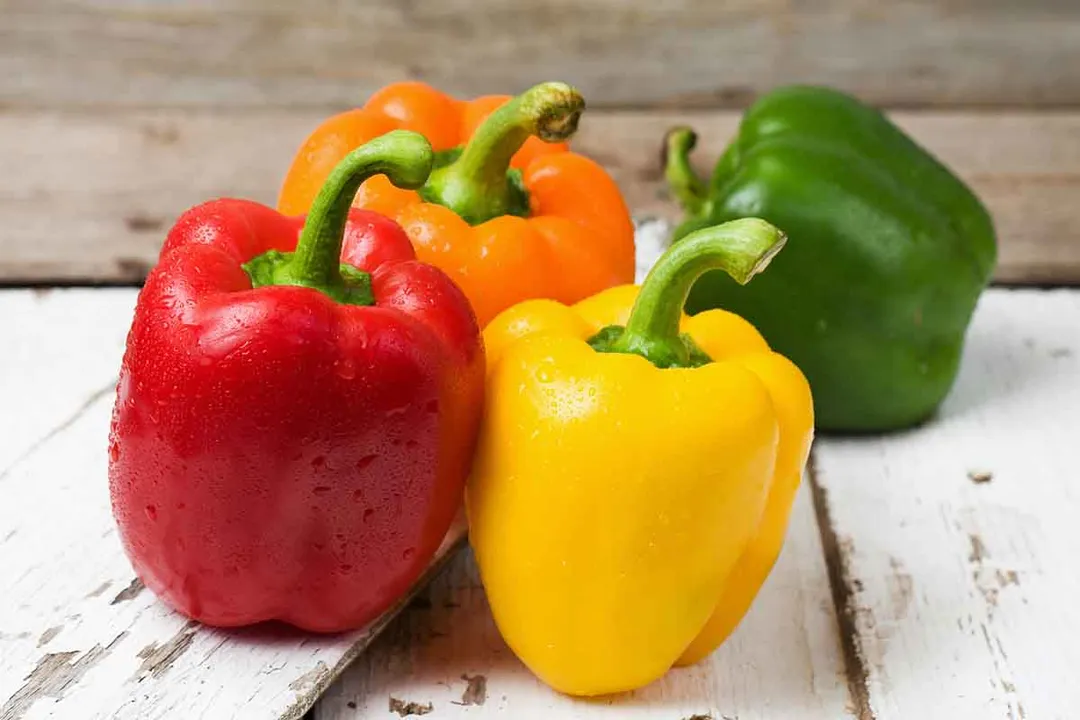
The vibrant hue of an orange bell pepper is a clear signal that it carries a significant payload of beneficial compounds, making it a dazzling and delicious addition to any plate. While all colors of this Capsicum annuum fruit share a low-calorie foundation and similar macronutrient ratios—being primarily water with small amounts of protein and fat—the specific pigments that give orange its glow unlock targeted health advantages. [1][4][5] These sweet peppers, which originated in Latin America, are prized globally for their mild flavor that bridges the gap between the slightly bitter green variety and the fruitier red ones. [1][7][9]
# Nutrient Concentration

Bell peppers generally offer an impressive array of vitamins and minerals, including potassium, folate, and Vitamin K1, which is important for bone health and blood clotting. [4] However, the color dictates the concentration of certain vital micronutrients and plant compounds.
The most striking feature of the orange pepper is its significant antioxidant content, driven by the pigments responsible for its striking color. Orange and yellow varieties owe their hue to the carotenoid violaxanthin. [4] More importantly for overall health, orange peppers are loaded with beta-carotene, a potent antioxidant precursor that the body converts into Vitamin A. [3][6]
When comparing Vitamin C levels across the spectrum, the data highlights the orange pepper’s strength. One specific analysis indicates that a single cup of chopped orange bell pepper delivers about 237mg of Vitamin C, surpassing the red (213mg) and yellow (208.5mg) varieties, though slightly less than the initial data cited for red peppers in other contexts. [5] Regardless of the exact ranking relative to red, the orange pepper provides a very substantial amount of this essential nutrient. [6] Vitamin C is critical for producing collagen—the building block for skin, tendons, and cartilage—and it plays a noted role in wound healing. [5] Furthermore, adequate dietary Vitamin C supports immune function and may play a role in cardiovascular health when consumed as part of an overall healthy lifestyle. [1][4][10]
# Carotenoids and Vision
The benefits derived from the orange color extend directly to your eyes. Orange bell peppers are cited as being particularly rich in zeaxanthin. [5] Zeaxanthin, alongside its companion carotenoid, lutein, accumulates in the macula—a part of the eye's retina—where they function like an internal filter. [2][10] This filtering action helps protect the delicate structures of the eye from oxidative damage caused by bright light, including the blue light emitted from digital screens. [2][10] Consuming foods rich in these compounds regularly is suggested to help cut down the risk of developing age-related sight problems, specifically cataracts and macular degeneration. [2][4][7] Given the amount of time many people spend looking at devices, integrating foods that specifically boost zeaxanthin is a practical step toward preemptive eye care. [10]
For readers looking to maximize the uptake of these fat-soluble vision protectors, such as beta-carotene and Vitamin E (also found in orange peppers), pairing them with a source of healthy fat—like tossing slices into an avocado-based salad or dipping them in hummus made with olive oil—can significantly enhance your body's ability to utilize these vibrant nutrients. [4]
# Systemic Protection

Beyond the eyes, the cocktail of antioxidants in the orange pepper offers protection throughout the body, fighting off the cellular wear and tear associated with aging and chronic illness. [2][6]
# Inflammation Management
Chronic, prolonged inflammation is a recognized underpinning for many long-term health issues, including heart disease and Type 2 diabetes. [10] Bell peppers, in general, possess natural anti-inflammatory capabilities due to their high concentration of phytochemicals, including carotenoids, phenolics, and flavonoids. [2][6] Vitamin C itself is an antioxidant that helps protect cells from damage, which can benefit joint health. [8] While studies often focus on red peppers for their high capsanthin content, the combined antioxidant power of the compounds in orange peppers contributes to reducing overall systemic inflammation. [2]
# Iron Absorption Support
While bell peppers themselves provide only modest amounts of iron, their most valuable contribution in this area is their high Vitamin C content. [7][8] Vitamin C is essential because it dramatically increases the body's capacity to absorb non-heme iron—the type of iron found in plant sources like lentils, beans, and dark leafy greens. [7][9] For individuals aiming to manage or prevent iron-deficiency anemia, eating orange peppers raw alongside an iron-rich plant meal is a highly effective nutritional strategy. [7]
# Cardiovascular Support
The mineral profile of the orange bell pepper also supports a healthy circulatory system. Peppers, regardless of color, are a great source of potassium. [9] This essential mineral works to counteract the effects of sodium, helping to maintain healthy blood pressure levels. [4][9] Furthermore, the presence of antioxidants like quercetin and luteolin, which are found in bell peppers, has been linked in research to a potential reduction in the risk factors associated with heart disease. [4]
# Digestive Wellness

A key, often overlooked, benefit of including any color of bell pepper regularly is the contribution to a healthy digestive tract. Although they are low in calories, peppers are considered rich in dietary fiber when evaluated calorie-for-calorie. [8]
A one-cup serving of raw, chopped bell pepper contains approximately 2.5 grams of dietary fiber. [7] This bulk-adding component is vital for promoting regular bowel movements and preventing issues like hemorrhoids. [1] More profoundly, fiber supports the gut microbiome—the community of bacteria living in your digestive tract. [10] By feeding these beneficial bacteria, bell peppers help cultivate a flourishing internal environment, which is increasingly linked to overall well-being and immune regulation. [7][10] Consuming fiber-rich foods like peppers also helps to slow the rate at which sugars are absorbed, which aids in stabilizing blood sugar levels. [1][10]
# Culinary Sweet Spot
The spectrum of bell pepper ripeness defines its taste, creating a hierarchy that informs how we select them for cooking. Green peppers are harvested earliest and are the least sweet, possessing a more bitter, grassy flavor that some find complements dishes like salads well. [4][9] As the pepper stays on the vine, it matures, accumulating sugars and developing deeper colors and nutrient profiles. [2][9]
This is where the orange pepper finds its perfect niche. It is significantly sweeter than green but generally less intensely sweet than a fully ripened red one. [9] Its flavor profile is often described as sweet and juicy, striking a delightful middle ground. [6] This intermediate sweetness makes the orange pepper exceptionally versatile; it can easily balance out spicy flavors in dishes like tacos or chilis without overwhelming other ingredients with the deep fruitiness of a red pepper. [3]
| Color Stage | Ripeness | Primary Flavor Notes | Key Pigment/Nutrient Highlight |
|---|---|---|---|
| Green | Unripe | Bitter, slightly grassy | Higher Polyphenols (compared to mature red) [2] |
| Orange | Mid-Ripe | Sweet, juicy, moderate | Rich in Zeaxanthin, High Beta-Carotene [5][6] |
| Red | Fully Ripe | Sweetest, slightly fruity | Highest overall concentration of Vitamin C/Potassium [2][5] |
| Yellow | Ripe | Mild, slightly tangy | High in Lutein/Zeaxanthin [6] |
When preparing bell peppers, the method matters for nutrient retention. Boiling or steaming can lead to greater loss of heat-sensitive vitamins like Vitamin C compared to dry heat methods such as roasting or stir-frying. [2] If you are aiming for maximum nutrient density, a quick sauté or raw application is best. However, roasting is still highly recommended, as the process concentrates the natural sugars, improving the flavor profile of all colors, including the orange ones. [3]
# Safe Consumption and Consideration
For the majority of the population, incorporating orange bell peppers into the daily diet is safe and highly encouraged for their nutritional density. [4][7] However, because they belong to the nightshade family—alongside tomatoes, potatoes, and eggplant—some individuals may experience adverse effects. [4][7]
Intolerance or allergy, though uncommon, can manifest, often presenting as respiratory symptoms like congestion or headache, especially in those with pollen allergies due to cross-reactivity. [4][7][9] Additionally, the fiber content, while beneficial for gut health, can cause gas or bloating if consumed in very large quantities, prompting one nutritionist to suggest limiting intake to about one pepper per day to ensure a varied nutrient intake from other sources. [9][10] If you notice digestive discomfort after eating them, it is wise to reduce consumption and consult with a healthcare provider or dietitian. [7][9]
Ultimately, the beauty of the orange bell pepper lies in its specific balance: a sweet crunch delivering high levels of Vitamin C, immune-supporting beta-carotene, and eye-protecting zeaxanthin, all in a package that is delightfully easy to incorporate into nearly any meal, from grain bowls to fresh salsas. [6]
Related Questions
#Citations
Bell Peppers 101: Nutrition Facts and Health Benefits - Healthline
The Health Benefits of Bell Peppers - Saber Healthcare Group
Nutrition Smack Down: Which Color Bell Peppers Are the Healthiest?
Top 5 health benefits of peppers - BBC Good Food
The Health Benefits of Greenhouse Peppers
The Health Benefits of Bell Peppers | AANMC
What Happens to Your Body When You Eat Bell Peppers Regularly
Eating Peppers: Ingredients, Benefits, and Prep Tips - WebMD
What Happens to Your Body When You Eat Bell Peppers - EatingWell
Bell Pepper Nutrition Benefits and Drawbacks—Plus Recipes to Try