Health Benefits of Bell Pepper
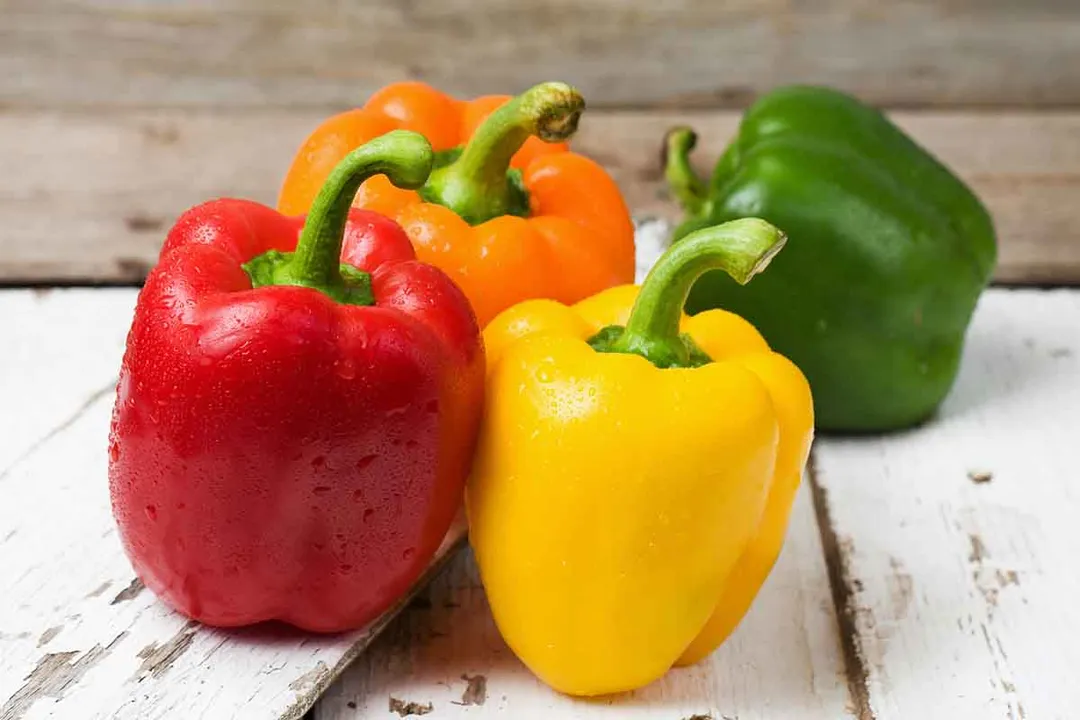
The bell pepper, often relegated to the role of colorful background vegetable in a stir-fry or salad, is actually a nutritional powerhouse disguised in shades of green, yellow, orange, and red. These crisp, sweet vegetables, botanically part of the Capsicum annuum family but lacking the heat of their chili cousins, offer a significant array of vitamins and antioxidants that actively support several key bodily functions. [1][5] Understanding what these vibrant fruits deliver on a nutritional level shows why they deserve a more prominent spot in your daily intake, regardless of which color you choose to chop. [2]
# Nutrient Density

Peppers are remarkably low in calories—a medium raw bell pepper contains only about 30 to 40 calories—making them an excellent food for volume eating and weight management. [1][5] However, what they lack in caloric load, they more than make up for in micronutrient concentration. [1]
# Vitamin C King
The most frequently cited benefit of the bell pepper is its astonishing Vitamin C content. [9] Red bell peppers, in particular, are superstars here. A single medium red bell pepper can easily provide over 150% of the recommended daily intake (RDI) for Vitamin C, often significantly surpassing the amount found in a medium orange. [1][3] This potent antioxidant is essential for protecting cells from oxidative stress, aiding in collagen production for healthy skin and joints, and crucially supporting the immune system. [1][2][9] For perspective, if you consume half a cup of chopped red pepper with your lunch, you are likely meeting or exceeding your entire daily Vitamin C requirement before dinner, something very few other common vegetables can claim to do so efficiently. [1]
# Vitamin A Source
Beyond the immune benefits, Vitamin C also helps the body absorb non-heme iron from plant sources, which is a helpful synergy when pairing peppers with legumes or dark leafy greens. [1] Furthermore, as peppers ripen and turn from green to red, their beta-carotene levels increase dramatically. [1][4] Beta-carotene is a precursor to Vitamin A, which is necessary for good vision, proper immune function, and cell growth. [1] The shift in color signals a significant boost in Vitamin A potential. [4]
# B Vitamins
Bell peppers also contribute meaningfully to other essential vitamins. They are a good source of Vitamin B6, which is important for protein metabolism and red blood cell formation. [1] Folate, another B vitamin, is present and plays a role in healthy cell division. [1] While they contain various other vitamins and minerals, including Vitamin E and small amounts of potassium, the heavy hitters are clearly C and the carotenoids that lead to A. [1][5]
# Eye Protection

When discussing long-term health, particularly the maintenance of vision, bell peppers offer specific compounds highly valued for eye health. [1][8] The magic lies in the carotenoids lutein and zeaxanthin. [1][8]
These two compounds are concentrated in the macula of the eye. [1] They function as internal sunglasses, absorbing harmful high-energy blue light that can damage the retina over time. [1][8] Consuming foods rich in lutein and zeaxanthin is associated with a reduced risk of developing age-related macular degeneration (AMD) and cataracts. [1][8] While sweet potatoes and carrots are often touted for Vitamin A, the specific carotenoid profile in yellow and especially red peppers makes them an outstanding addition to a preventative eye-health diet. [8]
# Color Comparisons
One point of frequent confusion regarding bell peppers is whether the color matters from a health perspective. The short answer is yes, the color is a direct indicator of ripeness and corresponding nutrient profile. [4]
| Color | Ripeness Stage | Key Nutritional Difference |
|---|---|---|
| Green | Unripe | Lower in carotenoids, slightly more bitter flavor [4] |
| Yellow/Orange | Mid-stage Ripe | Increased Vitamin C and beta-carotene |
| Red | Fully Ripe | Highest in Vitamin C, lutein, zeaxanthin, and beta-carotene [1][4] |
Green peppers are simply unripe versions of the red, yellow, or orange peppers. [4] As the pepper matures on the vine, its sugar content rises, making the flavor sweeter, and the levels of protective compounds—like Vitamin C and beta-carotene—increase substantially. [1][4] This means that while all peppers offer benefits, a red pepper provides the maximum antioxidant punch available from that specific plant. [4]
If your grocery cart is often loaded with green peppers because they are cheaper or on sale, recognize that you are still getting a solid dose of Vitamin C and fiber. [1] However, to maximize the benefits related to vision and immune strength, consciously choosing the deeper red, orange, or yellow varieties is the better strategy. Making a point to rotate through the colors ensures you benefit from the full spectrum of carotenoids the plant produces throughout its growth cycle. [4]
# Digestive Health
While vitamins steal the spotlight, the physical structure of bell peppers contributes significantly to wellness, particularly digestive regularity. [5] Peppers, especially when eaten raw, provide dietary fiber. [5] Fiber is crucial for maintaining healthy bowel movements and supporting a balanced gut microbiome. [5] Because they are low in calories and high in water content and fiber, peppers add bulk to meals without adding excessive energy, which aids in satiety and managing overall caloric intake. [1][5]
# Antioxidants and Inflammation
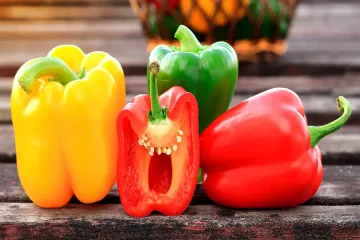
The vibrant colors we see in bell peppers are due to various powerful antioxidant pigments. [4] These compounds work throughout the body to neutralize free radicals—unstable molecules that can cause damage to cells and DNA, contributing to aging and chronic disease. [1]
Red peppers specifically contain high levels of capsanthin, which contributes to their deep red hue and acts as a strong antioxidant. [4] While hot peppers contain capsaicin, the sweet peppers have different, but still beneficial, carotenoids. [4] The cumulative effect of Vitamin C, Vitamin E (present in smaller amounts), and the various carotenoids creates a broad-spectrum defense system within the body. [1][5] This general antioxidant activity is what often leads researchers to link regular pepper consumption to reduced chronic inflammation markers. [2]
# Incorporating Peppers
The best way to reap these benefits is to eat them frequently, but how you eat them matters, especially concerning the heat-sensitive nutrients.
# Raw Versus Cooked
Vitamin C is water-soluble and sensitive to heat. [1] This means that when you boil or heavily simmer bell peppers, a significant portion of their Vitamin C content can leach out into the cooking water or be destroyed by the heat. [1]
To get the maximum Vitamin C boost, consuming peppers raw is ideal. Think of slices dipped in hummus, thin slivers added to sandwiches, or chopped pieces sprinkled over tacos just before serving. [1]
However, cooking is not entirely detrimental. While Vitamin C may decrease, cooking can actually make certain other nutrients, like some carotenoids, more available for your body to absorb—a process sometimes called increased bioavailability. [1] Lightly sautéing or roasting peppers, as opposed to boiling them to mush, offers a good middle ground, softening the texture while retaining much of the nutritional value. If you are primarily aiming for eye health benefits, a quick roast might actually be preferable to eating them completely raw, as the light heat can enhance carotenoid absorption. [1]
# Flavor Profiles and Usage
The shift in sweetness across the colors also influences how we use them in the kitchen, which impacts our intake consistency. Green peppers have a slightly bitter, grassy flavor that holds up well in slow-cooked dishes or robust sauces where their flavor profile blends in. [4] Conversely, the intense sweetness of red and yellow peppers shines when they are the star, such as sliced raw or quickly grilled to caramelize their natural sugars. [4] Experimenting with different colors in the same dish, perhaps using green for the base layer of flavor and red for a raw garnish, is an easy way to ensure variety in your nutrient intake throughout the week. [4]
Bell peppers offer a clear, evidence-backed path to boosting antioxidant intake, supporting immune response, and protecting long-term vision, all wrapped up in a low-calorie, crunchy package. [1][8] Choosing red when possible, and consciously adding them to both raw and lightly cooked meals, ensures you are making the most of this common but extraordinarily beneficial vegetable. [4][9]
#Videos
Bell Peppers 101-Nutrition Facts & Health Benefits - YouTube
Related Questions
#Citations
Bell Peppers 101: Nutrition Facts and Health Benefits - Healthline
Red Bell Pepper Health Benefits & Nutrition - Health Cleveland Clinic
Are there nutritional benefits or drawbacks to eating peppers? Are ...
The Health Benefits of Bell Peppers | AANMC
Eating Peppers: Ingredients, Benefits, and Prep Tips - WebMD
The Amazing Nutritional Qualities of the Red Bell Pepper
What Happens to Your Body When You Eat Bell Peppers Regularly
The Health Benefits of Bell Peppers - Saber Healthcare Group
Top 5 health benefits of peppers - BBC Good Food
Bell Peppers 101-Nutrition Facts & Health Benefits - YouTube