Health Benefits of Habanero Pepper
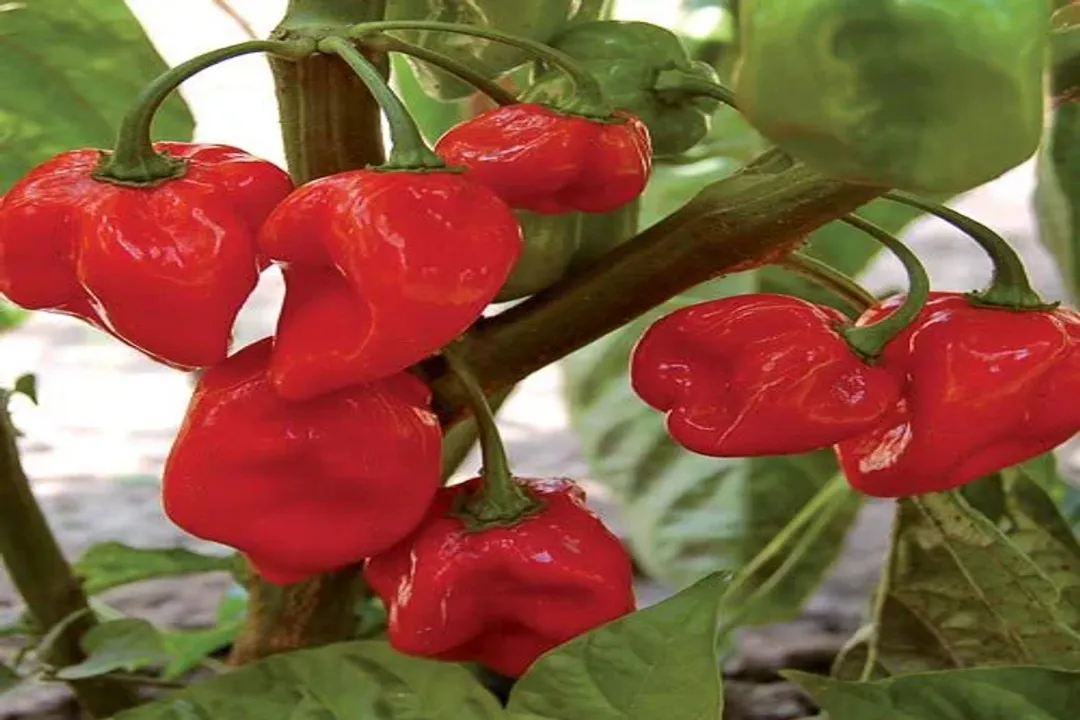
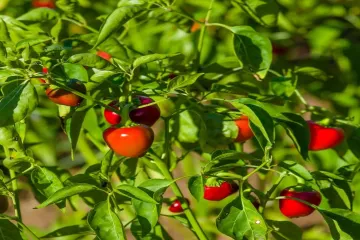
The small, bulbous habanero pepper, often recognized by its vibrant orange or red skin—though sometimes appearing yellow or green—carries a fierce reputation that often overshadows its remarkable profile of wellness incentives. Hailing originally from the Amazon and sometimes named after the Cuban city of La Habana, this variety of Capsicum chinense is now famously cultivated extensively on the Yucatán Peninsula in Mexico. Before even considering its health contributions, it’s important to note its intensity: the habanero typically registers between 100,000 and 350,000 Scoville Heat Units (SHU). To put that scorching number into perspective, the common jalapeño registers closer to 4,000–8,500 SHU, meaning the habanero can be anywhere from twelve to one hundred times hotter. This intense heat is attributed to its main active compound, capsaicin. While this intensity means many prefer to use habaneros primarily as a seasoning, perhaps mixed with salt, garlic, and other spices, incorporating even small amounts can deliver significant nutritional and physiological advantages.
# Capsaicin Power
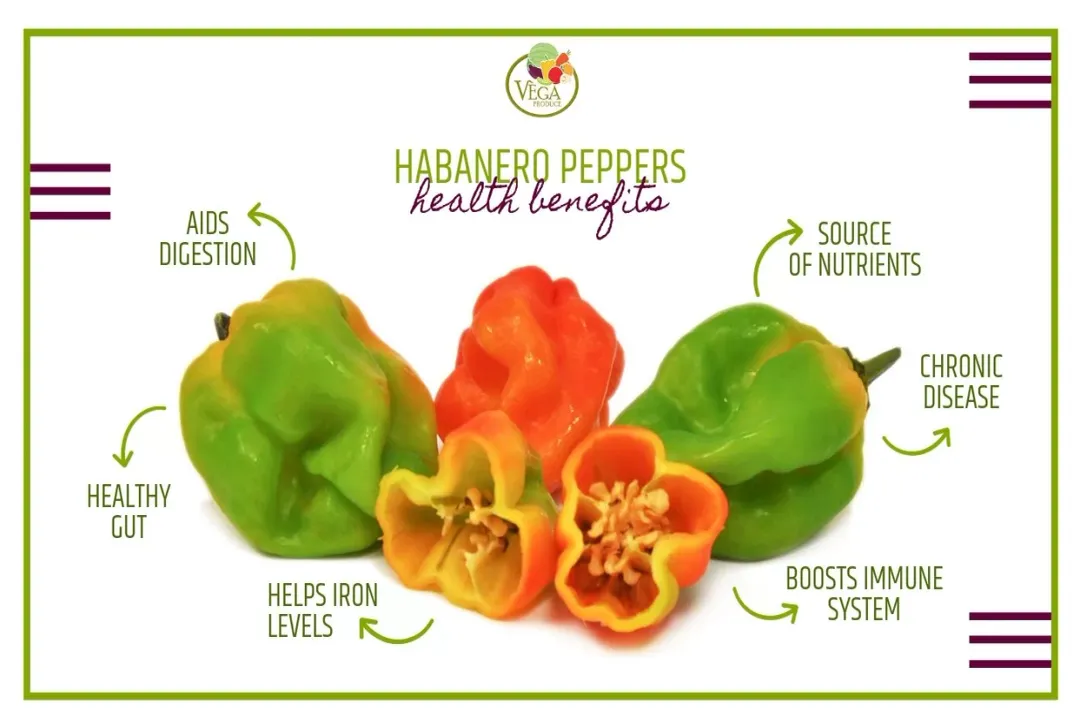
The superstar component driving the majority of the habanero's recognized health effects is capsaicin. This phytonutrient is what bestows that signature spicy kick. Capsaicin is noted for its antioxidant properties, helping to protect the body’s cells from damage. It functions by activating a sensory neuron known as TRPV1. This activation is the root cause of the body’s "flush" sensation, signaling an increase in internal temperature, which sets off a cascade of metabolic effects. Furthermore, the sheer variety in capsaicin content across different Capsicum chinense strains means that the intensity of the heat profile directly correlates with the potential concentration of these beneficial compounds, suggesting that the benefits are inherent to the capsaicinoids present, rather than solely tied to the habanero variety itself.
# Metabolic Boost
One of the most frequently cited advantages of consuming capsaicin-rich peppers like the habanero is their role in weight management. Capsaicin promotes thermogenesis in the body—the process where cells generate heat—which consequently speeds up lipid metabolism and helps the body efficiently burn stored fat. This process can also contribute to controlling appetite and reducing untimely cravings, which supports weight loss efforts for those managing overweight conditions or obesity. Interestingly, research from the Agricultural Research Service (ARS) suggests a specialized benefit related to diabetes management: capsaicinoids, like capsiate found in peppers, have been shown in experiments to reduce the accumulation of fat. This is particularly noteworthy because some antidiabetic drugs, such as pioglitazone or rosiglitazone, can cause weight gain through increased fat storage; the pepper compound might help counteract this adverse effect when taken concurrently.
# Heart Wellness
The cardioprotective traits housed within habaneros stem from their rich content of capsaicin, flavonoids, and carotenoids. These components work together to support the circulatory system. A significant benefit is the reduction of bad LDL cholesterol. Capsaicin antioxidants, even when peppers are added in small quantities to dishes like stews or sauces, effectively help lower these cholesterol levels. Moreover, the peppers may reduce the absorption of lipids and triglycerides within the intestines, helping to regulate overall cholesterol balance and guard against cardiovascular issues like atherosclerosis. The active compounds in the habanero have also been demonstrated to prevent the buildup of fatty deposits and plaque within the blood vessels surrounding the heart. Furthermore, they are noted to facilitate smooth contraction and relaxation of cardiac muscle, ensuring optimal blood flow throughout the body and thereby regulating blood pressure. Scientific findings specifically point to the extremely high capsaicin content as being highly effective in lowering arterial blood pressure, particularly in individuals diagnosed with hypertension or prehypertension. An intriguing observation is that studies showed no corresponding blood pressure change in people whose blood pressure was already within a normal range.
# Vitamins Core
Beyond the specialized compounds, habaneros are nutrient-dense powerhouses, delivering several essential vitamins and minerals. Perhaps the most notable is Vitamin C (ascorbic acid). A single habanero pepper can contain more than 100% of the recommended daily value for Vitamin C. In fact, studies suggest that chili peppers, including habaneros, can surpass citrus fruits like oranges by a ratio of three to one in terms of Vitamin C content per gram. This nutrient is critical for maintaining a strong immune system and aiding the body in healing wounds. The peppers also supply significant Vitamin A (in the form of beta carotene). Vitamin A is necessary for maintaining healthy skin, hearing, and vision, including optimal night vision. Adding to this profile are minerals like potassium, iron, and calcium, as well as folate and magnesium. When considering the nutritional payback, consuming just about three peppers—a portion size that delivers over three times the Vitamin C requirement—offers nearly a quarter of the daily Vitamin A requirement, illustrating how quickly small additions of this pepper can boost dietary intake of essential nutrients.
# Inflammation Pain
The anti-inflammatory capabilities of capsaicin are widely acknowledged, offering benefits across the body, not just in systemic circulation. Capsaicin may help to generally reduce inflammation throughout the body. This property translates into tangible relief for localized discomfort. Capsaicin is a key component in many topical creams, lotions, and patches designed to combat pain associated with arthritis and neuropathy. By creating a heat sensation on the skin, it acts on nerve cells to interfere with the normal transmission of pain signals to the brain. In studies examining joint pain, capsaicin has managed to cut discomfort related to arthritis and fibromyalgia in half over a few weeks, although some research suggests it might be most effective when combined with other pain relievers.
# Diabetes Control
The impact of habaneros on blood sugar regulation is another area receiving significant attention. The combination of capsaicinoids, flavonoids, and carotenoids found in the pepper contributes to reducing insulin resistance and enhancing the function of the pancreas. This synergistic effect is crucial for preventing those sharp, sudden spikes in blood sugar levels that occur after meals, which are strongly implicated in the development of Type 2 diabetes. For individuals already managing Type 2 diabetes, consuming small amounts of habanero regularly may help alleviate existing symptoms. The benefits appear even more pronounced in individuals dealing with obesity, highlighting the interconnectedness of weight management and glycemic control.
# Respiratory Relief
While the initial reaction to eating a habanero might be teary-eyed discomfort, the heat itself can be surprisingly therapeutic for congestion. Habaneros are sometimes credited with helping to relieve symptoms associated with the common cold, specifically targeting respiratory issues. The capsaicin content can act to clear the sinuses and break up congestion in the lungs and nasal passages. This effect is also explored in managing chronic nasal issues; for those suffering from non-allergic rhinitis—a condition causing a persistent runny nose unrelated to colds or allergies—a strong inhalation of capsaicin may eventually calm those symptoms, even if it causes initial smarting.
# Longevity Link
The cumulative effect of these numerous benefits—improved circulation, reduced inflammation, better metabolic health, and high antioxidant intake—may contribute to a longer lifespan. One extensive study indicated that adults who consumed at least one fresh or dried hot red chili pepper monthly over nearly two decades lowered their overall risk of death by 13%. While researchers are still pinpointing the exact mechanism, they suspect that the combination of nutrients and the pepper’s ability to combat obesity and inflammation play a part in this longevity correlation.
Incorporating high-heat peppers into one’s diet requires a measured approach. Because the benefits are tied to capsaicin, which is fat-soluble, there is a practical application beyond just mitigating the burn after consumption. To potentially maximize the absorption of these beneficial compounds or reduce immediate digestive stress, consider pairing your diced habanero or sauce with a source of healthy fat, such as mixing it into a fresh avocado-based salsa or drizzling it over a salad dressed with olive oil, rather than consuming it in isolation or with just water—which, of course, does nothing to dissolve the capsaicin after a fiery bite. This intentional pairing helps ensure the fat-soluble components are properly processed by the body. Though the intense heat makes eating them whole an occasional dare, treating the habanero as a potent seasoning ingredient ensures consistent, manageable exposure to this versatile and fiery health promoter. Furthermore, the antimicrobial nature of hot peppers is being examined by manufacturers as a potential replacement for artificial preservatives in packaged foods, suggesting its protective qualities extend even to food safety.
Related Questions
#Citations
3 SPICY Health Benefits of the Habanero Pepper!
Habanero: Spectacular Health Benefits Of This Spicy Chili Pepper
Habanero Peppers Benefits - Vega Produce: Eat Exotic, Be Healthy
Health Benefits of Hot Peppers - WebMD
Holy Habaneros - The Pickled Pepper People
4 Benefits of Eating Habanero Peppers - EcoWatch
Health benefits of chili's : r/HotPeppers - Reddit
Hot News About the Health Benefits of Chilis | AgLab