Health Benefits of Hot Pepper

The vibrant heat radiating from a hot pepper is more than just a temporary sensation; it signals the presence of potent chemical compounds that have captured the attention of researchers across various health disciplines. The defining characteristic, the fiery kick, is attributed primarily to capsaicin, a phytonutrient found in the Capsicum family, which is responsible for many of the reported therapeutic and physiological effects. While chili peppers have been used for millennia both as a seasoning and a traditional medicine, modern investigation seeks to solidify the evidence behind anecdotal reports, especially concerning long-term health outcomes.
# Metabolic Boost
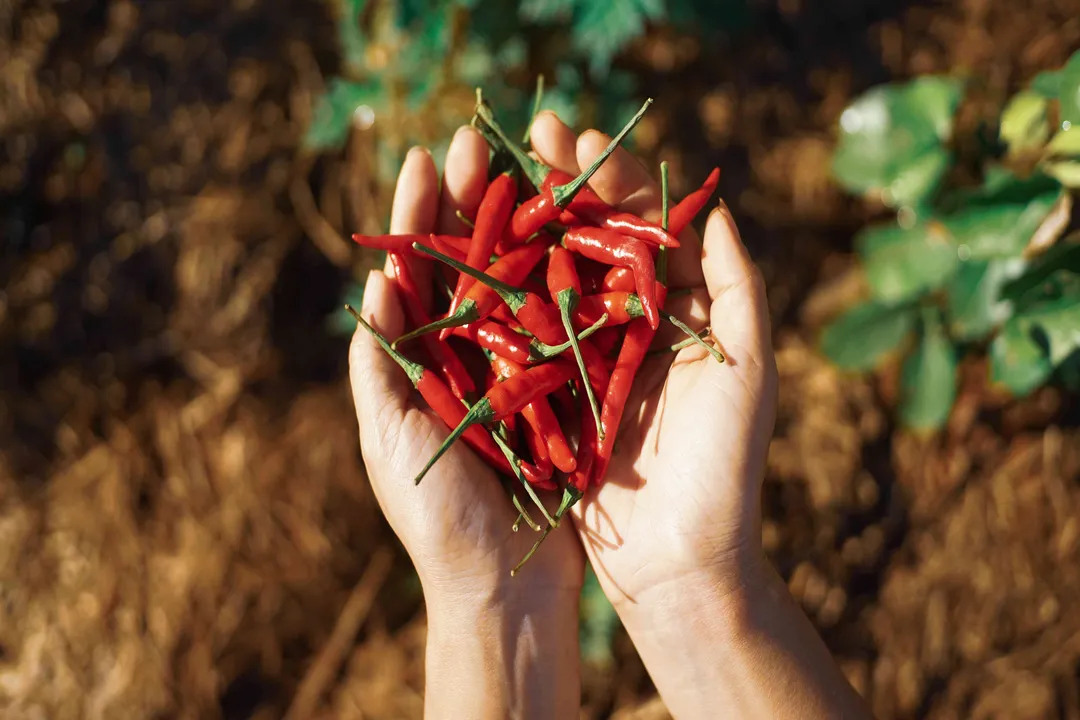
One of the most frequently discussed benefits associated with consuming hot peppers involves metabolism and weight management. Capsaicin triggers a sensory neuron known as TRPV1. This activation can increase the rate at which the body generates heat—a process called thermogenesis—which naturally requires energy expenditure and thus burns calories. This metabolic uptick may also play a role in weight control by increasing feelings of fullness and suppressing appetite later in the day, particularly if peppers are consumed at breakfast. Some research suggests capsaicin may even alter specific proteins that combat fat accumulation.
However, the evidence here is not entirely straightforward. Some studies have found no significant effect on calorie intake or fat burning when capsaicin is consumed. Furthermore, it seems that tolerance to these thermogenic effects can develop over time, potentially limiting their effectiveness for regular, high-volume consumers. An umbrella review synthesizing numerous studies noted a negative connection between pepper intake and obesity in some analyses, suggesting that while the mechanism points toward benefit, population-level findings require more context. For instance, some researchers debate whether the benefit comes purely from the capsaicin or from behavioral changes, such as chewing more slowly to brace for the spice, which leads to reduced overall calorie intake.
# Signal Scrambling
The interaction between capsaicin and the nervous system offers several significant avenues for therapeutic application, primarily concerning pain management. Capsaicin works by binding to pain receptors, specifically activating the TRPV1 receptor, which normally signals pain or intense heat. This initial "hot" signal is intense, but over time and with consistent stimulation, these nerve cells can become desensitized. This desensitization can extend to other types of pain signals, including those associated with neuropathy and even heartburn from acid reflux.
Medically, capsaicin is FDA-approved in topical forms for treating conditions like diabetic peripheral neuropathic pain. In conditions such as arthritis or fibromyalgia, topical capsaicin creams or patches have been shown in some studies to cut discomfort significantly, although results can be less convincing unless coupled with other treatments. Users anecdotally report that consuming hot peppers can temporarily override the focus on a migraine, as the brain shifts attention to the overwhelming heat sensation. A key factor in this mechanism, discussed by scientists, is capsaicin's proven ability to block or reduce the production of Substance P, a known chemical messenger for pain.
# Lifespan Potential
The idea that a regular dose of spice could contribute to longevity is compelling. Large-scale observational studies have hinted at a correlation between regular hot pepper consumption and a reduced risk of premature death. One review indicated that adults consuming at least one fresh or dried hot red chili pepper per month over nearly two decades showed a 13% lower chance of death. Similarly, another meta-analysis reported that regular consumers were about 25% less likely to die sooner than expected, with cardiovascular mortality and cerebrovascular accident deaths also showing lower risks in some assessments.
This potential longevity boost is likely linked to capsaicin’s anti-inflammatory properties and its role in fighting obesity, both of which are long-term risk factors for major diseases. However, this finding contrasts with some other aspects of the umbrella review, which reported negative connections between spicy food intake and overall mortality in certain analyses, underscoring the complexity of drawing simple conclusions from diverse epidemiological data. Activation of TRPV1 receptors also suggests a mechanism for cardiovascular protection.
# Inside the Pepper
Beyond capsaicin, hot peppers are dense packages of beneficial micronutrients and plant compounds, even when consumed in small quantities as a spice. While the total contribution to a daily intake might be small due to serving size, the concentration of certain elements is notable. For example, hot peppers can contain three times the amount of Vitamin C found in oranges. They also provide significant amounts of Vitamins A, B6, and E. Vitamin A, derived from beta carotene, is crucial for vision, while Vitamins C and E act as antioxidants, protecting cells from damage.
Chili peppers are also rich sources of antioxidant carotenoids, such as capsanthin (which gives red peppers their color), violaxanthin, and lutein (more prevalent in green peppers). Other beneficial compounds include sinapic acid and ferulic acid, both carrying antioxidant potential. The antioxidant content tends to be significantly higher in mature, red peppers compared to their immature, green counterparts.
# Cancer Correlation
The relationship between chili peppers and cancer is perhaps the most contested area of research, showing a clear duality depending on the study type. In vitro (test-tube) and animal studies frequently point toward a protective effect, with capsaicin showing the ability to kill cancer cells linked to types like colon, liver, lung, and pancreatic cancer, sometimes by altering cancer-related genes. Furthermore, capsaicin has been shown to induce apoptosis (cell death) in high concentrations.
In stark contrast, large-scale human observational studies reviewed have found direct correlations between high spicy food and pepper intake and an increased risk of certain cancers, specifically esophageal, gastric, and gallbladder cancers. This discrepancy strongly suggests that dosage is a critical, perhaps deciding, factor. For instance, one analysis showed a significant nonlinear relationship between gastric cancer risk and capsaicin intake, implying that a moderate amount might behave differently than a very high intake. Moreover, the presence of potential contaminants in some spicy foods, such as aflatoxin, can further complicate the interpretation of these epidemiological findings.
# Gut Comfort
For many who enjoy the burn, hot peppers are surprisingly helpful for the digestive system. Capsaicin can act as an anti-irritant by stimulating gastric juices and saliva, which may aid overall digestion. Some long-term studies suggest that chili consumption can lead to a beneficial increase in microbiome diversity, which supports immune function and digestion. Small studies on individuals with heartburn showed that daily consumption of red chili peppers, despite initial worsening, led to improvement over several weeks, possibly due to pain receptor desensitization.
However, this comfort is not universal. For individuals with pre-existing gastrointestinal sensitivity, such as those with Irritable Bowel Syndrome (IBS) or severe acid reflux, high consumption can lead to adverse events like abdominal pain, cramping, and diarrhea. Experts caution that while capsaicin is often blamed, other ingredients in spicy dishes might also be the culprit for discomfort. Therefore, anyone prone to GI distress is advised to proceed with moderation or avoidance.
# Handling Heat
If you are new to the intensity of chili peppers, jumping straight into the higher end of the Scoville Heat Unit (SHU) scale, which measures capsaicin content, is inadvisable. A gradual introduction is the wisest approach; start slowly, perhaps by incorporating milder peppers like poblanos or by simply sprinkling chili flakes into familiar foods like pasta sauce or oatmeal.
If an accidental burn occurs, whether in the mouth or on the skin, water is not the correct response for the mouth, as it can spread the oil-based capsaicin around. The fat content in milk—or even dairy alternatives—is far more effective at dissolving the capsaicin and providing relief. For skin or eye contact, flushing with warm water and applying a cool compress can mitigate redness and pain.
It is interesting to note the difference in preparation methods and their potential impact. Research suggests that eating peppers raw or lightly cooked is optimal for preserving key components like capsaicin and Vitamin C. Conversely, other data shows that roasting might enhance beneficial polyphenols and flavonoids. A practical approach synthesizes these findings: use fresh-diced peppers in cold applications like salsa or salad dressings to maximize the raw nutrient profile, while simultaneously incorporating lightly sautéed or roasted peppers into cooked meals to balance flavor and leverage potential benefits from heat processing. Another practical consideration for flavor seekers is that discarding the seeds, which carry a high concentration of heat but few nutrients, can allow you to enjoy the pepper's fruity base with less immediate burn.
# Cautionary Notes
While the potential health upsides—from metabolic support to pain relief—are considerable, the overall scientific consensus remains nuanced. An extensive umbrella review concluded that the health effects of spicy food consumption across the spectrum are uncertain, and critically, the level of available evidence quality is often low, with nearly 44% of evidence graded as "very low" or "low" quality. The lack of consistent, high-quality, dose-specific research across all reported health outcomes means that while many enjoy them safely, definitive clinical recommendations are difficult to establish.
Consuming excessive quantities can lead to acute adverse effects like nausea, vomiting, and severe gut distress, particularly for those unaccustomed to high levels of spice. Furthermore, the evidence suggesting a positive link between high intake and cancers like gastric or gallbladder cancer warrants prudence, especially if relying heavily on concentrated spice powders versus whole, fresh peppers. Anyone with existing digestive sensitivities should pay close attention to their body's reaction before incorporating high levels of heat into their daily routine.
#Videos
How Hot Peppers May Extend Your Life - YouTube
Related Questions
#Citations
Health Benefits of Hot Peppers - WebMD
10 Amazing Health Benefits to Eating Hot Peppers [Scientifically ...
Spicy Food and Chili Peppers and Multiple Health Outcomes - NIH
Hot Peppers: Types, Benefits, Risks - Health
The many benefits of spicy foods - Mayo Clinic Primary Care
health benefits : r/HotPeppers - Reddit
How Hot Peppers May Extend Your Life - YouTube
Chili Peppers 101: Nutrition Facts and Health Effects - Healthline
The unexpected benefits of eating hot peppers - Advisory Board