Health Benefits of Red Bell Pepper
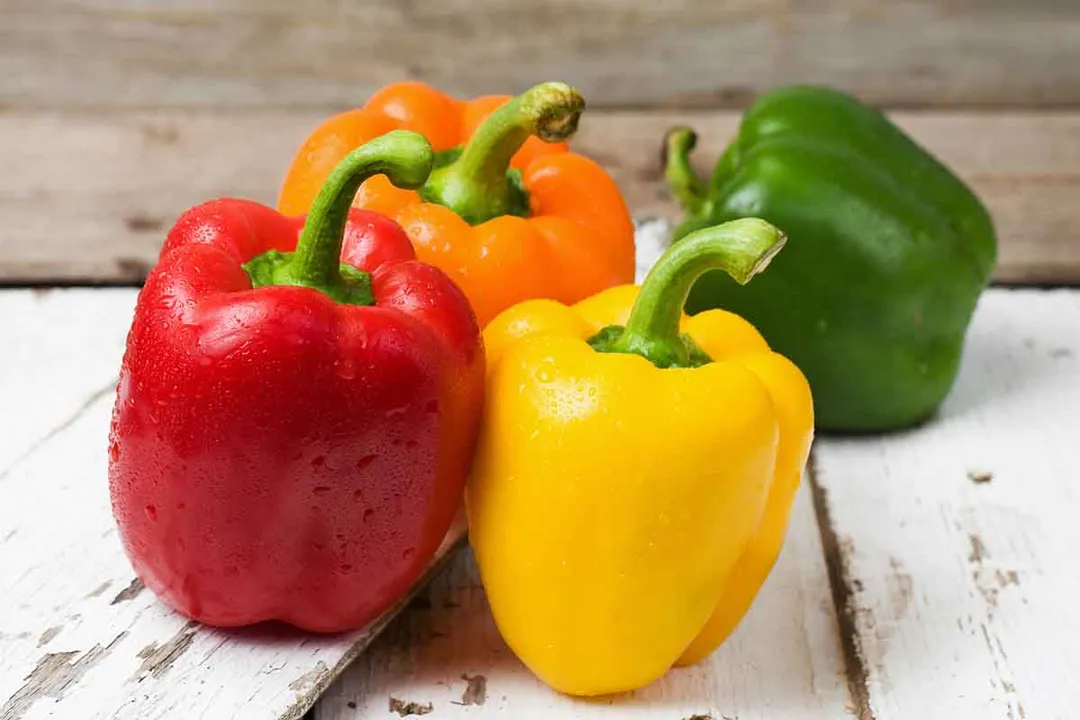
The vibrant red bell pepper, often recognized for its sweet crunch, is far more than just a colorful addition to a salad or stir-fry; it stands out as a nutritional giant among common vegetables. [3] These fruits, which ripen to their signature red hue, represent the peak of flavor and nutrient concentration compared to their green or yellow counterparts. [10] Moving past simple aesthetics, understanding what these peppers actually deliver to the body reveals why they deserve a consistent spot in your regular rotation, offering benefits that touch everything from your immune defenses to your eyesight.
# Vitamin C King
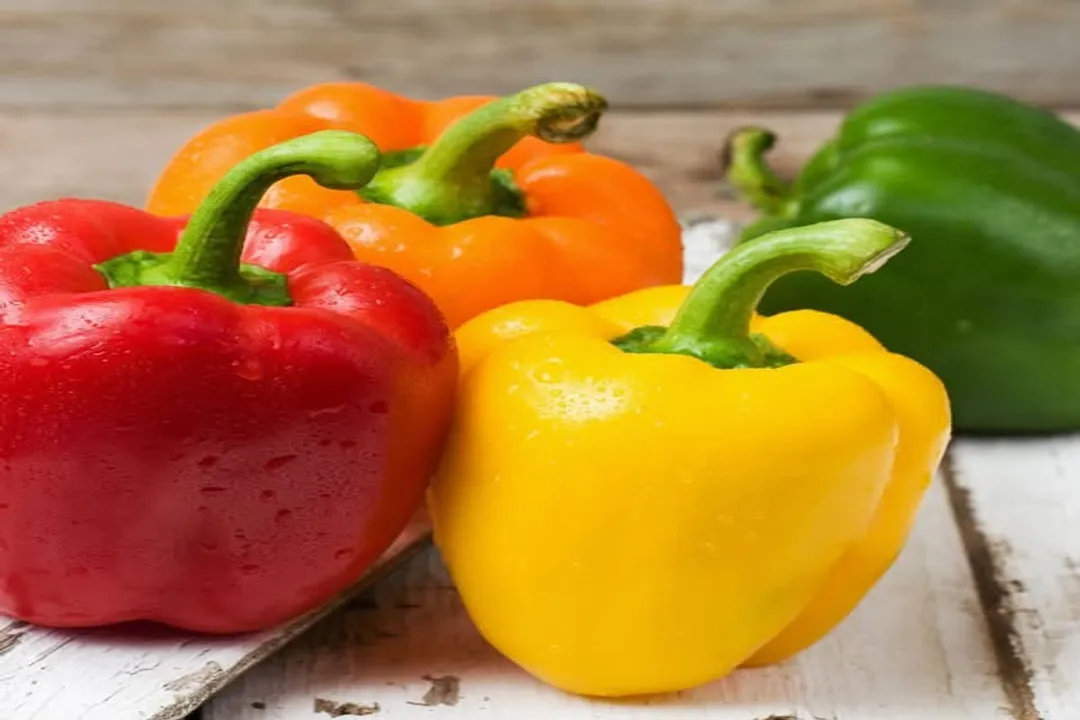
When discussing the health contributions of red bell peppers, the conversation invariably starts with their staggering Vitamin C content. [1][3] It is widely noted that a single red bell pepper can contain several times the amount of Vitamin C found in an average orange. [1][2] This massive dose of ascorbic acid plays several critical roles internally. As a powerful antioxidant, it helps shield cells from damage caused by unstable molecules known as free radicals. [5][7] Beyond this protective action, Vitamin C is absolutely necessary for the body to synthesize collagen, the structural protein essential for healthy skin, tendons, ligaments, and blood vessels. [1][2][5] Furthermore, consuming Vitamin C alongside plant-based iron sources significantly enhances the body's ability to absorb that iron, making red peppers an excellent partner for lentils or spinach in a meal. [2]
# Eye Protection

The deep, rich red pigment in these peppers signals a substantial concentration of specific fat-soluble compounds vital for ocular health. [1][3] Specifically, red bell peppers are packed with Vitamin A (primarily as beta-carotene). [1][3] This nutrient is crucial for maintaining good vision, especially in low light conditions. [5] More targeted are the carotenoids lutein and zeaxanthin, which accumulate in the macula of the eye. [2][3] Current nutritional understanding suggests that adequate intake of these two compounds can help filter out harmful blue light and may decrease the long-term risk of developing age-related macular degeneration and cataracts. [1][5]
# Antioxidant Profile

The bright coloration is a direct indicator of high levels of beneficial plant compounds known as carotenoids. [3] While Vitamin C handles water-soluble protection, carotenoids manage the fat-soluble defenses. Red peppers are particularly rich in capsanthin, which gives them their distinctive color, and capsorubin. [3] These compounds, along with beta-carotene, act as strong antioxidants, neutralizing threats throughout the body. [3] A diet incorporating a variety of colorful peppers ensures a broad spectrum of these protective phytochemicals, offering wide-ranging systemic support against oxidative stress. [7]
# Mood Support
Beyond the well-known vitamins, red bell peppers contribute to mental and neurological well-being through their B vitamin profile. They are a decent source of Vitamin B6 and folate (B9). [3][5] These B vitamins are essential precursors in the synthesis of key neurotransmitters. For instance, B6 is required for converting L-tryptophan into serotonin, often called the "feel-good" chemical, which regulates mood. [1][3] Folate also assists in producing neurotransmitters and is linked to regulating sleep cycles, partly because of its role in melatonin production. [3] Ensuring adequate intake of these nutrients, readily available in fresh red peppers, supports a more stable emotional baseline and better rest.
# Heart Wellness
Incorporating red bell peppers into a balanced diet supports cardiovascular function through multiple pathways. Their high potassium content can help manage blood pressure by counterbalancing the effects of sodium. [5] The presence of fiber contributes to digestive regularity and can also play a part in managing cholesterol levels by binding to cholesterol in the digestive tract. [3][5] Furthermore, the potent antioxidant activity works to protect blood vessel linings from inflammatory damage, which is a key factor in the development of atherosclerosis. [2] While no single vegetable is a cure, consistent consumption contributes positively to maintaining healthy lipid profiles and circulation.
# Color Matters Ingredient Comparison
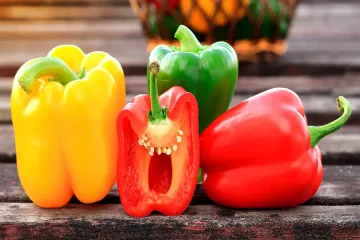
It is worth noting that the nutritional differences between the colors of bell peppers are not minor; they reflect stages of maturity. Green peppers are simply unripe peppers, and as they mature to yellow, orange, and finally red, the nutritional composition shifts dramatically. [10] For example, a serving of red bell pepper contains substantially more Vitamin A and C than the same amount of green bell pepper. [10] A fun way to think about this when planning meals is to use this data point practically: if you are cooking a dish, such as a vegetable curry, that contains iron-rich beans, intentionally load it with red peppers rather than green ones. You are not just adding sweetness; you are actively engineering the meal to increase your body’s ability to absorb the iron present, turning a standard side into a targeted nutritional boost. [2]
# Everyday Integration
The inherent sweetness of the fully ripened red bell pepper makes it incredibly versatile, which helps maintain consistency in consumption. Unlike its greener cousin, which can carry a slightly bitter or vegetal edge, the red variety is palatable raw, making it excellent for snacking. [1] An easy habit to cultivate is preparing a tray of sliced red, yellow, and orange peppers on a Sunday evening. Stored in an airtight container in the refrigerator, these ready-to-eat slices become an immediate grab-and-go snack, far surpassing processed alternatives. [1][5] Due to the fact that Vitamin C is water-soluble and sensitive to heat, the best way to maximize its intake is to consume the peppers raw, such as in salads or dipped in hummus. When cooking, adding them near the end of the process, or lightly steaming them, preserves more of their delicate vitamins compared to prolonged boiling or roasting, though cooking does make the carotenoids more bioavailable. [1]
The diversity in flavor profiles—from the slightly vegetal green to the sugary sweet red—means you should use the pepper that best suits your palate for that particular meal, ensuring you never skip the vegetable entirely. If you are making a quick, fresh salsa, the raw sweetness of the red pepper shines. If you prefer a deep, caramelized flavor, roasting a batch until the sugars begin to brown brings out a smoky depth that green peppers never quite achieve. [1] This simple adaptability ensures that incorporating these nutrient-dense vegetables remains an enjoyable habit rather than a chore.
Related Questions
#Citations
Red Bell Pepper Health Benefits & Nutrition - Health Cleveland Clinic
Red Pepper: Health Benefits, Nutrition, and Uses - WebMD
Bell Peppers 101: Nutrition Facts and Health Benefits - Healthline
The Health Benefits of Bell Peppers | AANMC
The Amazing Nutritional Qualities of the Red Bell Pepper
What Happens to Your Body When You Eat Bell Peppers Regularly
Top 5 health benefits of peppers - BBC Good Food
The Health Benefits of Bell Peppers - Saber Healthcare Group
What Happens to Your Body When You Eat Bell Peppers Regularly
Not all bell peppers are created equal; some colors pack more ...