Health Benefits of Red Onion

The deep, vibrant purple hue of a red onion is more than just an attractive quality for garnishing salads or brightening up a summer sandwich; that color signals a powerful concentration of beneficial plant compounds largely responsible for the vegetable's impressive health profile. While all onions offer nutritional value, the red variety often steps into the spotlight due to its specific composition, making it a staple worth understanding beyond simple culinary flavoring. [3][8] They are part of the Allium family, sharing space with garlic, shallots, and leeks, a group renowned for centuries for medicinal properties rather than just adding zest to a meal. [4] Integrating these pungent bulbs into your daily intake can support several bodily systems, often in ways that complement modern medicine. [1][7]
# Core Nutrients

Onions are wonderfully low in calories, meaning you can enjoy their flavor and associated benefits without significantly impacting your energy intake. [1] A medium raw onion, for instance, contains very few calories but delivers a decent amount of essential vitamins and minerals. [5] You’ll find significant amounts of Vitamin C, which is vital for immune function and collagen production, as well as B vitamins like B6 and folate, which are necessary for metabolism and cell function. [1][7] Furthermore, onions provide potassium, an electrolyte important for fluid balance and nerve signaling. [2] However, the true nutritional star power of the onion lies not in these common vitamins but in its unique collection of sulfur compounds and flavonoids. [4][6]
# Antioxidant Strength
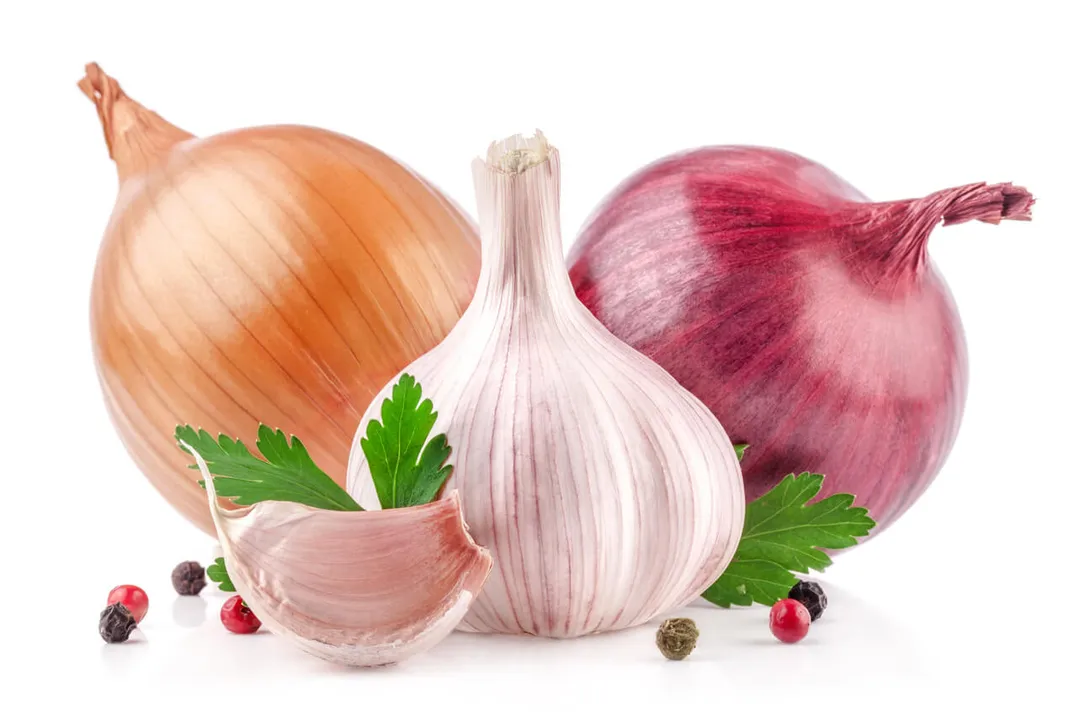
The presence of numerous antioxidants is a primary reason health experts suggest regularly consuming onions. [1] These compounds work by neutralizing unstable molecules called free radicals, which can cause oxidative stress and damage cells over time. [7] The red onion, specifically, owes its rich color to anthocyanins, a class of flavonoid pigments that are potent antioxidants. [3] These same pigments give berries their dark coloring. [8] Beyond the anthocyanins, onions are a significant source of quercetin, a flavonoid known for its strong anti-inflammatory and antioxidant capabilities. [1][6] It is interesting to note that red onions tend to contain higher levels of these beneficial compounds compared to their white or yellow counterparts, making the red variety a more targeted choice when seeking these specific health boosts. [3]

# Inflammatory Response

Chronic, low-grade inflammation is increasingly linked to numerous long-term health issues. Quercetin, abundant in red onions, has demonstrated significant abilities to modulate the body's inflammatory responses. [1][6] Studies have shown that quercetin can inhibit the release of compounds that trigger inflammation. [7] This action is not limited to just the bulb; onion powders and extracts, often standardized for their quercetin content, are frequently studied for this very reason. [9] By helping to keep inflammatory markers in check, regular onion consumption contributes to overall cellular health and protection against long-term systemic issues. [5]
# Heart Support

The benefits of onions extend clearly to cardiovascular wellness, touching upon several risk factors for heart disease. [1][2] The sulfur compounds present in onions, such as thiosulfinates, are believed to help reduce high blood pressure. [4] Furthermore, quercetin has a positive effect on blood vessel health, potentially helping to keep them relaxed and responsive. [6] Some research also suggests that compounds found in onions can help lower LDL (bad) cholesterol levels, which is a key factor in preventing plaque buildup in the arteries. [1][2] When thinking about building a heart-protective diet, incorporating a half cup of raw red onion slices into a daily salad or sandwich offers a straightforward way to introduce these supportive elements. [5]
It's worth noting how the preparation method changes the accessibility of these heart-healthy compounds. While raw consumption preserves the delicate sulfur compounds that may impact blood clotting and blood pressure, a slightly cooked onion still retains a substantial amount of quercetin, though the total concentration may decrease slightly with prolonged heat exposure. [6] To maximize the uptake of quercetin, consider pairing your onions with a healthy fat source, like olive oil or avocado, as this flavonoid is fat-soluble and absorption is significantly improved when consumed alongside dietary fats. [1]

# Digestive Health
Onions are not just about fighting internal damage; they also assist the machinery that keeps things moving smoothly: the digestive tract. [1] They are a good source of prebiotic fiber, specifically fructans and inulin. [1][6] These types of fiber are indigestible by human enzymes, meaning they travel to the large intestine where they serve as food for beneficial gut bacteria. [7] A thriving gut microbiome is connected to everything from improved immunity to better mood regulation. [4] By feeding the "good" bacteria, onions help maintain a balanced gut ecosystem, which is a cornerstone of overall well-being. [5]
# Blood Sugar Regulation
Managing blood sugar is another area where onions show promise, particularly for individuals concerned about insulin sensitivity or managing diabetes. [2] Sulfur compounds in onions, such as S-methylcysteine, have been studied for their potential role in assisting with blood sugar control. [4] Some research indicates that onion extracts may help lower blood sugar levels, possibly by affecting the way the body uses glucose. [1][9] While this is an area requiring more clinical confirmation, incorporating them into carbohydrate-containing meals might offer a slight buffering effect due to their fiber and compound profile. [5]

# Potential Against Harmful Cells
The high antioxidant content, particularly quercetin, positions red onions as a food item that may help protect against certain cancers. [1][5] Flavonoids in onions have been investigated for their capacity to slow the growth and promote the death of abnormal cells in laboratory settings. [7] The effectiveness is likely due to their ability to combat the oxidative stress that can initiate cancerous changes, as well as their anti-inflammatory actions. [9] The presence of organosulfur compounds also contributes to this protective effect, acting alongside the flavonoids to offer broad-spectrum cellular defense. [4]
# Traditional Uses Spotlight
Beyond the modern scientific gaze, red onions have a long history in folk medicine, often combined with other natural ingredients for specific ailments. [8] A very common traditional preparation involves mixing chopped or juiced red onion with honey. [10] Honey itself possesses antimicrobial properties, and when combined with the onion's compounds, this mixture has been historically used as a remedy to soothe coughs and support respiratory health. [10] This pairing showcases how traditional wisdom often identified beneficial interactions between readily available natural substances. [8] This simple, two-ingredient concoction represents a quick, accessible way to utilize the red onion's unique properties when you feel a bit run down. [10]
When you consider adding red onions to your daily routine, remember that the stronger the flavor, often the higher the concentration of beneficial sulfur compounds. If you are preparing them for a dish where their pungency might dominate, like a slow-cooked stew, you can still benefit from the nutrients, but you might miss out on the full scope of the raw, potent compounds that are more easily destroyed by prolonged heat. [6] Therefore, a balanced approach—some raw for maximum antioxidant impact and some cooked for flavor and accessibility—serves the body best. This allows you to reap the rewards of both the quercetin-rich raw layer and the deeper, caramelized compounds that develop during cooking. [3]
Related Questions
#Citations
Onion Benefits: Nutrients, Antioxidants, and Cooking Ideas - Healthline
Onions: Health Benefits and Nutrition - WebMD
Red Onion Vs. White Onion: Which Is Healthier, According to Dietitians
How Onions and Garlic Can Boost Your Health
10 Health Benefits of Onions - Spice World Inc
Top 10 health benefits of onions - BBC Good Food
Stop the Tears: Why Onions Are Good for You
The Benefits of Red Onions - Wild Pear kitchen
Onions--a global benefit to health - PubMed
Honey and Red Onions are a Potent Natural Remedy. - Vegas Bees