Health Benefits of Red Cabbage
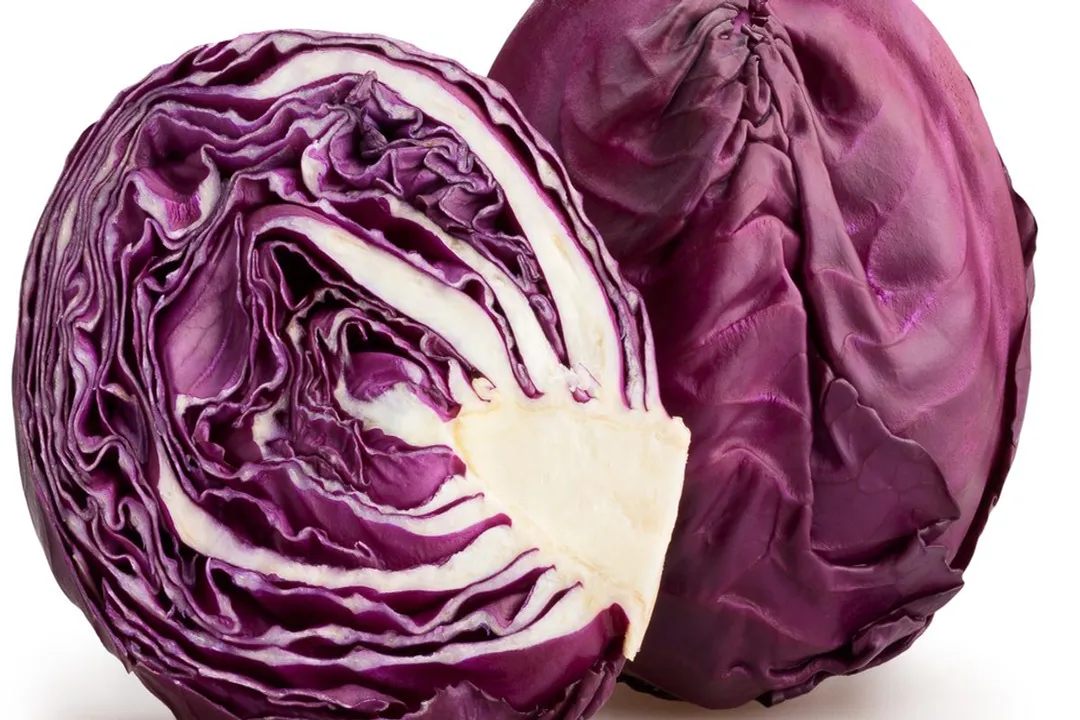
The vibrant, deep purple hue of red cabbage is more than just an aesthetic draw for the salad bowl or side dish; it signals a concentrated package of health-promoting compounds that set it apart from its greener cousins. [2][3] Belonging to the Brassica family—the same group that includes broccoli and kale—this vegetable is readily available and remarkably versatile, yet often overlooked in favor of more widely publicized superfoods. [2][4] Integrating this crunchy crucifer into your regular diet offers tangible support for several major body systems, from the cardiovascular network to the complex environment of your gut. [2][3]
# Color Compounds
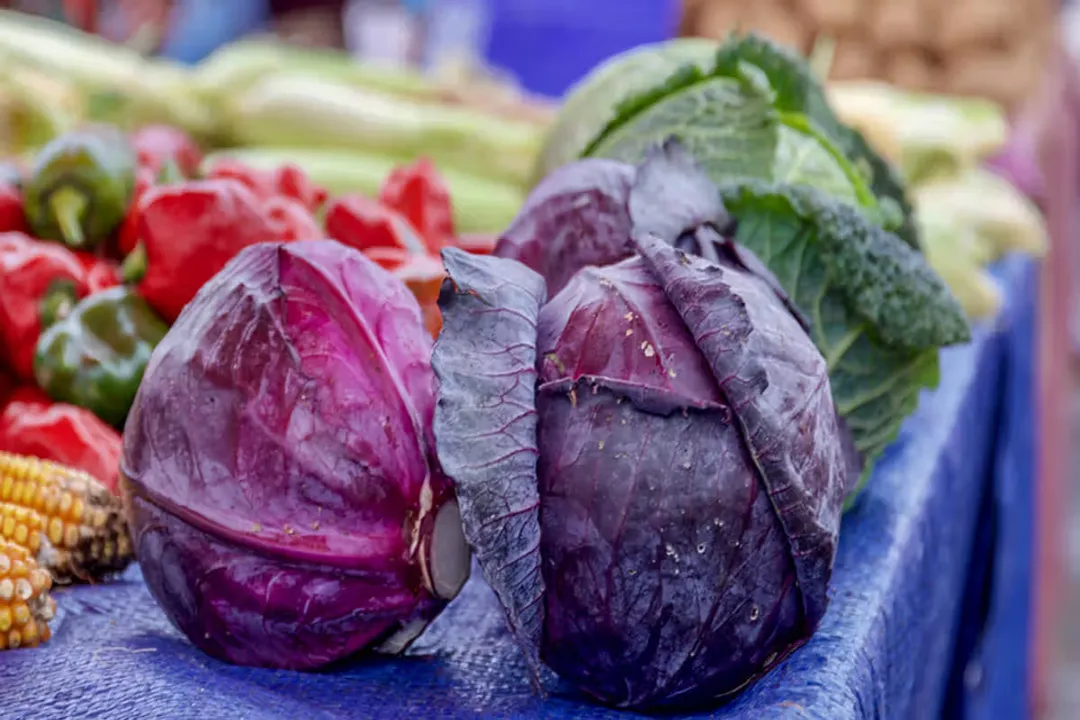
The stunning coloration of red cabbage is the visual giveaway to its rich composition. [2] This deep reddish-purple color comes from pigments called anthocyanins. [2][3][4] These pigments are potent flavonoid antioxidants, and red cabbage is exceptionally well-endowed with them. [3] In fact, research suggests that the antioxidant levels in purple cabbage varieties can be around four and a half times higher than those found in typical green cabbage. [3]
The complexity of these beneficial pigments is quite high. Scientific analysis has identified more than 36 different types of anthocyanins within red cabbage, often based on a core structure like cyanidin 3-diglucoside-5-glucoside. [3] These anthocyanins are frequently acylated—chemically modified—with various acids such as caffeic, -coumaric, ferulic, and sinapic acids, which further influences their activity in the body. This concentration of unique, colorful compounds is a primary reason why red cabbage often shows superior protective effects compared to plain green varieties in comparative studies. [3]
# Antioxidant Power
The primary role attributed to the high antioxidant content in red cabbage is the neutralization of cellular damage caused by oxidation. [2] Oxidation is a natural process, but excessive amounts can stress cells and contribute to aging and disease. [2] Beyond the anthocyanins, red cabbage provides other key antioxidants, including Vitamin C and various carotenoids. [2]
When looking specifically at red cabbage juice in laboratory models, studies have confirmed its impressive capability to protect cells against induced oxidative injury. This protective quality is not just theoretical; it has been demonstrated in whole-organism models where red cabbage juice significantly enhanced survival rates when the subjects were deliberately exposed to damaging agents like paraquat, which induces oxidative stress.
# Inflammation Fighters
Inflammation is a root cause implicated in a host of modern diseases, and red cabbage appears to possess significant anti-inflammatory potential. [2][3] A key player in this action is sulforaphane, a sulfur-rich plant compound abundant in cruciferous vegetables like red cabbage. [2][3] This compound is activated upon the mechanical breakdown of the vegetable—meaning when you chop, chew, or crush it, you release its most potent form. [2]
Laboratory testing using models of the human gut lining found that certain varieties of purple cabbage could decrease markers of gut inflammation substantially. [3] Furthermore, the topical application of cabbage leaves has historically been used to address localized inflammation, with studies noting a reduction in pain and swelling associated with conditions like arthritis or postpartum breast engorgement. [3]
# Cardiovascular Support
The rich supply of anthocyanins in red cabbage contributes directly to supporting cardiovascular function. [2][4] Diets that regularly include foods high in these compounds have been associated in epidemiological studies with a reduced risk of heart disease and lower blood pressure when compared to diets low in them. [3][4] Given that red cabbage is an excellent and cost-effective source of these specific heart-healthy flavonoids, its inclusion is a practical step toward preventative eating. [3]
# Digestive Wellness
Keeping the digestive system running smoothly requires adequate fiber, and red cabbage delivers a good amount, composed of both insoluble and soluble varieties. [2][4] The insoluble type adds bulk to waste, assisting food passage and reducing the chance of constipation. [2][4]
The remaining portion, soluble fiber, serves as a prebiotic—food for the beneficial bacteria residing in the gut. [2][4] When these healthy microbes feast on this fiber, they produce valuable byproducts called Short-Chain Fatty Acids (SCFAs), such as butyrate. [2] These SCFAs are crucial, influencing not only gut health but wider systemic well-being. [2] Moreover, compounds within the cabbage, specifically isothiocyanates, appear to encourage gut bacteria to produce these beneficial SCFAs. [2] While older research suggested that consuming large amounts of cabbage juice could help heal gut ulcers, more contemporary studies would be needed to confirm this specific application. [3]
# Skeletal Strength
Maintaining a sturdy bone structure requires a steady supply of several key micronutrients, many of which are present in red cabbage. [3] It is a notable source of both Vitamin C and Vitamin K1. [3][4] Vitamin C plays an active role in the process of bone formation. [3] Meanwhile, Vitamin K1, which is found in plant foods, is recognized for its role in helping to maintain existing bone structure and health. [3] In addition to these vitamins, red cabbage provides smaller, but still helpful, amounts of bone-supportive minerals like calcium, manganese, and zinc. [3]
When considering how to maximize the benefits of these bone-supporting vitamins, preparation matters. While raw consumption retains the highest level of most nutrients, cooking can slightly degrade heat-sensitive vitamins like C. [3][2] A smart approach to preparation is to incorporate shredded raw cabbage into a final dish like a warm grain bowl or to lightly steam it rather than boiling it extensively. This method offers a pleasant softening of the texture, making it easier to eat a larger volume, while minimizing the exposure time to high heat, thereby preserving more of the heat-labile vitamins and the precursors to sulforaphane. [2]

# Cognition Boost
The protective effects of red cabbage extend to the brain, largely due to its anthocyanin content. [4] Some studies have linked regular, high intake of anthocyanin-rich foods to better blood flow in specific brain regions responsible for language, attention, and memory. [4] For older adults experiencing mild to moderate dementia, there is suggestion that these compounds might offer aid in memory and speech functions. [4] It is interesting to consider that for older populations, consuming just one daily serving of leafy greens, which includes cabbage, has been correlated with having a "brain age" that averages 11 years younger than those who rarely consume such vegetables. [4]
# Cancer Defense
The combination of phytochemicals within red cabbage has drawn interest regarding its potential role in reducing cancer risk. [2][3] Experts suggest that compounds like anthocyanins and sulforaphane might offer protection against certain cancers, such as colorectal cancer, by preventing damage to cells. [2][3] Research has linked higher consumption of cruciferous vegetables to a lower incidence of colon cancer, and similarly, lower breast cancer risk. [3] The mechanism proposed involves sulforaphane potentially interfering with the growth and spread of cancer cells. [3] It must be noted, however, that while these findings are encouraging in cell and animal studies, stronger research in human populations is still necessary before definitive conclusions can be drawn. [3]
# Color Comparison
The difference between red (purple) and green cabbage is significant when examining specific compounds. A direct comparison of their juices in a biological model showed that red cabbage juice (RCJ) contained substantially higher levels of total phenolics, glucosinolates, and Vitamin C (ascorbic acid) than green cabbage juice (GCJ). Critically, RCJ demonstrated a clear capacity to improve cell viability following oxidative injury and to significantly extend lifespan in model organisms under normal conditions, while GCJ failed to provide these measurable benefits. This reinforces the idea that the deep color is tied to the vegetable’s unique benefit profile, making red cabbage the superior choice when seeking the specific antioxidant and anti-aging effects associated with anthocyanins. [3]
One notable finding from the comparative work on the juices is that while red cabbage juice provided clear protection against stress and extended lifespan, neither juice significantly altered the level of intracellular Reactive Oxygen Species (ROS) measured by a specific assay. This suggests that the benefit may not simply be about brute-force scavenging of all free radicals, but rather about specific, targeted signaling pathways that are activated by the unique mix of compounds found in RCJ. The fact that RCJ is frequently cited as being among the most cost-effective sources of health-promoting antioxidants available today adds to its merit as an accessible nutritional staple, delivering high polyphenol density without a high price tag. [3]
# Dietary Considerations
While red cabbage is generally safe and beneficial for most people, there are specific circumstances to keep in mind. [2]
- Digestive Sensitivity: For those managing conditions like Inflammatory Bowel Disease (IBD), Crohn's disease, or ulcerative colitis, the high fiber content can lead to increased gas and bloating, so intake should be monitored. [2][4]
- Thyroid Function: As a member of the Brassica group, cabbage contains compounds that may theoretically interfere with the body's absorption of iodine, which is necessary for thyroid hormone production. However, this is generally only a concern if one consumes substantial amounts of brassicas very consistently. [2]
- Medication Interactions: If you are prescribed blood-thinning medications, such as warfarin, it is wise to consult your doctor or dietitian to ensure consistent intake of Vitamin K-rich foods like cabbage, as Vitamin K influences blood clotting. [2]
- Allergies: Although uncommon, some individuals may exhibit an allergic reaction, possibly due to cross-reactivity with pollens, presenting as mild symptoms like sneezing or an itchy mouth. [2]
The preparation method influences sugar content as well. While adding apples naturally sweetens traditional braised cabbage, be mindful that adding refined sugar or certain alcohols alongside the vegetable will increase the overall free sugar load of the final dish. [2] Choosing to eat it raw in slaws or lightly dressed preserves the highest nutrient value. [2]
Ultimately, this colorful vegetable stands out for its density of specialized protective compounds, particularly the wide array of anthocyanins. [3] It offers significant support for cardiovascular, skeletal, and digestive health, all packaged in a firm, crunchy vegetable that adds welcome color and peppery flavor to countless meals, whether raw, cooked, or fermented. [2][4]
Related Questions
#Citations
8 Impressive Benefits of Purple Cabbage - Healthline
Health Benefits of Red Cabbage - WebMD
Top 5 health benefits of red cabbage - BBC Good Food
Red Cabbage Rather Than Green Cabbage Increases Stress ... - NIH