What process frequently modifies anthocyanins in red cabbage using various acids?
Answer
Acylated
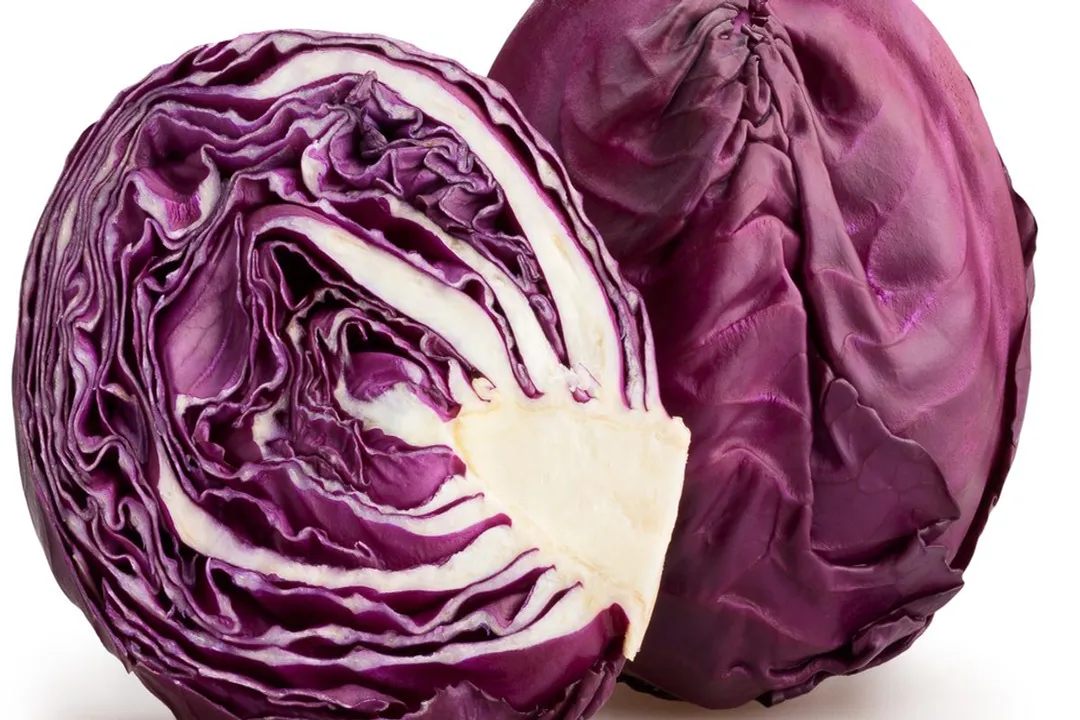
The beneficial anthocyanin pigments found within red cabbage are chemically complex and frequently undergo a modification process referred to as acylation. This is a specific chemical reaction where various types of acids are attached to the core anthocyanin structure. The acids involved in this modification process include substances such as caffeic acid, $p$-coumaric acid, ferulic acid, and sinapic acid. This process of acylation is significant because it alters the chemical properties of the anthocyanins, which in turn influences how these potent flavonoid antioxidants behave and exert their protective effects within the body's systems.
Related Questions
What specific pigments are responsible for the deep reddish-purple hue of red cabbage?How much higher are antioxidant levels in purple cabbage vs. green cabbage?How is the anti-inflammatory compound sulforaphane released from red cabbage?What valuable byproducts, like butyrate, are produced by gut microbes feeding on soluble fiber?Which two vitamins, essential for bone health, are noted sources in red cabbage?What preparation method minimizes the loss of heat-labile Vitamin C?What process frequently modifies anthocyanins in red cabbage using various acids?Which nutrient in red cabbage necessitates consulting a doctor when taking warfarin?What key difference was noted between Red Cabbage Juice (RCJ) and Green Cabbage Juice (GCJ) regarding lifespan extension?What mechanism is proposed for how sulforaphane might protect against cancer cell growth?