Health Benefits of Red Russian Kale
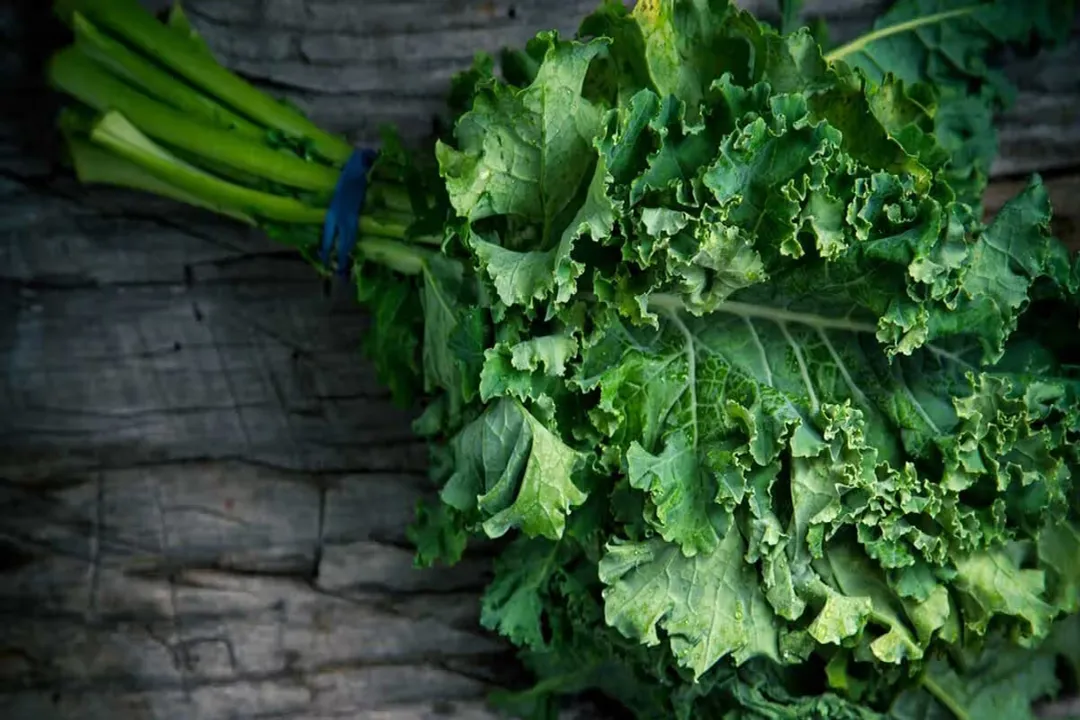
The Red Russian Kale is a distinct and celebrated cultivar within the Brassica family, setting itself apart visually and texturally from its more common, curly-leafed cousins. [3][5] Originating in Siberia, this heirloom variety brings an elegant, flat, oak-leaf shape to the garden and the plate, often featuring striking purple-red stems and a reddish tinge to its soft green leaves. [1][3][9] While kale, in general, has earned the title of “superfood” due to its density of vitamins and minerals, the unique characteristics of Red Russian Kale (RRK) make it exceptionally approachable, even for those wary of the often-peppery bite of mature greens. [3][5][7]
# Flavor Profile
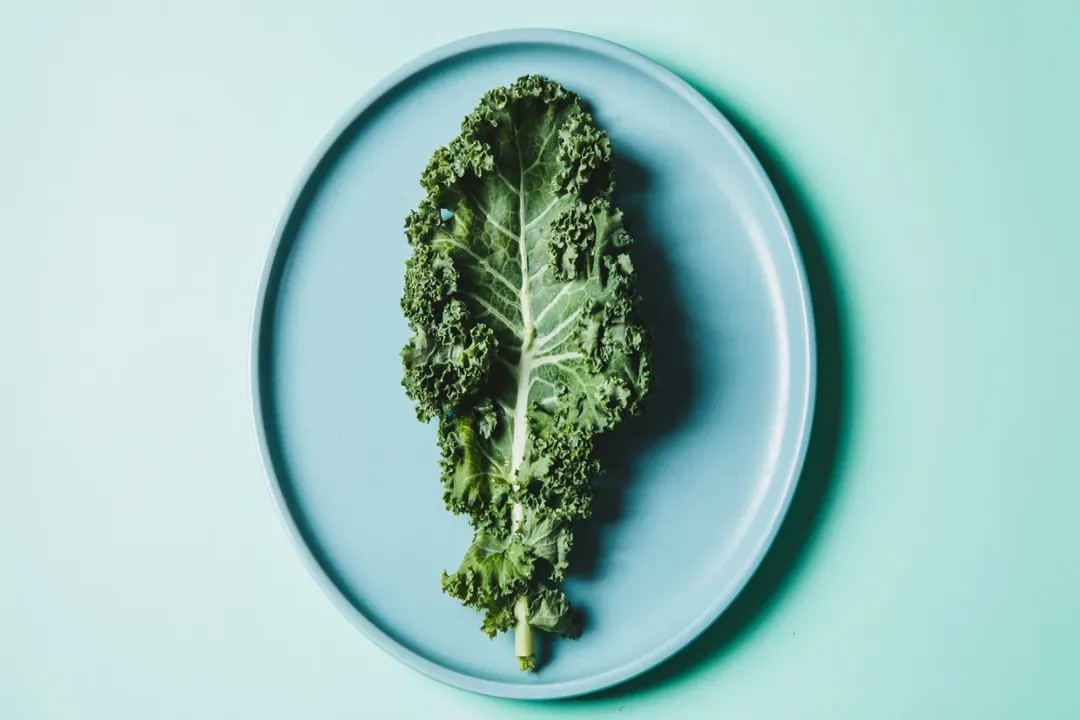
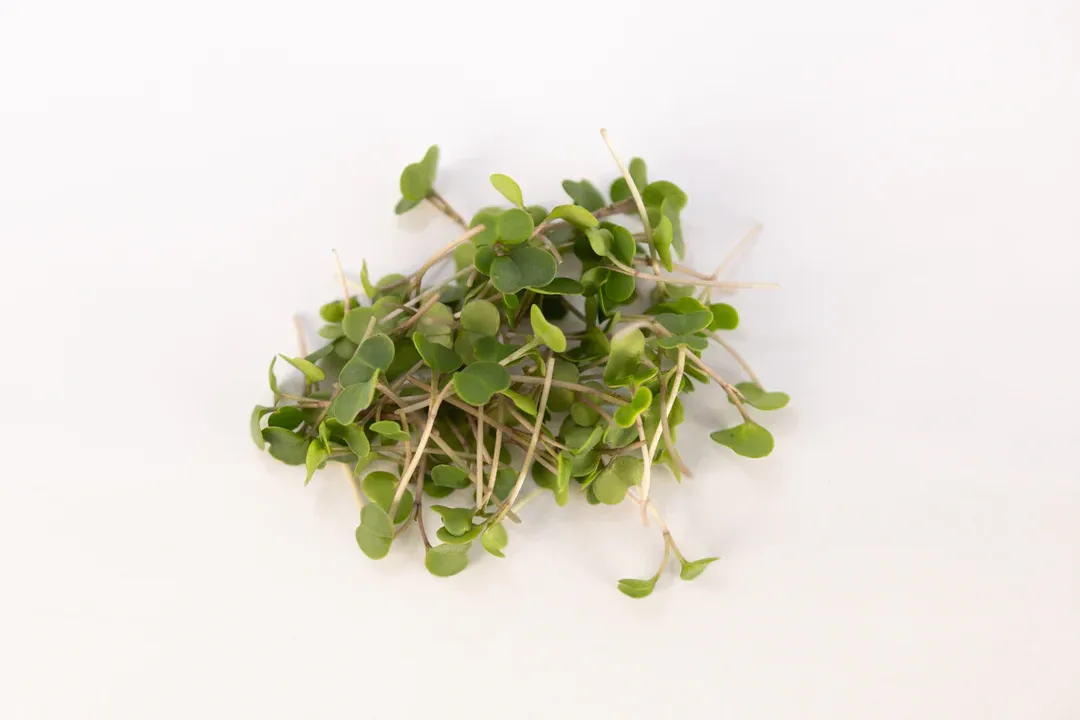
What truly distinguishes Red Russian Kale is its palate-pleasing flavor. Unlike the pungent, sometimes sharp taste associated with curly kale, RRK offers a profile described as sweet and nutty. [1][9] When eaten raw, its leaves are notably tender and mild, sometimes even exhibiting hints of pepper and lemon, which one might associate with sorrel. [5] This mildness is enhanced when the vegetable is exposed to cold weather, as winter frost encourages the greens to convert starches into sugars, resulting in an even sweeter flavor. [1][3] Cooking further tenderizes the leaves, unlocking a sweeter, nuttier taste that chefs and home cooks appreciate. [7] This approachable flavor makes it incredibly versatile; for instance, its soft texture and mildness mean that when used as a microgreen, it can be blended into smoothies for a powerful nutrient boost without dominating the taste. [5]
# Nutrient Density
As a member of the cruciferous family—alongside broccoli, cabbage, and Brussels sprouts—RRK inherits a rich nutritional legacy. [3][6][8] Regardless of the kale variety, consuming it is a potent way to bolster the intake of essential micronutrients. [4][7] A single cup of raw kale can supply a significant portion of daily needs for key vitamins. [4][8]
# Essential Vitamins
The trio of vitamins A, C, and K is exceptionally well-represented in kale. [1][7]
- Vitamin C: Kale is an excellent source, containing roughly three times the amount found in spinach. [4] This water-soluble antioxidant is vital for synthesizing collagen, which supports skin structure, and for strengthening the body’s immune defenses. [4][5]
- Vitamin K: Kale is loaded with Vitamin K1, which is absolutely critical for healthy blood clotting by activating necessary proteins that bind calcium. [4] A single raw cup can provide close to 70% of the daily recommendation. [4]
- Vitamin A: While kale contains beta-carotene, it is this antioxidant that the body converts into active Vitamin A (retinol), which is necessary for maintaining healthy skin and hair tissues. [4]
# Minerals and Fiber
Beyond the vitamins, RRK contributes significantly to mineral intake, including calcium, potassium, magnesium, manganese, and iron. [3][4][5][7] Furthermore, kale is a high-fiber, low-calorie food. [6][7] Fiber is important not just for weight management by promoting fullness, but also for supporting digestive regularity and maintaining a healthy gut balance. [4] It is worth noting that to maximize the absorption of fat-soluble nutrients found in kale, consuming it alongside a healthy fat source, such as olive oil, is recommended. [3]
# Disease Defense
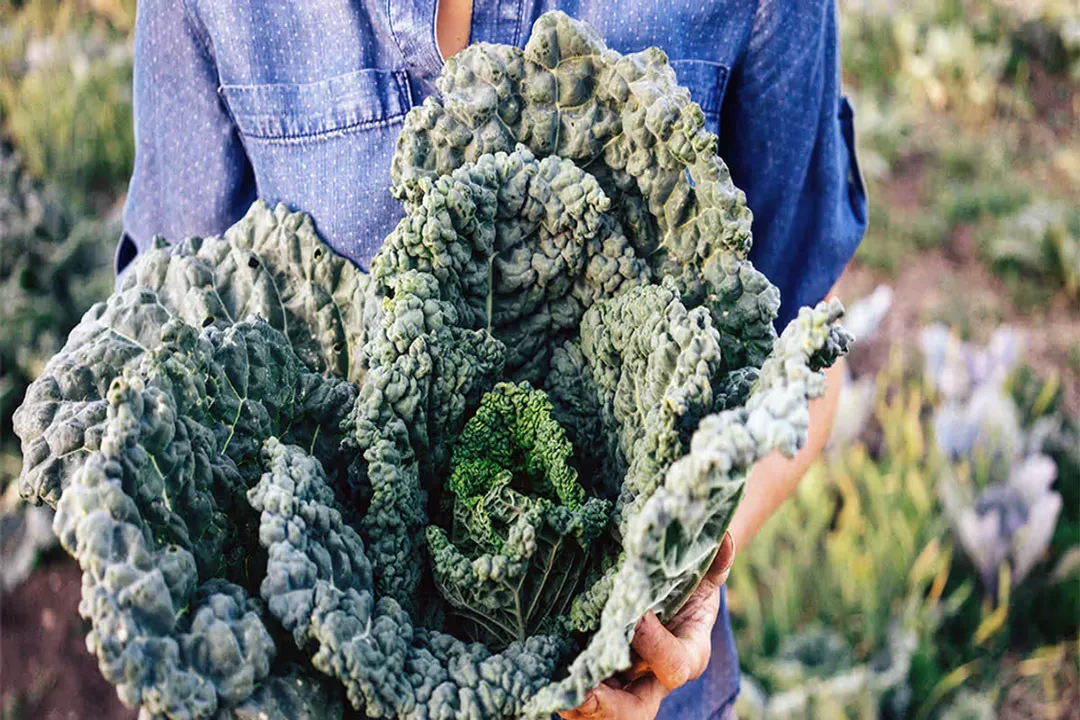
The compounds within kale provide powerful defensive actions against aging and chronic conditions, largely through its high antioxidant content. [4][5]
# Antioxidant Action
Kale is rich in various antioxidants, including carotenoids, flavonoids like quercetin and kaempferol, and Vitamin C. [4][5] These substances work by neutralizing free radicals—unstable molecules that cause oxidative damage believed to drive aging and various chronic diseases. [4] The protective effects extend to reducing inflammation and potentially slowing the growth of abnormal cells. [4][5]
# Cruciferous Compounds
As a cruciferous vegetable, RRK contains compounds known as glucosinolates, which the body converts into isothiocyanates. [2][3] These substances are recognized for their potential to support liver function and detoxification pathways. [2] Moreover, kale contains indole-3-carbinol and sulforaphane, which are believed to have protective effects against cancer development at the molecular level. [4][8]
# Cardiovascular and Metabolic Support
Kale's nutrient profile actively supports heart health and metabolic regulation. Its potassium content aids in managing blood pressure, a key factor in reducing cardiovascular disease risk. The fiber present has been linked to lower levels of LDL ("bad") cholesterol and overall blood lipids. [4] One study noted that daily consumption of kale powder significantly reduced LDL cholesterol, as well as fasting blood sugar levels. [4] The presence of manganese in kale may also help decrease insulin resistance, which is central to Type 2 diabetes management. [4]
# Vision Protection
The greens contain specific carotenoid antioxidants, lutein and zeaxanthin, which accumulate in the eye. [4] These compounds are thought to help reduce the risk of age-related macular degeneration, helping to preserve vision over time. [4]
# Culinary Adaptability and Usage
The versatility of Red Russian Kale means it can be incorporated into nearly any part of a meal plan. [1][6] Because of its flat, tender leaves, RRK works exceptionally well in applications where texture is key.
# Raw Applications
The mild, non-aggressive flavor of RRK makes it a superb raw addition. [5] You can toss it directly into salads, layer it into wraps, or use it as a fresh topping for grain bowls or avocado toast. [1][5] When preparing it raw, consider a gentle pre-treatment: scrunching the leaves briefly in your hands can help break down the structure, making them easier to digest, or, given its delicate flavor, massaging them lightly with lemon juice and olive oil before serving can slightly tenderize the leaves while boosting nutrient absorption. [3]
# Cooked Dishes
RRK holds its texture well during cooking, making it suitable for steaming, sautéing, braising, or roasting. [1][3][7] It adds body and nutrition to heartier dishes like soups and pasta sauces, where it can often substitute for spinach, though it may require a slightly longer cooking time. [1][3] Roasting the leaves is a popular method for creating a crunchy, savory snack, often dubbed "kale chips". [4]
# Handling and Safety
Proper handling ensures you maximize both the flavor and safety of your RRK harvest.
# Selection and Storage
When selecting bunches, look for leaves that are firm and dry, avoiding any signs of wilting or yellowing. [3][6] Red kale generally has a shorter shelf life than curly kale. [6] To keep it fresh for up to about five days, wrap the leaves loosely in paper towels to wick away excess moisture, and then place them in a sealed bag or the hydrator drawer of your refrigerator. [1][3][6] When cleaning, due to the potential for grit trapped in the leaf crevices, wash thoroughly in a deep bowl of cold water, stirring, and then lifting the kale out, repeating this process with fresh water until no grit remains at the bottom of the bowl. [1][3]
# Consumption Cautions
While kale is undeniably nutrient-rich, two primary considerations require attention, particularly for RRK consumers eating large or highly variable amounts. [3][6] First, because RRK is an excellent source of Vitamin K, which aids clotting, individuals taking anticoagulant medications like warfarin (Coumadin) must monitor their intake. The key here is consistency; erratic consumption of high-K foods can interfere with medication effectiveness, so consulting a healthcare professional about a stable dietary pattern is essential. [3][6] Second, kale contains thiocyanate. In very large quantities, this substance could potentially trigger an iodine deficiency, which impacts thyroid function. [6] For most people eating normal serving sizes as part of a balanced diet, this is rarely a concern, but those with pre-existing thyroid conditions or kidney disease (due to potassium levels) should discuss increased consumption with their doctor. [3][6]
For the average healthy consumer, however, Red Russian Kale stands out as an accessible, flavorful, and highly nutritious green that delivers powerful antioxidant, bone, heart, and digestive benefits in every tender, sweet bite. [4][5][7]
Related Questions
#Citations
Red Russian Kale | New Entry Sustainable Farming Project
Kale: Discover Superfood Secrets - Mayo Clinic Health System
9 Health Benefits of Kale - Healthline
Red Russian Kale Microgreens: Mild, Nutritious, and Powerfully ...
Kale Guide: Nutrition, Benefits, Side Effects, and More
Red Kale | Cal-Organic Farms
8 Health Benefits of Kale - Naturelo
Heirloom Red Russian Kale - Silverbrook Manor
Kale: Health benefits, nutrition, eating, and risks - Medical News Today