Health Benefits of Red Bliss Potato

When considering dietary choices, the common advice to avoid "white foods" often unfairly groups the humble potato into a category reserved for refined grains. However, the Red Bliss Potato, with its thin, vibrant skin and creamy interior, stands out as a nutritional powerhouse that deserves a dedicated place on your plate. It’s easy to overlook this versatile tuber, but its unique composition, particularly in the skin, offers significant health advantages that go far beyond simple caloric content. [1][4]
# Waxy Advantage

Red potatoes, often recognized as Red Bliss varieties, belong to the waxy potato family, differentiating them significantly from their starchy counterparts like Russets. [4] This classification hinges on their structure: waxy potatoes are lower in starch, higher in moisture, and possess a creamy, moist, and smooth texture when cooked. [3][4] This structural difference translates directly to culinary application. Unlike starchy potatoes, which break down into a fluffy texture ideal for mashing, waxy reds maintain their shape well after cooking. [4] They are frequently recommended for use in potato salads, soups, and stews where you need the potato pieces to remain intact and firm. [3]
This inherent firmness also offers an advantage for future meal planning. While starchy potatoes can quickly turn overly soft when reheated, the waxy structure of a Red Bliss holds up better across multiple heating cycles. If you are batch-cooking for the week, boiling or roasting a large quantity of Red Bliss potatoes means they will retain a more desirable texture for grab-and-go salads or quick reheated side dishes later in the week, making them an excellent choice for time-conscious cooks. [1]
# Skin Power
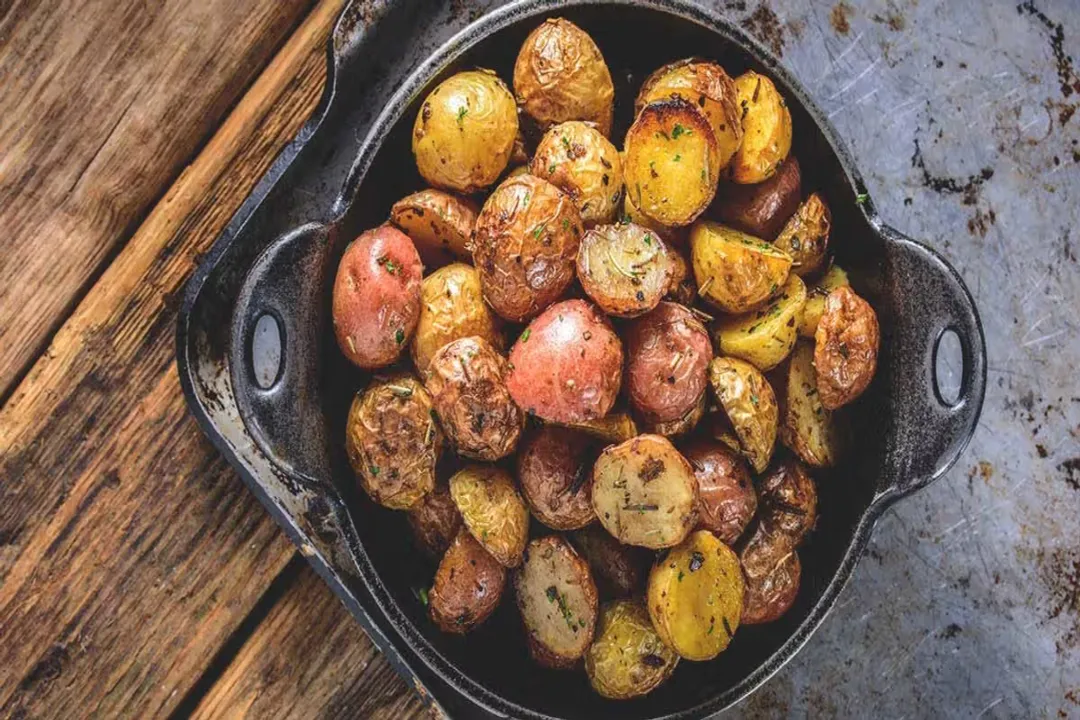
The rich, red pigment of the potato skin is more than just an aesthetic feature; it signals a concentration of beneficial compounds. [1] In fact, the skin of many potatoes can contain up to 12 times more antioxidants than the flesh alone. [4] For the Red Bliss specifically, the skin is packed with fiber, Vitamin C, and anthocyanins, which are pigments known for their antioxidant and anti-inflammatory properties. [1]
Consider the Vitamin C content: a single red potato can provide as much as 45% of the recommended daily intake of this essential vitamin. [1] This concentration of Vitamin C, alongside minerals like zinc and copper, works to bolster the body's defense system, offering protection against various threats. [1] While a large baked Russet potato provides about 25% of the Daily Value (DV) for Vitamin C, the red variety’s smaller size combined with a high concentration in the skin makes it an efficient delivery system for this immune-supporting nutrient. [2][4] Furthermore, these antioxidants, including phenolic acids, help neutralize free radicals—unstable molecules produced by normal metabolic activity like breathing and exercise—which, if left unchecked, can contribute to cell damage, faster aging, and chronic disease development. [1][2]

# Blood Pressure
Managing blood pressure is a critical health goal, and potatoes, particularly the red-skinned kind, can be a silent ally due to their mineral profile. [1] Red potatoes are notably low in sodium, often containing less than $1%$ of the required daily amount in a single tuber. [1] Critically, they are also an exceptional source of potassium. [1] Potassium functions as a vasodilator, which means it encourages blood vessels to widen, promoting smoother and less obstructed blood flow. [1] One medium roasted red potato can supply around $25%$ of your recommended daily potassium intake, often exceeding the amount found in a banana. [1] According to the Dietary Guidelines for Americans, increasing potassium intake can help offset the effects of salt and support healthier blood pressure levels. [1] Additionally, the fiber present in the potato helps trap cholesterol molecules in the bloodstream, which reduces the overall strain on arterial walls. [1]
# Gut Health
Potatoes offer a surprising benefit for the digestive system through a specific carbohydrate called resistant starch. [2][4] This type of starch resists immediate digestion in the small intestine and travels to the large intestine, where it acts as a prebiotic, essentially feeding the beneficial bacteria residing there. [2][4]
The gut bacteria metabolize this resistant starch, creating vital short-chain fatty acids (SCFAs), particularly butyrate. [2] Butyrate is highly valued because it serves as the primary energy source for colon cells. Research suggests that butyrate can actively reduce inflammation within the colon, strengthen the protective barrier of the gut lining, and may even lower the risk of colorectal cancer. [2] Interestingly, the amount of this beneficial resistant starch can be manipulated through preparation. To maximize its level, one can cook potatoes, allow them to cool completely (often overnight in the refrigerator), and then consume them cold or reheated. [2] This process of cooling boiled potatoes increases the amylose content, which is the form of resistant starch that benefits gut health. [2][4][5]

# Brain Mood
The nutritional profile of potatoes extends to supporting neurological function and mood regulation. [1] They supply Vitamin B6, a nutrient necessary for maintaining a healthy nervous system and achieving a balanced mood. [1] Furthermore, potatoes contain choline, a nutrient essential for cognitive processes, including memory and learning ability. [1] By supplying both choline and the B vitamins, regular, healthy consumption of potatoes can contribute to better concentration and overall nerve health. [1] When prepared via roasting or baking, you are best positioned to gain the maximum benefit from the B6 content. [1]
# Preparation Philosophy
The high carbohydrate content in potatoes means they contribute a significant glycemic load, which can lead to rapid blood sugar spikes if consumed without consideration for preparation or pairing. [5] This is where the philosophy of how you eat them becomes paramount. While the potato itself is virtually fat-free and cholesterol-free, the common preparation methods often negate these benefits. [1][4]
The data is quite clear: preparation dramatically influences health outcomes. For example, one analysis noted that greater consumption of starchy vegetables, especially potatoes, was linked to weight gain, but French fries were the biggest contributor to this effect. [4] In fact, one daily serving of fries was linked to an average gain of nearly $3.8$ pounds over four years, whereas baked, boiled, or mashed potatoes were associated with a significantly smaller gain of about $0.66$ pounds over the same period. [4]
Therefore, the most sensible approach is to embrace the natural state of the potato. When you roast or bake a Red Bliss potato, using a light coating of a healthy fat like olive oil instead of deep-frying, you preserve its natural, low-fat profile. [2][3] You can shift the entire nutritional equation in your favor by swapping the usual high-fat toppings—like excess cheese or butter—for nutrient-dense options such as bean chili, plain Greek yogurt, or steamed broccoli. [4] This strategic plating allows you to enjoy the energy, fiber, and minerals without inviting the negative side effects associated with deep-fat preparation methods. [2][5]
These starchy tubers are also naturally gluten-free, making them a safe and versatile staple for anyone managing celiac disease or gluten sensitivities. [1][2] Whether you boil them for a robust salad or roast them until crispy, Red Bliss potatoes offer a considerable amount of nutrition—including potassium and fiber—in a satisfying, low-fat package. [1] They truly stand as an affordable, functional food when treated with respect in the kitchen.
Related Questions
#Citations
Red Potatoes | Red Potato Nutrition Facts, Calories, Recipes
7 Health and Nutrition Benefits of Potatoes - Healthline
Health Benefits of Potatoes - WebMD
Are Potatoes Healthy? - The Nutrition Source
Red Potatoes - The Healthiest of all Potatoes - Backed By Bees