Health Benefits of Vitelotte Potato
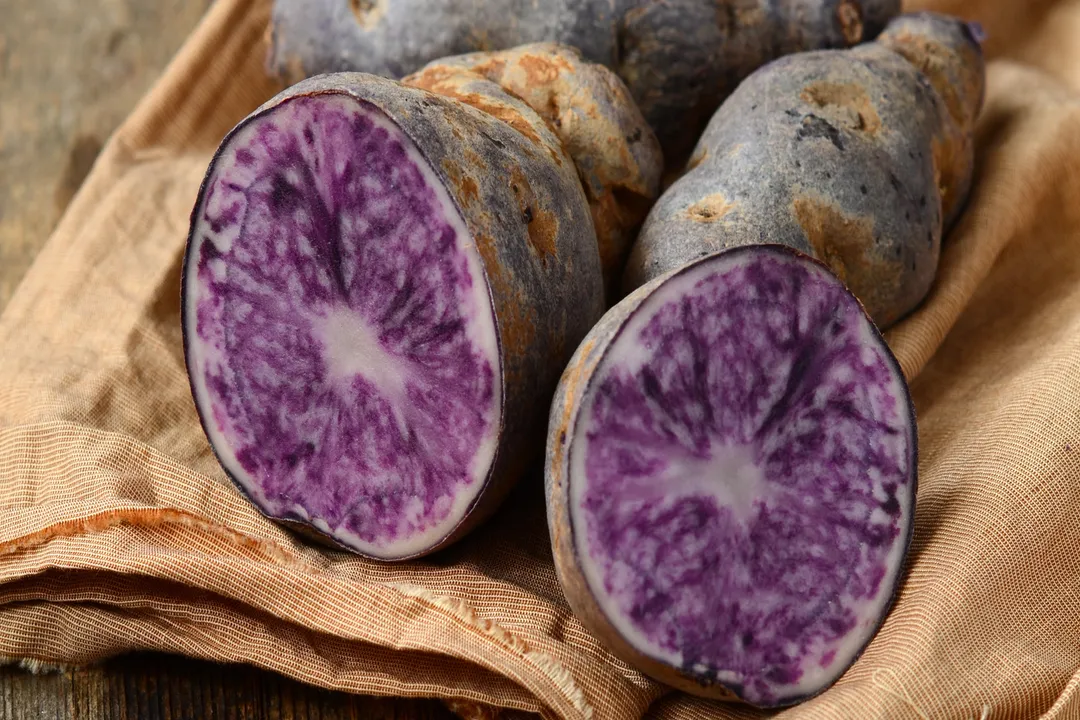
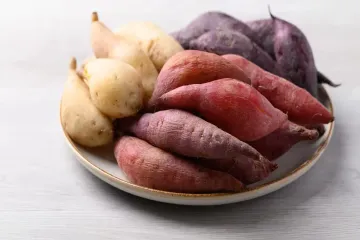
The Vitelotte potato, often recognized by its striking deep violet skin and flesh, represents a distinct and historically rich branch of the Solanum tuberosum family. While everyday white and yellow varieties form the backbone of global diets, this heritage French tuber offers a specific array of compounds that elevate its status from a mere carbohydrate source to a functional food ingredient. Its vibrant appearance is not merely cosmetic; it signals a nutritional profile significantly distinct from its paler counterparts, positioning it as a powerful addition to health-conscious eating habits.
# Ancient Lineage
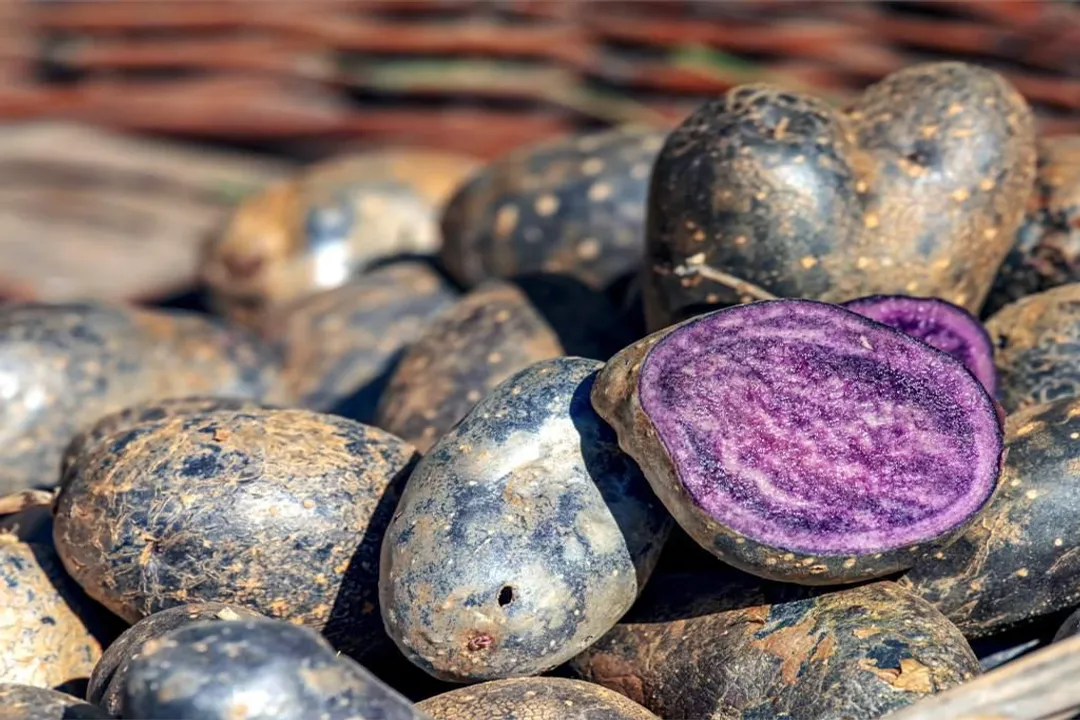
The Vitelotte, sometimes referenced as Vitelotte Noire, is a traditional variety with roots tracing back to 19th-century France. Though many potato varieties share ancestry with tubers first domesticated in the Andes mountains of South America, the Vitelotte has carved out its own niche in specialty and gourmet markets. Unlike mainstream cultivars that have seen their cultivation decline in favor of high-yield staples, the Vitelotte is experiencing a revival due to growing consumer interest in heritage foods and richly colored produce. Its texture is noted for being firm, and its flavor profile leans toward earthy and nutty notes, which sets it apart from the milder taste of standard potatoes. Crucially, the defining characteristic of the Vitelotte—its purple hue—remains intact even after various cooking processes, a stability that is directly tied to its beneficial compounds.
# Color Chemistry
The intense pigmentation of the Vitelotte potato is the key differentiator when examining its nutritional advantages over white-fleshed varieties. This deep color is derived from the presence of anthocyanins, which are water-soluble pigments belonging to the broader class of phenolic compounds. These compounds are responsible for the red, crimson, and blue-to-purple shades seen across fruits, flowers, and vegetables. Research comparing purple-fleshed potatoes to white-fleshed ones clearly illustrates this chemical disparity: purple tubers possess substantially higher concentrations of beneficial phytonutrients. For instance, the Total Phenolic Content (TPC) and Total Flavonoid Content (TFC) are markedly higher in purple varieties. In one analysis focusing on potato flour, the purple variety exhibited a TPC value that was nearly double that of the yellow control, and its Total Anthocyanin Content (TAC) was significantly present, whereas it was undetectable in the yellow flour sample. Specifically, acylated anthocyanins, such as cyanidin chloride and malvidin chloride, have been identified in the Vitelotte. Furthermore, the purple flesh contains higher levels of chlorogenic acid, a colorless polyphenol that can account for up to $80%$ of the total polyphenols in the tuber. This higher concentration of bioactives suggests that the deep color is a reliable indicator of enhanced nutritional density.
# Antioxidant Power
The high concentration of anthocyanins and other phenolics directly translates to superior antioxidant activity in Vitelotte and similar purple potatoes. Antioxidants are plant-derived compounds essential for counteracting oxidative stress, the cellular damage caused by free radicals, which contributes to aging and chronic disease development. Studies have shown that purple potatoes exhibit two to three times greater antioxidant activity when compared gram-for-gram against their white or yellow counterparts. This difference is significant enough that feeding subjects purple potatoes has been shown to increase their antioxidant levels in blood and urine, while refined starches caused a decrease. The phenolic compounds found in abundance, such as rutin, quercetin, catechins, and chlorogenic acid, are the specific molecules responsible for this free-radical scavenging ability. The complex of these antioxidants works to support overall cellular defense mechanisms.
# Vascular Support
One of the most well-documented health effects stemming from the potent antioxidant load in purple potatoes relates to cardiovascular health, particularly blood pressure regulation. Anthocyanins and polyphenols found in these tubers contribute to promoting healthy blood vessel function. Human studies have demonstrated a tangible effect: in one trial, healthy adults consuming an anthocyanin-rich potato variety for four weeks saw their diastolic blood pressure decrease by an average of . A separate study involving overweight, middle-aged subjects noted a similar drop in blood pressure when consuming of purple potatoes twice daily for a month, despite most participants already being on anti-hypertensive medication. This reduction in blood pressure is critical, as it corresponds to a projected lower risk of stroke by $34%$ and heart disease by $21%$ based on established risk correlation models. Furthermore, purple potato consumption has been linked to a reduction in arterial stiffness, which is measured as pulse wave velocity. Stiff arteries are a major risk factor for cardiovascular events because they limit the vessels' ability to dilate properly in response to pressure changes. The way these polyphenols work to reduce blood pressure bears some similarity to the mechanism of certain blood-pressure-lowering drugs known as ACE inhibitors.
# Gut Microbiome
The health benefits of Vitelotte extend into the gastrointestinal tract, supported by both its general carbohydrate profile and its specific bioactive components. Potatoes, in general, provide dietary fiber and, importantly, resistant starch. Resistant starch is a type of fiber that bypasses digestion in the small intestine and travels to the large intestine where it becomes a substrate for beneficial gut bacteria. This fermentation process yields short-chain fatty acids (SCFAs), notably butyrate. Butyrate is vital for gut health; it fuels colon cells, aids in the repair of damaged colon lining, and is associated with a reduced risk of bowel cancer. Examining the Vitelotte specifically (under the name Vitelotte Noire), in vitro testing of extracts showed an inhibitory effect on the growth of certain undesirable bacteria, including Escherichia coli. Interestingly, the inhibitory effect against E. coli from cooked potato extract was observed to be stronger than that of the antibiotic drug chloramphenicol in that specific test.
If you are aiming to maximize the resistant starch benefit, consider preparing your Vitelotte potatoes by boiling or steaming them, draining them, and then chilling them before consumption, perhaps in a cold potato salad. The process of cooking followed by chilling significantly increases the content of resistant starch compared to serving them hot.
# Metabolic Effects
The nutritional density of purple potatoes also suggests benefits for managing metabolic markers, particularly blood sugar. While all potatoes are carbohydrate-rich and will impact blood glucose, the chemical composition of purple varieties may offer a tempering effect. As noted, the high concentration of polyphenols in purple potatoes might decrease the rate at which starches are absorbed in the intestines, consequently minimizing the immediate spike in blood sugar levels. A comparison study observed that purple potatoes have a lower Glycemic Index () than yellow () and white potatoes (). Furthermore, studies in animal models suggest that feeding purple potato extract resulted in improved glucose tolerance and better long-term blood sugar regulation. The in vitro analysis of purple potato flour (PPF) further supported this, showing superior inhibition rates against -amylase and -glucosidase enzymes—key targets in managing carbohydrate breakdown related to diabetes—compared to yellow potato flour.
# Mineral Profile
Beyond the pigmented compounds, Vitelotte potatoes retain the essential mineral density expected of the species, which contributes to functions ranging from nerve signaling to muscle contraction. Standard cooked potatoes provide good amounts of Potassium and Vitamin C. Research specifically comparing purple potato flour (PPF) to yellow potato flour (YPF) found that the purple variety generally contained significantly higher amounts of macro and micro minerals, with the ranking established as . Potassium was the most dominant mineral in both flours, with PPF levels noted as being higher than those found in some mineral-rich flours like banana flour. These mineral levels indicate a high nutritional value, contributing substantially to daily recommended intakes for several essential elements.
It is worth noting a comparative nuance when considering whole foods versus processed flour: one study comparing potato flours found that the yellow variety (YPF) had a higher percentage of total dietary fiber () than the purple variety (PPF on a dry weight basis). This suggests that while the purple potato is chemically superior in its anthocyanin and polyphenol content, the choice of cultivar and the specific processing method into flour can influence the resulting total fiber yield. For the general consumer seeking the full package—fiber and color—gentle cooking of the whole tuber with the skin left on remains the most straightforward path to retaining the maximum benefit profile derived from the intact food matrix.
# Preparation Nuances
To truly benefit from the anthocyanins, one must prepare the Vitelotte correctly, as processing profoundly affects the final chemical profile. High-heat, prolonged cooking methods can lead to the degradation or loss of some bioactive components. Conversely, the anthocyanins, which are responsible for the vibrant color, are generally stable, and the color itself is retained well through boiling or steaming. For those looking to incorporate this unique tuber into their rotation, gentle methods are recommended to maintain the beneficial qualities and the aesthetic appeal. Roasting the wedges with skin on or steaming slices for a salad are excellent choices that enhance the nutty flavor while preserving the nutrient integrity. While the Vitelotte is versatile, deep-frying should be avoided, as this process can diminish many of the beneficial compounds sought in this variety. By recognizing that the color translates directly into unique chemical benefits, consumers can consciously choose preparation methods that honor both the culinary character and the nutritional potential of this extraordinary potato.
Related Questions
#Citations
7 Surprising Benefits of Purple Potatoes - Healthline
Purple Potatoes Benefits, Nutrition, Recipes, Side Effects - Dr. Axe
In vitro biological activity and nutritional evaluation of purple potato ...
5 Facts About Vitelotte Potatoes & Healthy Recipes - JHOPS
What are the benefits of eating purple potatoes? - Quora
The health benefits of growing purple potatoes - The Guardian
(PDF) Purple potato and its health benefits - ResearchGate