Health Benefits of Stokes Purple Sweet Potato
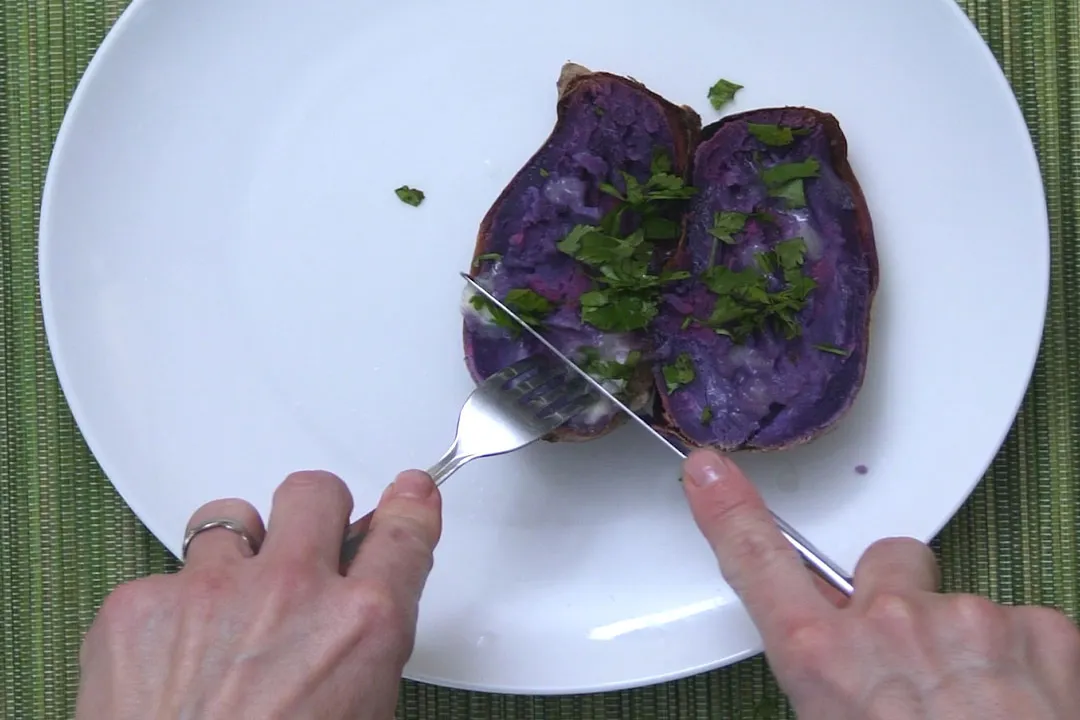
The striking, deep violet hue of the Stokes Purple sweet potato immediately sets it apart from its familiar orange cousins, suggesting a different story lies beneath the skin. This unique coloration is the first clue to a powerhouse of nutrients that offers distinct health advantages. While all sweet potatoes are generally considered healthy additions to the diet, the Stokes Purple variety, often highlighted for its intense pigment, brings specific compounds to the table that warrant a closer look for anyone interested in maximizing dietary wellness. [3][5] It’s more than just a vibrant ingredient for a holiday dish; it's a dense source of goodness that supports various systems within the body.
# Pigment Powerhouse
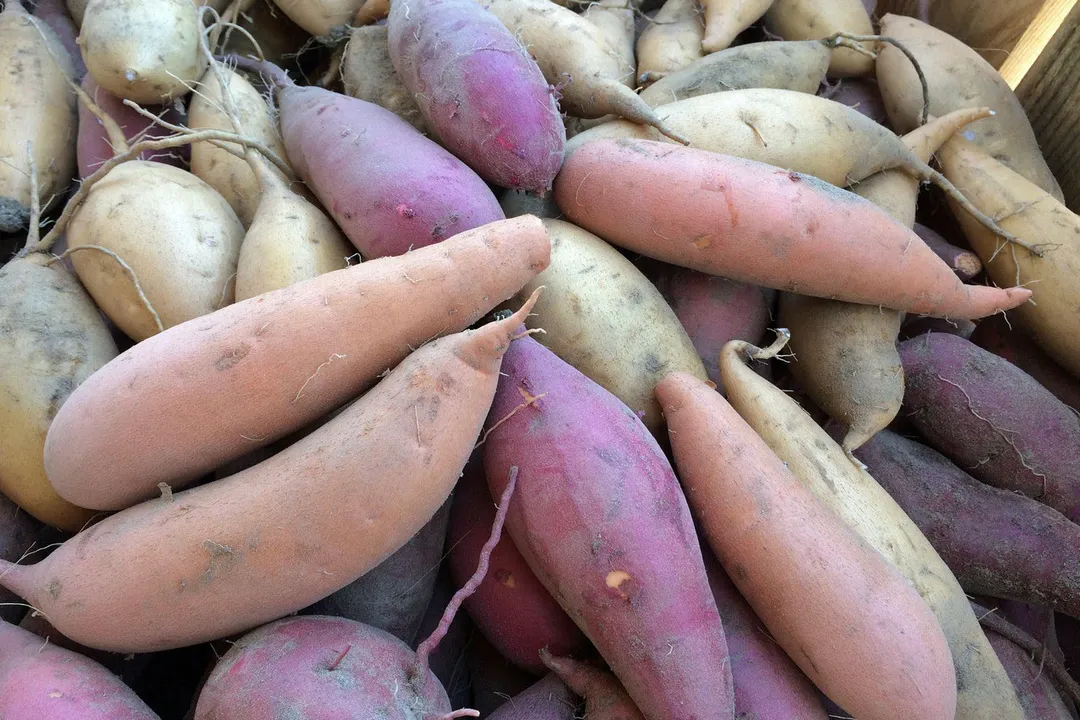
The most compelling feature of this particular sweet potato is its intense purple color, which stems from a high concentration of anthocyanins. [10][7] Anthocyanins are a class of flavonoids, which are natural pigments that give many fruits and vegetables their red, blue, or purple shades, like blueberries or blackberries. [1] In the context of nutrition, these pigments function as antioxidants. [1][2] This antioxidant capacity means they help combat unstable molecules called free radicals within the body, which can cause oxidative stress and damage cells over time. [1]
When comparing the Stokes Purple variety to the more common orange sweet potato, the difference in primary antioxidant compounds is notable. The orange flesh is rich in beta-carotene, which the body converts to Vitamin A. [4] While beta-carotene is vital for vision and immune function, the purple variety’s benefit is heavily skewed toward anthocyanin content. [10] It’s interesting to consider that while you might be eating the purple variety for its anti-inflammatory or circulation-supporting anthocyanins, you are simultaneously getting a solid base of other essential nutrients common to all sweet potatoes, creating a beneficial overlap. [2]
# Antioxidant Comparison
To illustrate this nutritional split, imagine a spectrum of health support. On one end, the orange potato excels in Vitamin A precursors. On the purple end, the advantage lies in compounds linked to cardiovascular and cognitive health. [1][2] It’s not about one being definitively "better," but recognizing that they offer different primary tools for your body's defense system. For instance, if you are consciously trying to increase your intake of widely studied pigments known for their potential anti-inflammatory cascade effects, the Stokes Purple becomes the preferred choice over its orange counterpart, even if the latter has higher Vitamin A content. [10]
# Core Nutrition
Beyond the exciting anthocyanins, the Stokes Purple sweet potato maintains the excellent nutritional foundation expected of its species. They are a good source of dietary fiber, which is fundamental for digestive regularity and satiety. [1][2] Fiber helps stabilize blood sugar levels, which is a crucial aspect of sustained energy and metabolic health. [1] A diet rich in fiber, particularly from complex carbohydrates like sweet potatoes, helps manage how quickly sugars enter the bloodstream, offering a steady release rather than a sharp spike. [1]
Potassium is another mineral found abundantly in these tubers. [2] Potassium is an electrolyte essential for balancing fluids in the body, maintaining proper nerve signaling, and supporting healthy blood pressure levels by counteracting the effects of sodium. [2] Furthermore, like many vegetables, they supply Vitamin C, an important vitamin for immune defense and collagen synthesis, which plays a role in skin integrity and wound healing. [1][6] This combination—fiber for digestion, potassium for fluid balance and pressure, and Vitamin C for immunity—makes the purple sweet potato a foundational food item, regardless of its unique color.
# Supporting Systems
The specific compounds within the Stokes Purple variety translate into direct support for various physiological systems. The presence of anthocyanins has been associated with potential benefits for brain health. [1] Antioxidants, in general, are key in protecting delicate neural tissues from oxidative damage, which is a factor in age-related cognitive decline. [1] Though more human studies are always developing, preliminary data often points toward these pigmented foods aiding memory and processing functions. [2]
Another area where these compounds shine is in promoting cardiovascular wellness. [2] Anthocyanins may help improve blood vessel function and promote healthy circulation, potentially by supporting the flexibility and integrity of arterial walls. [2] Think of it as keeping the body’s internal plumbing running smoothly. While diet is only one piece of the puzzle, incorporating foods rich in these specific antioxidants is a proactive measure for long-term heart care.
If we were to look at skin health, often discussed in relation to purple foods, the benefits are twofold. First, the general vitamins like Vitamin C support the structure of healthy skin from the inside out. [6] Second, the systemic antioxidant activity helps protect skin cells from environmental stressors, which is a primary driver of premature aging and dullness. [6] It is important to note that while topical skincare products might feature sweet potato extracts, consuming the whole food provides a more comprehensive array of fat-soluble and water-soluble nutrients that work systemically.
# Culinary Versatility
The beauty of the Stokes Purple sweet potato extends past its nutritional label and into the kitchen. They can be prepared using almost any method suitable for standard sweet potatoes, such as baking, mashing, roasting, or steaming. [3][5] The cooking time might vary slightly depending on the density and water content compared to an orange variety grown under different conditions, so some trial and error might be needed when first experimenting. [5] When roasted, the natural sugars concentrate, resulting in a slightly earthy sweetness that complements savory spices well.
Pairing these potatoes thoughtfully can amplify their benefits. For instance, combining them with sources of healthy fats, such as olive oil or avocado, can aid in the absorption of fat-soluble vitamins present, like any Vitamin A precursors. [7] If you are aiming to maximize the antioxidant benefits, pairing them with other Vitamin C-rich foods—perhaps a squeeze of lemon juice over a mash, or serving them alongside a bell pepper salsa—ensures a synergistic effect where nutrients work together rather than in isolation. [7]
Here is a practical tip for maximizing the color and texture when preparing them: When making mashed purple sweet potatoes, use less liquid than you might typically use for orange ones. The color is highly water-soluble, and adding excessive water or milk can dilute the beautiful pigment, resulting in a muted lilac instead of a vibrant purple. For the deepest color, try roasting them whole, wrapped tightly in foil, to concentrate the interior moisture and sweetness before peeling and lightly seasoning. This method minimizes nutrient leaching often associated with boiling. [4]

# Seasonal Context and Selection
The availability and popularity of the Stokes Purple sweet potato often spike around the fall and winter holidays, a time when many rich, comforting side dishes are traditional. [4] However, seeking them out when they are locally in season, often from late summer into the first frosts, can yield the freshest, most nutrient-dense product. When shopping, look for firm tubers with smooth skin, avoiding any that show signs of softness or green patches, which indicate sun exposure and potential bitterness. [3]
It is worth examining the specific growth conditions, as some growers emphasize the high mineral content derived from the soil itself. While the University of California sources often discuss the advantages of specific agricultural practices, the general takeaway is that where a vegetable is grown significantly impacts its final nutrient profile beyond the genetic blueprint. [4] For those who grow their own, successful cultivation often depends on warm, consistent temperatures, similar to other sweet potato varieties. [5]
A further point of consideration, especially for those with specific dietary goals, involves the glycemic index (GI). While sweet potatoes are generally seen as a better choice than white potatoes due to their fiber content, the GI can still vary based on preparation. Boiling tends to result in a higher GI score than baking or roasting because the heating process breaks down the starches more completely. [1] If you are managing blood sugar closely, preparing a batch of Stokes Purple potatoes by roasting them until just tender, allowing them to cool slightly before eating, can help slow down the starch conversion, leading to a lower overall impact on blood sugar levels compared to eating them immediately hot from the oven. [1] This preparation nuance helps maintain the benefits of their natural fiber structure.
# Beyond Simple Starch
The Stokes Purple sweet potato offers a tangible example of how minor genetic variations in staple crops can lead to significant functional food advantages. We often categorize root vegetables simply as "starch," but this potato reminds us that the nutritional delivery system is complex. It provides a low-fat, nutrient-dense energy source, but its unique advantage lies in the bioactive compounds that offer protection against cellular damage. [1][2]
To truly appreciate its role, consider it an active component of health maintenance rather than just a side dish filler. For example, when planning meals for a week, deliberately swapping out one serving of white rice or standard potatoes for the Stokes Purple variety is an easy way to introduce a measured dose of high-quality antioxidants, like those found in berries, into a meal that might otherwise lack them, such as a simple baked chicken breast dinner. [7] This small substitution provides a measurable gain in anthocyanin intake without requiring a complete dietary overhaul.
Ultimately, while the orange sweet potato remains an excellent source of Vitamin A, the Stokes Purple variety provides a distinct edge in antioxidant capacity due to its anthocyanin load. Both deserve a regular spot on the plate, offering different tools from nature’s medicine chest, but the deep purple tuber brings a specific kind of cellular protection that sets it apart. [10][2]
#Videos
Purple Sweet Potatoes: Nature's Healing Elixir for a Healthy Body ...
Related Questions
#Citations
7 Surprising Benefits of Purple Potatoes - Healthline
Health Benefits of Purple Potatoes - EatingWell
Stokes Purple® Sweet Potato - Branded Specialty Produce
Why purple sweet potatoes belong on your holiday table
Purple Sweet Potatoes Might Change Your Life : r/homestead - Reddit
The Skin Benefits of Purple Sweet Potato
The Sweet Synergy of Purple Potatoes: Pairing for Potent Wellness
Purple Sweet Potatoes: Nature's Healing Elixir for a Healthy Body ...
Nutritional benefits of purple sweet potatoes - Facebook