Health Benefits of Sweet Corn
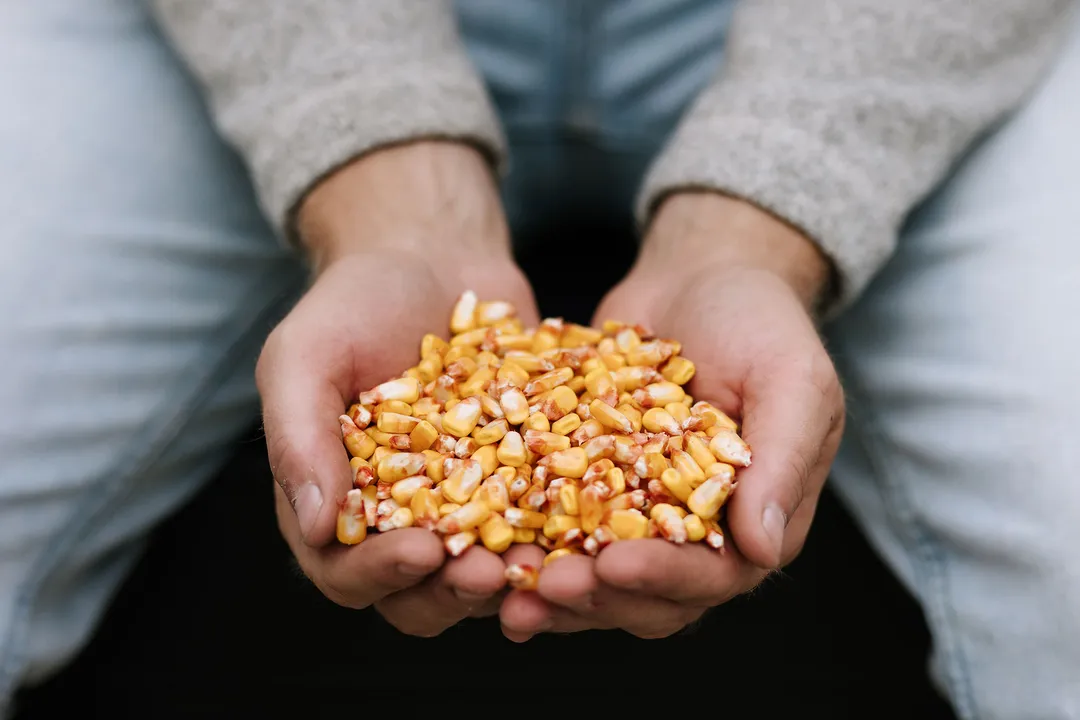
Sweet corn, the brightly colored kernels often enjoyed grilled or straight from the can, carries a much richer nutritional profile than many people realize. Far from being just a simple side dish or a source of starch, this vegetable is packed with vitamins, minerals, and compounds that support various aspects of health, from vision to digestion. Many consumers, when polled about corn, tend to focus on its carbohydrate content or perceived sweetness, sometimes overlooking the specific benefits it delivers compared to other vegetables. Understanding what these kernels actually offer unlocks their value in a balanced diet.
# Vitamin Density

When you bite into a serving of sweet corn, you are supplying your body with a decent array of B vitamins essential for energy metabolism. Specifically, corn is a source of thiamin, or Vitamin , which is necessary for converting food into energy. You also get contributions of niacin () and pantothenic acid (). Furthermore, the presence of folate is noteworthy, as this B vitamin plays a critical role in cell division and DNA formation, making it particularly important during periods of rapid growth.
Beyond the B-complex group, corn provides a good amount of Vitamin . This well-known vitamin acts as an antioxidant, assisting the immune system and supporting collagen production for healthy skin and connective tissues. While often highlighted for its carotenoids, corn also contains measurable amounts of Vitamin in the form of these precursors, which is crucial for immune function and vision.
# Eye Protection

Perhaps one of the most significant health contributions from sweet corn lies in its powerful antioxidant content, particularly as it relates to eye health. Corn kernels are rich sources of two specific carotenoids: lutein and zeaxanthin. These compounds accumulate in the macula of the eye.
Lutein and zeaxanthin work by filtering out harmful, high-energy blue light, which can cause oxidative damage to the sensitive cells in the retina over time. Regular intake of foods containing these carotenoids is associated with a reduced risk of developing age-related macular degeneration (AMD) and cataracts, two common vision problems that can severely impact quality of life.
The protective effects don't stop there. Sweet corn also contains ferulic acid, another potent antioxidant that helps neutralize free radicals throughout the body. When you consider the vibrant yellow color of the kernels, that color is a visual indicator of the wealth of these protective phytochemicals available to the consumer.

# Digestive Aid

Dietary fiber is frequently mentioned when discussing the health merits of whole foods, and sweet corn is a reliable contributor to daily fiber goals. Fiber is essential because it adds bulk to stool, which helps keep the digestive system running smoothly and can prevent constipation. Eating enough fiber promotes regularity and supports the overall health of the gut microbiome.
For those monitoring their food intake, knowing that corn provides a solid base of insoluble fiber can be helpful. This type of fiber does not dissolve in water, meaning it passes through the digestive tract relatively intact, aiding in mechanical cleansing and waste elimination.
# Blood Pressure Support

Maintaining healthy blood pressure levels is a cornerstone of cardiovascular wellness, and the mineral profile of sweet corn offers tangible support in this area. Corn is a good source of potassium. Potassium works counteractively to sodium in the body; it helps blood vessels relax and can mitigate the negative effects of high sodium intake, thereby contributing to healthier blood pressure regulation.
Additionally, corn provides magnesium, another mineral vital for hundreds of bodily processes, including nerve and muscle function, and it also plays a role in blood pressure maintenance. Furthermore, sweet corn is naturally low in fat and contains no cholesterol. This low-fat characteristic makes it a heart-conscious choice when seeking sources of energy and roughage.

# Energy Foundation
At its most fundamental level, corn is primarily recognized as a source of carbohydrates, which are the body’s preferred fuel source. The body breaks down these carbohydrates into glucose, which is then distributed to cells to provide necessary energy for daily activities, thinking, and physical movement. Whole grain corn, in its natural state, is classified as a whole grain food, offering sustained energy release when compared to highly processed carbohydrates.
When evaluating the energy contribution, it is useful to look past just the total carbohydrate count and consider the fiber content in tandem. Because sweet corn contains fiber, the rate at which its sugars enter the bloodstream is generally moderated. If you are tracking carbohydrate intake for athletic performance or managing blood sugar, remember that a cup of plain, cooked sweet corn kernels contains roughly 30-35 grams of total carbohydrates, a significant portion of which is bound up with beneficial fiber, leading to a steadier energy curve compared to consuming something like white sugar. This distinction is important because many consumers incorrectly group all corn-based energy sources together, treating an ear of corn the same as corn syrup, which offers rapid energy without the accompanying micronutrients or fiber structure.
# Mineral Assortment
The nutritional contributions of corn extend into essential trace minerals necessary for structural and functional integrity. In addition to potassium and magnesium, corn provides phosphorus, which is critical for strong bones and teeth, as well as cell repair. You also find zinc present in corn, a mineral vital for immune response and wound healing. While the amounts of some minerals like iron are modest, every bit contributes to the overall nutrient density of the food item.
# Insights on Consumption and Absorption
While the standalone nutrient list is impressive, how you eat corn can subtly change its health impact. For example, maximizing the benefits of the fat-soluble carotenoids like lutein and zeaxanthin requires a small amount of dietary fat. A simple way to ensure better absorption of these eye-protective pigments is to pair your sweet corn serving with a small amount of healthy fat—perhaps a light drizzle of olive oil or a pat of butter. This fat acts as a carrier, making the carotenoids more bioavailable for your body to use.
Another point to consider revolves around processing. Sweet corn straight off the cob or frozen is nutritionally superior to many highly processed corn products. The benefits discussed here—fiber, vitamins, and specific antioxidants—are most prominent when the kernels are consumed in a state close to their natural form. When corn is heavily processed into flours or syrups, much of the beneficial fiber structure is stripped away, concentrating the starch and sugar without the balancing micronutrients. Therefore, the specific term "sweet corn" implies a less-processed vegetable choice compared to derived corn ingredients in packaged foods.
# Key Nutrients Table Summary
To visually summarize the key health components found within sweet corn kernels, the following table highlights some of the major players:
| Nutrient/Compound | Primary Health Role | Key Source Reference |
|---|---|---|
| Lutein & Zeaxanthin | Eye health, blue light filtering | |
| Fiber | Digestive regularity, satiety | |
| Potassium | Blood pressure regulation | |
| Vitamin C | Immune support, antioxidant | |
| B Vitamins () | Energy metabolism | |
| Magnesium | Nerve/muscle function, blood pressure |
# Antioxidant Action
The presence of various antioxidants in sweet corn is a recurring theme in its health profile. Antioxidants combat oxidative stress—a state where there is an imbalance between free radicals (unstable molecules that damage cells) and the body's ability to neutralize them. By scavenging these free radicals, compounds in corn help protect cellular structures across the body. This general protective action contributes to long-term wellness and may help mitigate risks associated with chronic conditions.
This antioxidant power, particularly from compounds like ferulic acid, supports overall cellular health, making sweet corn a functional food rather than just a source of calories. While it is certainly not the highest source of every vitamin compared to leafy greens, its unique combination—especially the carotenoids—makes it a worthwhile addition, particularly when eaten with small amounts of fat to enhance nutrient uptake. Choosing fresh or frozen sweet corn over highly processed derivatives ensures you capture the maximum nutritional value before any potential nutrient degradation occurs during harsh processing.
Related Questions
#Citations
Health Benefits of Corn | Johns Hopkins Medicine
Is sweetcorn good for you? - BBC Good Food
Corn 101: Nutrition Facts and Health Benefits - Healthline
Why Sweetcorn Is Good For You - Birds Eye
Health Benefits - Sunshine Sweet Corn
The Health Benefits of Corn by GYMGUYZ
How Healthy is Sweet Corn? - The New York Times
Six Surprising Health Benefits of Corn | Nebraska CornStalk
[PDF] Research Consumer Perceptions of the Health Benefits of Sweet Corn
Is Corn Good for You? - Health Cleveland Clinic