Health Benefits of Japanese Sweet Potato
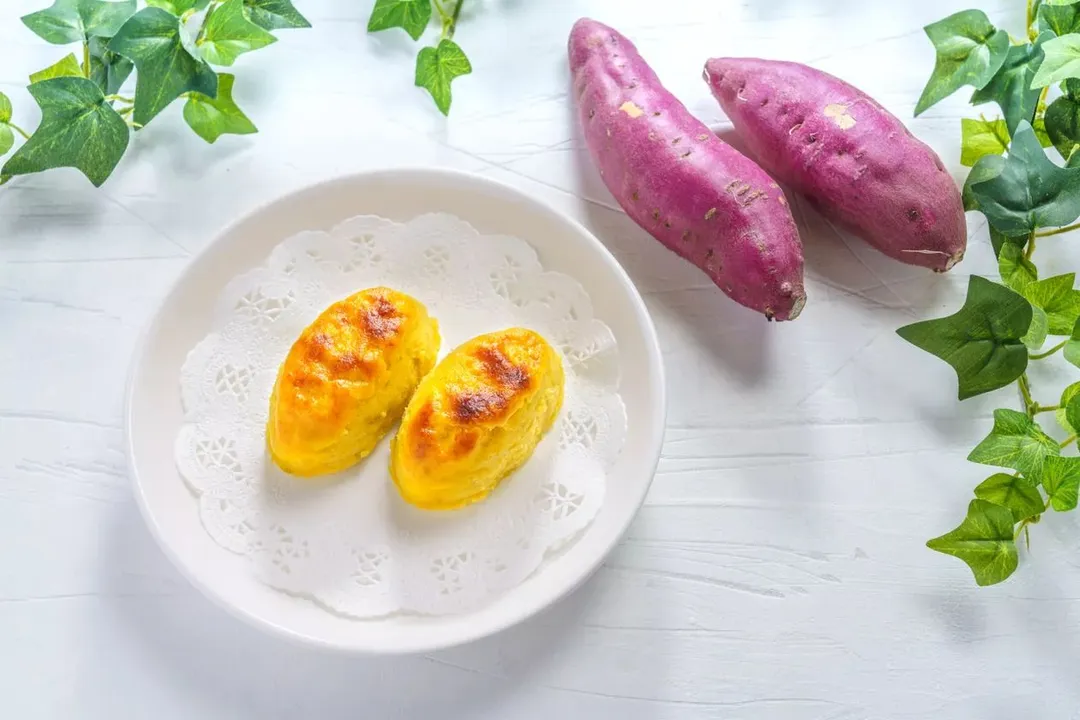
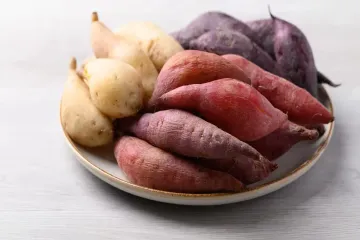
The Japanese sweet potato, often known as Satsumaimo, offers a delightful departure from the familiar orange-fleshed varieties common in many Western markets. Distinguished by its purplish-red skin and a pale yellow or white interior, this tuber brings a distinct sweetness and an incredibly creamy, almost custard-like texture once cooked. [1][5] While all sweet potatoes are nutritional powerhouses, understanding the specific profile of the Satsumaimo reveals why it deserves a regular spot in a health-conscious diet. [8]
# Nutritional Profile
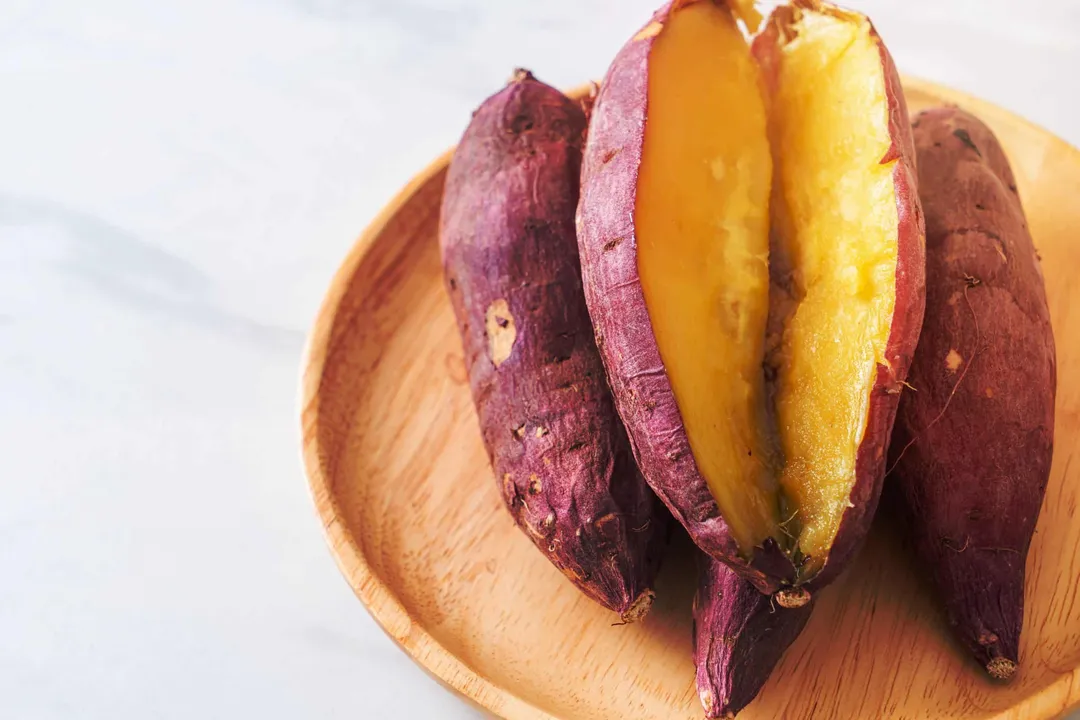
When looking at the composition of the Japanese sweet potato, one immediately notices its well-rounded macro and micronutrient distribution. [5] A medium-sized serving provides significant energy, primarily derived from complex carbohydrates, but it manages to keep its calorie count relatively modest compared to other starchy vegetables or tubers. [5] For instance, it often contains fewer calories per serving than a standard white potato. [5]
The mineral content is particularly noteworthy. Japanese sweet potatoes are a good source of potassium, an essential electrolyte crucial for maintaining healthy blood pressure levels and supporting proper muscle function. [5][8] They also contribute significantly to daily intake of manganese, a trace mineral important for metabolism and bone health. [5]
Vitamins are abundant here as well. They offer a solid dose of Vitamin C, which supports the immune system and acts as an antioxidant protecting cells from damage. [1][8] While orange-fleshed varieties are famous for beta-carotene (a precursor to Vitamin A), the Japanese types still contribute meaningfully to these essential fat-soluble vitamins. [1][5] One notable aspect when comparing varieties is the presence of unique pigments. If you encounter the deep purple-fleshed Ayamurasaki type, you gain substantial levels of anthocyanins, the same powerful antioxidants found in berries. [10] This difference means the health focus shifts slightly depending on the specific Satsumaimo cultivar you select: focusing more on Vitamin A in the yellow flesh or on anthocyanin protection in the purple flesh. [10]
# Gut Health Support
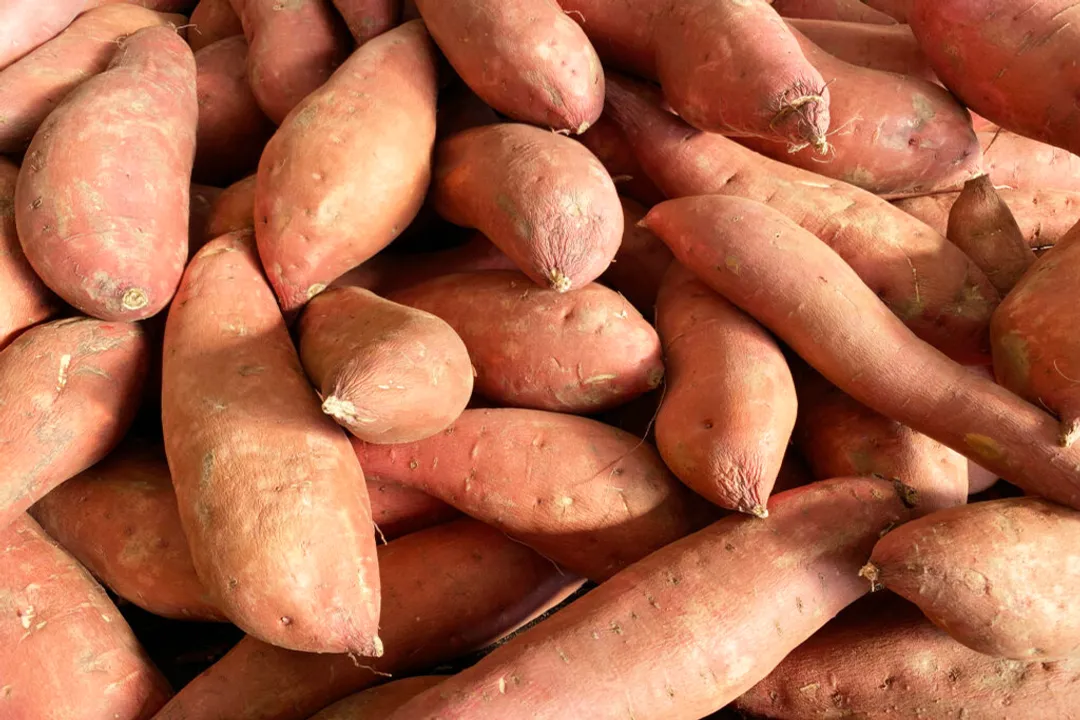
Dietary fiber is perhaps one of the most straightforward benefits derived from incorporating Japanese sweet potatoes into your meals. [1][5] Fiber is fundamental for digestive regularity, helping to move food smoothly through the digestive tract and preventing constipation. [5]
What makes the fiber in these tubers particularly interesting, especially when eaten with the skin on, is the presence of resistant starch. [1][4] Resistant starch is a type of carbohydrate that resists digestion in the small intestine and acts more like soluble fiber by reaching the large intestine intact. [1][4] Once there, it serves as a prebiotic, feeding beneficial gut bacteria. [1][4] A thriving gut microbiome is linked not only to better digestion but also to improved immune function and mood regulation. [4]
If you are actively trying to maximize the prebiotic effect, consider a simple cooling step after cooking. While boiling itself has been shown to affect the glycemic response, allowing the cooked sweet potato to cool fully—even for several hours in the refrigerator—encourages more of the starch to retrograde into resistant starch. [1] This subtle transformation means that leftovers, perhaps repurposed into a cold salad or just reheated gently, can offer a greater gut-support advantage than eating them immediately after boiling.

# Blood Sugar Response
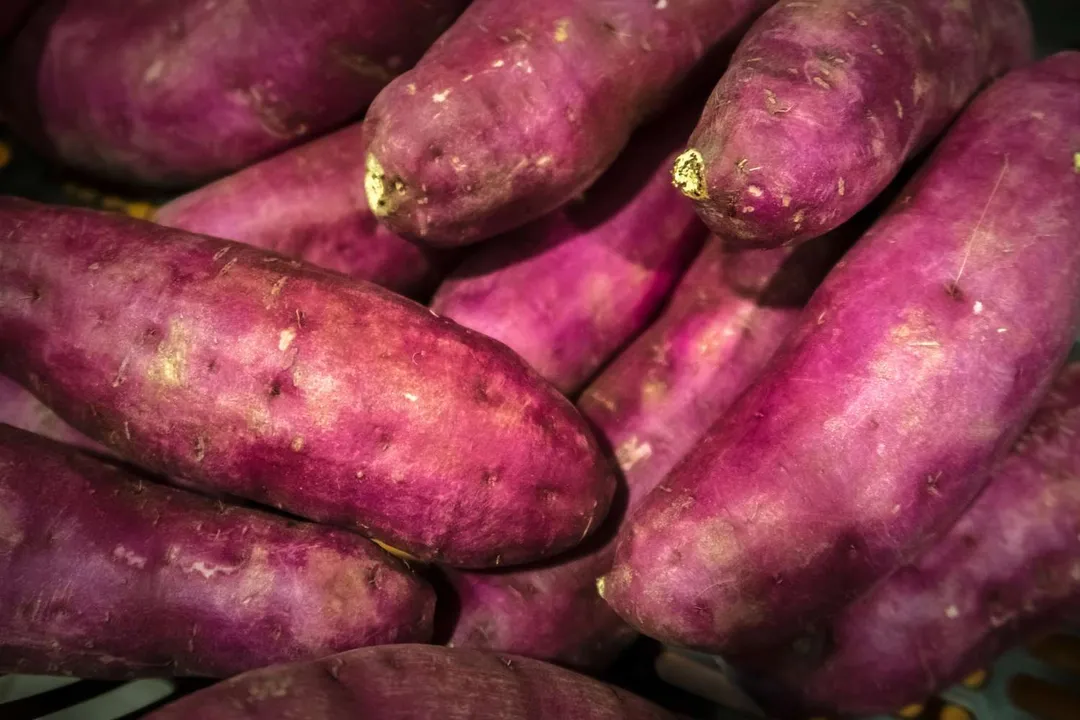
One common concern people have when adding starchy vegetables back into their diet relates to blood sugar management. Unlike refined carbohydrates, Japanese sweet potatoes offer a more nuanced impact on blood glucose levels. [4]
The overall Glycemic Index (GI) of the Satsumaimo is generally considered moderate, especially when prepared by boiling rather than baking. [1][5] The fiber and resistant starch mentioned previously work in concert to slow down the rate at which the sugars are absorbed into the bloodstream, preventing the sharp spikes associated with simple sugars. [1][4]
It is helpful to think about how preparation method alters the outcome. While a baked sweet potato—regardless of type—tends to have a higher GI because the heat breaks down the starches more fully, boiling the Japanese variety results in a lower overall GI score. [1] Furthermore, because the texture is so creamy and rich, a smaller serving size might feel more satisfying than a larger portion of a drier, fluffier potato, which can naturally aid in maintaining steady energy levels throughout the day. [5] This textural satiety is an often-overlooked factor in long-term dietary adherence; it’s not just about the numbers on the nutrition label, but how the food feels to eat. [5]
# Antioxidant Power
The pigments within the Japanese sweet potato flesh and skin offer significant defensive compounds for the body. [1] These antioxidants combat oxidative stress, which is a process linked to chronic diseases and aging. [8]
For the varieties with yellow or white flesh, beta-carotene provides the foundational antioxidant support, converting to Vitamin A in the body, vital for vision and immune response. [1][8] If you choose the purple-fleshed kind, the benefit shifts toward anthocyanins. [10] Anthocyanins are celebrated for their potential role in supporting heart health and reducing inflammation. [10] Although the specific concentration varies, enjoying the skin where many of these compounds are concentrated provides the best broad-spectrum benefit. If you are purchasing the common pale-fleshed Satsumaimo and planning to peel it, remember that you are removing a significant portion of the pigment-based defensive compounds. A light scrub is often sufficient to clean the skin for consumption, which is far preferable to discarding it entirely.
# Culinary Versatility and Texture
Beyond the raw nutritional data, the appeal of the Japanese sweet potato lies heavily in its culinary performance, which directly influences how often people choose to eat it. [5] The signature quality is its intense sweetness and moist, smooth texture when cooked. [1][5] Unlike the drier, starchier common sweet potato, Satsumaimo caramelizes beautifully, enhancing its natural sugars without becoming overly fibrous or crumbly. [1]
This creamy texture makes it remarkably adaptable. It can be used successfully in savory applications where a rich mouthfeel is desired, perhaps mashed with just a touch of olive oil instead of butter, or incorporated into soups for natural thickening. [5] In sweet dishes, it excels. Think of traditional Japanese desserts where its natural sweetness reduces the need for refined sugars. [5]
If you are accustomed to the standard U.S. sweet potato, which often requires added fats or sweeteners to achieve a desirable texture, switching to Satsumaimo can be a revelation. You may find that simply steaming or boiling this tuber yields a dish so naturally rich that very little else needs to be added to enjoy it fully, effectively reducing overall intake of added fats or sugars in your daily diet. [5] This natural richness is a key factor in making healthier eating choices more enjoyable and sustainable over time. [5] The versatility means you can swap it directly into recipes calling for regular sweet potatoes, often resulting in a superior final product in terms of both texture and flavor profile. [1]
Related Questions
#Citations
What Happens to Your Body When You Eat Japanese Sweet ...
Discover the Nutritional Benefits of Japanese Sweet Potatoes
Are Japanese Sweet Potatoes Healthy? Learn the Facts -
Naturopathic Kitchen: Sweet Potatoes - AANMC
Japanese Sweet Potato: Nutrition, Health Benefits, and Recipes
Hawaiian Okinawa Sweet Potato - Facebook
Sweet potatoes: Nutrition and Health Benefits - Healthline
Japanese Sweet Potato/Satsumaimo: Health Benefits ... - Netmeds
Sweet Potato Is Not Simply an Abundant Food Crop - NIH
Japanese Sweet Potato Nutrition: The Purple Superfood