Health Benefits of Japanese plum
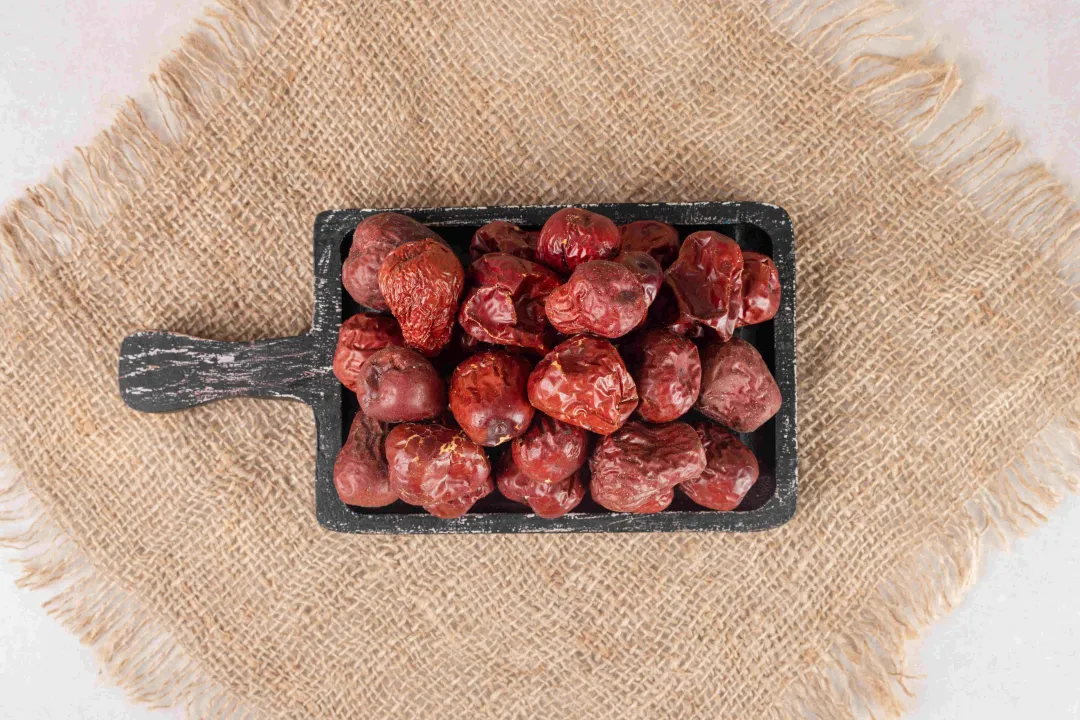
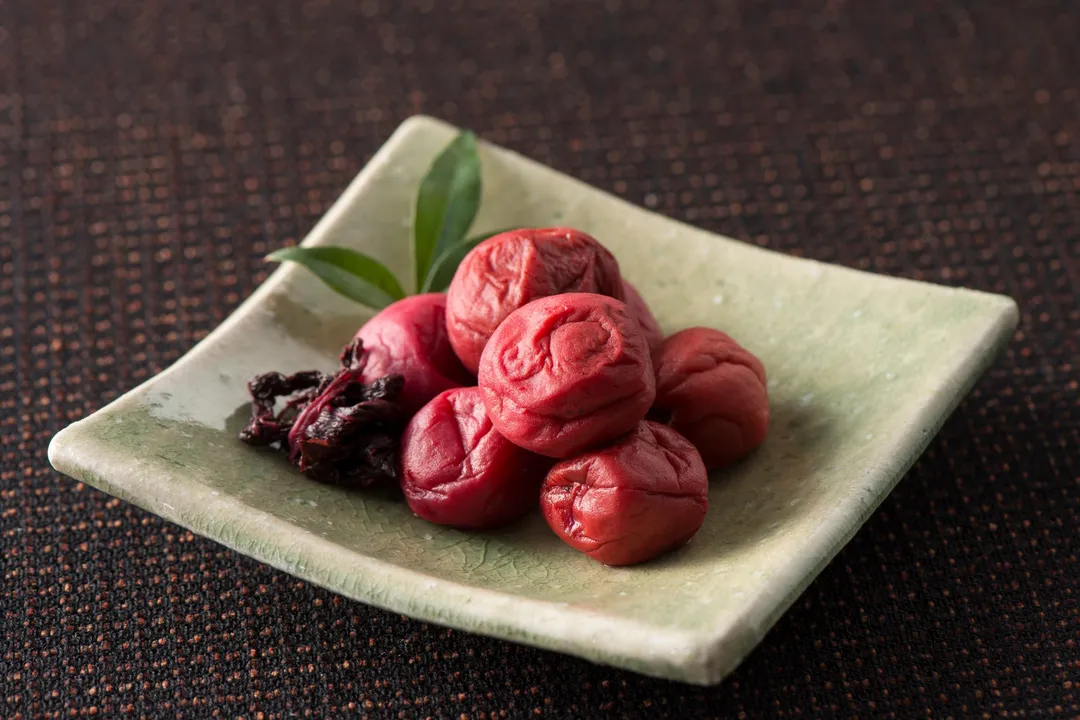
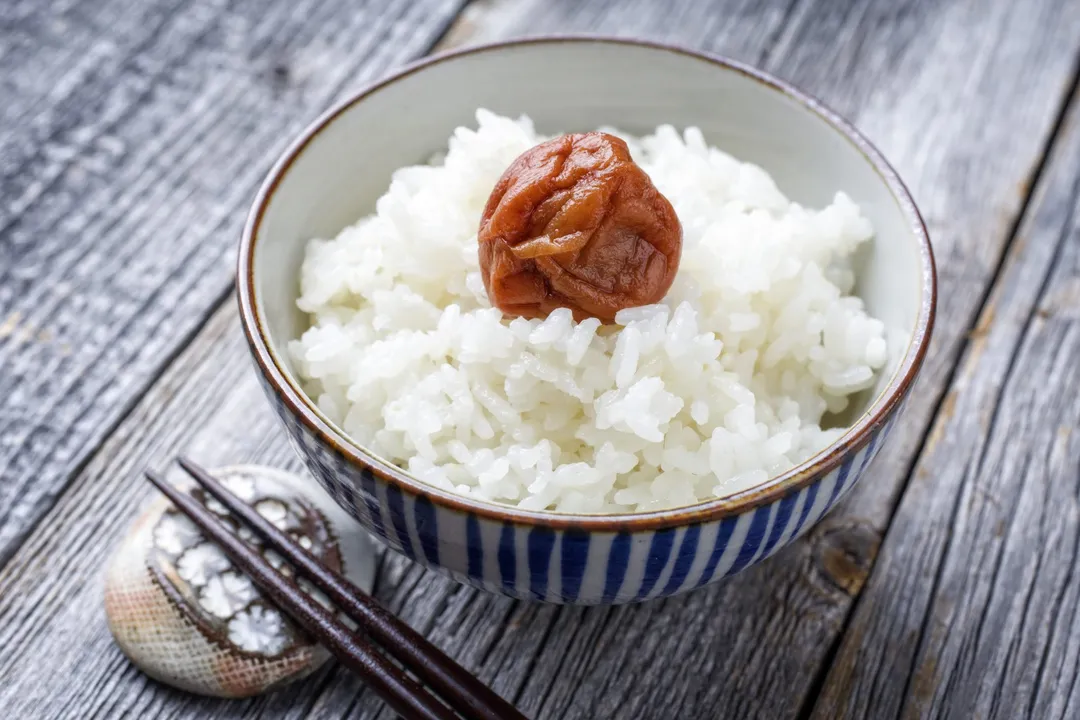
Japanese plums, or Ume, hold a unique and celebrated position in Japanese culinary and traditional health practices, far exceeding the simple sweet fruit known in many other parts of the world. [5][7] While the fresh Ume fruit is generally too sour for direct consumption, it is most famously preserved and eaten as umeboshi—a salty, sour pickled plum that serves as much more than just a condiment. [1][7] The health advantages associated with this staple are numerous, touching upon everything from gut health to revitalization after physical exertion. [5][9] It is the pickling and fermentation process that transforms the raw fruit into a powerhouse of beneficial compounds, making it a subject of genuine scientific interest. [4]
# Digestive Aid
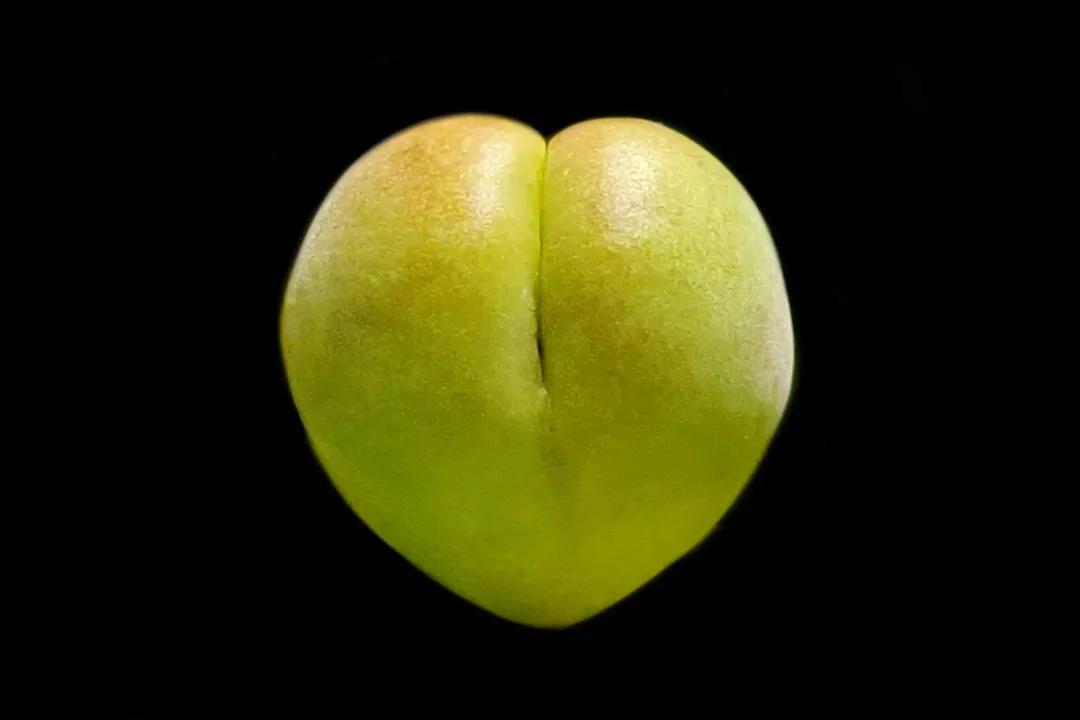
One of the most frequently cited advantages of consuming umeboshi relates directly to the digestive system. [1][5] The sour taste of the plum stimulates the secretion of saliva and gastric juices, which are essential for breaking down food efficiently. [1][7] This stimulation can help improve appetite and reduce feelings of sluggishness after a meal. [7]
The fermentation involved in creating umeboshi introduces beneficial organic acids, notably citric acid and lactic acid, which contribute significantly to its health profile. [1][5] Citric acid is well-known for its role in metabolism, helping the body convert carbohydrates, fats, and proteins into energy. [1] By promoting better digestive function, umeboshi can help move food through the system more smoothly, potentially easing minor constipation issues. [1]
A point worth considering is how this fermentation step fundamentally alters the fruit. Unlike eating a fresh plum for its natural fiber, consuming umeboshi is about the byproducts created during preservation. The intense sourness isn't just for flavor; it’s a chemical signal to the body that digestive enzymes are needed. If you were comparing umeboshi to a standard Western plum eaten fresh, the fresh fruit offers high levels of water-soluble vitamins and fiber directly, whereas the pickled plum delivers concentrated organic acids and salt to support active digestion. [1][5] This difference in mechanism means they serve slightly different, albeit complementary, roles in a diet focused on wellness.
# Fatigue Recovery
For centuries, umeboshi has been recognized in Japan as a restorative food, particularly useful for combating fatigue. [5] The intense, somewhat bracing flavor is said to refresh the mind and body. [7] This restorative effect is often attributed to the high concentration of minerals and the unique organic acids present in the preserved fruit. [5]
When the body experiences significant exertion, it can accumulate fatigue-inducing substances. The compounds within umeboshi are believed to help neutralize these byproducts, assisting the body in returning to a balanced state. [5] Furthermore, the pickling process naturally involves salt, which plays an important role in replenishing electrolytes lost through sweat. [9] While excessive sodium intake is a modern concern, in the context of post-exertion recovery or in balancing the body during intense heat, this electrolyte contribution becomes relevant. [9]
# Immune Support Properties
The preservation process doesn't just impart flavor; it also concentrates natural protective elements found in the Ume fruit, which are thought to support the body's natural defenses. [4] While research continues into the specific mechanisms, the presence of certain bioactive compounds like pinen has been noted in studies regarding Ume. [4]
These protective qualities are often linked to the overall gut health improvement that umeboshi provides. A significant portion of the body's immune system resides in the gut, so anything that fosters a healthier internal environment—like improved digestion and the presence of fermentation byproducts—indirectly bolsters overall immunity. [1]
# Nutritional Profile Highlight
While often consumed in small quantities due to its intense flavor and high sodium content, umeboshi does contribute several valuable micronutrients. [9] It contains minerals such as potassium and iron. [5]
The way umeboshi is prepared dramatically influences its final nutritional makeup. Some traditional methods involve adding red shiso leaves during the pickling process, which contributes a deep red color and additional antioxidants to the final product. [1] This natural coloring agent is a marker of added phytonutrients, demonstrating how the traditional preparation method itself enhances the fruit's value beyond simple preservation.
Here is a brief comparative view of the general nutritional impact of the pickling process:
| Component | Fresh Ume (Inferred) | Pickled Ume (Umeboshi) | Primary Health Relevance |
|---|---|---|---|
| Water Content | High | Significantly Reduced | Concentration of non-water components |
| Citric Acid | Present | Highly Concentrated | Metabolic support, energy conversion [1] |
| Sodium | Low | Very High | Electrolyte replenishment, flavor [9] |
| Bioactive Compounds | Moderate | Concentrated/Altered | Immune and digestive support [4][5] |
# Potential Detoxification Effects
Traditional uses sometimes point toward the fruit's ability to cleanse or detoxify the body. [5] This perception is largely rooted in the fruit’s acidity and its positive impact on liver function and bile production, which are key aspects of the body's natural cleansing processes. [1] By supporting the digestive tract—the body’s primary route for eliminating waste—the Ume facilitates smoother detoxification pathways. [1]
It is important to frame "detoxification" within modern nutritional understanding: the fruit does not magically remove toxins, but rather it supports the organs (liver, kidneys, intestines) that are already tasked with that job by ensuring they function optimally. [1] The stimulating effect on saliva and digestive juices helps kickstart the entire breakdown and elimination sequence.
# Distinguishing from Loquat Fruit
While the discussion often centers on the Ume plum, it is easy to confuse it with another fruit enjoyed in Japan, the Loquat (Eriobotrya japonica). [3][8] The Loquat, which is more like a small, fuzzy orange or apricot, offers its own set of distinct health advantages when eaten fresh. [3][8]
Loquats are rich in fiber, dietary fiber, and contain significant amounts of Vitamin A (beta-carotene). [3][8] They also provide compounds like amygdalin, which is associated with supporting respiratory health. [3] When comparing the two, the Ume (as umeboshi) is utilized for its concentrated sourness, salt content, and fermentation acids, often for digestion and energy restoration. [1][5] The Loquat, conversely, is eaten fresh for its vitamin content and fiber, offering a sweeter, milder profile that is closer to stone fruits like apricots. [3][8] They are botanically different fruits serving different roles in the Japanese diet and traditional medicine system. [4]
# Practical Application and Consumption
The main barrier to consistently enjoying umeboshi is its intense saltiness and sourness. [9] For those looking to gain the benefits without overdoing the sodium, creative application is key. You can find umeboshi paste, which is less structurally intact than the whole pickled fruit, making it easier to incorporate into other dishes. [7]
Here is a practical approach for integrating umeboshi benefits into daily meals without making it the star flavor: Consider using a small amount of umeboshi paste mixed with a little soy sauce, sesame oil, and perhaps a touch of mirin to create a vibrant glaze for lean white fish or chicken breast before baking. This method ensures the digestive stimulants and organic acids from the plum coat the protein, balancing out the sodium with the rest of the flavor profile, allowing you to receive the restorative effects mentioned earlier without relying on it as a standalone snack. [1][5] This small addition transforms an otherwise simple preparation into a dish infused with traditional digestive support.
Another useful insight relates to modern energy drinks versus traditional recovery. Many modern recovery beverages focus on sugar spikes followed by crashes. Umeboshi, with its emphasis on stimulating natural digestive processes and replenishing electrolytes, offers a way to encourage the body’s internal metabolic drive for energy, rather than relying on external, rapidly absorbed sugars for a temporary lift. [5] This slower, more supportive mechanism might appeal to those seeking sustained wellness rather than immediate, short-term performance boosts.
# Research Focus on Ume Components
The scientific interest in the Ume plum stems from specific components that are retained or created during processing. [4] Researchers have focused on understanding the effects of compounds like pinen and the high concentrations of organic acids that emerge during fermentation. [4][1] This attention from research bodies indicates that the traditional beliefs surrounding the fruit are being investigated for modern validation. [4] The Japanese Science and Technology Agency (JST) has noted this type of investigation, suggesting an authoritative interest in documenting these traditional health correlations. [4] The documented acidity is crucial, as it directly relates to the stimulation of appetite and digestive secretions. [7]
In summary, the Japanese plum, primarily experienced as umeboshi, is a highly concentrated source of traditional wellness support. Its benefits are tied tightly to the fermentation process, yielding a unique profile of organic acids that aid digestion, support energy conversion, and contribute to overall bodily balance. [1][5] While distinguishing its effects from those of the Loquat fruit is necessary for accurate dietary choices, the umeboshi remains a powerful, albeit intensely flavored, staple in East Asian health traditions. [3][8]
#Videos
Health Benefits of the Loquat (also called the Japanese Plum)
Related Questions
#Citations
The Astonishing Health Benefits of Umeboshi - Cooking with Yoshiko
Health Benefits of the Loquat (also called the Japanese Plum)
Loquat: Health Benefits & Nutrition - WebMD
"Umeboshi": The Health Secrets of Japan's Sourest Fruity Treat
7 Health Benefits of Ume Plum - Rasāsvāda
Umeboshi, Japanese Pickled Plum, Health Benefits and ... - Facebook
5 reasons why Umeboshi are so healthy | PMC
7 Surprising Benefits of Loquats - Healthline
Umeboshi Plums Benefits, Nutrition, Uses, Recipes and More - Dr. Axe