Health Benefits of Plum
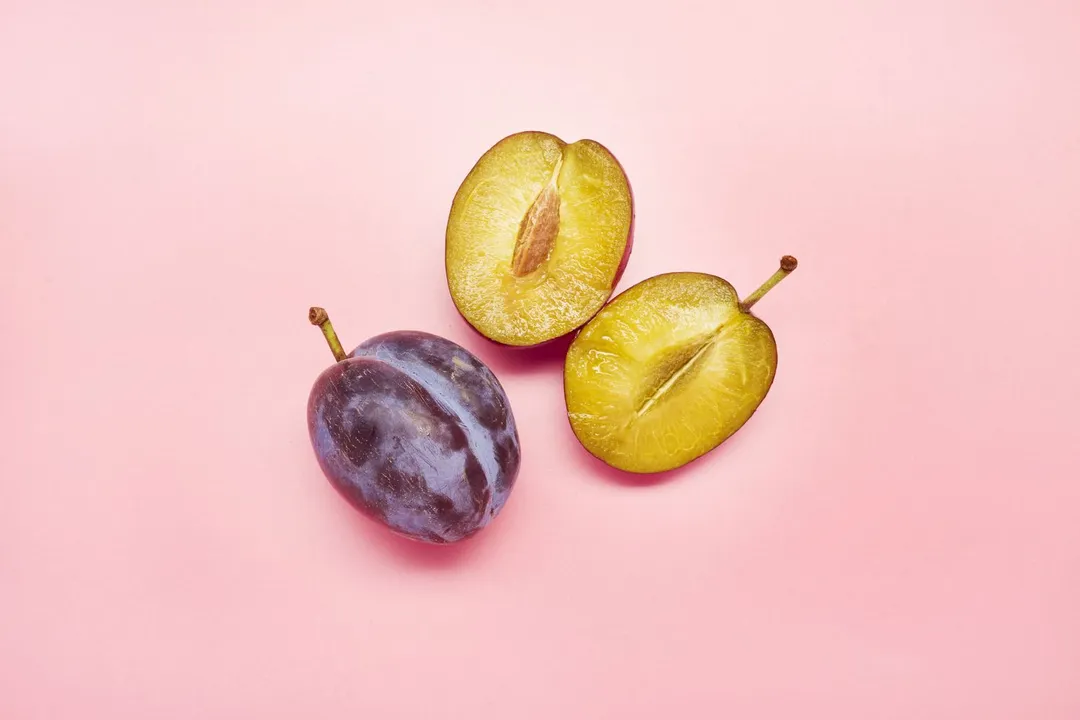
The simple plum, whether enjoyed fresh off the branch or dried into a prune, packs a surprising amount of nutritional support into its relatively small package. These stone fruits, often appreciated for their sweet-tart flavor, offer far more than just a pleasant taste; they contribute significantly to several key areas of bodily wellness, particularly digestion and cardiovascular maintenance. [1][2] The deep purple skin, often left uneaten, holds a high concentration of beneficial compounds, making the entire fruit a worthwhile addition to any diet. [3]
# Digestive Aid
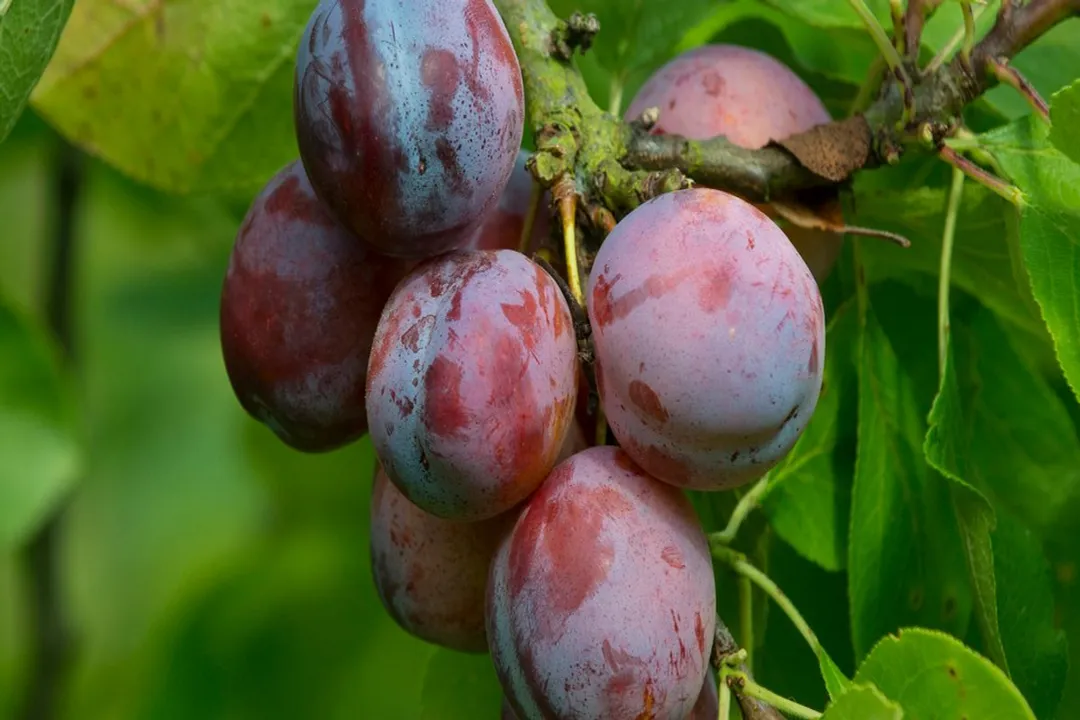
Perhaps the most widely recognized benefit of consuming plums and, more specifically, prunes, centers on keeping the digestive system moving smoothly. This effect is largely attributed to their dual action: providing dietary fiber and containing natural laxatives. [2][7] Fresh plums contain both soluble and insoluble fiber, which helps bulk up stool and regulate transit time. [1][5] Insoluble fiber adds volume, helping material pass through the system, while soluble fiber dissolves in water, forming a gel-like substance that can soften stools. [5]
Prunes, however, concentrate these elements, along with a sugar alcohol called sorbitol. [2][3] Sorbitol is not fully absorbed by the body; instead, it draws water into the colon, which further encourages bowel movements. [1][3] This combination makes prunes a well-known natural remedy for constipation. [2][7] For those introducing prunes specifically for regularity, beginning with a small portion—perhaps two or three fruits—and consuming them consistently is advisable, rather than eating a large quantity at once, which can lead to excessive gas or cramping. [1] Additionally, eating them alongside a glass of water can maximize the hydrating effect of the sorbitol and fiber. [5]
# Heart Health
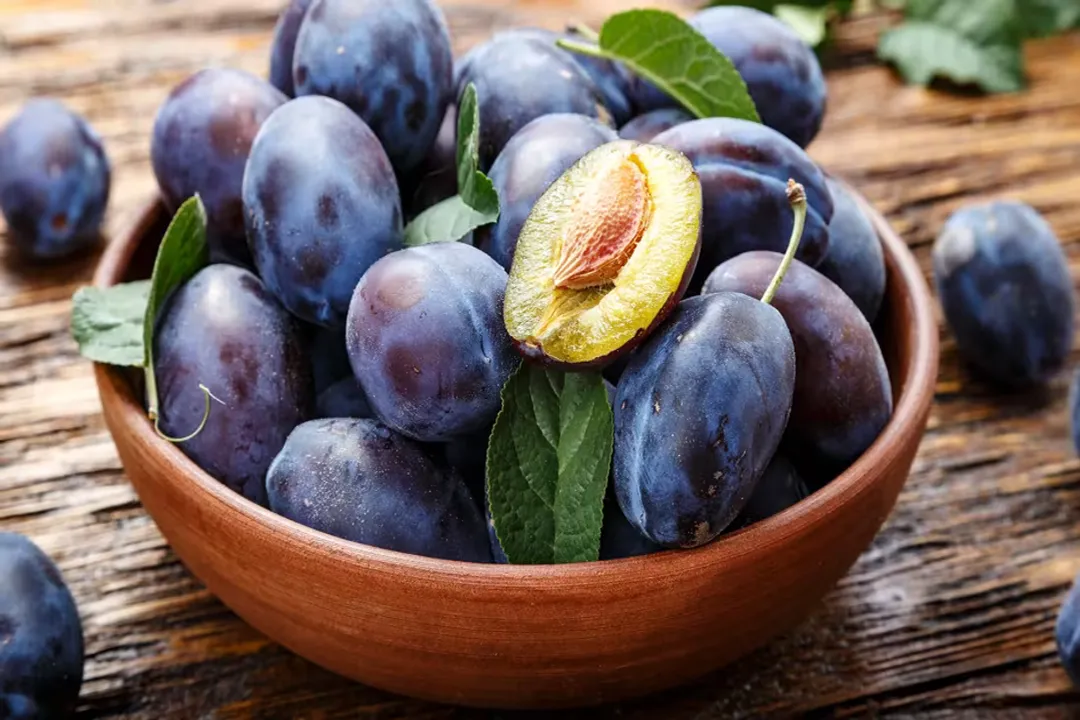
Maintaining a healthy heart relies significantly on managing blood pressure and keeping arteries flexible, areas where plums can offer assistance. [3] Plums are a good source of potassium, a mineral essential for blood pressure regulation because it helps balance out the negative effects of sodium in the diet. [1][5] Adequate potassium intake can help relax blood vessel walls, which in turn can reduce overall blood pressure. [3]
Beyond minerals, the powerful phytochemicals present in plums contribute to cardiovascular protection. [6] These fruits contain various antioxidants, including neochlorogenic and chlorogenic acids, which are linked to reducing oxidative stress and inflammation within the circulatory system. [6] Lowering chronic inflammation is a key strategy in preventing long-term cardiovascular disease. [1]

# Antioxidant Content
The vibrant color of a plum is a visual clue to its high concentration of disease-fighting antioxidants, specifically polyphenols. [1][3] These compounds function by neutralizing harmful free radicals in the body, thereby reducing cellular damage that can lead to chronic disease. [1] Studies have indicated that the polyphenols in plums exhibit significant antioxidant activity. [6]
When comparing the fresh fruit to its dried counterpart, the preservation method matters. While the drying process can sometimes reduce heat-sensitive vitamins like Vitamin C, it often concentrates the mineral and phenolic content relative to the weight. [1] For instance, the chlorogenic acid content, a primary polyphenol, remains high and is one of the main contributors to the fruit’s recognized health-supporting properties. [6] This concentration means that a small serving of prunes often delivers a greater dose of these protective plant compounds than a similar weight of fresh plums. [1]
# Bone Density
One area where prunes show distinct advantages over many other fruits is in supporting skeletal health. [7] Research specifically suggests that regular consumption of prunes may help promote bone health and even prevent bone loss, particularly in postmenopausal women. [1][7] This effect is thought to be linked to the fruit's mix of vitamins, minerals, and bioavailable phenolic compounds, which may inhibit bone breakdown and promote bone formation. [7]
For many individuals concerned about age-related bone density changes, incorporating several dried plums daily has shown measurable positive effects in studies, positioning them as a functional food for skeletal maintenance. [1][7]
# Nutrient Profile
Plums and prunes deliver a substantial amount of essential micronutrients for relatively few calories. [5] While they are not the highest source of every vitamin, they offer a well-rounded profile that supports general bodily function. [3]
| Nutrient | Primary Benefit | Found In |
|---|---|---|
| Vitamin K | Blood clotting, bone metabolism | Plums and Prunes [1][3] |
| Vitamin C | Immune function, collagen synthesis | Fresh Plums [1][5] |
| Vitamin A (as Beta-Carotene) | Vision, immune support | Plums [3] |
| Potassium | Blood pressure regulation | Plums and Prunes [1][5] |
It is interesting to note that while Vitamin C content is highest in fresh plums, the drying process concentrates the minerals and the fat-soluble components like Vitamin A precursors. [3] If you are relying on fresh plums in the summer for an immediate Vitamin C boost, eating them raw preserves the most nutritional value for that specific vitamin, as exposure to high heat during processing can cause degradation. [5]
# Fresh Dried
The choice between enjoying a fresh plum or a dried prune often comes down to timing, intended use, and specific health goals. Fresh plums are typically lower in calories and sugar per serving, making them an excellent light snack when in season. [1] They offer a burst of hydration and immediate Vitamin C.
Prunes, on the other hand, are a powerhouse of concentrated energy, fiber, and specific minerals, which is why they are the preferred form when targeting sustained digestive regularity or bone support. [7] A practical consideration when planning meals is understanding this concentration: you might need to eat five or six fresh plums to equal the fiber or potassium content of just two or three prunes. [1] Therefore, if you are tracking sugar intake closely but still want the antioxidant benefits, fresh plums are easier to moderate. If you are focusing purely on fiber load or potassium density, dried fruit is more efficient.
# Blood Sugar Management
Given that plums contain natural sugars, it might be surprising to learn they can still be included in a diet mindful of blood sugar levels. [5] This is largely due to the high fiber content. [1] Fiber slows down the rate at which sugar enters the bloodstream, helping to prevent the sharp spikes that can strain the body's insulin response. [5]
Plums are considered to have a low glycemic index (GI), meaning that they do not cause a rapid rise in blood sugar after eating. [1] This slower absorption rate, aided by the structure of the sugars combined with the fiber matrix of the fruit, makes them a safer and often beneficial choice for individuals monitoring their glucose levels compared to refined sweets. [5]
# Eye Wellness
The inclusion of Vitamin A, often in the form of beta-carotene, provides another layer of benefit when consuming plums. [3] Beta-carotene is a precursor that the body converts into Vitamin A, which is vital for maintaining good vision, particularly in low light conditions. [3] While other foods are richer sources of Vitamin A, the contribution from plums, especially when considering their high antioxidant load overall, still supports good eye health as part of a varied diet. [3]
Related Questions
#Citations
7 Health Benefits of Plums and Prunes
6 Health Benefits of Plums
Health Benefits of Plums
Plum good health benefits - AgriLife Today
Top 5 health benefits of plums
Plum supplementation and lipid profile: a systematic review ...
What Happens to Your Body When You Eat Plums Regularly
Amazing Health Benefits of Eating Plums Daily | Plum Benefits ...