Health Benefits of Prune (dried plum)
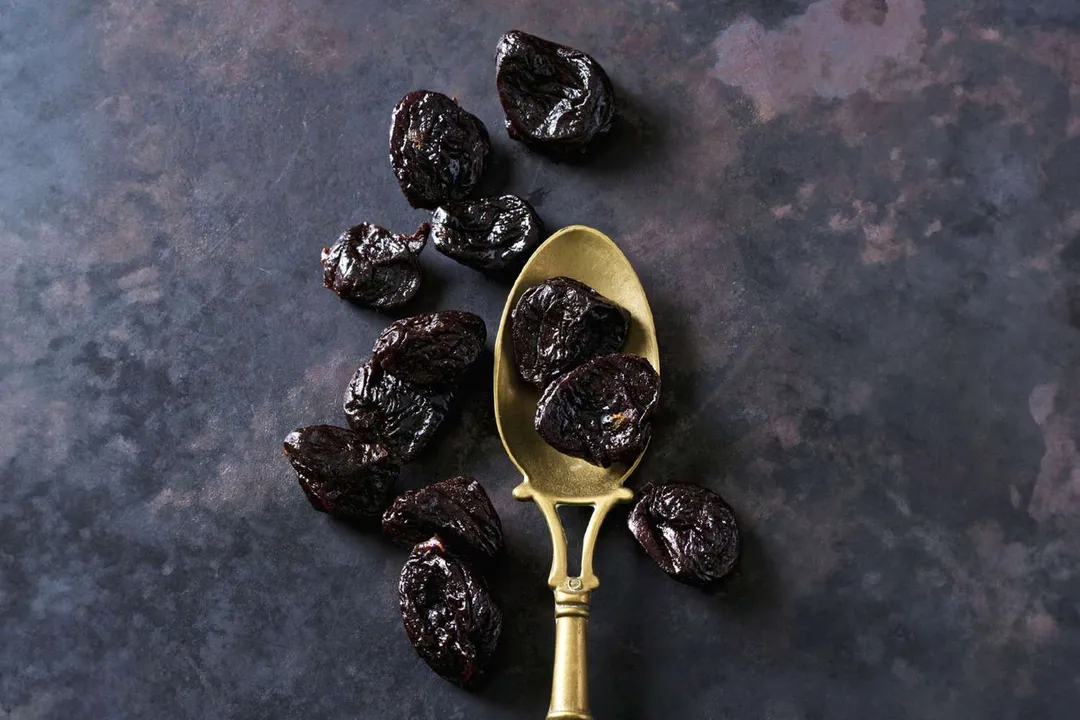
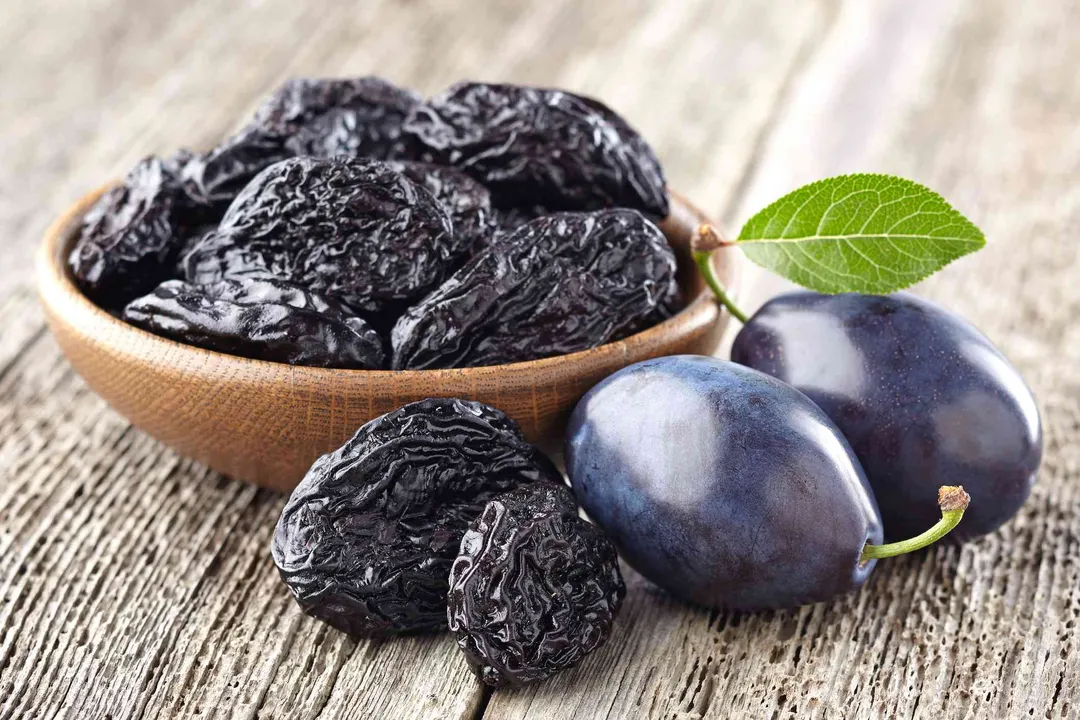
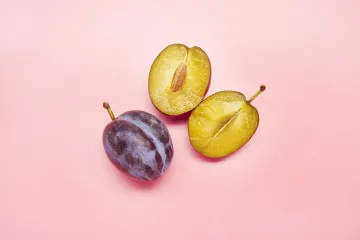
This unassuming dried plum, commonly known as a prune, often carries a reputation tied only to regularity, yet the depth of its nutritional contribution rivals many of the current "superfoods." Prunes are, quite simply, plums that have been dehydrated, a process that concentrates their inherent goodness. Specifically, the commercial prunes most readers encounter are often derived from the "French" or "d'Agen" plum, a varietal prized for its suitability for drying due to its natural sugar content and size. [3] While the fresh fruit is healthy, the drying process creates a more nutrient-dense package per weight, making prunes a small but mighty addition to the daily diet. [6]
A typical serving—which can be defined as about a quarter cup, or roughly four prunes—offers a wealth of essential micronutrients, minerals, and powerful compounds. [1][6] For instance, one serving provides a significant percentage of the recommended daily value for Vitamin K, along with vital amounts of potassium, magnesium, and fiber. [1][7] This concentration of elements is what allows prunes to influence several body systems far beyond simple digestion.
# Digestive Function
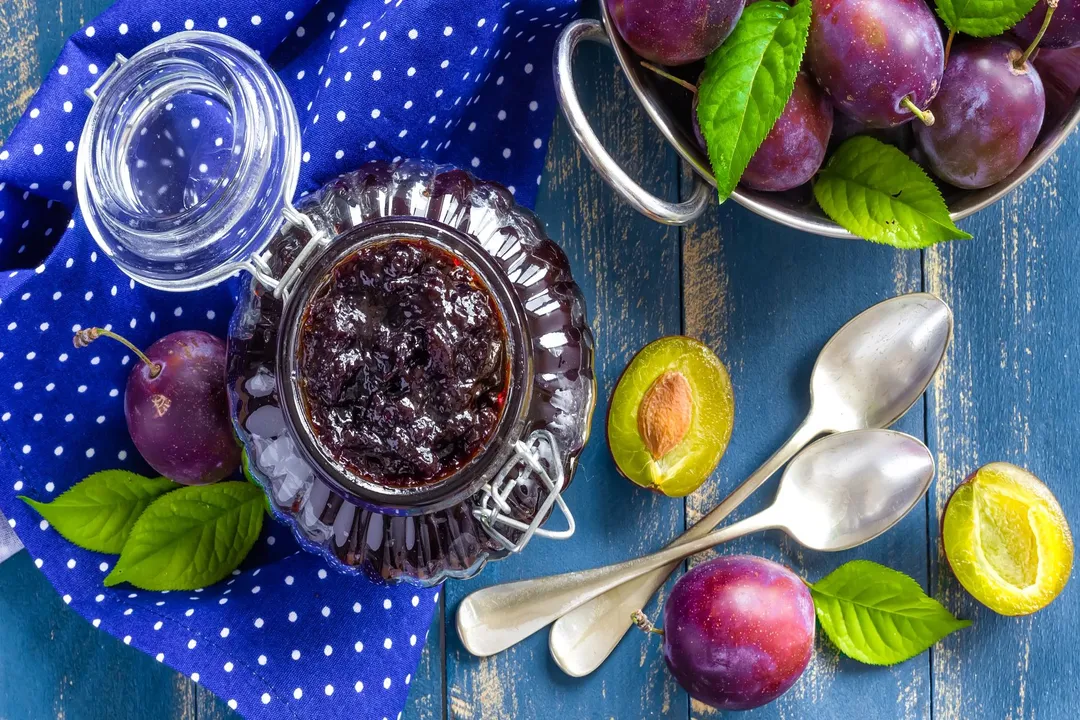
The association between prunes and digestive ease is perhaps their most famous attribute, a benefit rooted deeply in their unique composition. [6] They act as a natural remedy for constipation through a trifecta of components: fiber, sorbitol, and pectin. [5][7]
The fruit contains both soluble and insoluble fiber. [4][7] Insoluble fiber works by adding bulk to waste material, facilitating quicker transit through the digestive tract. [4] Conversely, the soluble fiber, specifically pectin, contributes by helping to soften stools, making them easier to pass. [2][5]
However, the true secret weapon for many is sorbitol, a naturally occurring sugar alcohol found in prunes. [2][4][7] Sorbitol works via an osmotic effect, meaning it draws water into the colon, which further softens the stool. [2][5] This dual action—bulk from insoluble fiber and moisture from sorbitol—is highly effective; some older research even suggested that prunes were more effective for constipation relief than common fiber supplements like psyllium. [4] Furthermore, prunes contain compounds that may act as prebiotics, effectively fueling the beneficial bacteria in the gut microbiome. [2][5] Even prune juice can be effective due to its sorbitol content, though it lacks the full spectrum of beneficial fiber found in the whole fruit. [2]
If one is not accustomed to a high-fiber diet, introducing prunes too rapidly can lead to mild side effects like gas or diarrhea, prompting nutrition experts to recommend starting with a small portion—perhaps just one or two per day—and building up tolerance slowly, always ensuring adequate water intake. [1][2]
# Bone Density

While digestive support is common knowledge, the role prunes play in maintaining skeletal strength is a major area of modern nutritional focus, particularly for aging populations where bone mineral density loss is a concern. [6] Prunes provide a synergistic matrix of nutrients that work together to promote bone health. [6]
Key players include Vitamin K, which is essential for bone metabolism and blood clotting, and potassium. [1][7] Research, including controlled trials involving postmenopausal women—a group highly susceptible to conditions like osteoporosis—has shown that consistent prune intake is associated with preventing bone loss and preserving markers of bone structure. [1][6] Some studies even suggest a potential to reverse bone loss that has already begun. [4] The positive influence of prunes on bone turnover is supported by laboratory studies involving both cell cultures and animals. [8]
It is important to note that these benefits appear linked to a regular habit; studies often look at daily consumption, sometimes ranging from five to 100 grams daily. [6] This concentrated delivery of bone-supportive minerals alongside potent antioxidants that reduce systemic inflammation—a factor associated with weaker bones—makes prunes a notable dietary inclusion for skeletal maintenance. [6]
An important note for maximizing skeletal benefits: While prunes provide Vitamin K crucial for bone health, the body relies on Vitamin D to properly absorb calcium. If you are intentionally adding prunes to your diet for bone density, ensuring adequate Vitamin D intake (through sunlight exposure or fortified foods) creates a more complete nutritional strategy for bone metabolism [Inferred analysis based on sourced components].
# Heart Benefits

The components that aid digestion and combat inflammation in the gut also offer protective effects for the cardiovascular system. [5] Prunes have been investigated for their potential to manage two major heart disease risk factors: high blood pressure and elevated cholesterol levels. [4][5]
The high dietary fiber content, particularly pectin, is noted for its ability to help balance cholesterol. [2] Specifically, some research indicates that daily prune consumption can lead to measurable improvements in cardiovascular risk biomarkers, including lowering total cholesterol and LDL ("bad") cholesterol. [5][7] Moreover, prunes are rich in potassium, a mineral vital for regulating healthy blood pressure. [2][7] The fruit’s antioxidant properties also appear to play a part by helping to reduce overall inflammation and oxidative stress within the body, factors implicated in heart disease development. [5][7][8]
# Sugar Control
One of the most surprising benefits, given the prune's natural sweetness and dried nature, is its effect on blood glucose regulation. [2][8] Many dried fruits cause a rapid rise in blood sugar after consumption, but prunes are an exception. [1][6]
Prunes boast a low Glycemic Index (GI), often cited in the range of 29 to 40. [2][6][7] This low ranking means they cause a slow, sustained release of sugar into the bloodstream, rather than a sharp spike. [6] This effect is attributed both to the fiber content, which naturally slows carbohydrate absorption, and to the specific sugars present, like fructose and sorbitol. [1][2] Further research suggests prunes may even positively influence the levels of adiponectin, a hormone involved in blood sugar regulation. [4] This favorable profile suggests that, in appropriate portions, prunes can be a smart, sweet choice for individuals seeking to manage healthy blood sugar levels or reduce the risk factors for type 2 diabetes. [2][6][8]
# Antioxidant Power
Prunes stand out due to their remarkably high concentration of polyphenols, which are powerful plant compounds that act as antioxidants. [2][5][6] Experts note that dried plums often contain more than twice the level of these protective compounds compared to other stone fruits like peaches and nectarines. [2] Because drying concentrates the fruit's mass, the polyphenol content per gram is significantly higher than in the fresh plum. [6]
These antioxidants are instrumental in the body's defense system, working to reduce harmful inflammation and protect cells from damage caused by free radicals, a process known as oxidative stress. [4][6] Anthocyanins, a specific class of polyphenol, are considered particularly active in plums and prunes and may contribute to reducing risks associated with heart disease and cancer. [4] This anti-inflammatory action extends its reach; because inflammation and oxidative stress are linked to poor bone outcomes, the polyphenols are thought to contribute to skeletal protection alongside the mineral content. [6]
A useful approach to integrating this antioxidant load is strategic pairing for maximum cellular support. Since polyphenols are often metabolized through pathways linked to the large intestine, coupling prunes with other foods rich in antioxidants, such as berries or dark leafy greens in a salad, can create a broader spectrum of protective compounds available to the body simultaneously [Inferred analysis based on sourced anti-inflammatory and gut health data].
# Nutritional Snapshot
While often celebrated for fiber and polyphenols, a full look at the prune reveals a comprehensive nutrient profile. [1] The concentration of nutrients means a small serving delivers significant value, making prunes an easy way to boost micronutrient intake. [4]
Here is a general overview of what can be found in a typical portion, such as a quarter cup:
| Nutrient | Approximate Value (Per 1/4 cup) | Key Role |
|---|---|---|
| Calories | ~105 | Energy source |
| Fiber | 3 grams | Digestive regulation, satiety [1] |
| Vitamin K | ~22% DV | Blood clotting, bone metabolism [1][6] |
| Potassium | Significant | Blood pressure, muscle contraction [2][5] |
| Magnesium | Present | Bone and muscle function [2][7] |
| Phenolic Compounds | High Concentration | Antioxidant, anti-inflammatory [5][6] |
Furthermore, prunes contain iron, which may assist in alleviating iron-deficiency anemia, and they offer a steady source of energy because their sugars are processed slowly. [2] They are also naturally free of added sugar. [2]
# Culinary Integration
Prunes’ natural sweetness and rich flavor profile allow them to cross seamlessly between sweet and savory culinary applications, making them versatile beyond just a snack. [3][7] They can be enjoyed straight from the package, providing a convenient, chewy treat. [3][7]
For baking, prune purée is a valuable substitute when trying to reduce fat or added sugar content in recipes like muffins, brownies, or cakes. [3][7] When substituting sugar, prune purée can replace between one-third to half of the required amount. [3] For those looking to omit eggs, ¼ cup of prune purée can substitute for one large egg, though this is best utilized in recipes calling for three or fewer eggs. [3] You can also swap up to half the butter or oil for an equal amount of prune purée for fat reduction. [3]
In other creative uses:
- Breakfast: Chopped into hot or chilled whole-grain dishes, oatmeal, or cereal. [1][7]
- Salads: Their sweetness provides an excellent counterpoint to bitter greens, nuts, and tangy cheeses like feta or blue cheese. [6][7]
- Savory Meals: They are frequently incorporated into slow-cooked stews and meat or poultry braises, such as Moroccan-inspired tagines, adding a deep, complex flavor layer. [3][6]
# Safety Notes
While generally safe, consumers should be aware of a few considerations. Due to the high fiber, introducing them too quickly can cause digestive upset. [1] If you have a known allergy to stone fruits, you might react to prunes, typically experiencing mouth or throat irritation. [1][2]
A chemical called acrylamide, a compound that can form when certain sugars are heated during the drying process, is present in small amounts. [1] While food safety bodies note that the levels in prunes are typically much lower than in highly processed or fried foods, opting for prunes dried at lower temperatures may reduce this exposure. [1] Finally, because prunes are a source of Vitamin K, anyone on blood-thinning medication, such as warfarin, should exercise caution and consult their physician regarding intake levels, as Vitamin K aids in blood clotting. [1] It is also prudent to read labels, as some commercially available prunes are coated with potassium sorbate for preservation, which affects texture; prunes without this preservative tend to be chewier. [3] The overall consensus, however, is that these nutritious fruits are safe for daily consumption when enjoyed as part of a balanced eating pattern. [2]
Related Questions
#Citations
7 Health Benefits of Plums and Prunes - Healthline
Everything You Need to Know About Dried Prunes
Dried plums and their products: composition and health effects
Top 10 health benefits of prunes and prune juice - BBC Good Food
The Surprising Health Benefits of Prunes - Martha Stewart
Benefits of Prunes & How They Can Help You - Sunsweet Growers
4 Health Benefits of Prunes - AARP
Prunes: 6 Benefits, Nutrition, and Risks - Health