Health Benefits of Russian Banana Potato
The Russian Banana fingerling potato stands out in any produce basket, not just for its unusual, elongated shape but also for the rich depth of flavor it brings to the plate. When you first encounter one, its appearance might suggest a novelty item, but this variety has a history and texture that cooks and eaters highly value, often overshadowing its more common, rounder cousins. [3] Unlike the fluffy Russet or the all-purpose Yukon Gold, the Russian Banana commands attention, inviting closer inspection of its slender, curved body and bright yellow flesh. [1][5] This is a potato that bridges the gap between traditional gardening favorites and the specialty market, offering a culinary experience rooted in history while fitting perfectly into modern, health-conscious cooking. [3][7] Its primary claim to fame in the kitchen is its waxy nature, which dictates how it behaves under heat and why it excels where other potatoes might fall apart. [2]
# Appearance Origin
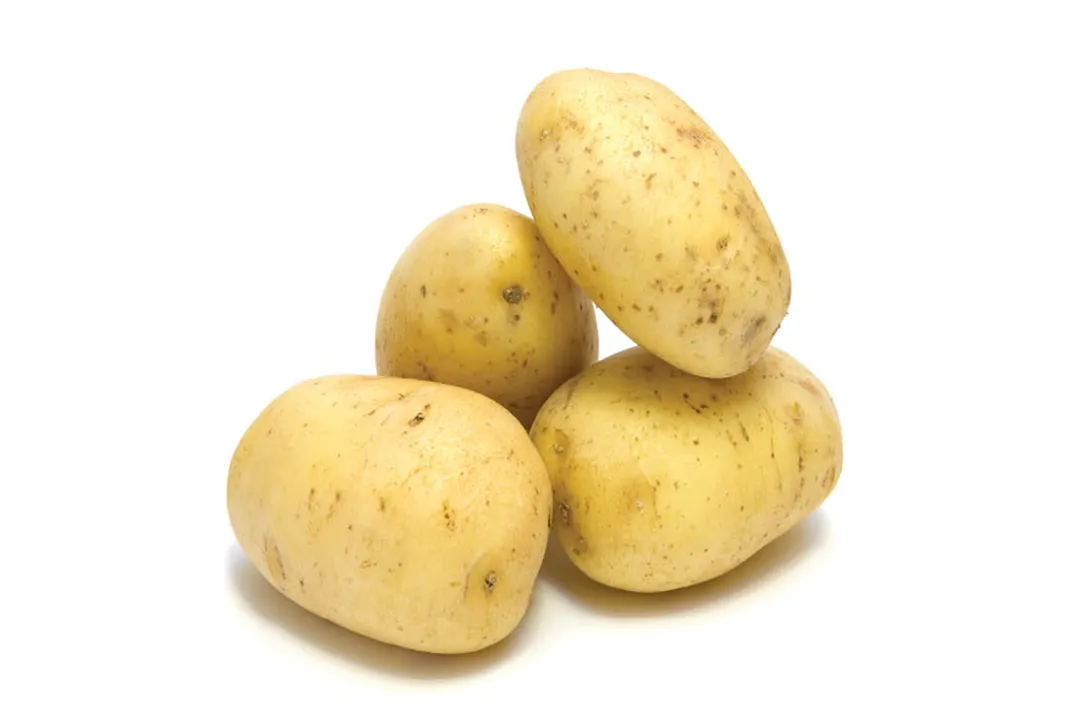
The visual signature of the Russian Banana potato is its distinct morphology. These potatoes are characterized by their fingerling shape, meaning they are small, elongated, and often noticeably curved, sometimes bearing a resemblance to a small, yellow banana. [1][5] They typically feature smooth, thin skin, usually a pale yellow or sometimes slightly white, encasing flesh of the same hue. [1] Often referred to simply as "White Russian Banana" fingerlings, this variety maintains an identity separate from bulk commodity potatoes due to its heritage and specific growing requirements. [3][7] As a fingerling, it is not meant for mass storage but is prized for its early maturity and excellent holding quality once harvested. [7] Its appeal lies in its heirloom quality; while its exact lineage is often shrouded in the history common to many heritage vegetables, it represents a connection to older, perhaps more flavorful, farming practices. [3]
# Culinary Texture
The magic of the Russian Banana potato truly reveals itself during and after cooking, primarily due to its low starch and high moisture content, which translates to a waxy texture. [2] This characteristic means that when cooked, these potatoes tend to hold their shape exceptionally well, resisting the urge to turn mealy or break down into mush. [2][3] Flavor-wise, they are often described as having a rich, buttery taste that is slightly sweeter than standard white potatoes. [3][5] This combination of firm texture and satisfying flavor makes them ideal candidates for preparations where structural integrity is key. [2]
Consider a side-by-side comparison of cooking behaviors: if you were to boil a standard Russet to make mashed potatoes, it would readily absorb water and fluff up; the Russian Banana, however, would remain mostly intact, making it a poor choice for fluffiness but a superior choice for structural needs. [2] This waxy quality is precisely why they are so frequently featured in potato salads, roasted vegetable medleys, or simply boiled and tossed with fresh herbs and butter. [2]
# Nutritional Profile
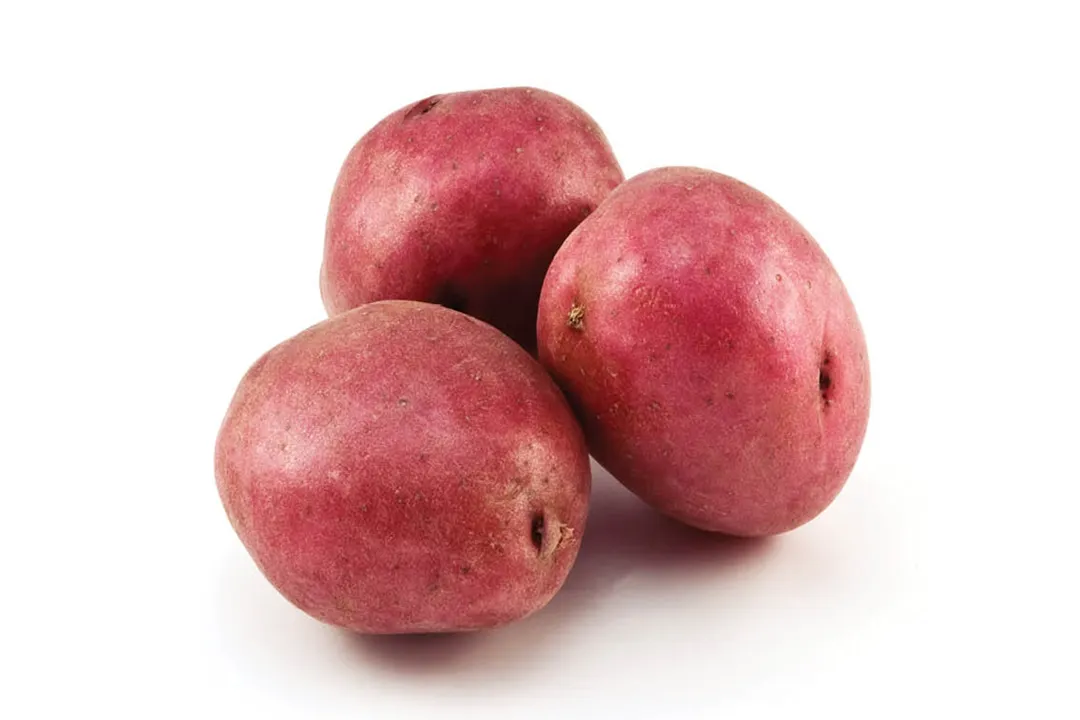
Potatoes, in general, are often unfairly sidelined in discussions about healthy eating, yet they offer significant nutritional value, and the Russian Banana is no exception within its category. [9] Like many members of the Solanum tuberosum family, this fingerling variety contributes important micronutrients to the diet, including notable amounts of Vitamin C and Potassium. [9] They also supply Vitamin B6. [9]
While specific, independent analyses isolating the exact nutritional breakdown of the Russian Banana compared to other specific varieties like Red Bliss or Yukon Gold are less common in general public sources, we can infer its contribution based on its general category. [8] The fact that it is a thin-skinned fingerling often means that more of the skin—where much of the fiber and some nutrients reside—is consumed compared to heavily peeled conventional potatoes. [9]
Here is an area for thoughtful consideration: the type of starch present matters greatly for digestive impact. Waxy potatoes like the Russian Banana tend to contain a higher percentage of resistant starch when cooked and then cooled, compared to their starchy counterparts. [2] This resistant starch functions much like soluble fiber in the large intestine, passing undigested to feed beneficial gut bacteria. This process can lead to improved satiety and potentially better blood sugar management compared to eating a starchier variety prepared in the same manner, provided the potato is allowed to cool significantly before consumption. [9] Therefore, serving these boiled and chilled in a salad offers a dual benefit: the structural benefit of the waxiness and the metabolic benefit of the resulting resistant starch.
# Cultivation Traits
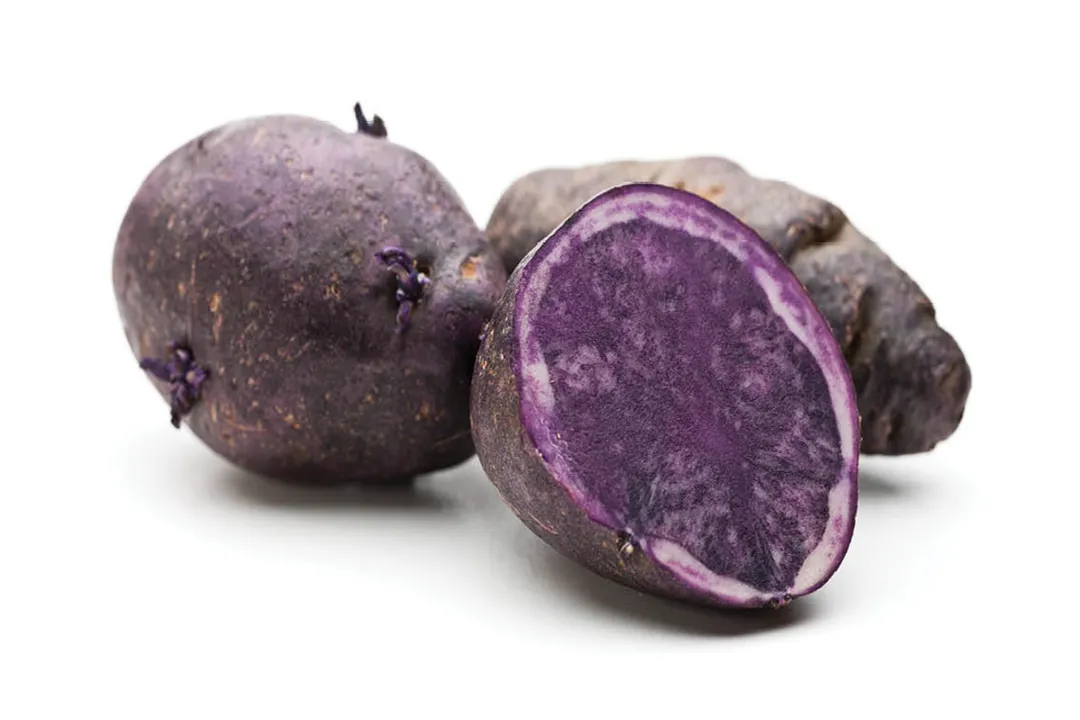
For the home gardener or the small-scale farmer, the Russian Banana possesses characteristics that make it attractive to cultivate. [7] They are generally considered an early-maturing variety, meaning they don't require the longest growing season to reach harvestable size. [7] Furthermore, they are often noted for maintaining good keeping quality after harvest, which speaks to their inherent density and lower moisture fluctuation compared to some other tender new potatoes. [7] Understanding that this is a fingerling means recognizing its specific niche; it’s not bred for massive yields per acre but for high quality per tuber. [7]

# Flavor Pairing
Given their distinctive buttery flavor and firm texture, pairing the Russian Banana potato requires an appreciation for ingredients that complement rather than overpower its subtle taste. [3][5] They perform exceptionally well when subjected to high, dry heat, such as roasting, which helps concentrate their natural sugars and slightly crisp the exterior without destroying the waxy interior. [2]
To maximize this effect when roasting, an excellent technique involves par-boiling the fingerlings until just fork-tender, shaking them vigorously in the colander to rough up the edges—a crucial step often missed with waxy potatoes—before tossing them with high-heat oil and seasonings like rosemary or thyme, and then roasting at a high temperature. [2] Another approach, particularly favored for salads, involves a light dressing applied while the potatoes are still slightly warm. This allows the residual heat to gently soak in the dressing's flavor, say, a vinaigrette made with white wine vinegar and Dijon mustard, without dissolving the potato structure. [2]
A simple preparation that honors their inherent quality involves just a drizzle of high-quality olive oil or melted brown butter sprinkled with coarse sea salt and cracked black pepper. [5] The richness of the fat mirrors and enhances the natural butteriness of the flesh. [3] If one is making an authentic German-style potato salad, where potatoes are typically dressed with vinegar and broth rather than mayonnaise, the Russian Banana's ability to absorb liquid without turning to sludge makes it nearly perfect for that application. [4]
# Potato Context
When discussing the health aspects of potatoes, it is important to contextualize the Russian Banana against the broader spectrum of tubers available. [8] While certain varieties might boast higher levels of specific vitamins or antioxidants, the fundamental nutritional contribution of any potato—a good source of carbohydrates for energy, essential minerals, and fiber when the skin is included—remains consistent. [9]
The discussion around which potato is "best" nutritionally often revolves around glycemic load, which is influenced by starch composition and preparation. [8] Because the Russian Banana leans heavily towards the waxy end of the spectrum, it generally presents a lower glycemic index when prepared in ways that preserve its structure (like boiling or steaming) compared to a starchy potato that has been mashed and aerated, which increases the surface area available for rapid digestion. [9] This comparison highlights that the variety matters, but perhaps even more critical is the preparation method. [8]
If we were to create a quick guide for general health focus, recognizing the role of resistant starch is key:
| Potato Type | Primary Starch Type | Best for Preserving Resistant Starch | Potential Texture After Cooking |
|---|---|---|---|
| Russet/Idaho | Starchy | Mashing (but best when cooled afterward) | Fluffy, dry |
| Russian Banana | Waxy | Salads (chilled) | Firm, moist, buttery |
| Yukon Gold | All-Purpose | Roasting/Sautéing | Tender, slightly creamy |
This table illustrates that for maximizing the specific health benefit derived from cooled starches, the inherent waxy nature of the Russian Banana gives it a natural advantage in cold applications. [2]
# Sourcing and Selection
Finding the Russian Banana potato often requires looking beyond the standard supermarket aisle, reinforcing its status as a specialty item. [1][5] They are frequently found at farmers' markets, specialty produce purveyors, or through local CSA (Community Supported Agriculture) programs. [1][2] When selecting them, whether at a market stall or purchasing seed stock for your garden, prioritize firmness and smooth skin. [7] Any signs of greening (which indicates solanine development) or soft spots should be avoided, though the thin skin generally makes them slightly more delicate to transport than thick-skinned varieties. [1]
In observing the marketplace, there’s a noticeable trend where local sourcing through groups like CSAs specifically highlights heritage items like the Russian Banana. [2][6] This connection between the producer and the consumer through community-focused food hubs speaks volumes about the value placed on these unique ingredients beyond mere commodity pricing. [6] When you buy a Russian Banana from a local grower, you are often buying a product picked closer to its peak maturity for immediate flavor, rather than one engineered for weeks of cold storage transit. [7]
Ultimately, the Russian Banana potato is more than just a footnote in the world of tubers; it is a distinct culinary ingredient whose health benefits are best unlocked by respecting its waxy structure through proper, often simple, preparation methods. Its buttery flavor and ability to hold form make it a highly adaptable and nutritious choice for salads and roasted dishes alike. [2][3][5]
Related Questions
#Citations
Fingerling White / Russian Banana Potato
Fingerling Potatoes - New Entry Sustainable Farming Project
Russian Banana Fingerling Potatoes Date Back To The ...
Fingerling potatoes (Recipes and Nutritional information)
Russian Banana Fingerling Potatoes Information and Facts
Health benefits of potatoes and bananas
Potato: Russian Banana Overview - Growing Tips
Which common variety potatoes have the best source of ...
The Health Benefits of Eating Potatoes