Health Benefits of Banana Pepper
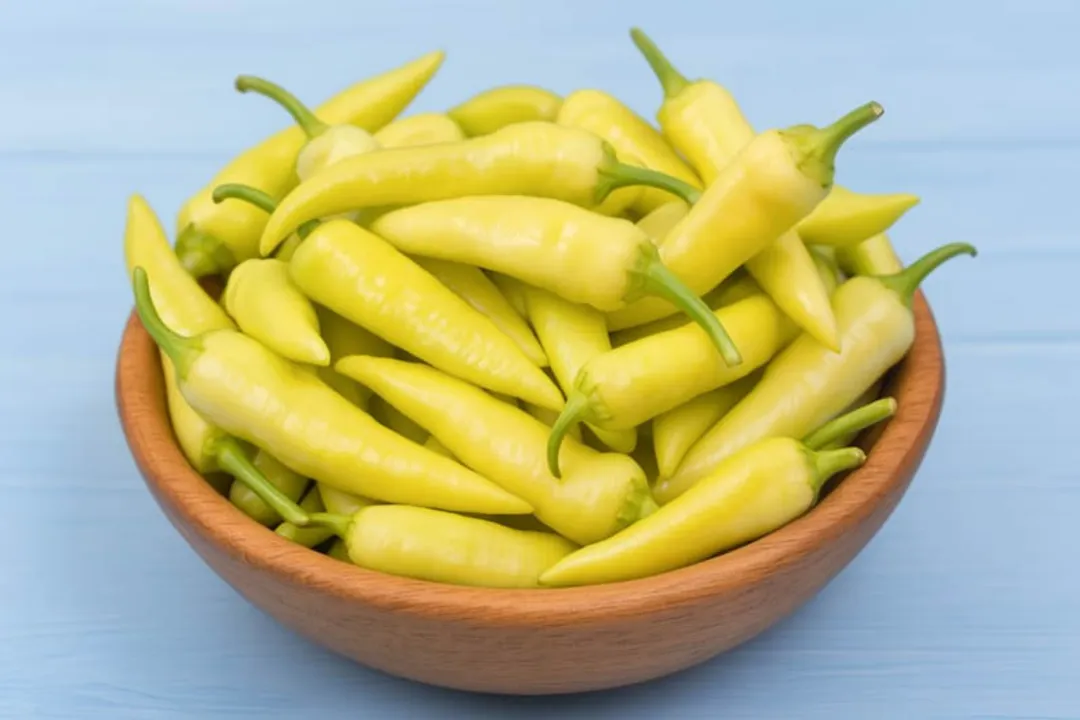
The banana pepper, scientifically known as Capsicum annuum, is the cheerful, oblong yellow pepper that brightens up countless salads and sandwich bars across the country. Named for its resemblance to a banana—slender, curved, and typically yellow—this pepper is prized not for intense fire, but for its crisp texture and gentle, slightly tangy sweetness. While some pepper varieties demand respect through sheer heat, the banana pepper offers flavor and nutritional support without overpowering the palate. Before we dive into how this mild favorite contributes to well-being, it is important to note that its heat level is very low, usually hovering between 0 and 500 Scoville Heat Units (SHU). This places it squarely in the mild category, comparable to or even milder than a pepperoncini, though banana peppers tend to be straighter and smoother compared to the often wrinkled pepperoncini.
# Nutritional Foundation
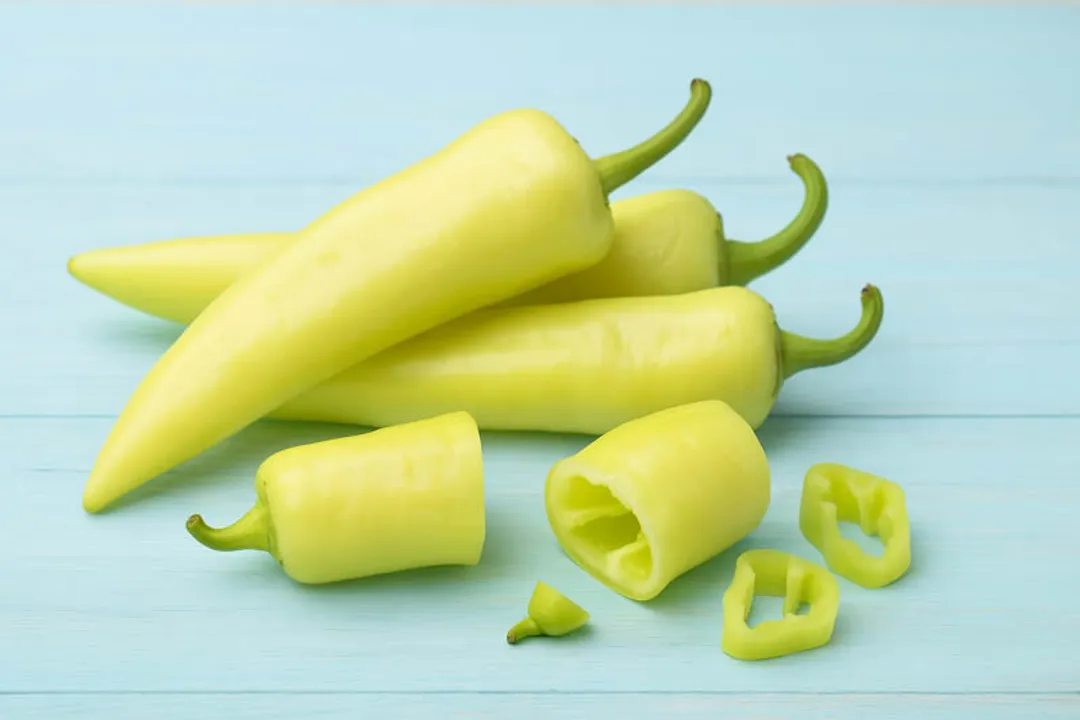
A key aspect of the banana pepper's health appeal lies in its nutrient density relative to its caloric cost. These peppers are remarkably low in calories; a 100-gram serving clocks in at about 27 kilocalories, and a single 33-gram pepper might contain only 9 calories, with minimal fat content. This makes them an excellent volume food for adding flavor and crunch to meals without contributing significantly to daily calorie intake.
The nutritional profile is heavily weighted toward essential vitamins and minerals. For instance, a single cup serving provides well over the recommended daily value of Vitamin C, estimated at 103 milligrams. Furthermore, they supply significant amounts of Vitamin B6—more than a quarter of the recommended daily value in that same one-cup serving. They also contain Vitamin A (in the form of beta-carotene), potassium, folate, and trace amounts of calcium and magnesium.
| Key Nutrient (per 100g Fresh) | Approximate Amount | Primary Health Association |
|---|---|---|
| Calories | 27 kcal | Weight Management |
| Vitamin C | 88 mg (~98% DV) | Immune Function, Collagen Synthesis |
| Vitamin A (Beta-Carotene) | 1,500 IU (~30% DV) | Vision Health |
| Vitamin B6 | 0.3 mg (~18% DV) | Neurotransmitter Production, Protein Metabolism |
| Fiber | 1.5 g | Digestive Regularity |
| Potassium | 220 mg | Muscle Function, Carbohydrate Breakdown |
The presence of dietary fiber is noteworthy, providing bulk to food which can increase satiety—the feeling of fullness—potentially assisting in reduced overall food intake and supporting weight loss efforts.
# Defense and Repair Support
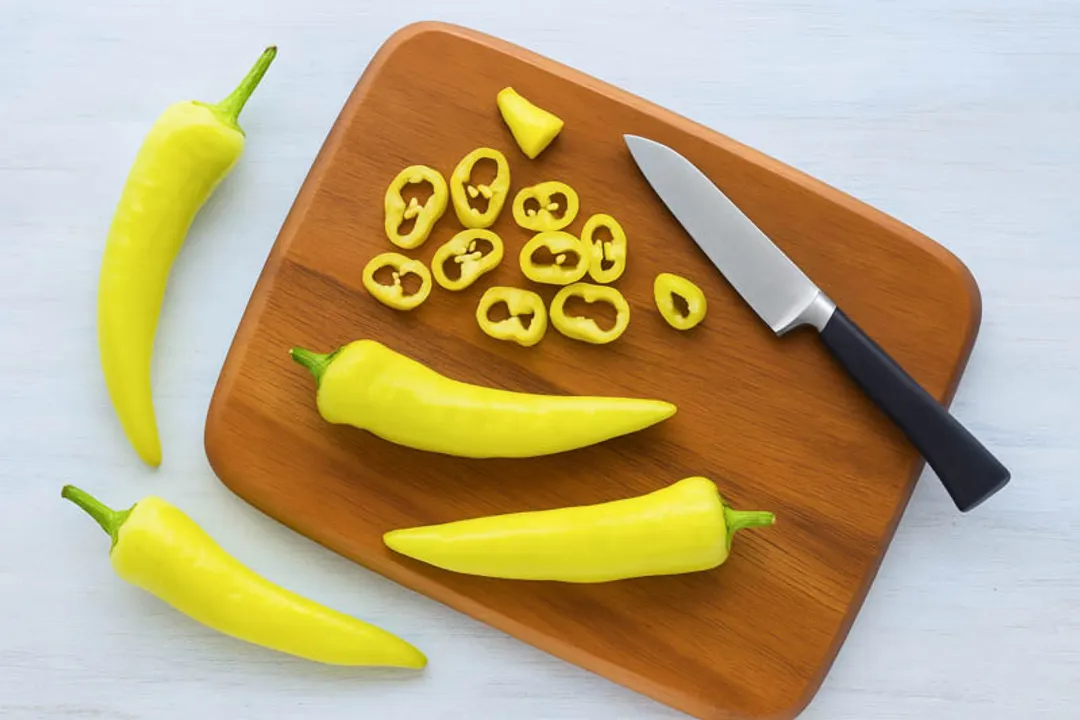
The vitamins packed into these mild peppers contribute directly to the body’s defense mechanisms and internal repair systems. The high concentration of Vitamin C is fundamental for immune support and maintaining healthy skin, as the body requires this vitamin to synthesize collagen. Preliminary research even suggests a role for Vitamin C in the process of controlling blood pressure. On the metabolic side, Vitamin C is essential for the proper processing of protein.
Vitamin B6 is another central player in bodily function. It is necessary for the body to break down and absorb protein effectively and is involved in over one hundred different enzyme reactions. Crucially, B6 assists the body in producing key neurotransmitters like dopamine and serotonin. Maintaining adequate levels of B6 can therefore theoretically influence mood regulation and may help reduce the risk of issues related to mood changes or sleep problems. Considering that an adequate intake of B6 may also help manage the discomfort associated with rheumatoid arthritis, incorporating these peppers offers multifaceted internal support.
Beyond the vitamins, the subtle presence of capsaicin—the compound responsible for the heat in hotter peppers—offers unique advantages. Although banana peppers are mild, they still contain enough capsaicin to potentially influence metabolism and circulation. Research indicates that this compound may help improve metabolic rates and potentially decrease the accumulation of body fat, suggesting a role in combating obesity. Furthermore, capsaicin functions as an anti-inflammatory agent by acting to reduce levels of Substance P, the neurotransmitter responsible for sending pain signals through the nervous system.
# Digestive Health Focus

A healthy digestive system relies on both speed and protection, two areas where banana peppers appear to offer assistance. The capsaicin present in the pepper has been linked to speeding up the digestive process. Moreover, beyond just speeding things up, this compound may even provide a degree of protection against stomach ulcers.
Complementing the action of capsaicin, the fiber content plays a key role in regularity. The insoluble fiber found in banana peppers helps shorten the time it takes for food to move through the digestive tract. This action is precisely what can help prevent or treat common issues such as indigestion and constipation. When planning your diet for digestive regularity, combining the mild irritation (stimulus) from capsaicin with the bulking action of fiber makes the banana pepper a rather well-rounded choice compared to vegetables that offer only one benefit.
# Vision Preservation

As the body ages, protecting delicate structures like the eye's macula becomes increasingly important. Banana peppers contribute to this effort primarily through their Vitamin A content, which is derived from beta-carotene. Vitamin A is a recognized antioxidant that plays a direct role in maintaining vision. Specifically, the nutrients present can help shield the macula from degeneration as one gets older. For individuals looking to proactively support their long-term sight, ensuring a consistent intake of Vitamin A-rich foods like these peppers makes simple, practical sense.
# Strategic Ripeness For Maximum Benefit
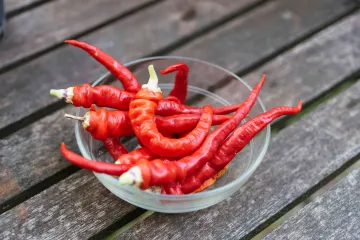
One interesting area where the home cook or consumer has direct control over the nutritional profile is choosing the ripeness of the pepper. Banana peppers progress from pale green to yellow, then to orange, and finally to red. This color transition is more than just cosmetic; it represents a shift in the pepper’s chemical makeup.
When you harvest or select a yellow banana pepper, you are choosing peak crispness and the most pronounced tangy flavor, making them ideal for fresh eating or quick pickles. If you choose to let them ripen to red, you are opting for increased sweetness and a richer flavor profile. Significantly, this later stage of ripeness also leads to a boost in nutritional content, particularly Vitamin C, which can increase substantially compared to the yellow stage.
If a gardener prioritizes sheer volume, harvesting when the peppers are yellow yields a higher pepper count per plant. However, if the goal is maximum sweetness and antioxidant load—perhaps for a sweeter relish or slow-roasted dish—allowing them to turn red is the better strategic choice. This slight difference means that your intended use should guide your harvest decision, offering a trade-off between quantity/tang and sweetness/nutrient density.
# Culinary Integration and Actionable Tips
The versatility of the banana pepper allows it to enhance nearly any meal, whether raw, cooked, or preserved. Pickling is perhaps their most famous application, transforming them into tangy, crunchy rings perfect for layering on subs or pizza. If you are interested in maximizing probiotic benefits alongside the established nutritional perks, opting for a traditional fermentation pickling method over a quick vinegar brine can be an added bonus.
For those seeking an immediate, high-impact nutritional boost in their daily routine, consider this: a typical cup serving of banana peppers can nearly meet your entire daily Vitamin C requirement while providing a strong foundation of Vitamin B6 for neurological and protein support. A simple way to integrate this is to always keep a jar of homemade pickled banana peppers on hand. Instead of reaching for high-sodium chips as an afternoon snack, snack on a few rings of pickled pepper, or add a generous handful to your morning scrambled eggs or omelet. This method easily replaces unnecessary fats or empty calories with over 100mg of Vitamin C and significant B6, giving your immune system and mood chemistry a boost with minimal caloric cost.
Whether you are stuffing them with cheese and grains for a hearty main dish, grilling them to bring out a smoky sweetness, or dicing them fresh into a Mediterranean salad, their low heat ensures they complement rather than dominate the other flavors on your plate. Because they hold their shape well during cooking, they are dependable for applications where texture matters. Furthermore, when growing them, remember that maintaining a soil pH between 6.0 and 6.8 is key; soil that is too acidic or too alkaline can lead to nutrient lockout, resulting in paler, less flavorful fruit, which directly impacts both the culinary and health benefits you reap.
Related Questions
#Citations
Health Benefits of Banana Peppers - WebMD
Capsicum annuum (Banana Pepper)