Health Benefits of Tabasco Pepper
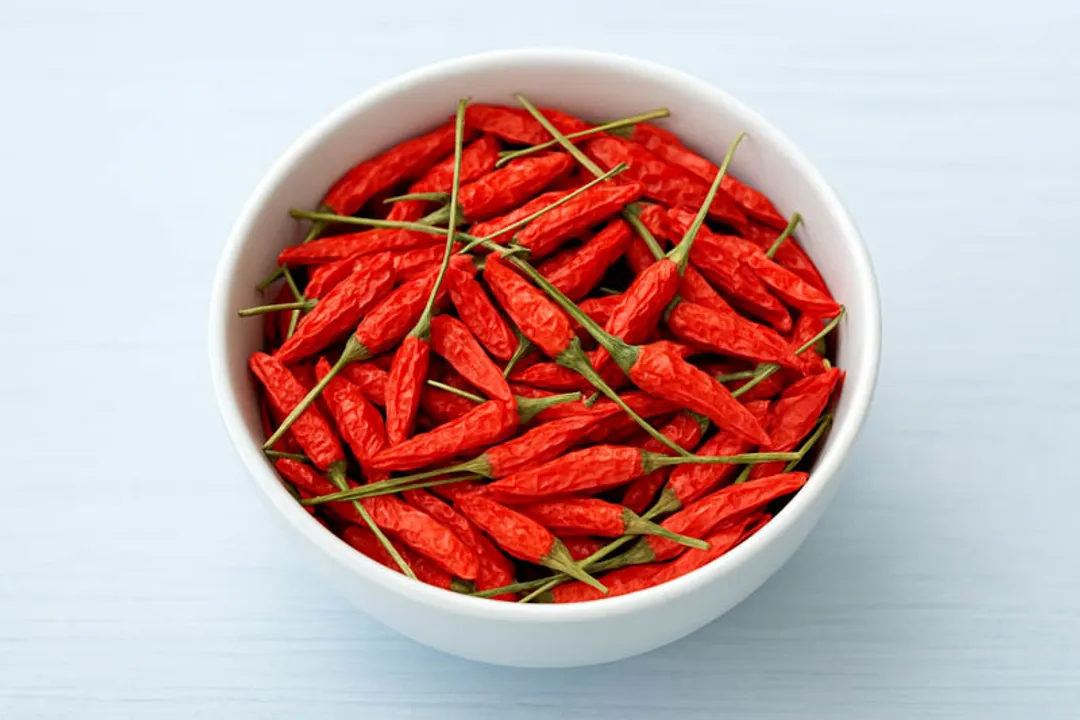
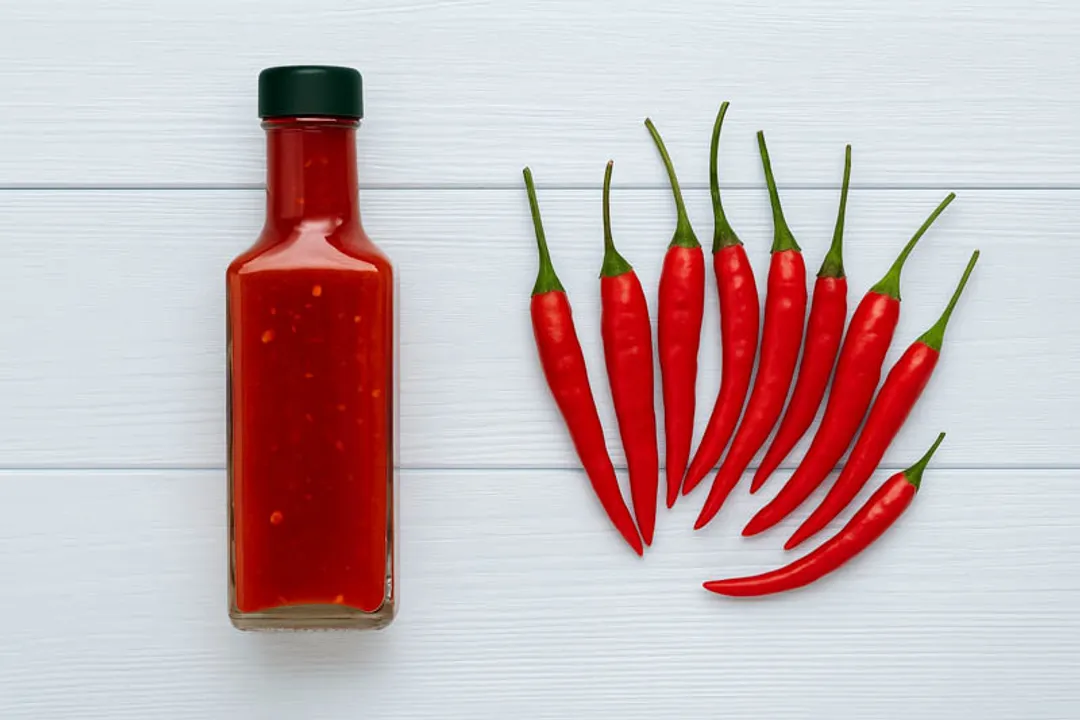
The Tabasco pepper, formally known as Capsicum frutescens, is a small, potent chili that commands significant attention far beyond its diminutive stature. It is the fiery heart of the world-renowned Tabasco sauce, yet its benefits extend beyond the tangy condiment that graces tables globally. [1][2] Hailing originally from southern Mexico and Central America, particularly the Mexican state of Tabasco, this pepper has become a staple for those who appreciate clean, sharp heat in their cooking. [2][4] Whether you are cultivating the bushy plant—which thrives as a perennial in frost-free zones—or simply reaching for a bottle, understanding the nutritional density and pharmacological properties locked within these little red pods is key to appreciating their impact. [1]
# Pepper Profile
The Tabasco pepper is slender, typically measuring only 1.5 to 2 inches long, and is distinct because its fruits grow upright, pointing toward the sky, unlike many other chili varieties. [1] The ripening process is a vibrant spectacle, moving from a pale yellow to orange, and finally settling on a bright, assertive red. [1][2] This progression is crucial, as the fully red pods possess the highest concentration of flavor and heat, ideal for fermentation. [1]
When measured on the Scoville Heat Scale, Tabasco peppers register between 30,000 and 50,000 Scoville Heat Units (SHU). [1][4] To put this into context, this places them firmly in the "Hot" category, significantly spicier than a common jalapeño (which ranges from 2,500 to 8,000 SHU), yet notably milder than its cousin, the habanero (which can reach 350,000 SHU). [1] A defining characteristic of the fresh Tabasco pepper, which sets it apart from many drier chilies, is its notably juicy flesh. [1][4] This high moisture content is essential to the traditional process of creating its most famous derivative: the sauce, which involves fermentation with salt and subsequent aging in oak barrels. [2]
# Micronutrients Powerhouse
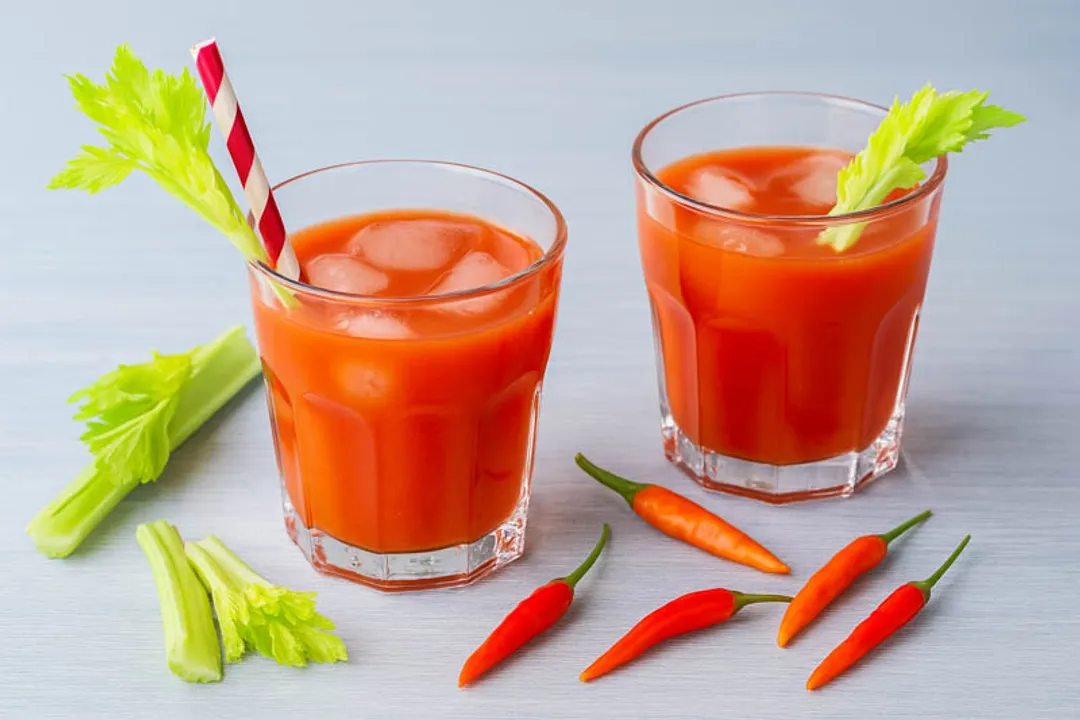
While the heat is the first sensation noticed, the fresh Tabasco pepper packs a substantial nutritional punch relative to its size and low caloric load. A serving of fresh peppers is remarkably rich in several essential vitamins and compounds. [1][4] For instance, they stand out as an excellent source of immune-supporting Vitamin C, often containing levels that significantly exceed the daily recommended value per 100 grams. [1]
Beyond Vitamin C, the pepper is generous with Vitamin A, present as beta-carotene, which supports eye and skin health. [1][4] Furthermore, they supply meaningful amounts of Vitamin B6 and essential minerals like Potassium. [1] These fresh pods also contain a suite of beneficial phyto-nutrients including alpha-carotene, lutein, zeaxanthin, and cryptoxanthin, all acting as antioxidants to help shield the body from the damaging effects of free radicals generated by stress and disease. [4]
# Capsaicin Systemic Effects

The defining characteristic of the Tabasco pepper—its heat—is delivered by the alkaloid compound capsaicin. This compound is what drives many of the pepper’s most studied systemic health advantages, often achieved when the pepper is consumed regularly. [4]
One of the most frequently cited benefits relates to metabolism and body weight management. Capsaicin triggers a thermogenic response, which increases the rate at which the entire body generates heat, potentially boosting energy expenditure and calorie burning. [2][5] This effect is partially attributed to the activation of the TRPV1 sensory neuron, which research suggests may assist in controlling appetite and preventing fat accumulation. [5]
Capsaicin also shows promise in modulating the body’s inflammatory response. While early, test-tube studies indicate that this compound may reduce specific markers of inflammation, further large-scale human studies are necessary to fully quantify this effect. [2][5] The cumulative effect of these properties—reduced inflammation and better weight control—has been linked anecdotally to cardiovascular improvements. One large, long-term study observed that individuals who consumed at least one hot chili pepper monthly over nearly two decades demonstrated a 13% lower chance of overall mortality, theorized to be linked to these anti-inflammatory and anti-obesity mechanisms. [5]
# Targeted Relief
Capsaicin’s interaction with the body’s nerve signaling pathways opens doors for targeted relief, both internally and externally.
For pain management, capsaicin has been successfully employed for centuries. When applied topically via creams, lotions, or patches, it interacts with pain receptors, effectively “scrambling” the signal that normally registers as intense pain. [5] This mechanism has provided significant, though temporary, relief for individuals managing chronic discomfort from conditions like arthritis and diabetic neuropathy. [5] Furthermore, in cases of cluster or tension headaches, a specialized spray containing capsaicin has shown promise by numbing the brain’s trigeminal nerve, the point where some severe headaches originate. [5]
For those suffering from nasal congestion due to non-allergic rhinitis—a runny or stuffy nose not caused by cold or allergies—a whiff of capsaicin can act as a temporary decongestant. While the initial sensation is sharp, it can ultimately calm the symptoms, potentially offering several months of relief. [5]
# Condiment Caveat
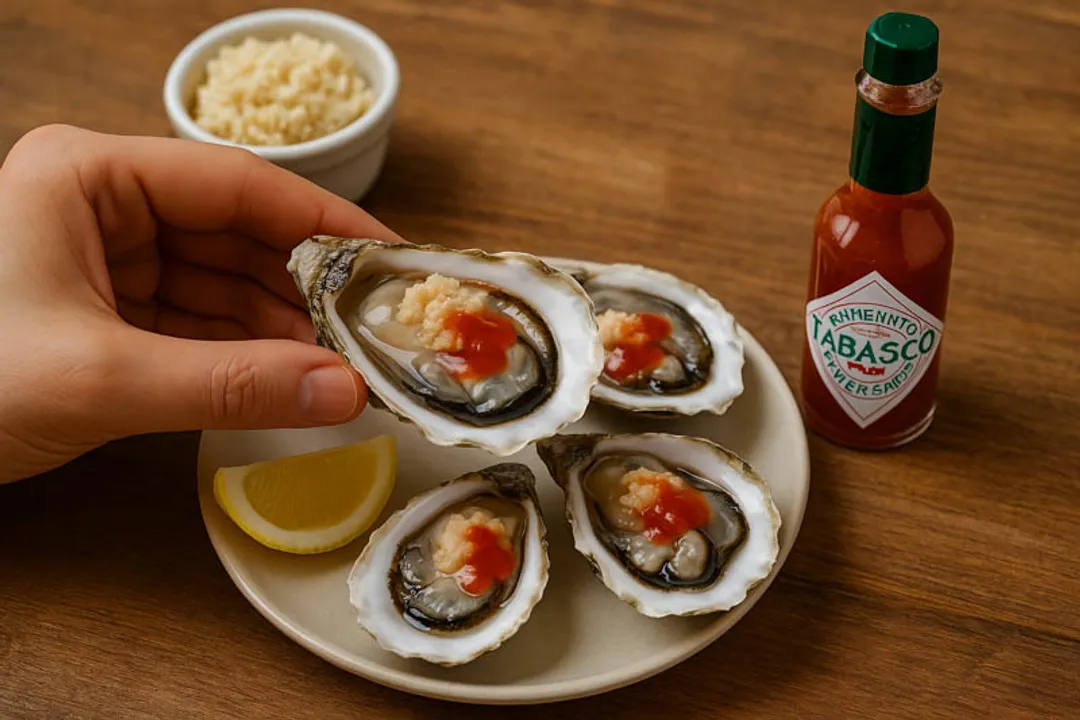
It is essential to recognize the difference between consuming the fresh pepper and relying solely on the commercial sauce for health benefits. While the sauce is a convenient delivery system, it comes with significant trade-offs, particularly concerning sodium content.
Tabasco peppers, when used fresh, provide those high levels of Vitamin C and other nutrients. [1] In contrast, the bottled sauce, despite being low in calories, fat, and carbohydrates, is relatively high in sodium. A single teaspoon (5 mL) of the commercial sauce can contain a substantial percentage of the recommended daily sodium limit, which is a concern for anyone monitoring blood pressure or overall salt intake.
This leads to an important consideration for maximizing benefit while minimizing intake of less desirable components. If your goal is purely to gain the Vitamin C and antioxidant boost, incorporating freshly chopped Tabasco peppers into salsas or relishes is superior to relying on the vinegar-and-salt-heavy sauce. [1] If you are using the sauce as a replacement for higher-calorie condiments, such as fatty dressings or sugary sauces, then it supports a heart-healthy diet by substitution, but moderation regarding salt remains paramount. In this context, one might consider making small batches of homemade sauce using a lower salt ratio, or even using fresh peppers minced into vinegars or oils, rather than relying on commercial versions for daily consumption. [1]
| Component | Fresh Tabasco Pepper (per 100g approx.) | Tabasco Sauce (per 100g approx.) | Primary Health Impact |
|---|---|---|---|
| Calories | kcal | kcal | Low overall energy contribution [1][4] |
| Vitamin C | High ( DV) | Low (7.5% DV) | Immune support, antioxidant [1][4] |
| Sodium | Low (Potassium is higher) | High ( DV) | Risk factor for blood pressure [4] |
| Capsaicin | High | Present | Metabolism, pain relief [2][5] |
| Key Trait | Juicy flesh, vibrant vitamins [1] | Fermented, vinegar-forward [2] |
# Traditional Uses and Mood Boost
Historically, hot peppers, including Tabasco, have been incorporated into folk remedies. One belief is that they can support digestive health by stimulating the production of digestive enzymes and increasing stomach motility. [2] Similarly, the heat has been used traditionally to help clear respiratory congestion, offering symptomatic relief from stuffiness. [2]
On a purely psychological level, there is a strong connection between consuming spice and experiencing pleasure. The burning sensation triggers the body to release endorphins and dopamine, which act as natural mood boosters or, in some contexts, may offer supportive effects against depression. For individuals seeking to reduce intake of things like alcohol or sugar, this endorphin rush can provide a satisfying, flavor-intense alternative, acting as a temporary "buzz". The mere act of anticipating or enjoying spicy food can increase happiness, and happiness, as a general principle, is associated with improved well-being.
# Handling and Contraindications
The power of capsaicin necessitates mindfulness regarding handling and consumption limits. When working with fresh Tabasco peppers, one must always wear gloves, as the concentrated oil can severely irritate the skin and eyes. [1][4] If accidental contact occurs, thorough washing is necessary; for ingestion, dairy products like milk or yogurt—due to their fat content—are more effective at neutralizing the burn than water. [5]
While enjoying the benefits, individuals with pre-existing conditions must proceed with caution. Because the heat can cause irritation, excessive consumption of hot peppers or sauces may exacerbate conditions like gastroesophageal reflux (GER), stomach ulcers, or gastritis. [4] Furthermore, as peppers are part of the nightshade family, those with specific sensitivities to nightshades should be mindful of potential reactions. [1]
If you enjoy the topical pain relief properties of capsaicin, rather than seeking out commercial creams, consider an infused oil you make yourself. For instance, after mincing your fresh peppers, you can gently warm them in a carrier oil (like olive or coconut oil) for a brief period—enough to draw out the capsaicin but not so much that you risk skin burns from the concentrated oil. This homemade oil, when used sparingly on the skin, can provide localized warmth and mild analgesic effects, mimicking the action of commercial preparations while allowing you to control the concentration and avoid synthetic additives sometimes found in topical products. [1][5] Always start with the lowest possible concentration when trying topical capsaicin applications. [1]
Related Questions
#Citations
Top 6 Tabasco peppers Nutrition facts and Health benefits
Health Benefits of Hot Peppers - WebMD
Does hotsauce have health benefits? - Reddit
5 Health Benefits Of Tabasco Pepper #Shorts #netmeds - YouTube
Tabasco Pepper in Traditional Medicine: Exploring Health Benefits
Hot Sauce: Nutrients, Benefits, and Downsides - Healthline
Capsicum frutescens (Tabasco Pepper) - Gardenia.net