Health Benefits of Chili Pepper
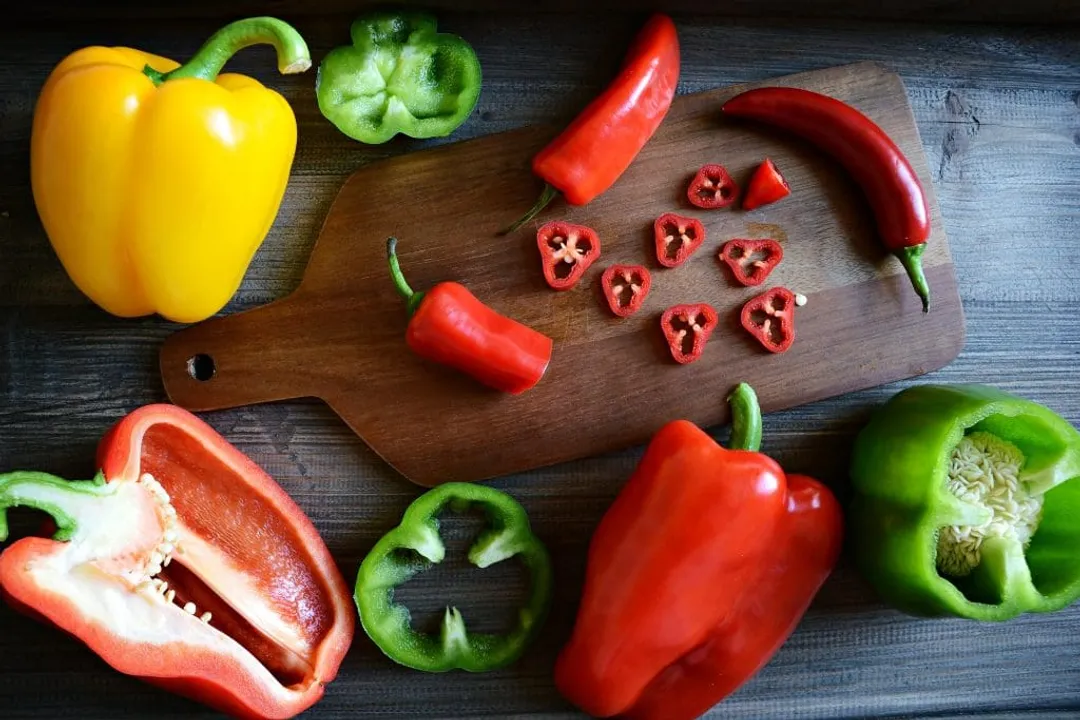
The little bursts of fire found in everything from mild jalapeños to scorching ghost peppers carry far more than just a kick of flavor; they introduce powerful bioactive compounds into the body that are linked to a surprising array of health advantages. [1][2] When you bite into a chili, the sensation of heat isn't actually heat, but rather the reaction of the chemical compound capsaicin binding to pain receptors in your mouth, tricking your brain into thinking it's being burned. [2] This same chemical messenger, responsible for the heat, is what drives most of the scientifically interesting health effects associated with these fruits, which are botanically speaking, a fruit of the Capsicum plant genus. [3][9]
The concentration of capsaicin is what determines a pepper's heat, measured on the Scoville Heat Unit (SHU) scale, a metric that ranges from zero (for bell peppers) up into the millions for the hottest varieties grown today. [2] While some might reach for antacids to soothe their stomach after an overly spicy meal, the actual properties of chili peppers suggest a more complex relationship with digestion and overall wellness, offering potential benefits for metabolism, circulation, and pain management. [1][4] Understanding what these peppers deliver, beyond the immediate flush of perspiration, reveals why they have earned a reputation as a functional food worthy of regular inclusion in one's diet. [9]
# Capsaicin Chemistry
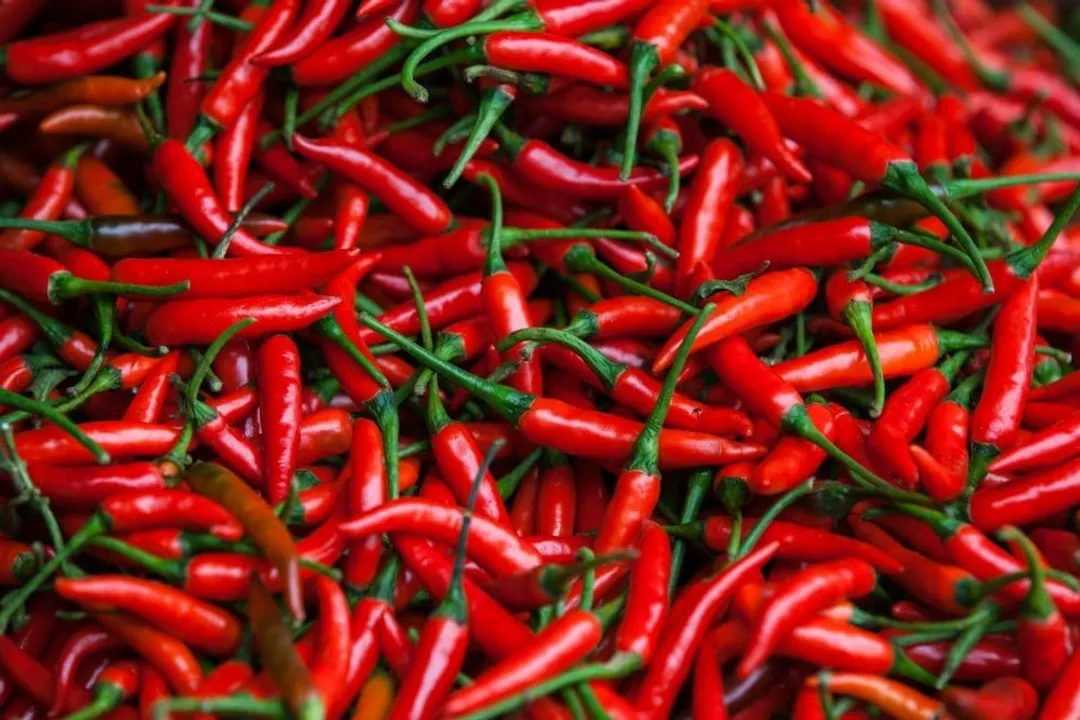
Capsaicinoids are the family of compounds responsible for the pungency, but capsaicin itself is the most common and studied member. [9] This substance is classified as a vanilloid receptor agonist, meaning it activates specific receptors on nerve cells. [4] In the mouth, this results in the burning sensation, but when this mechanism is understood, it can be applied therapeutically elsewhere in the body. [2][4]
One fascinating aspect is how the body attempts to counteract the "threat" signaled by capsaicin. In the mouth, this triggers salivation and mucus production, which is why drinking water often fails to extinguish the burn—milk or other fats work better because they dissolve the capsaicinoid oils. [2] On a systemic level, the activation of these pain receptors causes a release of endorphins, the body's natural pain-masking chemicals, which contributes to the feeling of well-being sometimes experienced after eating very spicy food. [2]
For those new to the heat, it is useful to conceptualize the difference in active ingredients found in various types. For example, a common culinary pepper like a cayenne contains significantly more capsaicinoids than a milder jalapeño. [1] When integrating chilis for health purposes, it's wise to start small, perhaps by incorporating flakes or a single slice of a milder variety, allowing the palate and digestive system time to adapt to the active chemical load. [1]
# Metabolic Effect
One of the most frequently cited advantages of regular chili consumption relates to energy expenditure and body weight management. [2] Capsaicin has been observed to increase thermogenesis, the process by which the body generates heat and burns calories. [1][3] This effect is quite measurable; research suggests that ingesting capsaicin can lead to a slight, temporary increase in the number of calories burned post-meal. [2]
It's important to temper expectations regarding a "magic bullet" for weight loss. While the increase in metabolic rate is real, the effect on daily caloric expenditure might be modest on its own. [7] However, when combined with other dietary factors, this small boost can contribute to a larger energy deficit over time. [2] Furthermore, capsaicin may also act as an appetite suppressant. [2] Some individuals report feeling fuller faster or experiencing reduced cravings after consuming spicy meals, which can naturally lead to lower overall calorie intake throughout the day. [1]
Consider this practical application: If you typically eat a large bowl of soup for lunch, adding a teaspoon of chili powder or a few chopped serranos might not significantly alter the volume of food consumed, but the capsaicin could slightly increase the energy needed to process that meal while simultaneously curbing the urge to snack an hour later. This synergy between appetite control and mild metabolic stimulation is where chili peppers offer real dietary support, rather than simply being a zero-calorie seasoning. [2][3]
# Circulation Support
The impact of chilis on the circulatory system appears to be multi-faceted, involving blood pressure regulation and cholesterol management. [1][2] Observational studies, including large-scale reviews, have indicated that populations that consume chili peppers frequently tend to have lower rates of hypertension. [7]
The mechanism is thought to involve the relaxation of blood vessels. By interacting with transient receptor potential vanilloid 1 (TRPV1) receptors—the same receptors that sense heat—capsaicin can promote the release of nitric oxide, a molecule that signals blood vessels to dilate, thereby lowering resistance and easing blood pressure. [4]
Beyond pressure, evidence suggests a beneficial effect on blood lipids. [2] Some research points toward capsaicin helping to lower levels of LDL cholesterol (often termed "bad" cholesterol) and triglycerides in the bloodstream. [1][2] High levels of these lipids are significant risk factors for cardiovascular disease. While these findings are promising, it is important to note that spices cannot replace prescribed medications or major dietary overhauls, but they offer a powerful dietary adjunct. [7] The presence of potent antioxidants in chilis also works alongside these effects, helping to reduce oxidative stress which can stiffen arteries over time. [9]
# Analgesic Properties
Perhaps the most established therapeutic application of capsaicin, outside of culinary use, is its role as an analgesic, or pain reliever. [1][4] This effect is directly linked to its interaction with pain-signaling nerves. [4]
When capsaicin is applied topically or reaches nerve endings internally, it initially causes a burning sensation because it stimulates the nerve fibers. [2] However, with repeated exposure—a process called desensitization—the nerve cell becomes temporarily depleted of a key pain transmitter called Substance P. [1][4] Substance P is a neuropeptide responsible for sending pain signals to the brain; when depleted, the area becomes less sensitive to pain stimuli. [4]
This is why pharmaceutical-grade capsaicin creams and patches are routinely used to manage chronic pain conditions such as postherpetic neuralgia (pain following shingles), diabetic neuropathy, and localized arthritis pain. [1][3] Although oral consumption doesn't lead to the same localized nerve depletion as a topical cream, the systemic release of endorphins still contributes to a general reduction in pain perception. [2]
If you are using chilis specifically for topical relief or exploring OTC capsaicin products, look for concentrations around 0.025% to 0.1% for initial use, as higher concentrations carry a higher risk of intense, temporary burning during the initial desensitization phase. [1]
# Micronutrient Powerhouse
While we often focus on capsaicin, the actual physical flesh of the chili pepper is densely packed with essential vitamins and minerals, making them nutrient-rich additions to any meal. [2][9] They are notably excellent sources of several key micronutrients that support various bodily functions:
- Vitamin C: Chili peppers are exceptionally high in Vitamin C, often surpassing citrus fruits in a gram-for-gram comparison, especially the milder varieties. [1][2][9] This antioxidant is crucial for immune system function and collagen production. [2]
- Vitamin A (Beta-Carotene): Red peppers are particularly rich in carotenoids, which the body converts to Vitamin A, essential for good vision and cell growth. [2][9]
- B Vitamins: They provide a good amount of Vitamin B6, which plays a role in energy metabolism. [2]
- Minerals: They also contain potassium, iron, and magnesium in notable amounts. [2]
The nutritional density means that even a small amount of chili used for flavoring can significantly contribute to your daily recommended intake of certain vitamins. [9]
Here is a brief comparison of nutrient contribution based on common pepper types:
| Pepper Type | Primary Benefit Focus | Estimated Vitamin C Content (relative) |
|---|---|---|
| Bell Pepper | Vitamin A, general vitamins | Low to Moderate |
| Jalapeño | General micronutrients, low heat | Moderate |
| Habanero/Scotch Bonnet | High Capsaicin, Antioxidants | High |
| Cayenne (dried powder) | High Capsaicin, Vitamin A | High |
One insight that often gets overlooked is that the preparation method influences nutrient availability. Because Vitamin C is water-soluble and heat-sensitive, raw peppers (like in a fresh salsa) retain the most, while drying or heavy cooking (like in a long-simmered chili con carne) will reduce the Vitamin C but often concentrate other fat-soluble compounds like carotenoids. [9]
# Gut Comfort vs. Irritation
The relationship between spicy food and the digestive tract is often misunderstood, leading many to avoid chilis entirely due to fear of irritation. [1] While it is true that high heat can cause temporary discomfort, especially for those with existing conditions like irritable bowel syndrome (IBS) or peptic ulcers, capsaicin can surprisingly offer protective benefits for the stomach lining. [1]
Capsaicin appears to stimulate the production of mucus and bicarbonate secretions in the stomach and duodenum. [1] This action helps fortify the mucosal barrier, which acts as the first line of defense against stomach acid. [1][8] By strengthening this barrier, chilis may actually help prevent the formation of stomach ulcers, a mechanism that runs contrary to older beliefs that spicy food causes them. [1]
However, a crucial point for digestive health is moderation and consistency. A sudden, massive intake of a scorching pepper might overwhelm the system, causing temporary gastric distress. [1] Conversely, regularly incorporating mild to moderate amounts of heat seems to condition the digestive tract toward greater resilience. For instance, someone dealing with occasional heartburn might find that adding a pinch of cayenne to a meal aids digestion by stimulating gastric juices, whereas someone in the middle of an acute flare-up should abstain until symptoms subside. [1]
# Longevity Link
Intriguing population-level data suggests that the regular consumption of chilis may be associated with a longer lifespan, although this connection is based on observational epidemiology rather than direct clinical proof of causation. [7] Several large studies have found that individuals who eat spicy foods frequently exhibit a lower risk of dying from any cause during the study period when compared to those who rarely or never eat them. [7]
This potential longevity link is likely an aggregate of all the aforementioned benefits: better cardiovascular health, reduced inflammation, and perhaps a healthier body weight maintained over decades. [4][7] It reinforces the idea that these peppers are not merely flavor enhancers but active components in a diet supporting long-term systemic health. [3]
To maximize this potential benefit, incorporating chilis as a consistent seasoning rather than an occasional, extreme event seems to be the prevailing theme in nutritional science regarding long-term intake. [7] Think of them as a daily supplement delivered via flavor, much like using turmeric or ginger regularly. [9]
# Integrating Heat Safely
Adding chili peppers into your daily repertoire doesn't require you to chase the current world record for heat tolerance. The key to reaping the health rewards while avoiding unnecessary discomfort lies in gradual integration and mindful pairing. [1]
Here is an actionable guideline for safe, beneficial incorporation:
- Start Low and Slow: Begin with powders or sauces that have low SHU ratings (like paprika, mild chipotle, or a drop of sriracha) mixed into familiar foods like eggs or rice. [1]
- Pair with Fats/Dairy: Always try to consume your heat alongside a source of fat (like olive oil, avocado, or yogurt/sour cream). Fat helps distribute the capsaicin more evenly and buffers the initial intensity, allowing the compound to interact more productively with your system. [2]
- Rotate Your Source: Don't rely only on one type. Switch between fresh jalapeños, dried ancho (which are milder and smoky), and cayenne powder to get a broader spectrum of the associated phytochemicals and micronutrients. [9]
A final, perhaps less obvious, application area involves the potential anti-microbial properties sometimes noted for capsaicinoids, although this area requires much more direct study than, say, pain relief. [8] In the meantime, enjoying the warmth they provide, knowing that you are introducing potent antioxidants and metabolic regulators into your system, makes that slight burn entirely worthwhile. [3][9]
#Videos
9 Incredible Health Facts About Chilli Peppers - YouTube
Related Questions
#Citations
Health Benefits of Chili, Chili Peppers, and Chili Powder - WebMD
Chili Peppers 101: Nutrition Facts and Health Effects - Healthline
Chili Peppers, The Superfood | Western Missouri Medical Center
Spicy Food and Chili Peppers and Multiple Health Outcomes - NIH
9 Incredible Health Facts About Chilli Peppers - YouTube
Health Benefits of Chili Peppers as a Superfood - Facebook
Will eating more chilis help you live longer? - Harvard Health
New Research Bolsters Evidence of Hot Chili Peppers' Health Benefits
Hot News About the Health Benefits of Chilis | AgLab
Health benefits of chili's : r/HotPeppers - Reddit