Health Benefits of Cherry Pepper

The small, often vibrant red cherry pepper, sometimes recognized by its appealing, almost ornamental appearance, offers far more than just a mild kick to dishes. [9] While they might not carry the intimidating heat of some of their chili cousins, these peppers pack a nutritional punch that warrants a closer look, especially for those seeking easy ways to boost their daily intake of essential vitamins and beneficial compounds. [1][6] They represent a fantastic bridge for people hesitant about extremely spicy foods but curious about the health advantages associated with Capsicum varieties. [2]
# Pepper Compounds
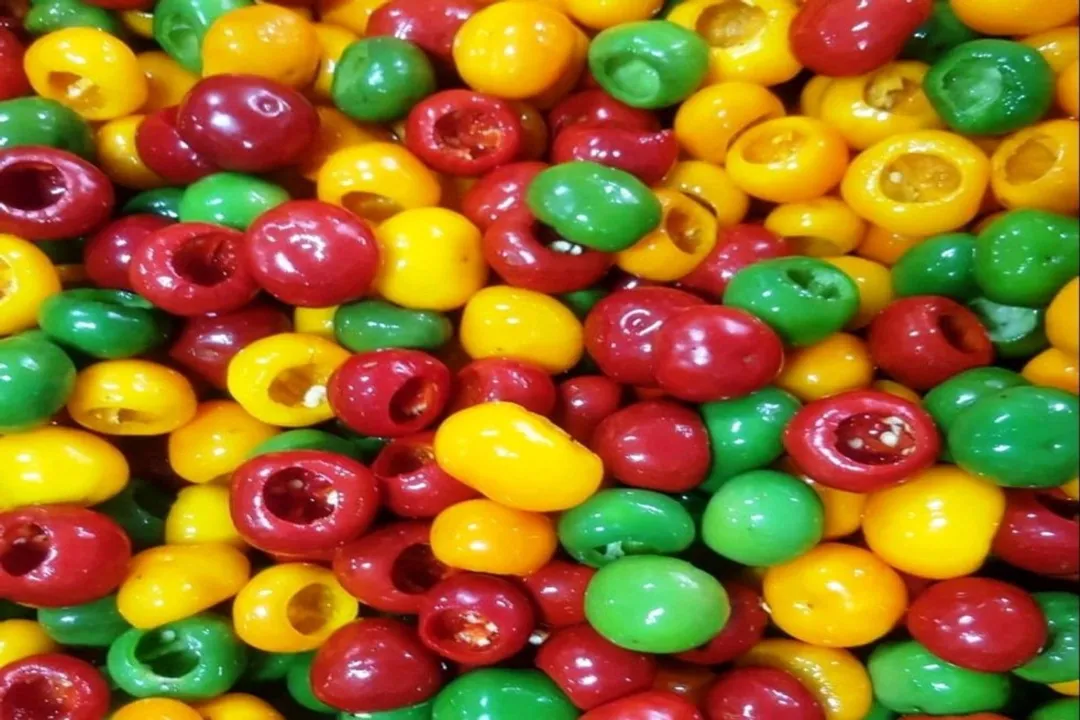
The secret sauce, so to speak, within many peppers, including the cherry pepper, is the presence of capsaicinoids, the group of compounds responsible for that characteristic burning sensation. [8] Even though cherry peppers generally score much lower on the Scoville Heat Unit (SHU) scale compared to, say, cayenne pepper, [8] they still contain enough capsaicin to elicit health responses. [1]
When considering how to integrate these peppers for maximum benefit, it's helpful to compare their general heat profile to others. For instance, a standard jalapeño ranges from 2,500 to 8,000 SHU, while many cherry peppers clock in significantly lower, often under 1,000 SHU. [1] This lower heat level means that an average consumer can eat a higher volume of cherry peppers, potentially leading to a greater total intake of beneficial phytochemicals without digestive distress. [7] This accessibility is a key advantage over very hot varieties.
# Vitamin Richness
One of the most straightforward contributions of the cherry pepper to your diet lies in its impressive vitamin profile. [6] They are particularly noteworthy for their high concentrations of Vitamin C and Vitamin A. [6][8]
Vitamin C is a well-known antioxidant that supports the immune system and is vital for the production of collagen, necessary for healthy skin and tissue repair. [8] In many peppers, the Vitamin C content can be quite substantial; often, a single serving can provide a significant percentage of the recommended daily intake. [6] Similarly, the high levels of Vitamin A, often present in the form of beta-carotene, are crucial for maintaining good vision and supporting cell growth. [8] When comparing sources, some nutritional analyses suggest that the vitamin content in cherry peppers remains quite high even after common preparation methods like light cooking or pickling. [6]

# Metabolic Effects
The presence of capsaicin hints at potential benefits related to body weight management and energy expenditure. [8] Capsaicin has been observed in some studies to modestly increase metabolism, which refers to the rate at which the body burns calories. [8] This thermogenic effect means the body generates a small amount of extra heat after consuming the pepper, burning slightly more energy in the process. [8]
Furthermore, adding a bit of heat, even mild heat from cherry peppers, can sometimes influence feelings of fullness. Incorporating these peppers into meals may act as a natural appetite suppressant for some individuals, helping to manage overall calorie consumption throughout the day. [8] If you are looking to make small, sustainable changes to your eating habits, adding a small garnish of chopped cherry peppers to eggs or salads is a simple, low-calorie way to introduce this metabolic nudge. [4]
# Heart Support
The health advantages of incorporating these peppers into your diet may also extend to cardiovascular wellness. [8] Some research suggests that capsaicin may contribute to better heart function by assisting with the maintenance of healthy blood pressure levels. [8] This is often linked to the compound’s reported ability to promote better circulation and potentially help in reducing the buildup of arterial plaque. [8]
While more extensive, targeted research specifically on cherry peppers versus cayenne would be required for definitive claims, the common denominator—capsaicin—suggests a shared potential benefit in promoting vascular health. [5][8] Think of it as adding a small, natural vasodilator to your weekly rotation of foods, rather than relying solely on supplements for circulation support.
# Digestive Considerations
When discussing hot peppers, the digestive system often comes up, bringing both potential positives and negatives. [7] For many people, while extreme heat can cause irritation, moderate amounts of capsaicin found in milder peppers like the cherry pepper can actually promote a healthier gut lining. [7] Capsaicin's interaction with pain receptors in the gut is complex; what causes discomfort in high concentrations might actually stimulate protective responses in lower doses. [7]
However, it is crucial to acknowledge the individual experience, as noted in various community discussions. What one person tolerates easily, another might find bothersome, particularly if there are pre-existing gastric sensitivities. [7] A useful approach is to start small, perhaps by trying them raw in a salad, and then moving to fermented or pickled versions to see how your body reacts to different preparation styles.
# Preparation Wisdom
How you use cherry peppers significantly impacts both their nutritional uptake and their flavor profile. Since they are often pickled, understanding the role of acidity is important. Pickling preserves the texture and adds a tangy flavor, which many people enjoy for topping sandwiches or adding to relish trays. [2]
When considering nutrient retention, it’s worth noting that Vitamin C is water-soluble and sensitive to heat. [6] If you are primarily eating cherry peppers raw or lightly cooked—perhaps sautéed briefly for a pasta sauce—you maximize your Vitamin C intake. Conversely, if you are consuming them through a vinegar-based pickle, the acidity helps preserve the Vitamin A (beta-carotene) content well, though some Vitamin C may leach into the brine over time. [6]
For those keen on maximizing flavor diversity while keeping things healthy, try dehydrating your homegrown or locally sourced cherry peppers and grinding them into a mild red pepper flake substitute. This concentrates the flavor without introducing the high sodium levels often found in commercial brine solutions. You get a potent spice that delivers the capsaicin and fat-soluble Vitamin A precursors, while retaining a good measure of the heat-sensitive Vitamin C compared to prolonged boiling. [1] This custom spice allows for precise control over sodium intake, which is often a hidden concern when consuming large amounts of jarred, pickled vegetables. [6]
# Antioxidant Strength
Beyond Vitamins A and C, cherry peppers, like other colorful produce, are rich in various antioxidants. [8] These compounds work within the body to neutralize harmful free radicals, which are unstable molecules that can contribute to cellular damage and aging. [8] The deep red hue of the cherry pepper is an indicator of its high concentration of beneficial pigments, such as carotenoids. [9]
While specific comparisons between cherry pepper antioxidants and those in, say, berries or dark leafy greens are complex, the key takeaway is their contribution to the overall dietary pool of protective agents. Eating a variety of colorful vegetables ensures you ingest a spectrum of different antioxidant types, and the cherry pepper comfortably earns its place in that colorful rotation. [5] Its mild flavor profile makes it easy to "sneak" into dishes where a stronger pepper flavor might overwhelm the main ingredients, ensuring consistent nutritional input without drastically altering the meal's character. [2]
Related Questions
#Citations
The Surprising Health Benefits You Need to Know about Cherry ...
Health Benefits of Hot Peppers - WebMD
Benefits and Uses of Cherry Peppers in Cooking and Health
5 Health Incentives Cherry Pepper Brings #shorts #netmeds
Spicy Food and Chili Peppers and Multiple Health Outcomes - NIH
Cherry peppers Nutrition - SnapCalorie
Are there nutritional benefits or drawbacks to eating peppers? Are ...
6 Potential Health Benefits of Cayenne Pepper - Healthline
Discover the Remarkable Benefits of Cherry Pepper for Your Health ...