Health Benefits of Suriname cherry
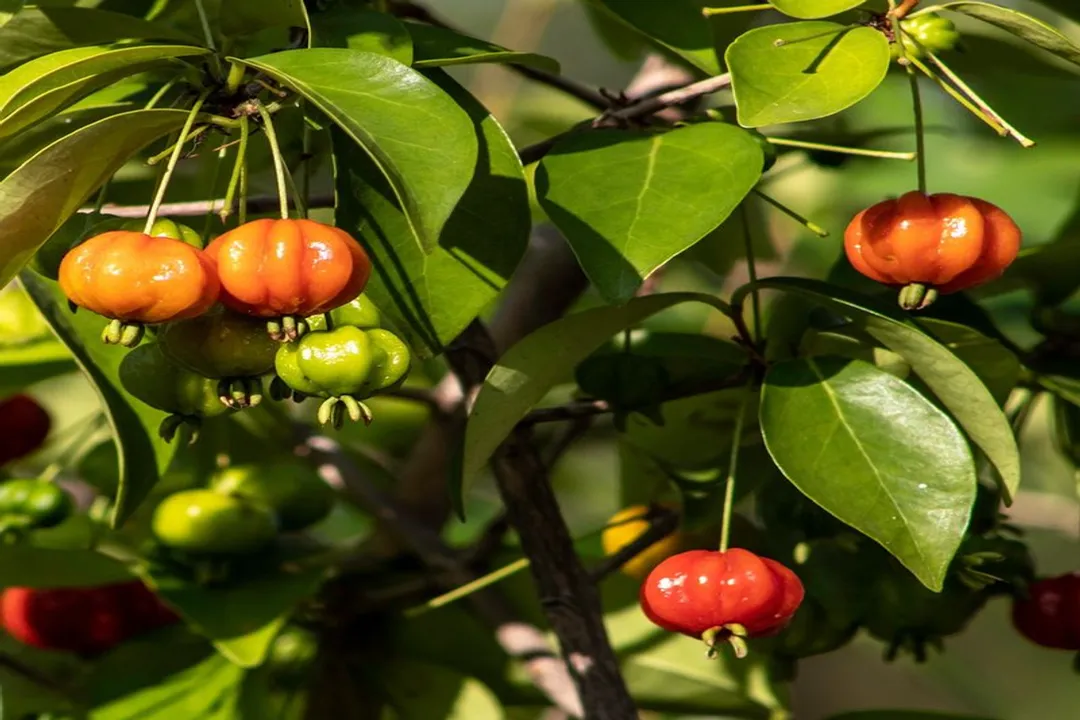
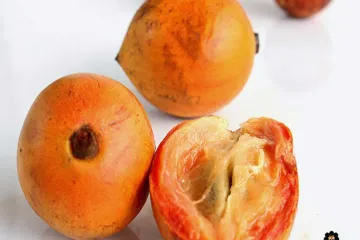
The bright, deeply colored Suriname cherry, sometimes called Pitanga, presents a small but mighty package when considering its contributions to daily wellness. This unique fruit, native to tropical regions, offers a spectrum of beneficial compounds that have drawn attention from traditional healers and modern nutritionists alike. [1][4] Beyond its distinctive flavor, which can range from sweet to tart depending on its stage of ripeness, the plant itself holds value, with both the fruit and the leaves finding their way into various preparations. [2][4] Understanding what this vibrant berry brings to the table reveals why it remains a favorite in the areas where it thrives. [5]
# Vitamins Content
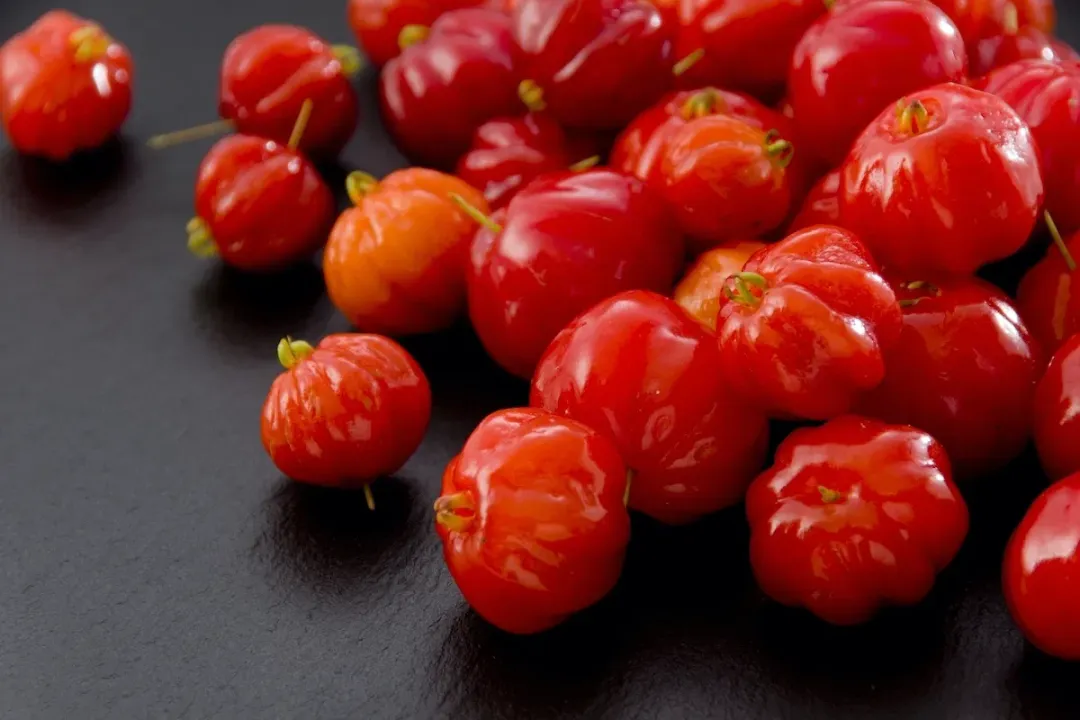
The nutritional makeup of the Suriname cherry positions it as a significant source of essential micronutrients. Foremost among these is Vitamin C. [1][4] This powerful nutrient is foundational for numerous bodily functions, and consuming this fruit is an effective way to boost intake. [4] It also supplies a notable amount of Vitamin A. [1] While often overshadowed by the more prevalent vitamins, the presence of Vitamin A supports vision and skin health. [1]
Furthermore, dietary fiber is a key component of the fruit. [1] Fiber is crucial for maintaining regularity and supporting a healthy gut environment. [1] Depending on the specific growing conditions and variety, the fruit may also contain important minerals, such as potassium and calcium, contributing further to its overall nutritional density. [1] Analyzing its composition shows that the concentration of certain bioactive elements is quite high relative to its small size.
# Cell Protection
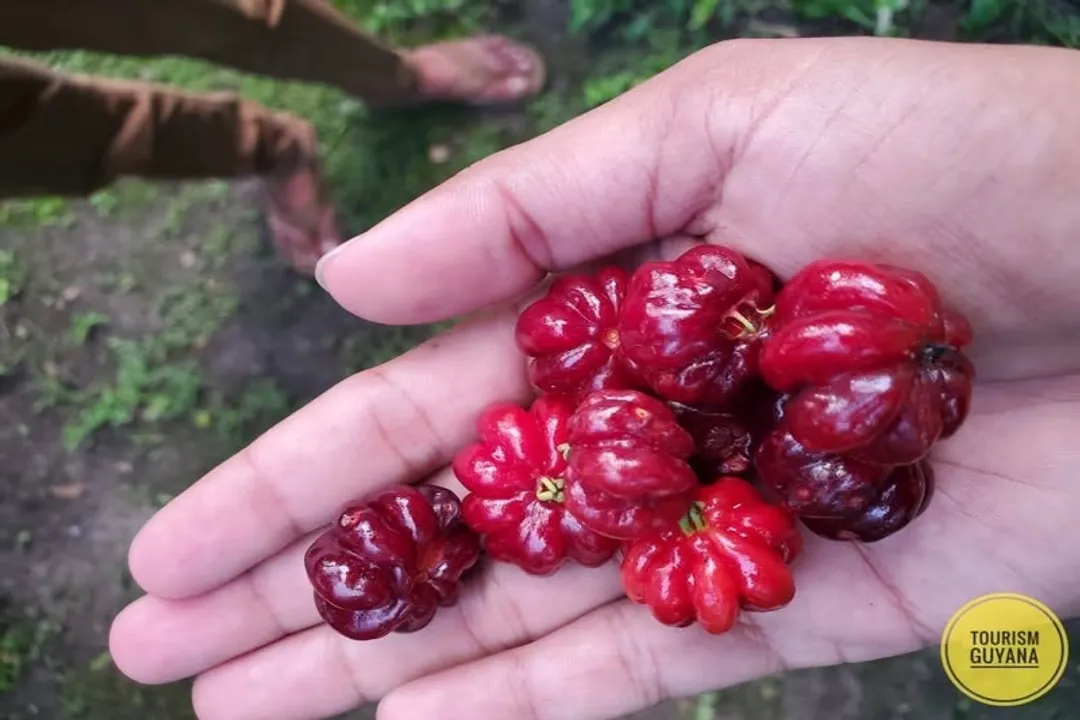
The headline benefit frequently associated with the Suriname cherry relates directly to its high concentration of antioxidants. [5] These substances work by counteracting the effects of free radicals in the body—unstable molecules that can cause oxidative stress, which is implicated in aging and the development of chronic diseases. [5] The fruit is particularly rich in phenolic compounds. [2]
These phenolic compounds act as scavengers, protecting cellular structures from damage. [2] When you consider the daily metabolic load placed on the body, incorporating foods naturally rich in these defenders becomes a straightforward strategy for proactive health maintenance. While many fruits offer antioxidants, the specific profile found in Eugenia uniflora provides a distinct blend of protective agents. [2]

# Immune Support
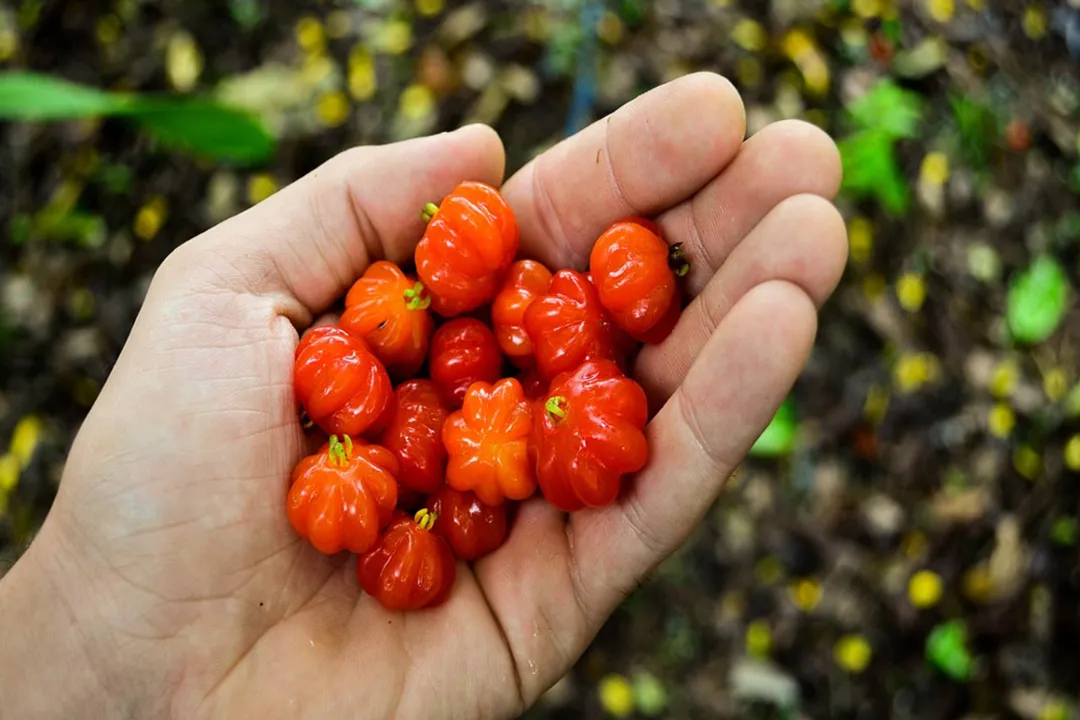
The substantial Vitamin C content naturally links the Suriname cherry to immune system health. [1][4] Vitamin C is well-established for its role in supporting the body’s natural defenses, aiding in the function of various immune cells. [4] Consistent intake of this vitamin is often recommended, especially during seasonal changes or times of increased exposure to environmental stressors. [1]
It is interesting to note that while the fruit is delicious eaten fresh, preparing it into juices or preserves allows for easier incorporation into the diet, potentially making it simpler to maintain a steady supply of Vitamin C throughout the year, provided preservation methods are chosen carefully to minimize nutrient degradation. For example, flash-freezing whole fruits might preserve more Vitamin C than slow-cooking methods used for long-term jams.
# Digestive Health
The presence of dietary fiber makes the Suriname cherry a gentle ally for the digestive tract. [1] Fiber adds bulk to stool and promotes regular bowel movements, helping to prevent constipation and supporting overall gut motility. [1] A well-functioning digestive system is foundational, impacting everything from nutrient absorption to mood regulation.
Beyond the physical structure provided by the fiber, some traditional uses suggest that the fruit and its preparations have been employed to address issues like diarrhea. [1] This indicates a perceived ability to help regulate intestinal function, perhaps through both bulking action and mild astringent qualities inherent in the fruit when less ripe.
# Traditional Applications
The historical uses of the Pitanga fruit and plant extend far beyond simple fresh eating, reflecting centuries of accumulated local knowledge about its properties. [2] In various traditional systems, infusions made from the leaves have been consumed, often prepared as a tea or decoction. [1][2] These leaf teas have been historically utilized to help address respiratory complaints or to manage conditions related to high blood sugar, though scientific validation for these specific uses requires more dedicated research. [1][2]
The fruit itself has also been associated with benefits for heart health, potentially through the action of its potassium content which can assist in blood pressure regulation. [1] Furthermore, its general composition has led to its consideration in various dietary regimens aimed at overall metabolic balance. [1]
# Culinary Versatility
One of the most immediate appeals of the Suriname cherry is its adaptability in the kitchen. The fruit's bright color makes it visually appealing, but its complex flavor profile—often described as mildly acidic or possessing a slight resinous undertone—requires thoughtful pairing. [4]
While many people simply eat them out of hand when fully ripe, they are excellent when incorporated into cooking and baking. [2] They can be strained to make vibrant juices or cooked down into jams and jellies. [1] If you find the tartness too pronounced for a fresh fruit salad, consider using them where a sharp counterpoint is desired. For instance, tossing slightly underripe cherries into a savory, creamy salad, such as one featuring goat cheese or avocado, can provide a refreshing burst of acidity similar to how cranberries are sometimes used in winter dishes. This is a way to balance that inherent resinous quality which some find intense when eaten in large quantities raw. [4]
# Maximizing Plant Yield
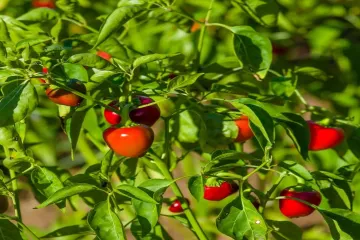
For those interested in cultivating their own supply, understanding the duality of the Eugenia uniflora plant offers a chance to maximize output from a single planting area. [5] Unlike plants where only the fruit is edible, the Suriname cherry offers both the fruit for immediate consumption or preserves, and the leaves for infusions. [1][2] This dual utility means that even if a frost or pest briefly impacts the fruiting season, you still have a usable resource from the foliage. Planning your garden space to allow for easy access to prune both for fruit production and for leaf harvesting ensures you benefit from the entire plant throughout the year.
# Nutritional Comparison Context
When evaluating the impact of a single fruit like the Suriname cherry, it’s helpful to compare its density against more commonly consumed supermarket staples. For instance, while an apple might offer good fiber and moderate Vitamin C, the concentrated dose of Vitamin C and phenolics in a comparable weight of Suriname cherries positions it as a highly efficient source of specific micronutrients. [1][5] This efficiency is particularly valuable in dietary planning where maximizing nutrient density per calorie or per serving size is a goal. The general consensus across nutritional reports points toward its excellent standing in terms of key protective compounds. [2][5]
The way we consume these fruits also matters significantly for long-term nutritional consistency. If one lives in a region where fresh access is limited to a short season, learning simple, low-heat preservation techniques—perhaps making a quick syrup rather than a fully set jam—can preserve more of the heat-sensitive Vitamin C, ensuring the benefits last well past the harvest window. [1]
#Videos
Surinam Cherry: The Exotic Superfruit You've Never Heard Of!
Related Questions
#Citations
Surinam Cherry: Health Benefits & Nutrition Facts (Plus Recipes)
Surinam Cherry: Health Benefits, Nutrition, Uses, Recipe and More
Surinam Cherry Nutrition Facts - NatureClaim
Benefits of Pitanga Fruit/Surinam Cherry - Village Voice News
Surinam Cherries: Health Benefits & Nutrients
Surinam Cherry: The Exotic Superfruit You've Never Heard Of!
Plant Profile: Surinam Cherry (Eugenia uniflora)
Superfood Pitanga: Know THESE 5 benefits of Surinam Cherry
Discover the Remarkable Benefits of Surinam cherry for Your Health ...