Health Benefits of Pepper

Peppers, in their myriad forms, have seasoned human cuisine and medicine for millennia, offering far more than just a pleasant zing or intense heat to our meals. Whether we are talking about the ubiquitous black peppercorn, Piper nigrum, or the fiery capsicum varieties, these spices deliver concentrated doses of bioactive compounds that interact powerfully with our biology. [1][7] Moving beyond their role as mere flavor enhancers, understanding the specific components—like piperine in black pepper and capsaicin in chili peppers—reveals significant potential for supporting everything from nutrient uptake to metabolic function. [1][7]
# Piperine Power
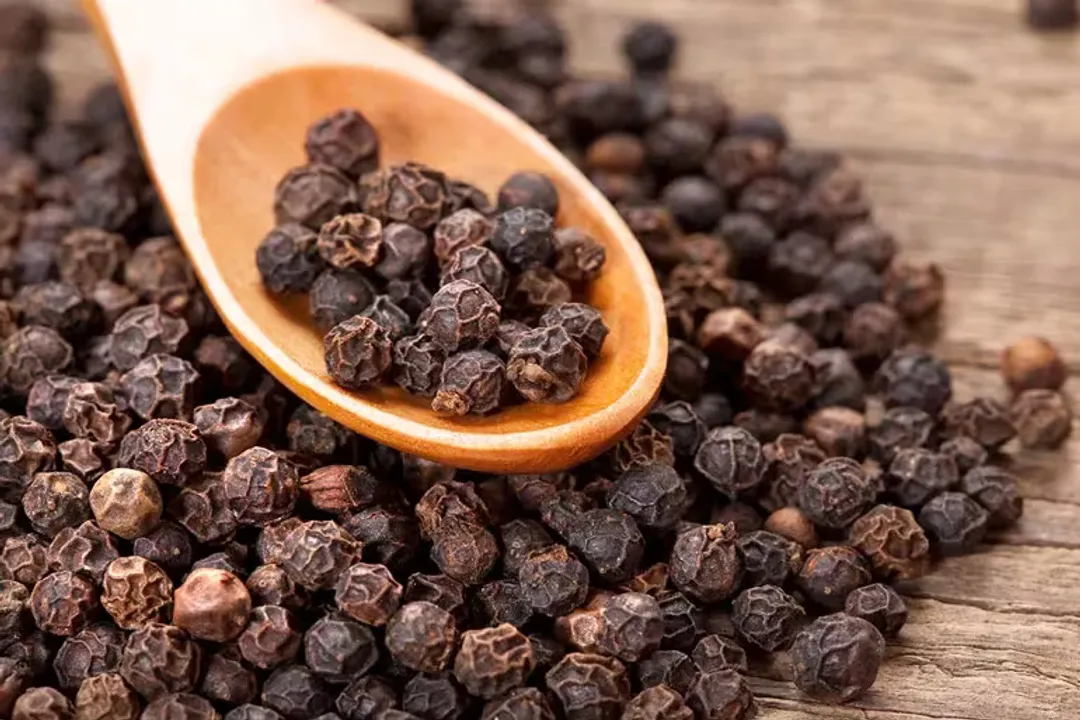
The primary active component giving black pepper its characteristic bite is piperine. [8] This alkaloid is responsible for much of the spice's recognized health advantages, primarily due to its strong antioxidant and anti-inflammatory capabilities. [1][4] Inflammation is a natural bodily response, but chronic, low-grade inflammation is implicated in numerous long-term health issues, making dietary sources of anti-inflammatories valuable additions to the daily diet. [1]
# Nutrient Absorption
One of the most compelling arguments for consistently including black pepper in meals lies in its remarkable ability to improve the bioavailability of other beneficial compounds. [1][4] Piperine appears to interfere with certain liver and intestinal processes that normally cause rapid breakdown or elimination of other substances, essentially increasing the amount of usable nutrient that makes it into the bloodstream. [6] For instance, studies suggest piperine can significantly increase the absorption of curcumin, the active ingredient in turmeric, by up to 2,000%. [1][4] This synergistic effect is vital; you might be consuming healthy supplements or foods, but without adequate absorption, their full potential remains locked away. [6] Furthermore, piperine has been shown to enhance the uptake of essential nutrients such as selenium, iron, and certain B vitamins. [1][4] Considering that deficiencies in common minerals like iron remain a global concern, a simple sprinkle of black pepper on an iron-rich lentil stew could be a small yet effective dietary adjustment. [4]
# Weight Management
The impact of piperine on body composition is another area of interest. [1] While no single spice is a magic bullet for weight loss, research indicates that piperine may help reduce the formation of new fat cells—a process called adipogenesis—and may even assist in reducing appetite. [1] This dual action, curbing fat accumulation while potentially modulating hunger signals, suggests a supportive role in weight management strategies, particularly when coupled with a balanced diet and physical activity. [1]
# Capsaicin Effects

Chili peppers, belonging to the Capsicum genus, owe their characteristic heat to capsaicin. [7] Similar to piperine, capsaicin possesses notable antioxidant and anti-inflammatory properties, which contribute to its overall health profile. [3] However, capsaicin's mechanisms often focus on different physiological systems, notably pain response and metabolism. [7]
# Pain Relief
Capsaicin is widely recognized for its analgesic, or pain-relieving, properties. [7] It works by binding to receptors in the nervous system, specifically TRPV1 receptors, which are involved in sensing pain and heat. [7] Initially, this binding causes a burning sensation, but with repeated exposure or topical application, these nerve fibers can become desensitized to pain signals over time. [3][7] This mechanism is why capsaicin is frequently an ingredient in topical creams designed to manage localized discomfort, such as nerve pain or arthritis. [7]
# Metabolic Boost
For those interested in energy expenditure, capsaicin can offer a slight, temporary lift. [7] Consuming chili peppers has been shown to slightly increase the resting metabolic rate, meaning the body burns a few more calories even at rest. [7] This effect is linked to capsaicin's ability to stimulate thermogenesis, the process by which the body produces heat. [7] While the calorie burn from a typical serving is modest, incorporating hot peppers into regular meals contributes to a greater overall energy expenditure throughout the day. [7]
# Nutritional Value

Both black pepper and chili peppers are packed with essential vitamins and minerals, though the balance differs depending on the type of pepper consumed. [3] It is often assumed that spices offer negligible nutritional value, but in concentrated amounts, they add up. [7]
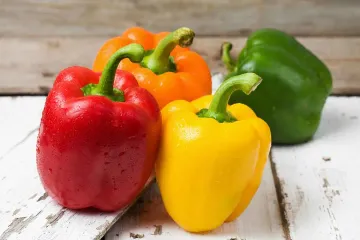
Chili peppers, particularly red ones, are rich sources of essential micronutrients. For instance, bell peppers are an excellent source of Vitamin C, often providing more than the recommended daily intake in a single serving. [3][7] They are also abundant in Vitamin A, which is crucial for vision, immune function, and skin health. [7] Other vitamins commonly found include Vitamin B6 and Vitamin E. [7]
Black pepper, while not as overwhelmingly high in single vitamins as its red, fleshy cousins, still offers valuable micronutrients and, importantly, acts as a mineral enhancer. [4] Besides piperine, it contains manganese, iron, and dietary fiber. [1] While the quantity in a single teaspoon is small, daily use adds to the overall intake, and its role in enhancing iron and selenium absorption makes it a powerful supporting player in the nutrient game. [4][6]
Here is a quick comparison of the primary active compound and a key benefit associated with the two main pepper types:
| Pepper Type | Primary Active Compound | Key Health Association | Source of Heat |
|---|---|---|---|
| Black Pepper | Piperine | Enhanced Nutrient Bioavailability [1][6] | Low/Aromatic |
| Chili Pepper | Capsaicin | Metabolism/Pain Modulation [3][7] | High (Variable) |
# Digestive Dynamics
The interaction of both types of peppers with the digestive tract is complex and often depends heavily on individual sensitivity. [6] In many cases, both black pepper and chili peppers can actually support healthy digestion. [4] Black pepper, for example, is believed to stimulate the production of hydrochloric acid in the stomach, which is essential for the complete breakdown of food and nutrient assimilation. [4][6] A well-acidic stomach environment helps prevent indigestion and promotes efficient absorption. [4]
Conversely, hot peppers stimulate the production of digestive juices, which aids the body in breaking down food more effectively. [7] However, this is where sensitivity becomes critical. While some people experience digestive benefits, individuals prone to gastroesophageal reflux disease (GERD), heartburn, or sensitive stomachs may find that the capsaicin in hot peppers acts as an irritant, leading to discomfort. [9] It is important to note that contrary to old folklore, research generally does not support the idea that black pepper or chili peppers cause ulcers; they may even provide protective effects in some scenarios, although they can exacerbate symptoms if an ulcer is already present. [4][6]
For someone trying to incorporate more spice for the health benefits, a good starting point might be to introduce black pepper first, ensuring adequate stomach acid support, and then slowly introduce low-heat chili varieties, like mild cayenne or paprika, perhaps consumed alongside a meal containing healthy fats, which can sometimes buffer the immediate burn. [1] Observing how the body responds after consuming a meal seasoned with a tablespoon of black pepper versus one containing a quarter teaspoon of chili powder offers direct, personal feedback on tolerance levels.

# Safety and Moderation
While the evidence leans heavily toward the advantages of incorporating both types of peppers into the diet, moderation is key, particularly with the hotter varieties. [10] The intensity of capsaicin in chili peppers is measured on the Scoville scale, and while most culinary uses involve low to medium heat, excessively high intake can lead to acute gastrointestinal distress. [9] Symptoms for sensitive individuals can include stomach pain, nausea, vomiting, and irritation of the digestive tract. [9]
It is also worth mentioning potential drug interactions, though these are less common with typical dietary consumption. Piperine, by increasing the absorption of many compounds, can potentially increase the absorption of prescribed medications as well, sometimes leading to higher-than-intended blood levels of a drug. [2] Always discuss significant dietary changes or the regular, heavy use of concentrated spice extracts with a healthcare provider, especially if you are on long-term medication. [2][10]
For hot peppers specifically, the danger usually lies in extremely high concentrations or in individuals with pre-existing conditions that make their digestive tract more susceptible to irritation. [9] For the average person enjoying spicy food responsibly, the risks associated with regular consumption are generally outweighed by the documented antioxidant and metabolic advantages. [3][7]
# Enhancing Culinary Applications
To maximize the health gains from peppers in your cooking, a shift in perspective from seasoning to functional ingredient is helpful. When preparing dishes that feature turmeric or cruciferous vegetables (like broccoli or cauliflower), adding freshly ground black pepper is not optional; it becomes an active step in optimizing nutrient release. [4] If you are making a rich curry or a vibrant golden milk latte, ensure you use a generous amount of freshly cracked pepper to activate the curcumin.
When utilizing chili peppers, consider the heat profile relative to the desired effect. For general antioxidant intake without significant metabolic stimulation or gastric irritation, powders like paprika or mild cayenne used in rubs or sauces offer benefits without overwhelming the palate. [3] If the goal is specifically to promote thermogenesis, increasing the amount of hotter varieties, like habanero or Thai chilies, might be the route, but this must be balanced against personal comfort levels. [7] A practical tip for managing heat in cooking is to balance it with fat or sugar, as these components help dilute the capsaicin concentration across the palate and intestinal lining, making the overall dish more palatable and less irritating without entirely negating the beneficial compounds. [9] For instance, stirring a small amount of coconut milk or a touch of honey into a spicy Asian-style dressing can soften the intensity while still allowing the capsaicin to work its magic. [7]

# Brain Health
Emerging research suggests that the benefits of black pepper extend even to the central nervous system. [1] Piperine's antioxidant activity helps protect brain cells from oxidative stress, a factor implicated in neurodegenerative diseases. [1] Some studies indicate that piperine may improve memory and cognitive function, possibly by influencing the levels of certain neurotransmitters. [1] While human research is still developing in this area, the general anti-inflammatory effect observed throughout the body likely contributes to a healthier systemic environment, which inherently benefits the brain. [4] Keeping the circulatory system clean and reducing systemic inflammation, both aided by regular pepper intake, are foundational steps for maintaining long-term neurological wellness. [1][6]
Related Questions
#Citations
11 Science-Backed Health Benefits of Black Pepper - Healthline
Black Pepper: Health Benefits, Nutrition, and Uses - WebMD
Top 5 health benefits of peppers - BBC Good Food
What Happens to Your Body When You Eat Black Pepper Every Day
Spicy Food and Chili Peppers and Multiple Health Outcomes - NIH
Health Benefits of Black Pepper - Health Cleveland Clinic
Black Pepper: 11 Health Benefits & How to Use - Tua Saúde
Hot Peppers: Types, Benefits, Risks - Health
Pepper: Benefits and side effects - LinkedIn