Health Benefits of White Corn
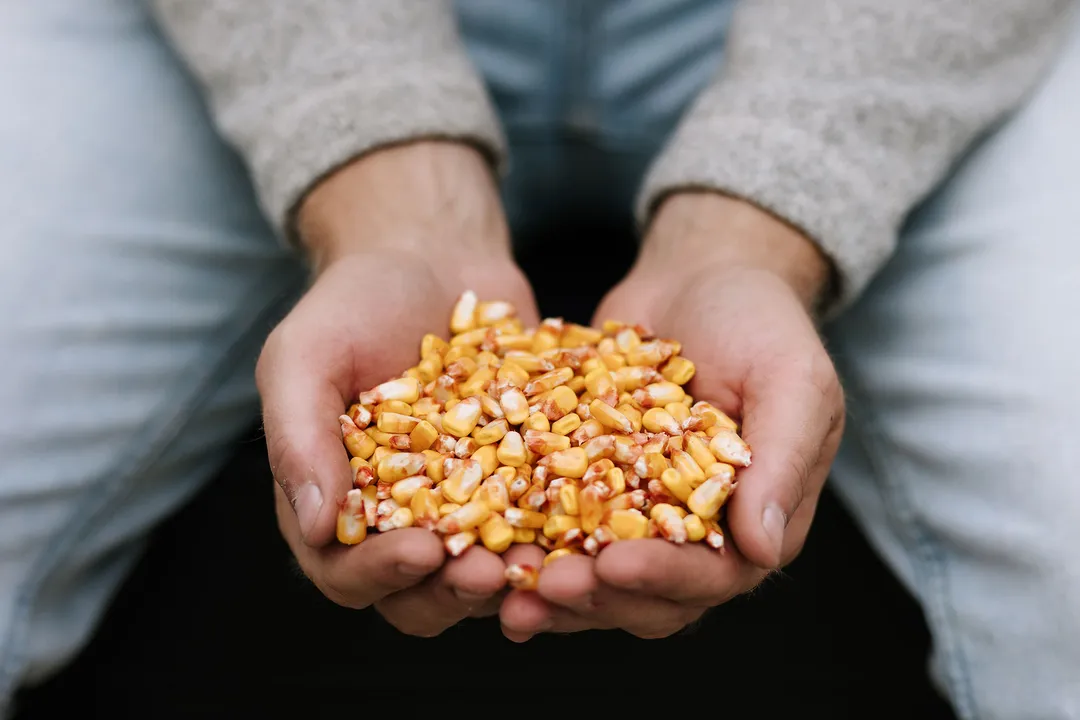
White corn, often overshadowed by its brighter yellow cousin, holds significant nutritional value that makes it a worthy addition to nearly any diet. [1][2] This staple grain, when consumed in its whole form, offers a respectable package of essential nutrients that contribute positively to overall well-being. [3][5] It is far more than just a source of simple carbohydrates; rather, it provides dietary fiber, minerals, and important plant compounds that support bodily functions ranging from digestion to vision. [1][7] Understanding these specific contributions allows us to appreciate corn beyond its role as a side dish and recognize it as a functional food. [6]
# Nutrient Density

When looking at the macronutrient breakdown, white corn primarily offers carbohydrates, which serve as the body's main source of energy. [1] However, the mineral and vitamin content is where white corn truly shines for general health support. [7] It provides minerals like magnesium, essential for muscle and nerve function, and phosphorus, critical for bone health and energy production. [1][2] Furthermore, corn delivers a respectable amount of B vitamins, including thiamin (B1) and folate. [2] For those incorporating whole corn into their regular meals, these micronutrients contribute steadily to daily requirements, supporting metabolic processes. [1]
# Gut Health

A major benefit inherent in whole corn kernels is their significant dietary fiber content. [1][3] Fiber is foundational for a healthy digestive system, adding bulk to stool and promoting regular bowel movements. [1][7] This bulk acts as a gentle scrubbing agent within the intestinal tract, helping to maintain regularity and prevent constipation. [2] The fiber in corn also functions as a prebiotic, feeding the beneficial bacteria residing in your gut microbiome. [3] A thriving gut flora is increasingly linked to everything from improved immunity to better mood regulation. [3] By keeping things moving smoothly, this fiber content also contributes to feelings of fullness, which can be helpful when trying to manage calorie intake. [1][7]

# Eye Protection

While many associate vibrant yellow and orange vegetables with eye health due to beta-carotene, white corn still offers valuable components for vision maintenance. [5] Specifically, it contains the carotenoids lutein and zeaxanthin. [2][5] These two compounds are powerful antioxidants that accumulate in the macula of the eye. [1][5] Their primary role is to filter out harmful high-energy blue light, thereby protecting the delicate retinal tissues from oxidative damage over time. [1][5] Although white corn typically contains lower levels of beta-carotene compared to yellow varieties, the presence of lutein and zeaxanthin remains a key protective feature. [5]
Since white corn lacks the high beta-carotene found in yellow varieties, incorporating naturally colorful foods like sweet potatoes or carrots alongside white corn dishes ensures a broader intake of fat-soluble Vitamin A precursors, making the overall diet more resilient against potential nutrient gaps in one specific area. [5]
# Chronic Defense

Incorporating fiber-rich whole grains like white corn into one’s diet has implications for long-term disease management, particularly concerning the heart and blood sugar regulation. [1][7] The fiber found in corn helps to slow down the digestion and absorption of carbohydrates, which results in a more gradual rise in blood glucose levels rather than a sharp spike. [1][7] This characteristic is highly beneficial for individuals focused on maintaining stable blood sugar, including those with or at risk for type 2 diabetes. [1]
In terms of cardiovascular wellness, the consumption of whole grains, which includes corn, has been associated with maintaining healthy cholesterol levels. [7] While corn is not a source of cholesterol itself, its fiber content helps bind with cholesterol in the digestive tract, potentially leading to lower circulating LDL or "bad" cholesterol levels. [1] Additionally, corn contains phenolic compounds, which are plant compounds known for their antioxidant and anti-inflammatory properties that support overall cardiovascular function. [6]

# Color Contrast
A common point of comparison when discussing corn is the difference between the white and yellow varieties. [5][8] The most obvious difference is the pigment, which translates directly to nutrient variation. [8] Yellow corn owes its color to high concentrations of beta-carotene, which the human body readily converts into Vitamin A, a vital nutrient for immune function and vision. [5][8] White corn lacks significant amounts of this pigment. [5]
However, this difference does not render white corn nutritionally inferior; it simply means the primary protective agents differ. [5] White corn tends to retain more of certain other beneficial antioxidants, like specific phenolic acids, compared to yellow corn. [5] When you compare them purely on carotenoid content, yellow corn wins, but overall nutritional synergy depends on what else you eat throughout the day. [8] Both varieties are recognized as a source of ferulic acid, a powerful antioxidant. [6]
# Eating Well
Preparing white corn in ways that respect its whole-grain nature is essential to maximizing its benefits. [3] Simple preparation methods like boiling, steaming, or grilling are excellent choices because they maintain the integrity of the natural vitamins and minerals without adding excessive fats or sodium. [3] Avoiding heavy buttering or frying ensures that the corn’s inherent health advantages are not negated by high-calorie additions. [7]
When buying corn products derived from dried kernels, such as masa for tortillas or cornmeal, understanding the traditional preparation methods is key to nutrient uptake. [9] Traditional processing, known as nixtamalization (soaking and cooking kernels in an alkaline solution, like limewater), does more than just soften the corn for grinding; it significantly improves the bioavailability of niacin (Vitamin B3). [9] This process releases niacin that would otherwise be bound, making it accessible for your body to use, which is a critical nutritional upgrade lost when corn is processed without this step. [9] Therefore, when seeking out whole-grain corn products, looking for labels indicating nixtamalization or stone-ground methods can ensure you are getting the most from this ancient grain. [9]
Related Questions
#Citations
Health Benefits of Corn | Johns Hopkins Medicine
Is Corn Good for You? - Health Cleveland Clinic
Health Benefits of Corn: 7 Reasons It's Good for You
Corn 101: Nutrition Facts and Health Benefits - Healthline
White corn is a good source of nutrients, including: *Macronutrients ...
Six Surprising Health Benefits of Corn | Nebraska CornStalk
Corn: Kinds, Nutrition, Benefits, Risks, & Preparation - WebMD
White Corn vs. Yellow Corn: Which is Better for Health? - Ecosprout
The Surprising Health Benefits of Corn | Backus Hospital | CT