What pigment is responsible for the color in yellow corn, which the human body readily converts into Vitamin A, and is largely absent in white corn?
Answer
Beta-carotene
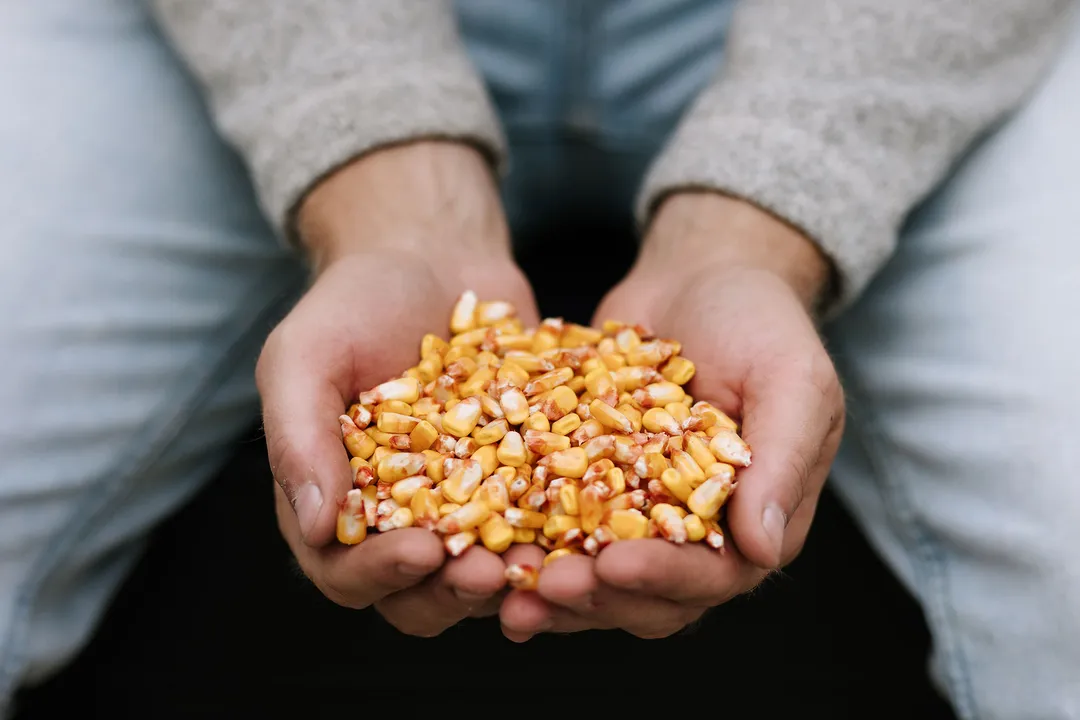
The most visible distinction between white and yellow corn varieties lies in their pigment composition, which directly translates to specific nutrient variations. Yellow corn owes its distinct color to high concentrations of beta-carotene. This compound is significant because the human body possesses the necessary enzymatic pathways to readily convert beta-carotene into Vitamin A. Vitamin A is recognized as a vital nutrient required for functions such as immune defense and maintaining healthy vision. Since white corn lacks significant amounts of this pigment, it consequently lacks this specific pathway for Vitamin A precursor intake, though it compensates with other antioxidants.
Related Questions
Which minerals essential for muscle function and bone health are provided in white corn according to its general mineral content?What specialized function does the dietary fiber in whole white corn kernels perform regarding the beneficial bacteria residing in the gut?What is the primary protective role attributed to the carotenoids lutein and zeaxanthin that accumulate in the macula of the eye after consuming white corn?What critical nutritional upgrade does the traditional processing method of nixtamalization offer when preparing white corn products like masa?How does the fiber content in whole white corn consumption help individuals focused on maintaining stable blood sugar levels?Which preparation methods are recommended for white corn to ensure the preservation of its inherent vitamins and minerals without introducing high-calorie additions?What pigment is responsible for the color in yellow corn, which the human body readily converts into Vitamin A, and is largely absent in white corn?Which specific B vitamins are explicitly mentioned as being provided in a respectable amount by white corn to support metabolic processes?Regarding cardiovascular wellness, how does the fiber content in corn potentially affect circulating LDL or 'bad' cholesterol levels?Besides fiber and carotenoids, what class of plant compounds found in corn supports overall cardiovascular function through inherent antioxidant and anti-inflammatory properties?