Health Benefits of White sapote
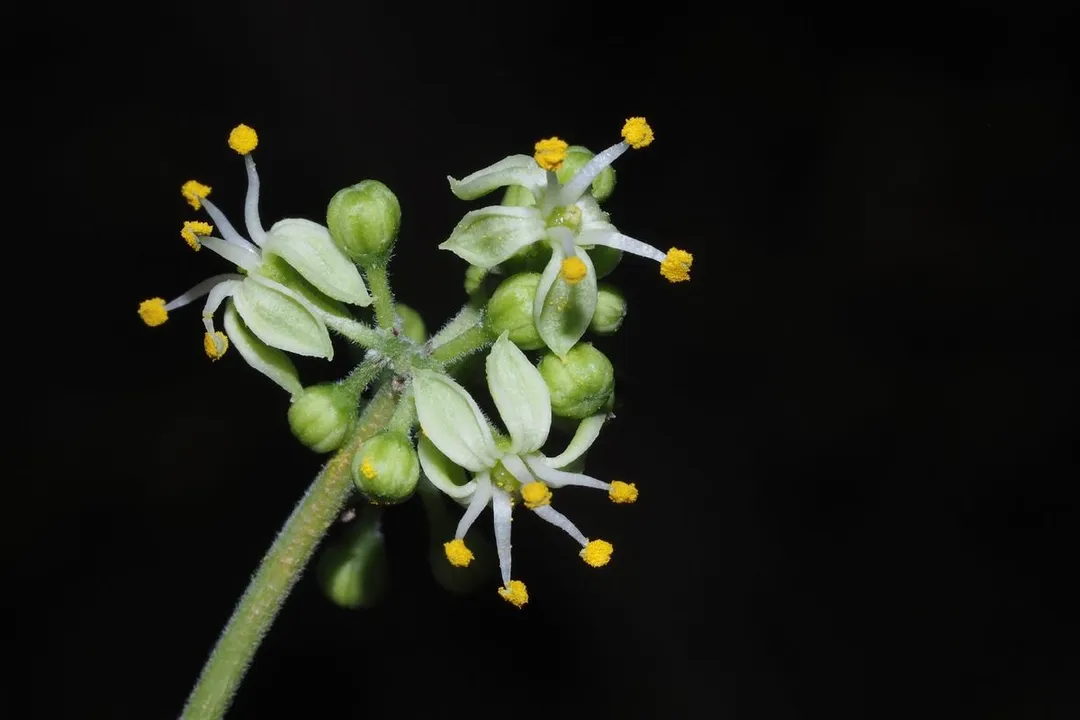
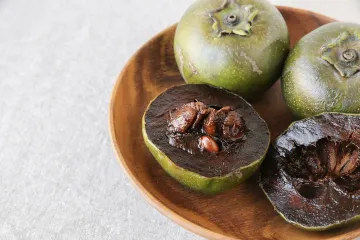
The White Sapote, scientifically labeled Casimiroa edulis, is a tropical fruit hailing from Mexico and Central America, often remaining somewhat obscure compared to more widely distributed fruits. [1][3] Its name hints at its appeal; the term 'sapote' originates from the Aztec word tzapotl, meaning "sweet, soft fruit". [1] While it might resemble a green apple or an unripe kiwi externally, its interior reveals a creamy, white flesh with a texture often likened to custard or avocado. [1][4] The flavor is a subtle marriage of tropical notes, frequently described as a mix of peach, banana, and pear, sometimes carrying a whisper of vanilla. [1][4] This unique combination of texture and mild sweetness makes it a delectable, ready-to-eat treat, though its skin is typically discarded due to a bitter taste. [1]
# Nutritional Profile

The appeal of White Sapote extends well past its unique mouthfeel; it is genuinely nutrient-dense, offering essential vitamins, minerals, and beneficial compounds. [1][4]
When examining the vitamin content, it stands out as an excellent source of Vitamin C, which is fundamental for bolstering the immune system, reducing bodily inflammation, and crucially, assisting in the production of collagen to maintain skin integrity. [1][4][5] Alongside this is Vitamin A, or its precursor beta-carotene, which is vital for immune function and maintaining healthy eyesight and skin. [1][4] Furthermore, the fruit supplies B-complex vitamins, including Thiamine (), Riboflavin (), and Niacin (). [4][5][8]
In the mineral department, White Sapote contributes important elements like Potassium, which helps regulate fluid balance and supports proper muscle contractions, playing a role in maintaining healthy blood pressure. [1][4] Magnesium is also present, supporting bone health and energy metabolism. [1][4] Research analyzing the dried fruit (DWSF) confirms high levels of minerals such as Calcium (), Zinc (), and Iron (). [8]
Dietary fiber, both soluble and insoluble, is contained within the fruit, albeit in low amounts in the fresh pulp, helping to regulate blood sugar and support digestive health. [1][4] Crucially, the fruit is rich in polyphenols and other antioxidants, like flavonoids, which actively combat inflammation and oxidative stress within the body. [1][4] The dried version of the fruit shows considerable antioxidant capacity ( Activity) and a notable total phenolic content. [8] Even when compared to other common energy sources, studies suggest White Sapote fruits provide higher energy than bananas, apples, or guava, due in part to high carbohydrate content, and offer more ash content than apples.
# Systemic Health Support

These nutritional components translate directly into observable health perks that support the body from multiple angles.
# Cardiovascular and Metabolic Wellness
The presence of potassium assists in blood pressure regulation, a key mechanism in reducing the risk associated with stroke and heart disease. [1] This benefit is chemically supported by scientific evaluations of coumarinic and flavonoid compounds found in the seeds and leaves of Casimiroa spp. These compounds demonstrated the capacity to induce vaso-relaxation (widening of blood vessels) in laboratory tissues, suggesting a potential role in managing hypertension, especially when combined with their antioxidant properties. [3]
For managing metabolic health, White Sapote offers a dual approach. The polyphenols it contains may improve the body's sensitivity to insulin, while the fiber content helps to slow down the rate at which sugar enters the bloodstream, making it potentially beneficial for those managing diabetes risk. [1] Further investigation into compounds isolated from the leaves showed that certain furocoumarins actually increased glucose uptake in fat cells, hinting at a possible functional food application for managing metabolic syndrome features related to glucose and lipid dysfunction. [3] Though typically low in fat, the fruit does contain modest amounts of healthy monounsaturated fats which are recognized for their role in promoting brain health and lowering cholesterol levels. [4]
# Digestive Function and Inflammation
The fruit’s fiber content is a straightforward asset for digestive regularity, promoting adequate uptake of nutrients and preventing constipation, thereby helping to cultivate a healthy gut environment. [1][4] Additionally, its role in reducing internal inflammation, attributed to its rich polyphenol content, could translate to improved joint health and a lowered risk of developing chronic inflammatory conditions. [1]
# Hair Enrichment
While many benefits stem from consumption, White Sapote is also noted for its external applications, particularly in hair care. Oil derived from the seeds—sometimes called "nature's oil"—is rich in fatty acids, vitamins, and minerals. [6] This oil, along with the fruit’s naturally high water content, acts as a deep conditioner, hydrating hair strands to prevent them from becoming brittle, thus minimizing breakage and frizz. [6] The fruit's natural oils leave hair feeling smooth and lustrous, while antioxidants work to repair damage from environmental stressors like UV rays and pollution. [6] Furthermore, the anti-inflammatory compounds can soothe an irritated scalp, creating a better foundation for healthy hair growth. [6]

# Traditional Uses and Sedation
Historically, parts of the White Sapote plant were used medicinally well before modern nutritional analysis. The Aztecs used processed seeds as a sleeping aid, and modern science has confirmed that compounds exist within the seeds possessing anti-inflammatory and sleep-inducing properties. [1] Decoctions made from the leaves and seeds were traditionally taken as tea to address issues like anxiety, hypertension, and insomnia. [3] Some historical accounts note that a tea made from the leaves could induce sleep within an hour. The seeds, leaves, and bark collectively possess a mild sedative or hypnotic action, along with anti-spastic and anticonvulsive effects. [3] In some traditional practices, the fruit itself was consumed specifically to alleviate rheumatic pain. [3]
# Incorporating the Fruit
For daily dietary integration, the mild flavor profile of the fresh pulp makes it highly versatile. It can be eaten simply with a spoon, mixed into cereal or yogurt, or blended into smoothies and milkshakes. [1][4] It pairs well with citrus juices like lime or lemon for making jellies or sherbets. [1] Researchers have even successfully substituted up to $75%$ of the fat in goat milk with dried White Sapote fruit (DWSF) to create a bio-yoghurt drink that maintained excellent sensory scores, demonstrating its potential as a functional food ingredient. [8] The high carbohydrate and fiber content found in DWSF ( carbohydrates, fiber) significantly improved the water-holding capacity and textural properties, increasing viscosity and body. [8] This shows that the creamy texture isn't solely dependent on fat content; the physical structure provided by the fruit’s non-fat components can mimic desirable mouthfeel properties in dairy alternatives.
# Critical Safety Considerations
While the fruit flesh is generally regarded as nutritious and edible, the usage of other plant parts requires substantial caution. [3]
It is imperative to note that the seeds of the White Sapote can be toxic, and ingestion in any quantity should be strictly avoided. [3] Furthermore, preparations derived from the leaves, bark, or seeds are advised against for those who are pregnant or breastfeeding. [3] Anyone currently managing conditions with anti-hypertensive or anticoagulant (blood thinner) medications must consult a healthcare provider before considering the use of any White Sapote preparations. [3] It is always prudent to seek advice from a medical professional before starting any new herbal supplement. [3] For those with sensitivities, while rare, individuals with known latex allergies may potentially show sensitivity to certain proteins within the fruit itself. [1]
A good starting point for incorporating this fruit is to use it in its most straightforward form: fresh pulp in a dessert or smoothie. If you are curious about the topical benefits derived from the seed oil, remember that the oil extraction process isolates beneficial fatty acids while leaving behind the potentially toxic compounds found in the raw seed. [6] If you seek a mild, natural calming effect from the plant's traditional uses, opting for professionally formulated hair or skin products containing the oil is a significantly safer route than attempting teas or decoctions from the seeds or leaves, thereby minimizing the risk associated with ingesting the sedative components. [3][6]
# Probiotic Enhancement
The study involving goat milk yogurt highlighted an unexpected functional synergy between the fruit and gut health microbes. When DWSF was incorporated into probiotic yogurt containing L. acidophilus and B. bifidum, the presence of the fruit seemed to act as a prebiotic substrate, promoting and increasing the activity and proliferation of these beneficial bacteria throughout a 15-day storage period. [8] This suggests that White Sapote is not just a source of vitamins, but its bioactive substances support the viability of healthy gut flora, which is a valuable trait for functional food development. [8] The resulting yogurts, especially those using a $75%$ fat substitution ratio, were deemed highly acceptable by sensory panelists for their flavor, texture, and body, suggesting a future where this fruit enhances both nutritional value and consumer acceptance in low-fat dairy alternatives. [8]
Related Questions
#Citations
What is the benefit of White Sapote?
Discover the Surprising Benefits of White sapote for Your Health and ...
White Zapote* - UTEP
Effect of using dried white sapote fruit (Casimiroa edulis) on ... - NIH
White Sapote Wonders: Elevating Hair Health with Nature's Oil
Plant of the Week - White Sapote - Never Ending Food
Exploring The Diverse Health Benefits Of White Sapote
WHITE SAPOTE (Casimiroa edulis) - FRUIT - Mountain Herb Estate