Health Benefits of Sapote
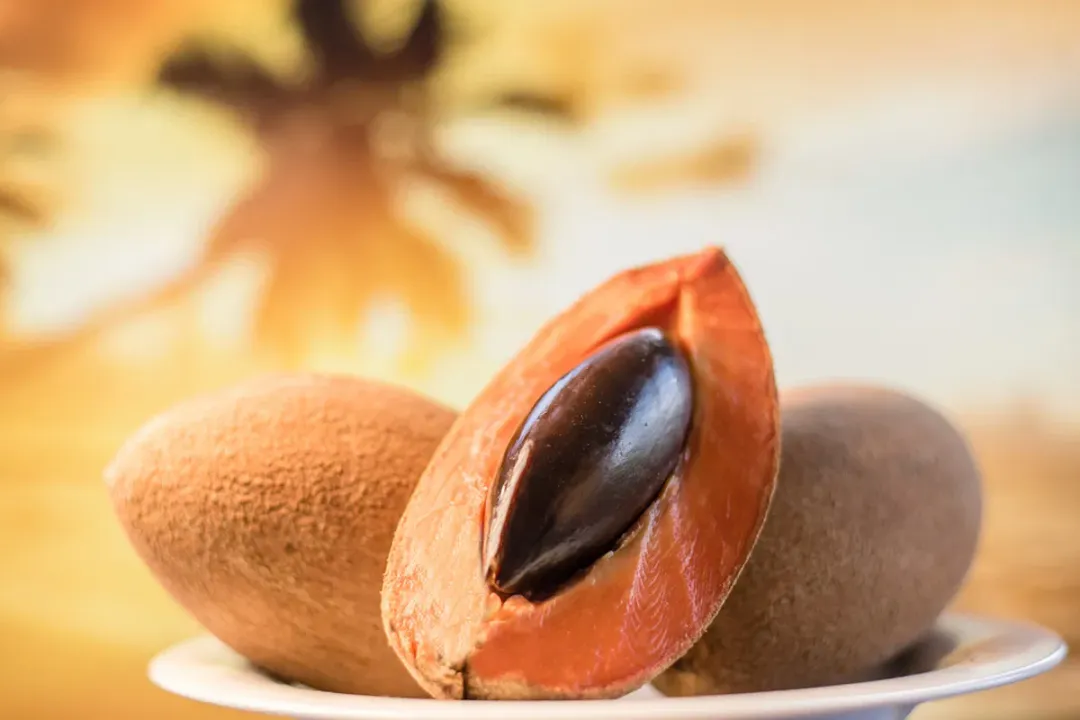
Sapote is a wonderfully diverse group of tropical fruits, often causing a bit of confusion because the name applies to several distinct varieties, each possessing a unique flavor profile and set of nutritional advantages. While they share a general "sapote" name, biting into a creamy, orange Mamey Sapote is a vastly different experience from savoring the rich, dark sweetness of a Black Sapote or the delicate custard flavor of a White Sapote. [4][3][5] Understanding these differences is key to appreciating the specific health contributions each fruit offers to your diet.
# Mamey Profile
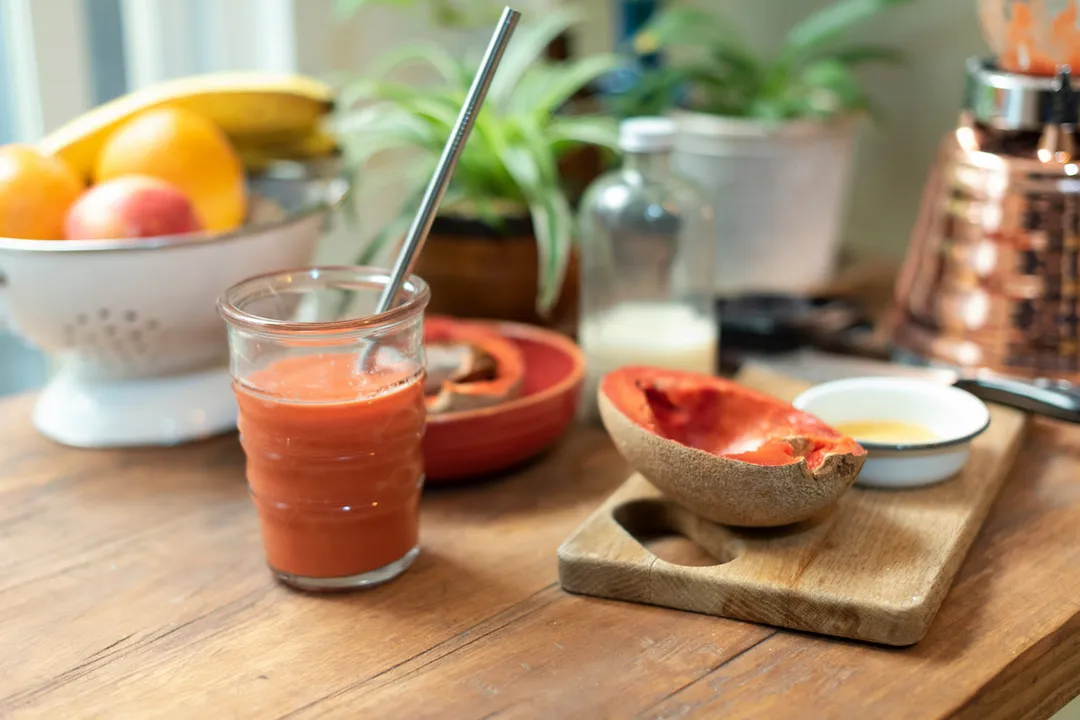
Mamey sapote, sometimes called mamey, is perhaps the most recognized of the group in certain culinary circles, often lauded for its texture, which is frequently compared to a creamy blend of sweet potato, pumpkin, and almond. [7][9] This fruit is substantial, boasting a thick, vibrant orange-pink flesh when ripe. [1][7] Its density comes from a significant concentration of beneficial nutrients.
# Key Nutrients
The nutritional makeup of the Mamey sapote is quite impressive, making it more than just a sweet treat. It is notably high in several essential vitamins and minerals. [1][4] For instance, it provides a good source of Vitamin C, which is vital for immune function and collagen production. [1][4] The fruit also contains significant levels of potassium, an electrolyte crucial for maintaining healthy blood pressure levels, working to counteract the effects of sodium in the diet. [2][4]
Another area where Mamey shines is its vitamin content related to vision and skin health. It contains compounds that the body can convert into Vitamin A. [1] This specific nutrient is fundamental for maintaining good eyesight, particularly in low-light conditions, and supports cell growth and differentiation throughout the body. [2] Furthermore, Mamey offers dietary fiber, which is foundational for digestive regularity, helping to keep the gut environment balanced. [4]
# Fats and Energy
What sets Mamey apart from many other fruits is its healthy fat content. [1] While most fruits are primarily carbohydrates, Mamey contains a measurable amount of beneficial fats, often cited as being similar to those found in avocados. [7] This fat profile contributes to its satisfying, dense texture and also helps the body absorb fat-soluble vitamins present in the fruit, such as the Vitamin A precursors mentioned earlier. [1][2] When considering a mid-morning snack or post-workout fuel, this combination of fiber, healthy fats, and natural sugars provides sustained energy release rather than a quick spike and crash, a feature that often gets overlooked when people categorize it simply as a "sweet fruit". [4]
# Black Sapote
Switching gears entirely, the Black Sapote, sometimes confusingly called the black persimmon, offers an entirely different gastronomic experience. [3] When perfectly ripe, its interior pulp turns a dark brown or black color, yielding a flavor and texture eerily similar to rich chocolate pudding. [3][6]
# Dessert Alternative
This characteristic has earned the Black Sapote the moniker "chocolate pudding fruit". [3] For those seeking healthier dessert options, this natural sweetness provides a fantastic base for smoothies, mousses, or simply eating straight from the skin. [3][6] Importantly, compared to actual chocolate-based desserts, the Black Sapote is naturally lower in sugar and calories, while still delivering significant nutritional value. [3]
# Antioxidant Content
The dark color of the pulp is often an indicator of high antioxidant activity, and Black Sapote is no exception. [3] These compounds are essential for neutralizing free radicals in the body, which helps protect cells from oxidative stress and damage over time. [3] Beyond the antioxidants, Black Sapote is also a notable source of fiber, contributing significantly to daily intake goals, which aids in prolonged satiety and digestive health. [3] If you are looking to reduce refined sugar intake while still enjoying a decadent treat, introducing a ripe Black Sapote into your rotation makes good sense, acting as a functional ingredient rather than just an empty indulgence.
# White Sapote Attributes
White sapote, scientifically known as Pouteria sapota or sometimes Casimiroa edulis, provides yet another textural variation. [5] This fruit is generally described as having a mild, sweet flavor that evokes notes of vanilla, custard, or perhaps a mix of pear and banana. [5] Its flesh is creamy and soft, reminiscent of a rich custard. [5]
# Mild Nutrition Profile
While the sources available are less detailed on the specific high-dose vitamins in White Sapote compared to Mamey, it is still recognized as a nutrient-containing fruit. [5] It is mentioned as being a source of Vitamin C and other vitamins, contributing to overall health maintenance. [5] Given its delicate nature and lower acidity, it is often appreciated for its easy digestibility, making it a gentle addition to the diet for those sensitive to more acidic fruits. [5] For those accustomed to the bolder flavors of its cousins, approaching White Sapote requires a lighter touch, focusing on its unique, soothing mouthfeel rather than intense sweetness or earthy notes.
# General Health Contributions
While the specific nutrient loads vary between the different sapotes, when viewed collectively, this fruit family offers several overlapping health advantages, primarily rooted in their fiber content and vitamin density.
# Digestive Health Focus
Digestive wellness is a consistent benefit derived from consuming sapotes, regardless of the type. [4] The presence of dietary fiber is key here. [3][4] Fiber helps regulate bowel movements, preventing constipation, and acts as a prebiotic, feeding the beneficial bacteria in your gut microbiome. [4] For Mamey, in particular, the combination of fiber and healthy fats contributes to a feeling of fullness, which can aid in weight management by reducing overall caloric intake later in the day. [4]
# Cardiovascular Support
Heart health benefits often stem from the mineral content found in these fruits. As noted with Mamey, potassium is present, which is essential for heart rhythm and blood pressure regulation. [2][4] Furthermore, the healthy fats in Mamey sapote are monounsaturated and polyunsaturated in nature—the "good fats" known to help manage cholesterol levels when replacing saturated fats in the diet. [7]
# Actionable Preparation Tip
When working with these tropical treasures, especially Mamey, their preparation dictates the experience and perceived benefit. A common misstep is attempting to eat Mamey before it is truly ripe; an under-ripe Mamey will be starchy and unpleasantly hard. To ensure you get the best texture and nutrient availability, use the simple 'thumb test.' A perfectly ripe Mamey should yield slightly to gentle pressure, much like a ripe avocado. If it's rock hard, let it sit on the counter at room temperature for a few days. If you must speed up the process slightly, place it in a brown paper bag—but resist the urge to refrigerate it prematurely, as cold temperatures can hinder the ripening process and degrade flavor. [9] Getting the timing right maximizes both enjoyment and the beneficial soft texture.

# Comparing Macronutrients
To better illustrate the functional differences between the major types, one can look at how their core caloric contributors vary, which directly impacts how you might incorporate them into a daily eating plan.
| Sapote Type | Primary Energy Source | Texture Profile | Key Visual Nutrient Indicator | Suggested Use |
|---|---|---|---|---|
| Mamey Sapote | Healthy Fats & Carbs | Dense, creamy, smooth | Orange flesh (Vitamin A precursors) [1][2] | Thick smoothies, ice cream base |
| Black Sapote | Carbohydrates (Fiber-rich) | Custard-like, pudding | Dark brown/black pulp (Antioxidants) [3] | Healthy dessert substitute |
| White Sapote | Carbohydrates | Very soft, custard | Pale flesh | Eaten fresh, simple preparation [5] |
This comparison highlights that Mamey acts as a high-energy fruit due to its fat content, making it excellent for fueling longer activities or adding richness to a meal. [7] In contrast, Black Sapote functions better as a low-glycemic, high-antioxidant dessert option when compared to processed sweets. [3]
# Skin Health and Vision Synergy
The synergy between various vitamins within these fruits contributes to skin vitality and eye protection. Mamey’s contribution of Vitamin A precursors is well-established for vision. [2] This is complemented by Vitamin C, found in various amounts across the sapote spectrum. [1][4][5] Vitamin C is not just for immunity; it is a critical component in the synthesis of collagen, the protein that provides structure and elasticity to the skin. [4] Consuming fruits rich in both collagen precursors (Vitamin C) and skin-protecting nutrients (Vitamin A/antioxidants) offers a comprehensive internal approach to skin maintenance, far superior to relying on topical treatments alone.
# Sourcing and Enjoyment
Because sapotes are tropical imports, they are generally available seasonally or through specialty markets, which means knowing how to properly handle them is as important as knowing their benefits. While one might find Mamey sapote in larger grocery stores during peak season, Black and White Sapotes might require searching farmers' markets or specialized ethnic grocers. [8][9]
An interesting point to consider when buying Black Sapote is that its richness in tannins causes the pulp to be astringent and somewhat bitter if picked even slightly too early. If you find a Black Sapote that is firm and light brown inside, it needs several more days on the counter, often turning completely black externally before it achieves that sought-after chocolate flavor. [3] This means that for Black Sapote, the external appearance (darkness) is a far better indicator of readiness than firmness, unlike Mamey. This difference in ripening signals emphasizes that one cannot treat all "sapotes" with the same handling technique; successful enjoyment depends on understanding the specific biology of the species you have purchased. [3]
In summary, the sapote family offers variety disguised under a single name. Whether you seek the high-energy, fat-rich profile of the Mamey, the antioxidant-dense, chocolate-like satisfaction of the Black Sapote, or the mild, custard delight of the White Sapote, incorporating these tropical fruits can add significant nutritional depth and exciting flavor dimensions to your regular diet. [1][3][5]
Related Questions
#Citations
6 Unique Health Benefits of Mamey Fruit - Healthline
Health Benefits of Mamey Fruit - WebMD
Health Benefits of Black Sapote or Black Persimmon - Medindia
Mamey Sapote: 7 Health Benefits, Nutrition & How to Eat - Tua Saúde
What is the benefit of White Sapote?
Health Benefits of MAMEY SAPOTE Rich in Fiber ... - Instagram
Mamey Fruit: Nutritional Benefits and Serving Suggestions - 2025
White sapote health benefits and fun facts - Facebook
Mamey Sapote - Nelson Family Farms
Mamey Sapote – Health Benefits, Uses and Important Facts