Health Benefits of Flint Corn

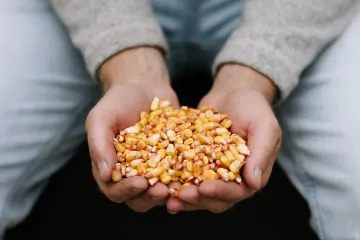
Flint corn, often recognized by its hard, glassy outer layer and kernels displaying a beautiful spectrum of colors, offers a depth of nutrition that goes far beyond its decorative use during autumn months. [5] This ancient variety of maize, scientifically known as Zea mays indurata, holds a unique place in the diet, possessing distinct advantages due to its dense composition and traditional preparation methods. [5] For many, the health conversation around corn usually defaults to sweet corn enjoyed off the cob, but flint corn, which serves as the basis for foods like popcorn and hominy, presents a powerful profile for digestive and metabolic wellness. [2][4]
# Hard Kernels
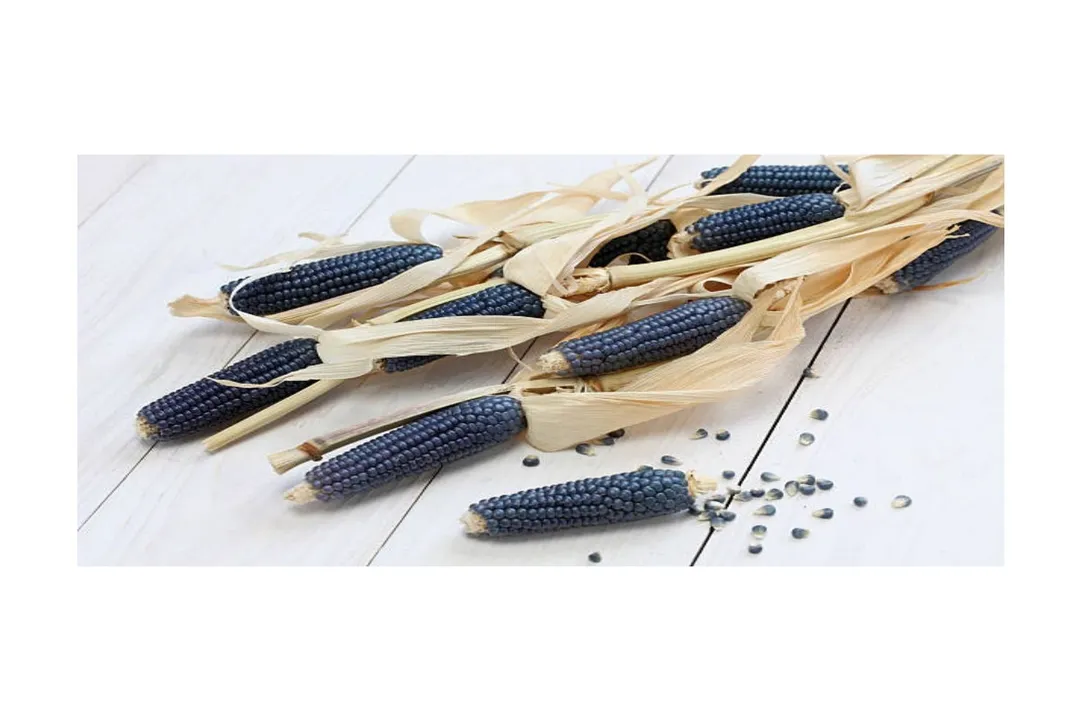
Flint corn stands apart from its softer, sweeter cousin, sweet corn, primarily due to its maturity level at harvest and its physical structure. [4][8] While sweet corn is harvested when immature and full of liquid, flint corn is allowed to dry, resulting in kernels that are considerably harder. [4][8] This difference in density means that when fully mature and dry, flint corn is classified as a grain. [4] A noteworthy example of this is popcorn, which is exclusively made from dried flint corn kernels that explode when heated due to internal moisture turning to steam. [2][4][7] Even within the flint category, varieties like blue corn are distinct; blue corn, a type of flint corn, was historically cultivated by tribes such as the Hopi and the Pueblo Indians of the Rio Grande. [3]
# Gut Health
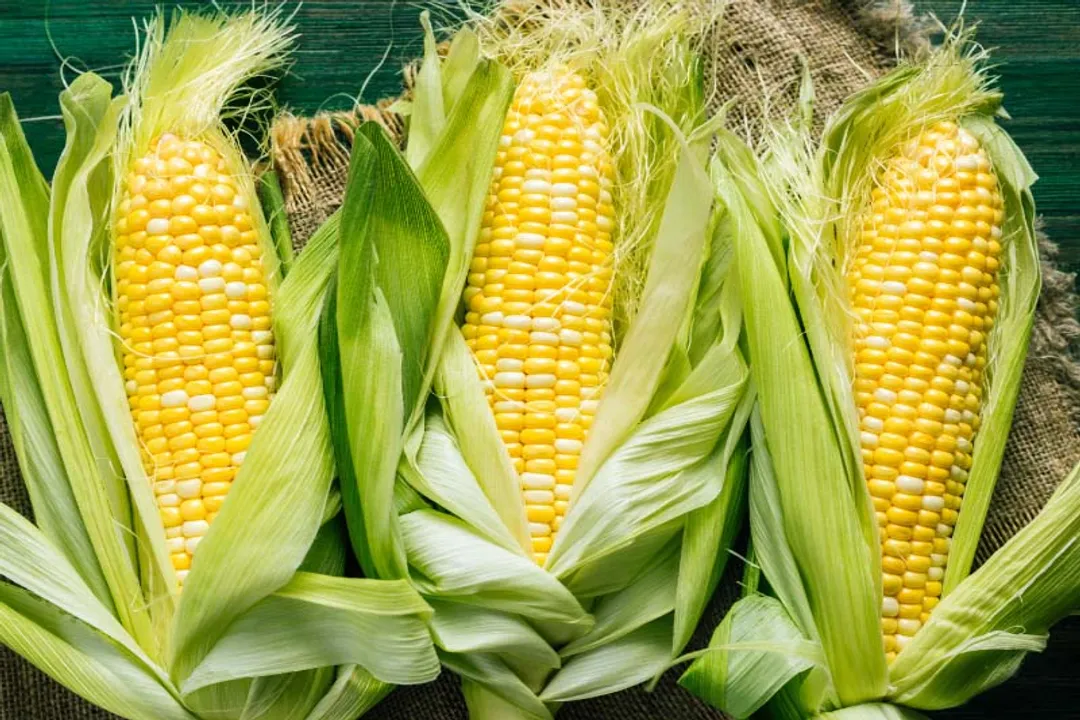
One of the most significant health contributions of flint corn comes from its high concentration of resistant starch, especially when it remains in a less processed, whole form. [5] Resistant starch functions much like dietary fiber within the digestive system. [5][6] It is not broken down in the small intestine but travels to the colon where it is fermented by gut bacteria. [5] This fermentation process yields beneficial short-chain fatty acids (SCFAs), such as butyrate. [5] These SCFAs are vital because they help promote intestinal homeostasis, improve the gut barrier function, and actively reduce inflammation within the intestines, potentially lowering the risk of colorectal cancer. [5] Furthermore, the general fiber content in corn—both soluble and insoluble—supports a healthy gut microbiome and adds necessary bulk to bowel movements, helping to ease constipation. [4][6]

# Metabolic Balance
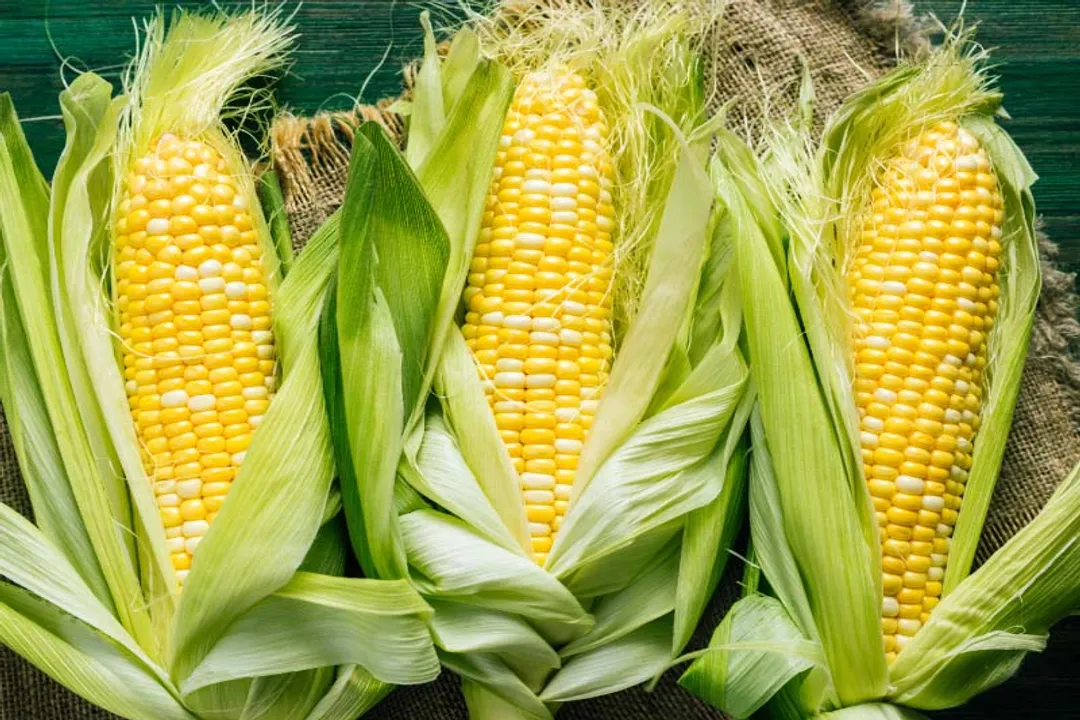
The physical structure of flint corn also contributes positively to metabolic regulation. Because it is rich in complex carbohydrates and that specialized resistant starch, flint corn generally boasts a low glycemic index (GI) when compared to refined corn products. [5] This low GI characteristic means the corn releases glucose into the bloodstream gradually, thus avoiding the sharp blood sugar spikes and subsequent crashes that can plague those managing insulin sensitivity or looking to maintain stable energy levels. [3][5] For individuals navigating type 2 diabetes, incorporating low-GI foods like flint corn is a sound dietary strategy. [5] Moreover, varieties like blue corn offer an additional advantage here: they contain about 20 percent higher protein than yellow corn, which naturally helps increase satiety, allowing you to feel fuller for extended periods. [3]
# Color Power
When assessing the nutritional strength of flint corn, its vibrant pigmentation becomes a major indicator of added benefits. [5] The deep red, blue, and purple kernels derive their color from polyphenols and anthocyanins. [5] These compounds are well-known for their potent antioxidant and anti-inflammatory properties. [3][5] Research indicates that pigmented maize varieties, such as blue flint corn, can exhibit two to four times the antioxidant activity found in yellow or white types. [5] The anthocyanins specifically have been associated with efforts to reduce LDL cholesterol and enhance overall vascular function. [5] This rich antioxidant load is key to combating oxidative stress, which is implicated in many chronic conditions. [5]
# Heart Support
Flint corn delivers a multi-faceted approach to supporting the cardiovascular system through several key components working in concert. [5] The soluble fiber present binds to bile acids, aiding in the reduction of LDL (“bad”) cholesterol. [5] Beyond fiber, flint corn provides essential minerals like potassium and magnesium. [4][5] Potassium is critical for blood pressure regulation, easing tension within blood vessel walls and counteracting the effects of sodium. [2][4] Magnesium also plays a key role in maintaining healthy blood pressure and endothelial function. [5] When factoring in the phenolic compounds found in the colorful types, which improve vasodilation, it is clear why regular consumption of whole-grain maize has been linked to reducing the risk of coronary heart disease. [5]
# Micronutrient Alchemy
Flint corn is a solid source of necessary micronutrients, particularly when it undergoes traditional preparation. [5] These essentials include magnesium, phosphorus, zinc, iron, and various B vitamins important for energy metabolism. [5] One traditional process, called nixtamalization, involves soaking the dried kernels in an alkaline solution, such as limewater. [4][5] This isn't just for texture; it chemically alters the corn to significantly increase the bioavailability of niacin (vitamin B3), which historically prevented the deficiency disease pellagra in populations reliant on corn. [4][5]
It is worth noting that while flint corn contains minerals like zinc and iron, its phytic acid content, common to all cereal grains, can slightly impair the absorption of these minerals from the same meal if eaten in excess without preparation. [7] This highlights a necessary culinary adjustment when relying on this food source. If you are preparing flint corn to make masa for tortillas or grinding it for grits, opting for the traditional nixtamalization process is paramount; it unlocks nutrients that would otherwise remain bound, turning a good food source into a superior one for mineral uptake ([4])([5]).
# Cognition Immunity
The protective compounds within flint corn extend their influence to the brain, supporting cognitive function. [5] The combination of B vitamins, which support neurotransmitter synthesis and mood regulation, alongside the slow, steady energy release from resistant starch, helps sustain cognitive performance throughout the day. [5] Furthermore, the polyphenols present may be able to cross the blood–brain barrier to help reduce neuroinflammation, a process implicated in age-related cognitive decline. [5] For immune support, the presence of zinc, essential for cell function, is important. [5]
# Versatile Consumption
As a naturally gluten-free grain, flint corn offers substantial dietary options for those avoiding gluten proteins due to sensitivity or celiac disease, providing a nutrient-dense alternative to wheat. [4][5][7] Its versatility is broad: it can be popped for a satisfyingly crunchy, low-calorie snack, or ground into flour for traditional items like cornbread, polenta, or tortillas. [5]
If you are considering how to best integrate this nutrient-dense food while maximizing its benefits, remember that the color matters for antioxidant profile. While the resistant starch and fiber benefits apply broadly to flint corn preparations, actively seek out the blue, red, or purple kernels when possible; these pigmented options contain significantly higher levels of the heart-protective anthocyanins compared to standard yellow or white flint corn, giving you the biggest protective punch per kernel ([3])([5]). Additionally, whether you use it fresh (when treating it as a starchy vegetable) or dried (as a whole grain), be mindful of added ingredients. Just as experts suggest avoiding excess butter and salt on popcorn, choosing plain, unsweetened preparations helps preserve the intrinsic nutritional value of the kernel itself. [2] When swapping heavily processed foods for whole flint corn preparations, the inherent fiber and density can help manage appetite naturally, supporting healthy weight maintenance without requiring extreme calorie restriction. [5]
Flint corn represents a functional food that grounds wellness in historical agricultural wisdom, offering tangible support for the digestive tract, cardiovascular system, and metabolic health through its unique composition of fiber, resistant starch, and pigmented antioxidants. [5]
Related Questions
#Citations
Health Benefits of Corn | Johns Hopkins Medicine
10 Health Benefits of Flint Corn
Benefits of blue corn - Sweetgrass Trading Co
The Benefits of Corn by Senior Star
Corn: Healthy Crunch for Your Cookout
Corn Guide: Nutrition, Benefits, Side Effects, More - Everyday Health
Corn 101: Nutrition Facts and Health Benefits - Healthline
Corn Nutrition Facts and Health Benefits - Verywell Fit