grain articles
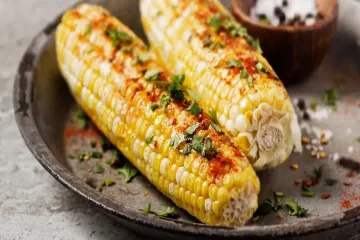
What is the scientific name for flint corn?
When fully mature and dry, what classification does flint corn receive?
What component in flint corn functions like dietary fiber and is fermented by gut bacteria?
What specific B vitamin's bioavailability is significantly increased by nixtamalization?
What compounds give deep red, blue, and purple flint corn kernels their pigmentation?
What metabolic trait does flint corn possess due to complex carbs and resistant starch?
Which essential mineral provided by flint corn is critical for easing tension in blood vessel walls?
How much higher protein does blue corn typically contain compared to yellow corn?
Which indigenous tribes historically cultivated blue corn, a type of flint corn?
What characteristic of dried flint corn kernels causes them to explode when heated?
Which essential amino acid is Amaranth notably rich in, making it a complete protein rare among many cereals?
What bioactive compound, also found in shark liver oil, is present in Amaranth seed oil and aids in improving the lipid profile?
What dietary component must accompany plant-based (non-heme) iron found in Amaranth for optimal absorption?
Which phenolic compounds exhibit strong antioxidant properties and are present in higher concentrations in Amaranth compared to many other common grains?
Why is Amaranth a safe grain alternative for individuals managing celiac disease or gluten sensitivity?
What texture results when Amaranth seeds are prepared by popping them?
What characteristic of Amaranth causes a slower, more gradual rise in blood sugar after consumption?
Due to being rich in healthy fats, how should Amaranth flour or whole seeds ideally be stored to prevent rancidity?
What vitamins are microgreens of Amaranth significantly rich in, often exceeding the mature seeds?
Which two minerals, besides calcium, is Amaranth rich in that are necessary for bone mineralization and structure?
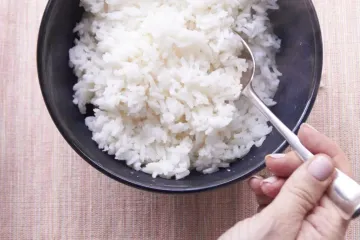
What is the lower recommended water-to-rice ratio for standard white rice on the stove?
Approximately how many cups of water are typically needed per cup of delicate, aromatic long grains like Basmati or Jasmine rice?
What is the typical water requirement range for brown rice per cup of rice?
If you choose to rinse white rice before cooking, how much should the cooking water volume be reduced per cup of rice used?
What heat setting should the stove be reduced to after the initial boil for the simmering phase?
For how long should one typically avoid lifting the lid during the active cooking phase for white rice?
What is the recommended duration for the resting period after the heat is completely turned off?
Which action is listed as a likely cause for rice becoming mushy or gluey on the stove top?
If the bottom layer of rice is burnt, what is the immediate recommended solution for the unburned portion?