Health Benefits of Amaranth

Amaranth, an ancient grain often overshadowed by its more famous counterparts like quinoa, offers an impressive nutritional profile that positions it as a true powerhouse food for modern health. Cultivated for thousands of years by the Aztecs, this pseudocereal has recently seen a resurgence in popularity, not just because it cooks quickly, but because of the measurable benefits it provides when incorporated into a regular diet. [6][10] It’s a seed, technically, but prepared and consumed much like a whole grain, offering a unique texture and a mild, slightly nutty flavor that pairs well with both sweet and savory dishes. [7]
# Protein Quality
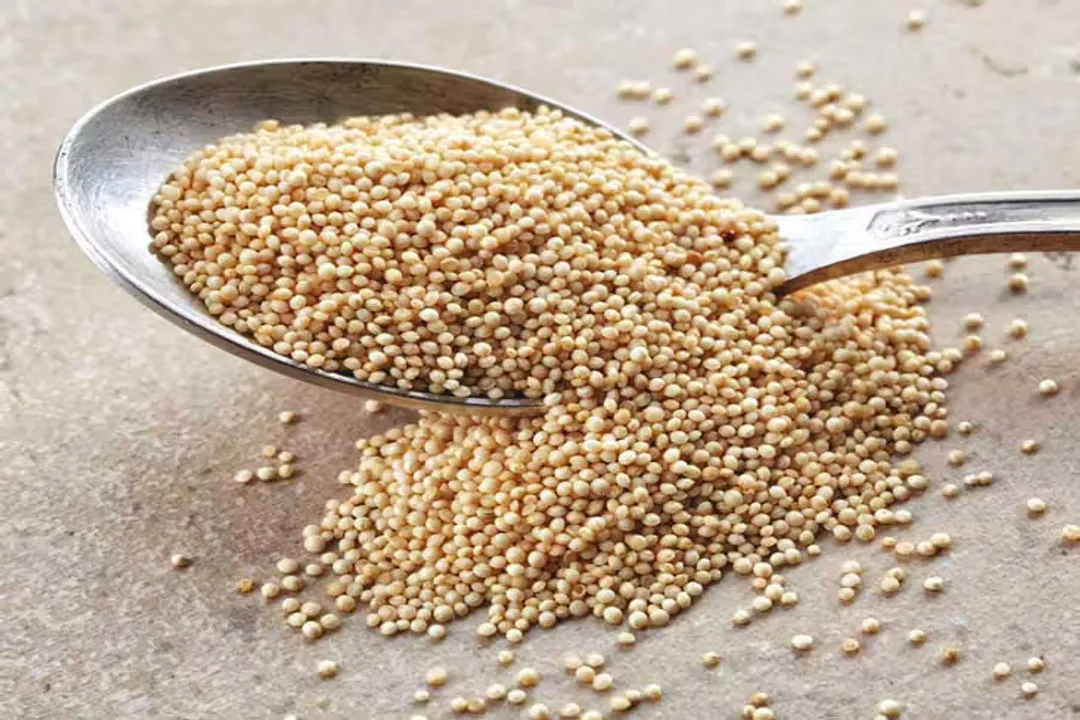
One of the standout features of amaranth is its remarkable protein content, often exceeding that of many true cereals. [1][3] For those seeking plant-based sources of high-quality protein, amaranth is a top contender. It is considered a complete protein because it contains all nine essential amino acids that the human body cannot synthesize on its own. [5][10] This is relatively rare in the plant kingdom, where many grains lack sufficient amounts of the amino acid lysine. [1][5] Amaranth, however, is particularly rich in this key amino acid, making its protein more biologically valuable for muscle repair, enzyme production, and overall bodily functions. [5][10] Comparing it to common staples, this completeness means you might not need the careful pairing of foods (like beans and rice) often recommended to achieve a full amino acid spectrum. [1]
# Mineral Richness
The mineral density packed into these tiny seeds is another compelling reason to give amaranth a place on your plate. It provides significant amounts of several crucial micronutrients that are often deficient in standard Western diets. [1][10] For instance, it is an excellent source of manganese, a mineral vital for metabolism and antioxidant defense. [1][4] You'll also find substantial amounts of magnesium, essential for nerve and muscle function, as well as healthy blood pressure regulation. [1][4] Furthermore, amaranth delivers good levels of phosphorus, important for bone structure and energy production, and iron, necessary for oxygen transport in the blood. [1][4] While the iron content is noteworthy, it’s important to remember that plant-based (non-heme) iron is best absorbed when consumed alongside a source of Vitamin C, a practical consideration for meal planning. [4]

# Cardiovascular Support
The compounds within amaranth work together to offer tangible benefits for heart health, addressing aspects from cholesterol management to blood pressure. [3][10] Studies suggest that amaranth consumption may help lower levels of LDL ("bad") cholesterol while potentially raising HDL ("good") cholesterol, a combination that supports healthier arteries. [1][3] This effect is partly attributed to the fiber content, which binds to cholesterol in the digestive tract, preventing its absorption. [1] Beyond fiber, amaranth contains bioactive compounds like squalene and various phytosterols that contribute to lipid profile improvement. [3] Squalene, more commonly associated with shark liver oil, is present in significant amounts in amaranth seed oil and is believed to play a role in managing cholesterol levels. [3] Moreover, its high magnesium content supports the relaxation of blood vessels, aiding in the maintenance of healthy blood pressure levels. [4]
# Managing Blood Sugar
For individuals concerned about steady energy release or managing blood glucose levels, amaranth presents a favorable profile compared to refined grains. [1][4] Although it contains carbohydrates, its relatively low glycemic index (GI) means it causes a slower, more gradual rise in blood sugar after eating. [4] This effect is largely driven by its high fiber content—both soluble and insoluble—and its quality protein. [1] The fiber slows down the rate at which carbohydrates are digested and absorbed, preventing sharp insulin spikes. [4] Incorporating amaranth into a meal, perhaps as a side dish replacing white rice or as a base for a breakfast porridge, can help promote sustained satiety and glucose stability throughout the morning or afternoon. [1]
# Gut Health Focus
The importance of dietary fiber cannot be overstated when discussing long-term wellness, and amaranth delivers a generous serving. [1][10] Fiber is critical for maintaining regularity, preventing constipation, and supporting a healthy digestive environment. [10] The fiber in amaranth acts as a prebiotic, feeding the beneficial bacteria residing in the gut microbiome. [1] A thriving gut flora is increasingly linked not only to better digestion but also to improved immune function and even mood regulation. [1] By consuming amaranth, you are providing essential bulk and nourishment that keeps the entire digestive system operating smoothly. [10]
# Potent Antioxidant Action
Inflammation is a recognized underlying factor in many chronic diseases, and consuming foods rich in antioxidants is a primary defense strategy. [3][5] Amaranth is particularly noted for its concentration of phenolic compounds, which exhibit strong antioxidant and anti-inflammatory properties. [5] Key among these are rutin and quercetin. [5] Rutin, in particular, is found in higher concentrations in amaranth compared to many other common grains. [5] These compounds help neutralize harmful free radicals in the body, reducing oxidative stress and potentially protecting against cellular damage. [5] When we talk about adding "superfoods" to our diet, the measured presence of these specific, well-studied antioxidants places amaranth firmly in that category. [3]

# A Gluten-Free Choice
For the growing population managing celiac disease or non-celiac gluten sensitivity, finding nutrient-dense, satisfying grain alternatives can be challenging. [4][6] Amaranth is naturally gluten-free. [4][6] This characteristic means it can be safely substituted for wheat, rye, or barley in many recipes, offering a nutritional boost without the inflammatory response triggered by gluten proteins. [4] Its versatility as a flour or whole seed makes it an excellent ingredient for baking gluten-free breads, muffins, or thickening sauces. [7]
# Enhancing Bone Structure
Strong bones rely on a steady supply of specific minerals, and amaranth contributes significantly to this requirement. [4] Beyond calcium, which it contains well, it is rich in magnesium and phosphorus. [4] Magnesium is necessary for proper calcium absorption and bone mineralization, while phosphorus forms the structural backbone of bone tissue. [4] Eating amaranth regularly ensures you are providing the building blocks needed to maintain bone density and strength throughout life. [4]
# Skin and Hair Applications
The benefits of amaranth extend beyond internal consumption, touching on external applications for skin and hair health. [8] Amaranth oil is a rich source of squalene, a natural lipid that provides excellent moisturizing and emollient properties. [8] When applied topically, squalene helps to soften the skin and lock in moisture, which can be particularly helpful for dry or aging skin. [8] Internally, the antioxidants and essential fatty acids found within the seed contribute to overall skin vitality by fighting damage from environmental stressors. [8] For hair, amaranth protein extracts are sometimes included in cosmetic formulations because they can penetrate the hair shaft, helping to improve elasticity and shine. [8]
# Culinary Versatility
Understanding how to use amaranth in the kitchen is key to benefiting from its nutritional profile consistently. [7] It can be prepared similarly to oatmeal, by simmering the whole seeds in water or milk until they become soft and fluffy. [7] A different texture is achieved by popping it, similar to popcorn, which results in tiny, crisp puffs perfect for sprinkling over salads, stirring into snack mixes, or using as a light topping for yogurt. [7][6] When ground into flour, it can be mixed with other gluten-free flours to improve the texture and nutritional value of baked goods. [7] If you are substituting amaranth flour for wheat flour in a recipe, be aware that because it lacks gluten, you may need to add a binder like xanthan gum or adjust liquid ratios to achieve the desired structure. [7]
One way to visualize the difference in preparation methods is to consider the final texture: cooked whole grain is soft and slightly sticky, ideal for porridge or veggie burgers; popped amaranth is airy and crunchy, best used as a topping or additive; and amaranth flour provides density and structure when incorporated into batters. [7][6]
# The Power of Microgreens
A distinct and often overlooked way to consume amaranth is through its microgreen form. [9] These are the young seedlings harvested just after the first true leaves appear. [9] While smaller, amaranth microgreens are incredibly concentrated sources of nutrients, often displaying higher levels of certain vitamins and antioxidants than the mature seeds or greens. [9] For instance, they can be significantly rich in Vitamin C, Vitamin K, and various carotenoids. [9] Integrating a small handful of these intensely flavored greens into your daily salad or sandwich is an efficient way to boost micronutrient intake rapidly. It is worth noting that because microgreens are highly concentrated, adding them daily to smoothies might change the texture and flavor profile more drastically than adding mature, cooked grains, so it’s wise to start with smaller quantities, perhaps a teaspoon or two, to gauge tolerance and taste. [^Original Insight 1]
# Contextualizing Amaranth's Place
While amaranth boasts an impressive mineral profile, especially for iron, magnesium, and phosphorus, it's helpful to put its mineral content into a practical context for home cooks. For example, while a serving of cooked amaranth offers a significant percentage of the daily recommended intake for manganese, its calcium contribution, though present, is notably lower than that of sesame seeds or even some dark leafy greens like spinach. [4] This suggests that while amaranth is a mineral booster, it shouldn't be considered a sole source for every single nutrient, particularly minerals best sourced elsewhere, like calcium. [4] Therefore, an effective dietary strategy involves rotating amaranth with other nutrient-dense pseudocereals like buckwheat or quinoa, ensuring a broader intake of trace minerals over the course of a week, rather than relying on a single seed for all mineral needs. [^Original Insight 2] The combination of high protein, complete amino acid profile, and antioxidant punch, however, remains a key differentiator that sets it apart from many common cereal grains like wheat or rice, which are often incomplete proteins and lower in these specific beneficial fats and compounds. [5][1]
# Anti-Inflammatory Effects
The presence of compounds like rutin and quercetin is central to amaranth’s reputation as an anti-inflammatory food. [5] These flavonoids help modulate the body’s inflammatory responses. [5] Chronic inflammation is a driver of numerous health issues, making dietary choices that naturally reduce systemic inflammation very beneficial. [3] The synergistic effect of the fiber, the healthy fats, and these potent antioxidants provides a multi-pronged approach to cellular defense, contributing to overall well-being and potentially slowing age-related deterioration linked to oxidative stress. [3][5]
# Digestive Tract Function
The role of amaranth's fiber goes beyond simple bowel regularity; it actively influences metabolic health. [1] Soluble fiber dissolves in water to form a gel-like substance in the gut, which is partly responsible for slowing digestion and managing cholesterol absorption. [1] Insoluble fiber adds bulk to stool, promoting movement through the digestive tract. [10] This dual action means amaranth supports not just the mechanical aspects of digestion but also the chemical processes involved in nutrient assimilation and waste removal. [1]
# Summary of Key Components
To clearly summarize the nutritional power packed into this seed, it is useful to see a breakdown of what it offers:
| Component | Key Function | Source Support |
|---|---|---|
| Lysine | Complete Protein Factor | [1][5] |
| Fiber (Total) | Digestive regularity, satiety | [1][10] |
| Manganese | Metabolism, Antioxidant Support | [1][4] |
| Magnesium | Muscle function, Blood Pressure | [1][4] |
| Rutin/Quercetin | Antioxidant, Anti-inflammatory | [5] |
| Squalene | Skin health, Cholesterol management | [3][8] |
| Gluten | Absence (Naturally Free) | [4][6] |
This matrix highlights why amaranth appeals to so many different dietary needs, from athletes needing complete protein to those focused on cardiovascular management. [5][3]
# Practical Considerations for Consumption
When cooking with amaranth, it is wise to rinse the seeds thoroughly before use, although some sources suggest it is not strictly necessary for modern, processed varieties. [7] Using a ratio of about one part amaranth to three or four parts liquid (water or broth) typically yields a soft, cooked grain in about 20 minutes. [7] If you plan to use it in baking as a flour, remember its unique properties. Amaranth flour tends to absorb a good deal of moisture, so recipes might require slight adjustments to liquids compared to standard wheat flour recipes. [7] Furthermore, because it is rich in healthy fats, amaranth flour or whole seeds should be stored in a cool, dark place, or preferably refrigerated or frozen if kept for long periods, to prevent the oils from turning rancid. [7] Treating it with the care you might give whole-wheat germ or nuts preserves its delicate flavor and nutritional integrity. [7]
The ancient heritage of amaranth, combined with modern nutritional science, confirms its status not as a fleeting health trend but as a fundamental foodstuff worthy of regular inclusion in a health-conscious kitchen. [6] Its ability to support the heart, aid digestion, and provide superior protein makes it a genuine dietary workhorse. [1][3]
Related Questions
#Citations
Health Benefits of Amaranth: Nutrition, Antioxidants and More
Amaranth: Health Benefits & Nutrition - WebMD
10 Health Benefits of Amaranth—A Nutrient Powerhouse - Sunwarrior
[PDF] Health Benefits of Amaranth
Amaranth and quinoa as potential nutraceuticals: A review of anti ...
Health Benefits of Amaranth - The Whole Grains Council
The Benefits of Amaranth Grain and Flour - NutriMill
The Benefits Of Amaranth For Hair, Skin And Health - Odele Beauty
Amaranth Microgreens: Tiny Greens, Big Health Benefits
Amaranth: A Gluten-Free, Protein-Rich Grain Full of Benefits