Health Benefits of Ambercup Squash
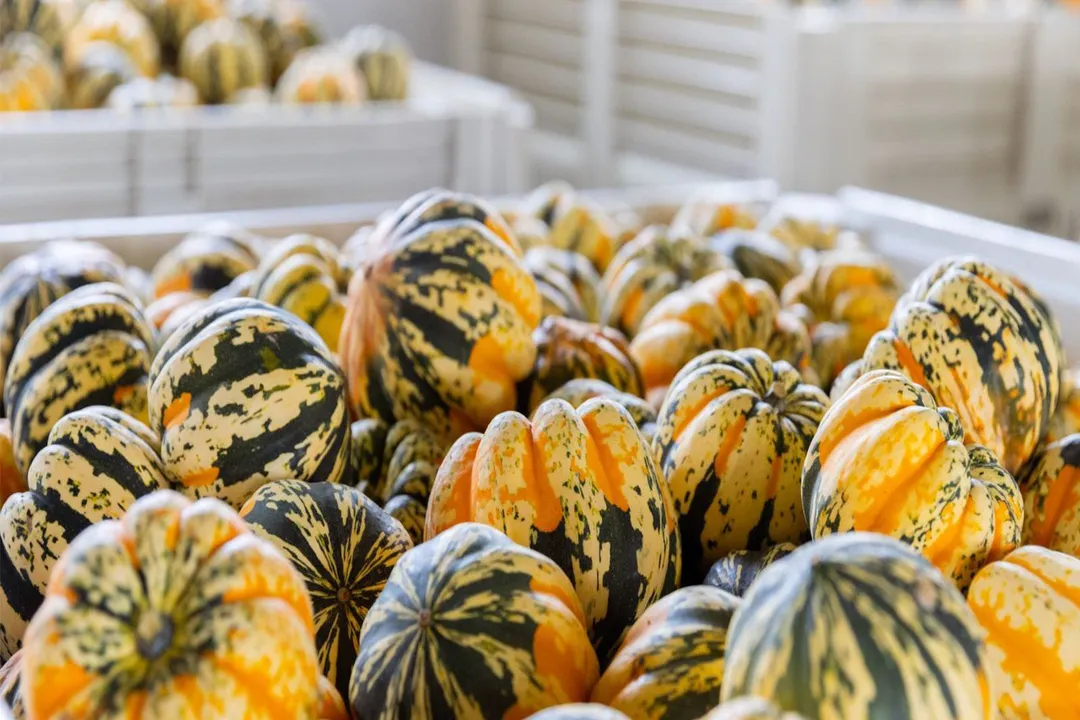
The arrival of autumn often brings a wave of comfort foods, and few ingredients signal the cozy season quite like squash. While the pumpkin gets most of the fanfare, it is worth taking a closer look at its close cousins, such as the sweet, deep-orange Ambercup Squash. Although data on every specific variety is unique, Ambercup belongs to the winter squash family, sharing a wealth of nutritional advantages with better-known types like butternut and acorn. By embracing these hearty vegetables, you invite a spectrum of vitamins, minerals, and antioxidants into your diet, supporting everything from your vision to your digestive system.
# Color Clues
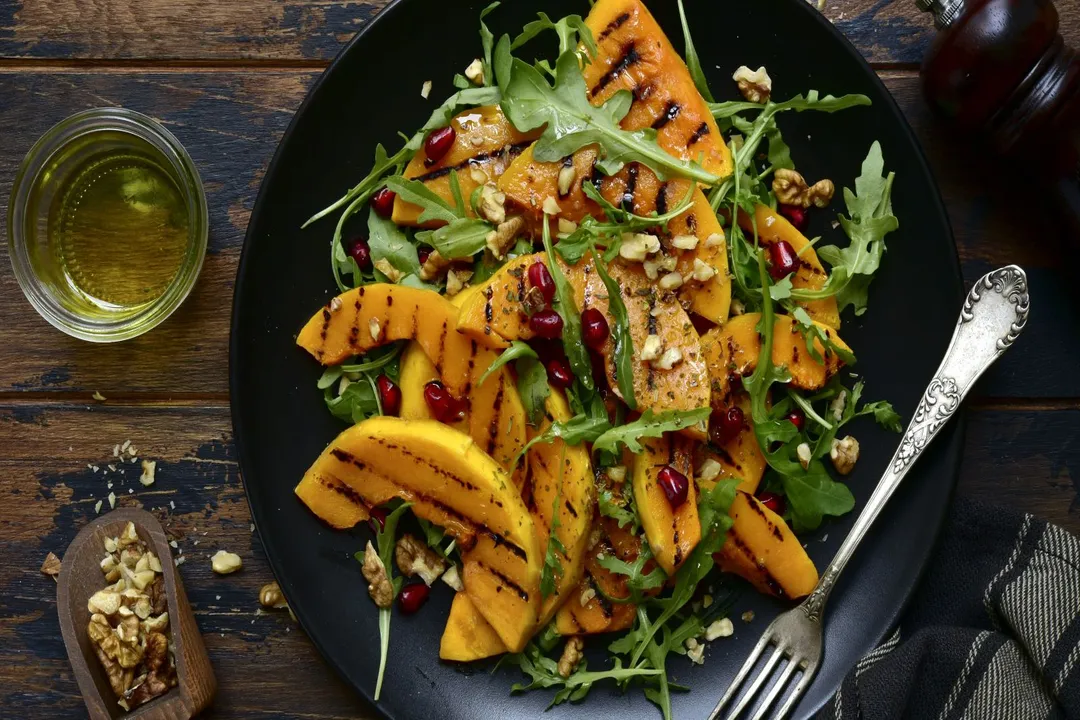
The vibrant hues of winter squash—ranging from deep orange to sunny yellow—are not just for show; they are visual indicators of powerful compounds working inside your body. Squash, botanically a fruit because it develops from a flower and contains seeds, delivers on both the vegetable and fruit fronts when it comes to health benefits. The intense color in varieties like Ambercup primarily signifies a high concentration of beta-carotene.
Beta-carotene is a carotenoid antioxidant that your body converts into essential Vitamin A. This nutrient is indispensable for numerous bodily functions, but its association with eye health is perhaps the most celebrated. Adequate Vitamin A intake helps safeguard your eyes, potentially slowing the progression of age-related macular degeneration and helping to prevent night blindness. Intriguingly, one dietitian noted that a single serving of certain winter squashes, such as butternut, can contain nearly double the beta-carotene found in carrots, suggesting that the deep color in an Ambercup squash likely offers a significant visual punch of this vision-supporting nutrient. Furthermore, this antioxidant contributes to healthy skin appearance by offering some defense against UV light exposure.
# Essential Micronutrients
Beyond the glowing beta-carotene, Ambercup and its relatives are packed with other critical micronutrients that support daily wellness. They serve as excellent sources of Vitamin C, which plays a double role: it acts as a powerhouse antioxidant and is necessary for producing collagen, a vital component for building bone mass.
When it comes to minerals, squash is a notable contributor to your intake of potassium and magnesium. Potassium is crucial for maintaining proper fluid balance within the body and works in tandem with magnesium to support healthy blood pressure levels. Magnesium itself is involved in over 300 bodily processes, including maintaining a steady heart rhythm and assisting in DNA creation. Furthermore, many squash varieties contain iron, which is necessary for healthy blood function and can help combat fatigue, especially during menstruation. If you were to analyze a standard cup of raw winter squash, you would find it to be quite low in calories and fat while offering a decent amount of protein, making it a nutrient-dense choice for almost any dietary plan.

# Fiber First
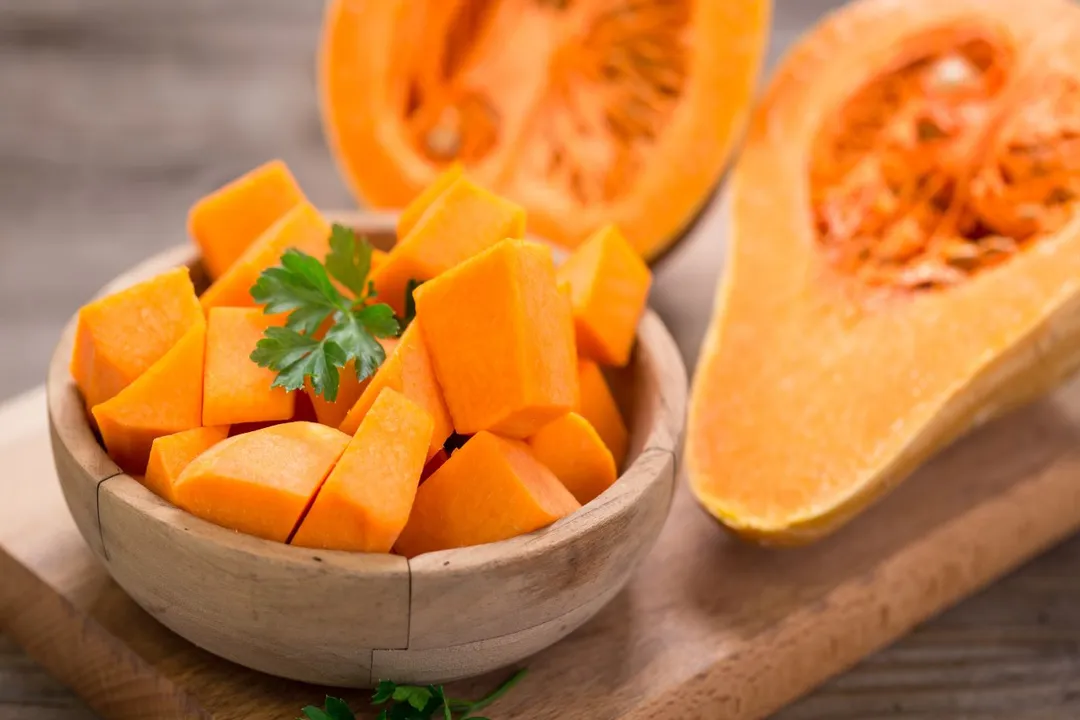
In the world of gut health, fiber is non-negotiable, and winter squash delivers a hearty dose. Winter varieties typically provide between 4 to 5 grams of fiber per cup, with specific types like Hubbard and acorn squash containing even more. This fiber content is extremely beneficial for digestive regularity, assisting in moving toxins out of the body.
Crucially, much of this fiber is prebiotic soluble fiber, which acts as nourishment for the beneficial bacteria residing in your gut microbiome. By feeding these good bacteria, squash helps maintain a healthy internal environment. Beyond the gut, this fiber plays a role in satiety—helping you feel fuller for longer after a meal—and it helps slow down the rate at which carbohydrates are digested, which is key for stabilizing blood sugar levels. This makes squash an appealing choice for individuals managing their sugar intake, as many winter varieties boast a low glycemic index, meaning they raise blood sugar slowly rather than causing a sharp spike.
# Preparation’s Hidden Impact
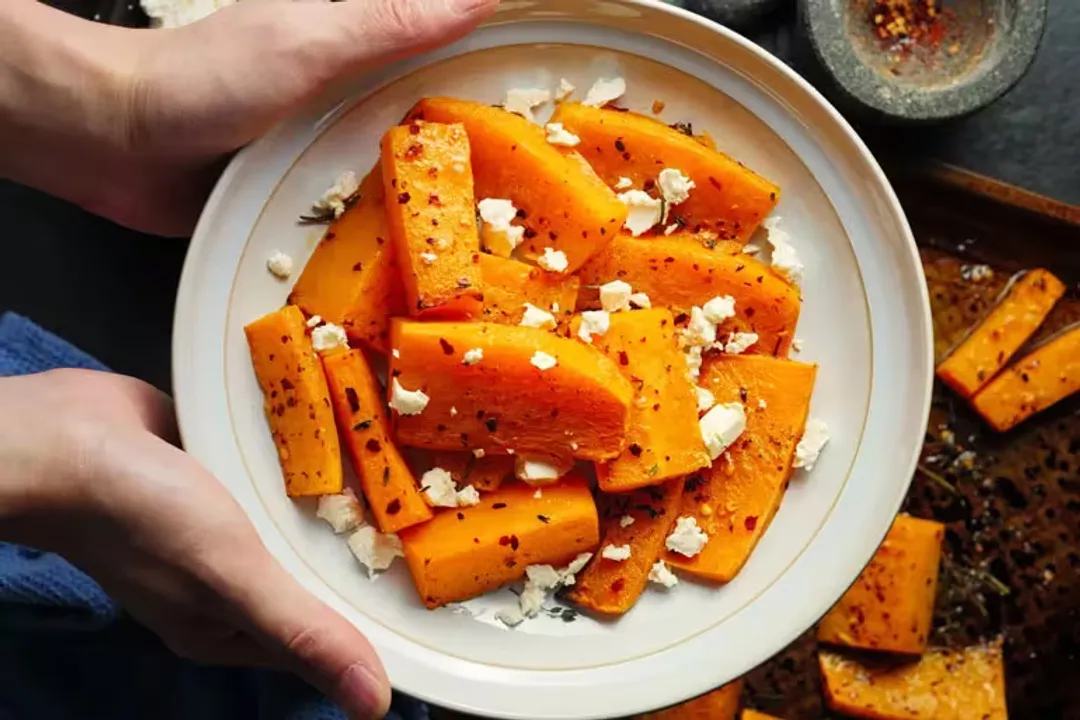
How you choose to prepare your Ambercup squash can subtly affect the nutritional profile you ultimately consume. For instance, the high levels of fat-soluble Vitamin A (beta-carotene) are best absorbed by the body when consumed alongside some form of fat. Roasting the squash, perhaps drizzled with olive oil or topped with a sprinkle of cheese or nuts, aids in the absorption of these beneficial compounds. If you opt to boil or heavily steam your squash, some of the water-soluble vitamins, like Vitamin C, can leach out into the cooking liquid, which is often discarded.
If you find yourself making large batches, consider the preparation style to maximize nutritional gain. For example, roasting cubes of Ambercup until tender and then storing them in the refrigerator allows you to easily add them to morning scrambles or grain bowls throughout the week. If you mash the flesh, stir in a source of healthy fat like avocado oil or a tablespoon of nut butter instead of just butter. This ensures that the vibrant beta-carotene is bioavailable every time you eat it, a small adjustment that makes a noticeable difference compared to simply rinsing and boiling the vegetable.
# Carb Swaps and Savory Versatility
Winter squashes like Ambercup are often naturally sweet, sometimes leading people to categorize them closer to sweet potatoes. However, because they are lower in net carbohydrates and possess that low glycemic index, they are exceptional stand-ins for traditional starches. For those looking to reduce their grain or pasta intake, this versatility is a major win.
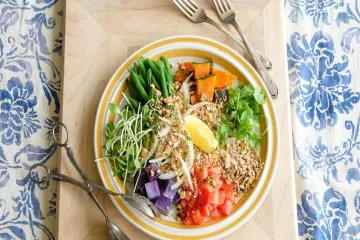
Spaghetti squash is famous for mimicking pasta noodles, but the firm flesh of roasted Ambercup can easily be mashed and used as a lighter, nutrient-boosted replacement for mashed potatoes in side dishes, or even stirred into creamy casseroles or mac and cheese bases for an extra layer of vitamins. If you are aiming for a high-satiety, nutrient-dense meal, consider stuffing the halved, roasted squash. Instead of using rice as the sole filler, mix brown rice or quinoa with beans, lean protein, and seasonings. This approach creates a balanced, main-course dish that maximizes the micronutrients from the squash while providing complex carbohydrates and protein for sustained energy.
# Maximizing Yield
Don't overlook parts of the squash that are often discarded. While the tough skin of some varieties, like butternut, is usually removed, others like Delicata and Sweet Dumpling have skins that become tender and palatable when cooked. If you are consuming the skin of your Ambercup squash—assuming it is prepared properly and washed thoroughly—you are adding even more dietary fiber to your meal.
And then there are the seeds. Regardless of the specific squash type, the seeds are edible and represent a concentrated source of nutrients. Cleaning, tossing them with a little oil and salt, and roasting them creates a satisfying, crunchy snack packed with heart- and brain-healthy mono- and poly-unsaturated fats, as well as Vitamin E and iron. Wasting the seeds means tossing away valuable nutrition that complements the health benefits of the flesh perfectly.
The general takeaway across the many varieties of winter squash is simple: they are nutrient-dense, versatile powerhouses that deserve more time on your plate than just the holiday season. Whether you enjoy the dense texture of Ambercup roasted with savory herbs or pureed into a creamy soup, you are choosing an inexpensive ingredient that actively supports multiple systems in your body.
Related Questions
#Citations
Squash – Types, Benefits and Recipes - Cambridge Food Bank
6 Health Benefits of Squash
Health Benefits of Squash - WebMD
5 Reasons to Eat More Squash - Hartford HealthCare Senior Services
The Head-to-Toe Health Benefits of Squash | Organic Valley
Why Winter Squash Is So Good for You - EatingWell
I sent a Kabocha squash to a food lab to figure out the calories - Reddit
Here's Why You Should Add More Squash to Your Diet