Health Benefits of Yellow Summer Squash

The appearance of bright yellow summer squash in farmers' markets signals a shift toward lighter, fresher eating. Often overshadowed by its greener cousin, zucchini, the golden hue of yellow squash hints at a nutritional profile that deserves closer attention. This easy-to-grow vegetable, available abundantly when the weather warms, offers much more than just a pleasant texture in your summer grilling rotation. [4][10] Integrating this simple addition to your daily meals can offer noticeable health advantages, particularly concerning immunity and gut function. [1][7]
# Nutrient Density

When evaluating the health impact of any vegetable, looking at its micronutrient load relative to its caloric cost is key. Yellow summer squash performs exceptionally well here, presenting a concentration of vitamins and minerals without packing on unnecessary energy. [1][7] The vibrant yellow coloration itself is a visual cue to the presence of beneficial compounds. [6]
# Key Vitamins
Vitamin C is a notable contributor to the squash’s profile, supporting the body's natural defenses and acting as an antioxidant. [1] Beyond Vitamin C, the presence of several B vitamins is important for energy metabolism, including folate and B6. [9] Potassium, an essential electrolyte often sought after in produce, is also present, helping to manage fluid balance within the body. [1][9] While it is generally recognized that all squash varieties offer good nutrition, yellow squash specifically stands out for its Vitamin A precursors. [1]
# Antioxidant Profile
The visual appeal is tied directly to compounds that fight cellular stress. Yellow summer squash contains various carotenoids, which the body converts into Vitamin A. [6] Specifically, sources point to lutein and zeaxanthin as key players within the squash’s antioxidant lineup. [1][9] These specific compounds are highly valued for their role in eye health, helping to filter out harmful blue light and protect the macula. [1] Comparing this to some pale-fleshed vegetables, the intensity of the yellow skin and flesh suggests a higher concentration of these fat-soluble protectors. [6]
# Digestive Support
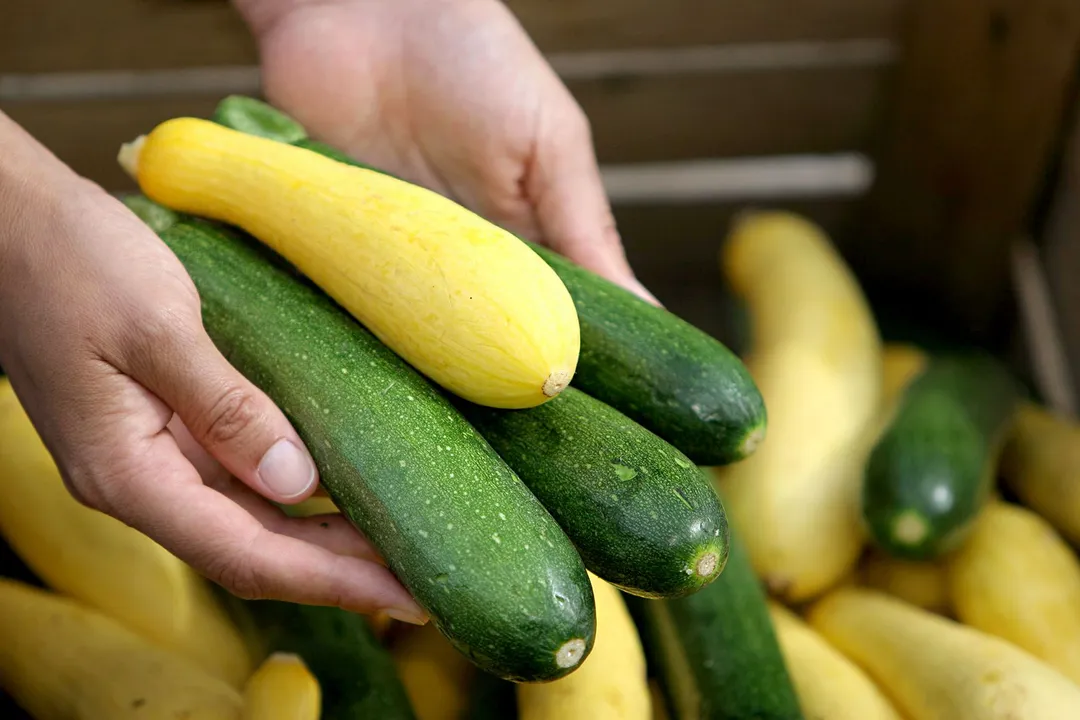
A well-functioning digestive system relies on both bulk and hydration, both of which yellow squash delivers generously. [4][9] Its high water content and moderate fiber contribute to smooth internal processing. [1]
# Fiber Content
The fiber found in yellow summer squash is beneficial for promoting regularity and preventing constipation. [9] While it is not a powerhouse of fiber compared to legumes or whole grains, the fiber it does contain contributes to the overall daily intake necessary for gut motility. [4] Furthermore, the fiber acts as a prebiotic, feeding the beneficial bacteria in your colon, which supports a healthier microbiome environment. [1] It is worth noting that much of the fiber is contained in the skin, meaning that opting for the skin-on preparation rather than peeling maximizes this specific benefit. [8]
# Hydration Factor
Because summer squash is largely composed of water, eating a substantial serving can contribute significantly to daily fluid intake goals. [1][7] This high water content helps make the vegetable feel satisfying without adding many calories, which ties into appetite regulation. [4] Think of it as a solid food way to passively increase your fluid consumption during hot summer months when needs are higher.

# Weight Management
For individuals focusing on maintaining a healthy weight or reducing calorie intake, yellow summer squash is an excellent pantry staple. [1][7] Its low caloric density means you can consume larger, more filling portions without derailing dietary goals. [4]
# Low Calories
In terms of sheer energy contribution, yellow squash is minimal. A standard serving size provides very few calories, making it highly useful for bulking up meals—think adding grated squash to ground meat mixtures or mixing it into pasta sauces—to increase volume and satiety without increasing the energy density of the dish significantly. [1] This characteristic aligns it perfectly with dietary patterns aimed at calorie control. [7]
# Satiety Signals
The combination of water and fiber works synergistically to promote a feeling of fullness, or satiety. [1][4] When your stomach receives a larger volume of low-energy food, stretch receptors signal the brain that you have eaten enough, potentially leading to better overall control over meal size. [7]
# Culinary Adaptability
The versatility of yellow summer squash is one of its greatest assets; it can be used in ways that extend far beyond simple steaming or grilling. [2][10] Its mild, slightly sweet flavor allows it to integrate easily into both savory and even some sweet preparations. [8]
# Preparation Versatility
Yellow squash works wonderfully when sliced and grilled or roasted, where its edges can caramelize slightly, enhancing its natural sugars. [8] If you prefer a softer texture, it can be sautéed quickly until tender-crisp. [2] For those seeking to incorporate more vegetables subtly, grating the raw squash into salads or mixing it into bread batters works well. [8][10] One practical consideration for home cooks is recognizing that the flavor profile is delicate; pairing it with strong herbs like basil, thyme, or savory garlic allows the squash to absorb the surrounding flavors without being overpowered. [2]
# Selection and Storage Insight
When shopping, always inspect the squash for firmness and smooth, unblemished skin. [8] A prime specimen will feel heavy for its size. [4] An observation for maximizing freshness: unlike dense root vegetables, summer squash should be treated more like a delicate item; try to consume them within five to seven days of purchase, even if refrigerated, as they lose moisture and textural integrity relatively quickly compared to harder vegetables.

# Eye and Skin Protection
The pigment found in yellow summer squash offers specific protective qualities that benefit two critical organs: the eyes and the skin. [6][7] This is primarily due to its carotenoid content, as mentioned earlier. [1]
# Vision Support
Lutein and zeaxanthin are often discussed together in the context of eye health because they accumulate in the retina. [1][9] Consuming adequate amounts of these nutrients over time helps reduce the risk of age-related macular degeneration (AMD). [1] While many colorful vegetables offer these, the specific concentration in deeply colored yellow squash makes it a worthwhile addition to a retina-friendly diet. [6]
# Skin Health Benefits
The Vitamin C content is vital for collagen production, the structural protein that keeps skin firm and resilient. [1] Furthermore, the carotenoids themselves offer a degree of internal protection against UV-induced skin damage, acting as a complement to topical sun protection. [6][7] By supporting cellular repair and reducing oxidative stress throughout the body, consistent intake contributes to a healthier complexion. [9]
# Putting Squash into Practice
To truly benefit from the properties of yellow summer squash, incorporating it regularly is necessary. Given the slight variation in nutritional data across different sources—for instance, one might list higher potassium, while another highlights Vitamin A—the best approach is to view the squash as a source of synergy rather than a single-nutrient superstar. [1][9] For a simple weekly target, aim to include one medium yellow squash prepared in three different ways across your meals. For example: spiralized raw into a lunchtime salad on Monday, grilled alongside chicken on Wednesday, and diced into a slow-cooked morning egg scramble on Saturday. This variety ensures you benefit from both raw (retaining more heat-sensitive Vitamin C) and cooked (potentially making carotenoids more bioavailable) preparations.
# Squash Versus Zucchini
Although often treated as interchangeable—and they certainly are structurally similar—a subtle difference exists in their nutritional emphasis that may guide selection. [2][10] While both are summer squashes, the yellow variety often carries a slightly higher visual signal for carotenoids (Vitamin A precursors) due to its deep color. [6] Zucchini, while also healthy, may present a slightly different balance of minerals or vitamins. [10] In practice, unless a recipe absolutely requires a specific texture, substituting one for the other is a simple and effective way to ensure you are getting the benefits of summer squash generally. [2] A quick check of general nutrition databases confirms that while they are close cousins, focusing on the yellow variety maximizes the intake of the fat-soluble yellow/orange pigments. [6][9]

# Mineral Balance
Beyond the well-known vitamins, yellow summer squash provides important trace minerals necessary for various bodily functions. [1] Manganese, for instance, is present and contributes to metabolic processes and antioxidant enzyme function. [1][9] While perhaps not as high in calcium or iron as dark leafy greens, the overall mineral profile supports overall systemic health. [1]
Yellow squash is a truly accessible vegetable, delivering hydration, fiber, and a solid dose of essential micronutrients, all wrapped up in a low-calorie package ideal for daily enjoyment. [7][4]
#Videos
Yellow Squash 101 - Nutrition and Health Benefits - YouTube
Related Questions
#Citations
What Happens to Your Body When You Eat Yellow Squash Regularly
The Health Benefits of Zucchini and Yellow Squash - Martha Stewart
6 Health Benefits of Squash
Summer Squash Savvy – Community Vitality & Health
Yellow Squash 101 - Nutrition and Health Benefits - YouTube
Yellow Vegetables: 7 Healthy Options, Recipes, and Benefits
Superfood Spotlight: The Health Benefits of Summer Squash
Summer Squash | UNL Food | Nebraska
Yellow Squash Nutrition, Benefits, Recipes and Side Effects - Dr. Axe
The Versatility of Summer Squash - Mackenthun`s Site