Health Benefits of Spaghetti Squash
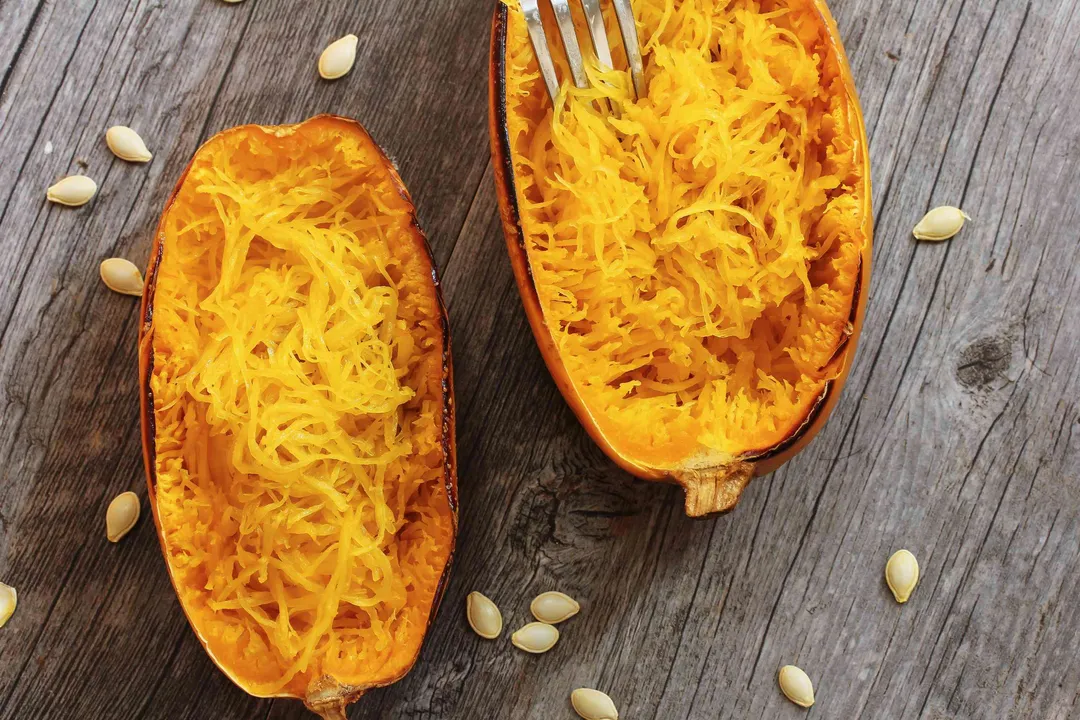
This unassuming winter squash, often overlooked in the produce aisle, holds a surprisingly powerful nutritional punch, especially when viewed as a fantastic replacement for refined grains. Spaghetti squash, with its distinctive oblong shape and hard, yellow rind, earns its name not from an added ingredient, but from its unique flesh that separates into spaghetti-like strands when cooked. [3][5] Moving beyond its role as a pasta mimic, understanding its composition reveals why it deserves a regular spot in your weekly meal rotation.
# Key Nutrients
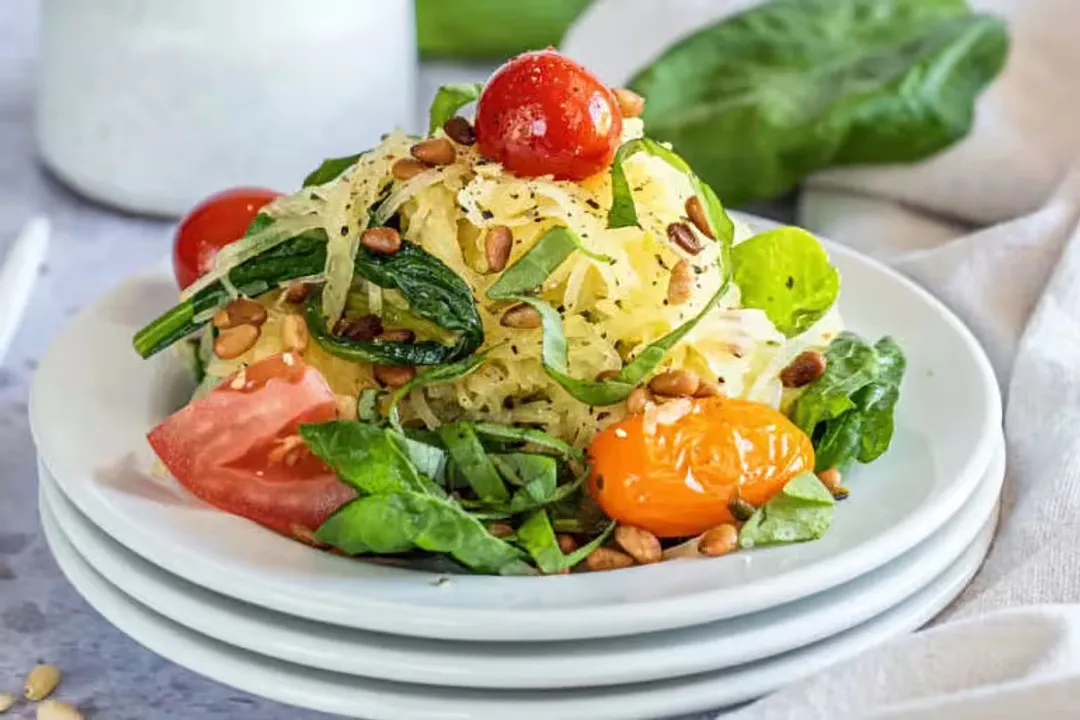
The foundation of spaghetti squash’s health appeal lies in its remarkably low-calorie density coupled with essential vitamins and minerals. A one-cup serving of cooked spaghetti squash generally contains around 42 calories. [1][2] To put that in perspective, traditional pasta contains significantly more, making the squash an excellent choice for those managing caloric intake. [4]
It offers a decent amount of carbohydrates, but what truly matters is the accompanying fiber content. Fiber constitutes about 1.5 grams per cup, which is important for digestive health. [2] When examining the micronutrient profile, spaghetti squash is an excellent source of several vitamins crucial for bodily functions. It provides substantial amounts of Vitamin A, often measured in daily value percentages depending on the serving size, which is vital for vision and immune function. [2][4] It also contains notable amounts of Vitamin C, an antioxidant that supports the immune system and collagen production. [1][4] Furthermore, it delivers B vitamins, including folate, and essential minerals like manganese and potassium. [2][6] Manganese is instrumental in bone formation and metabolism, while potassium helps balance fluids and maintain healthy blood pressure. [1][6]
To better visualize the difference this substitution makes, consider this comparative look at a standard serving size (approximately 1 cup cooked):
| Component | Cooked Spaghetti Squash (Approx.) | Cooked Enriched White Pasta (Approx.) |
|---|---|---|
| Calories | 42 [1][2] | ~220 [4] |
| Fiber | 1.5 grams [2] | ~2.5 grams [4] |
| Vitamin A | Significant source (varies) | Negligible |
| Fat | Less than 0.5 grams [2] | ~1 gram [4] |
This contrast highlights that by swapping out traditional pasta for the squash, you significantly reduce your energy intake while maintaining a good source of fiber and introducing vitamins that standard refined pasta often lacks. [4]
# Digestive Support

One of the most direct benefits derived from consuming spaghetti squash is its positive effect on the digestive system, primarily due to its fiber content. [1][4] Fiber is essential for maintaining regularity, helping to move food smoothly through the digestive tract and prevent constipation. [2]
While the amount of fiber in one serving is modest compared to some legumes or whole grains, its contribution matters, especially when consuming larger volumes of the vegetable as a main dish substitute. Moreover, the fiber acts as a prebiotic, feeding the beneficial bacteria in your gut microbiome. [2] A healthy gut community is increasingly linked not just to efficient digestion, but also to better mood regulation and overall immune strength. [5] Because the squash is relatively low in fermentable carbohydrates compared to many other vegetables, it is often well-tolerated by individuals who need to watch their intake of high-FODMAP foods, providing bulk and nutrition without significant digestive distress. [2]

# Blood Sugar Stability
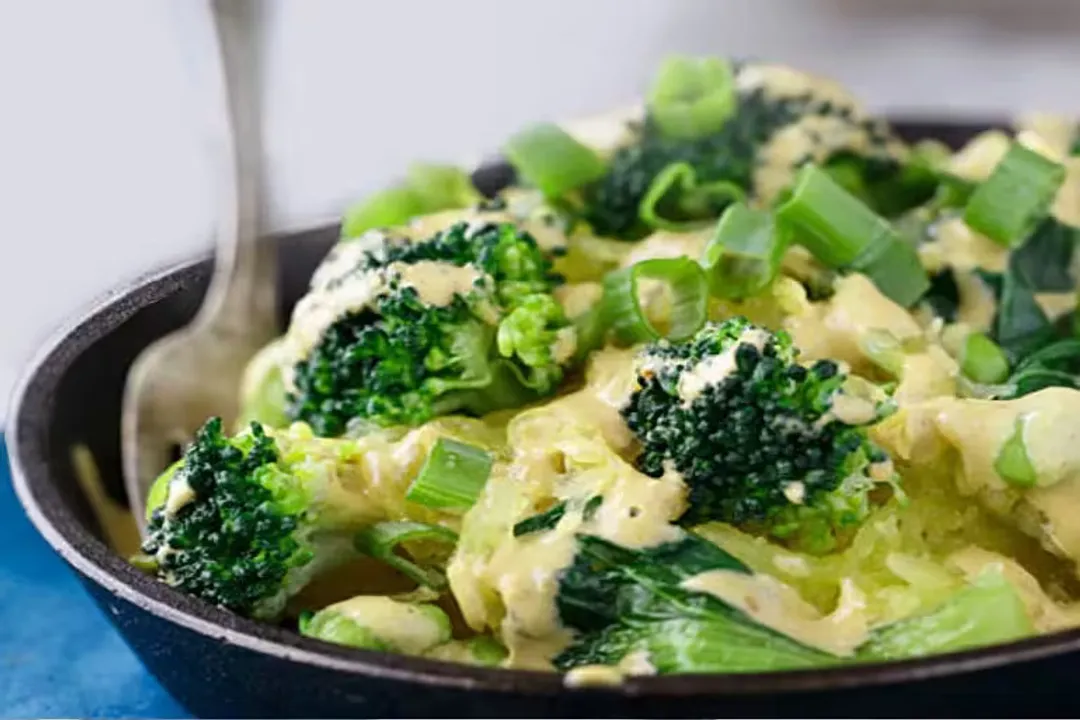
For individuals monitoring their blood glucose levels, or those looking to prevent sharp energy spikes, spaghetti squash offers a favorable profile compared to processed grain products. [2][4] Traditional pasta is high in refined carbohydrates, which break down quickly into glucose, leading to rapid increases in blood sugar. [4]
Spaghetti squash has a lower glycemic index (GI). [2] The glycemic index rates how quickly a food raises blood sugar. Foods with lower GI values lead to a more gradual rise in blood sugar, allowing for steadier energy levels and making insulin management easier. [4] This effect is compounded by the fiber content, which naturally slows down the absorption of sugars into the bloodstream. [2] By choosing the strands as a base for sauces, one can enjoy a satisfying volume of food that supports better glycemic control throughout the afternoon. [4]
# Vision and Immunity

The vibrant yellow-orange hue of the cooked squash is a visual indicator of its richness in carotenoids, most notably beta-carotene, which the body converts into Vitamin A. [1][2] Vitamin A is indispensable for good vision, playing a key role in the function of the retina and maintaining clear eyesight, especially in low light. [4] Ensuring adequate intake can help guard against age-related macular degeneration over the long term. [1]
Alongside Vitamin A, spaghetti squash is a respectable source of Vitamin C. [4] This potent antioxidant works to combat damaging free radicals in the body, thereby reducing oxidative stress. [1] Furthermore, Vitamin C is a well-known necessity for bolstering the body’s defense mechanisms, aiding in the production and function of various immune cells. [2][6] If you are looking for simple ways to incorporate immune-supporting nutrients into your meals without reaching for citrus every time, spaghetti squash provides a warm, versatile alternative. [4]
# Heart Health Benefits
The composition of spaghetti squash is also quite favorable for cardiovascular wellness, stemming from its low content of undesirable components and its high content of beneficial ones. [1] It is naturally very low in fat—often less than half a gram per cup—and contains no cholesterol. [2][6] Reducing saturated fat and cholesterol intake is a primary dietary recommendation for maintaining heart health. [1]
On the positive side, spaghetti squash contributes potassium to the diet. [2][6] Potassium is an electrolyte that works to counteract the negative effects of sodium on blood pressure. By helping the body excrete excess sodium through urine, adequate potassium intake supports the maintenance of healthy blood pressure levels, which is a cornerstone of a strong cardiovascular system. [1]
If you're preparing spaghetti squash often, consider pairing it with heart-healthy fats like olive oil and topping it with nuts or seeds rich in unsaturated fats, rather than heavy cream-based sauces, to maximize this benefit. [1] This conscious pairing turns a healthy base into a truly heart-conscious meal, something that often gets overlooked when people focus only on the vegetable itself.
# Cooking Preparation and Practicality
While the nutritional data is compelling, the appeal of spaghetti squash often comes down to how easily it can be incorporated into everyday cooking. [5] Preparing it is quite straightforward, although it does require some physical effort to cut open the dense rind. [3]
A standard method involves cutting the squash in half lengthwise, scooping out the seeds, and then baking it cut-side down until tender. [3] Once cooked, you simply scrape the inside flesh with a fork to create those signature strands. [5]
For those new to preparing squash, know that cooking times can vary depending on the size and ripeness of the vegetable, typically ranging from 30 to 40 minutes in the oven at around 400°F (204°C). [3] Microwaving is also a faster option for softer results. [5]
A helpful trick for busy weeknights, especially if you find cutting the raw squash daunting, is to cook several at once when you have time. Cooked spaghetti squash freezes remarkably well. After shredding the flesh, let it cool completely, then portion it into freezer-safe bags or containers. When reheating, it retains its texture surprisingly well, offering a ready-made, low-carb, low-calorie base for any sauce or topping imaginable in just minutes—a true time-saver when compared to boiling traditional pasta. [6]

# Antioxidants Beyond Vitamins
While the emphasis is often placed on Vitamin A and C, the squash contains other beneficial plant compounds that contribute to its overall protective effects. [2] Many of the colorful carotenoids mentioned earlier function as powerful antioxidants. Beyond beta-carotene, you find others that help the body defend against cellular damage. [1]
These compounds are part of what makes vegetables so important in disease prevention. By neutralizing free radicals—unstable molecules that can damage cells and contribute to chronic diseases—these antioxidants offer a broad layer of internal defense. [4] This synergy, where multiple compounds work together, is often why whole foods are recommended over isolated supplements; the spaghetti squash provides a matrix of beneficial micronutrients rather than just one isolated vitamin. [2]
# Mineral Balance
Beyond potassium, which is well-known for its role in fluid balance and blood pressure, spaghetti squash offers other trace minerals important for metabolic function. [1][6] As mentioned, manganese is present and is a cofactor for numerous enzymes involved in carbohydrate and fat metabolism. [2]
Though found in smaller quantities, the presence of minerals like magnesium (essential for muscle and nerve function) and iron (vital for oxygen transport) contributes to the squash's status as a well-rounded vegetable source, preventing reliance on just a single nutrient for its benefits. [6] In fact, the concentration of these minerals remains relatively stable even after cooking, provided you are steaming or baking the squash rather than boiling it extensively, which can cause some water-soluble nutrients to leach out into the cooking water. [5]
Related Questions
#Citations
Health Benefits of Spaghetti Squash
Spaghetti Squash Nutrition Facts: Calories, Carbs, and Uses
Everything to Know About Spaghetti Squash
What Happens to Your Body When You Eat Spaghetti ...
Explore the Store: Spaghetti Squash
Top Health Benefits of Spaghetti Squash—Plus Tasty ...