Health Benefits of Futsu Squash
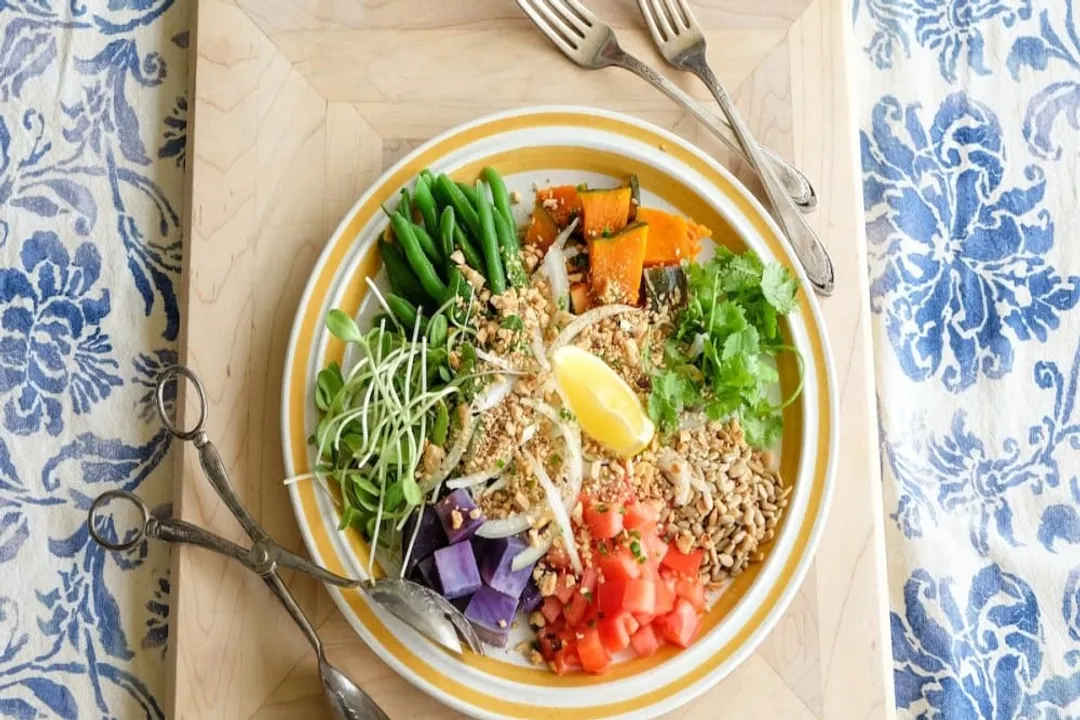
The appearance of the Black Futsu squash, often dark green or nearly black when harvested, marks it as a visually intriguing addition to the winter squash family. Unlike some of its more uniform cousins, this variety, sometimes called Blackrinded squash, offers a distinct flavor profile that makes it a favorite among gardeners and cooks who value subtle complexity. [4] Beyond its striking looks—frequently developing golden mottling as it matures—its true value lies in the nutritional package it delivers, much like other nutrient-dense squashes, yet with a unique culinary characteristic. [1]
# Antioxidant Power
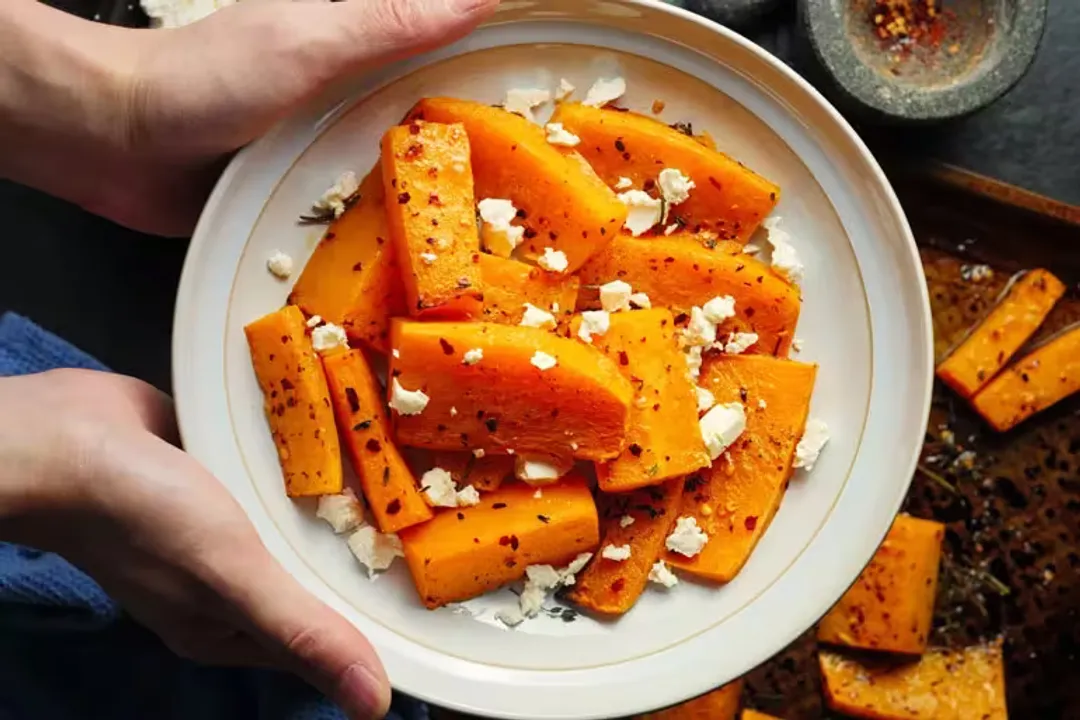
Like many members of the Cucurbitaceae family, Futsu squash is packed with compounds that help the body manage oxidative stress. These compounds, generally referred to as antioxidants, are essential for cellular health. [3][9] A major category of these protective elements found in orange and yellow fleshed squashes are the carotenoids, which include beta-carotene. [9] While the flesh color of Futsu can vary, the presence of these beneficial pigments supports overall well-being. [9]
The general benefits associated with the winter squash group include strong Vitamin A and Vitamin C contributions. [3][8] Vitamin A is crucial for vision, immune function, and cell growth. [3][8] Vitamin C, while often associated with citrus fruits, is also well-represented in many squashes, acting as an important immune system supporter and playing a part in collagen production. [8]
# Digestive Health Support
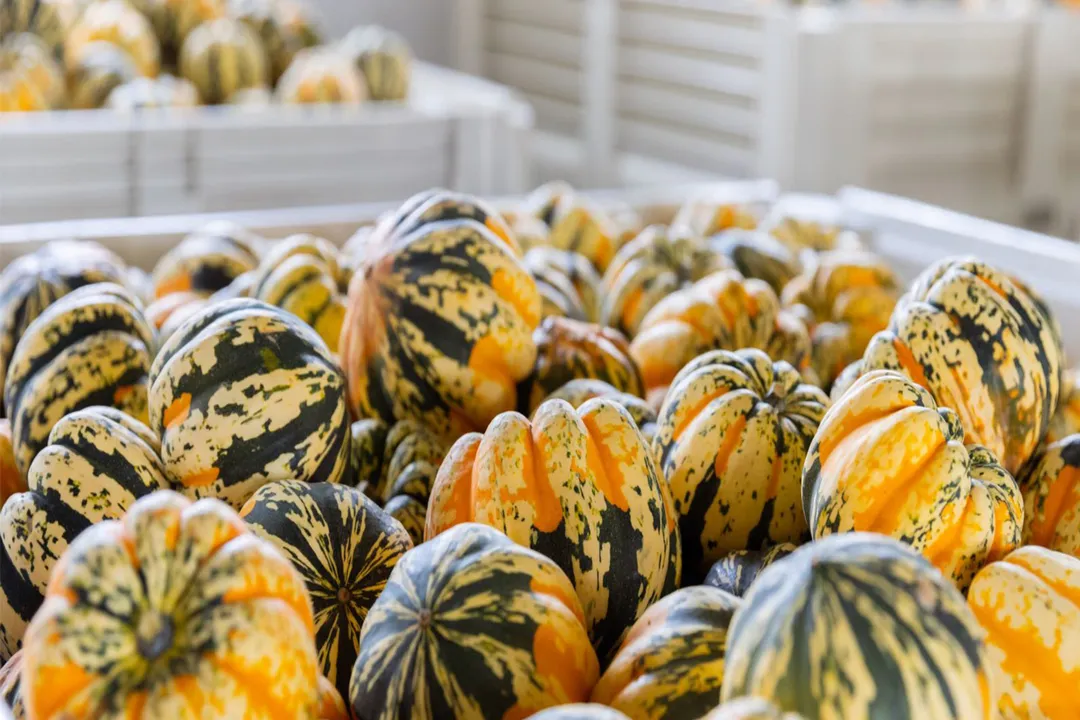
Fiber is a key component that many people look to vegetables to provide, and the Futsu squash certainly contributes to this need. [6][9] Dietary fiber is vital for maintaining a healthy digestive tract, promoting regularity, and supporting the growth of beneficial gut bacteria. [9]
When considering the fiber content, one significant advantage of the Black Futsu variety emerges: the skin is typically consumed. [1][4] In many other types of winter squash, like butternut or acorn, the thick rind is discarded, meaning the consumer loses the fiber and some micronutrients concentrated near the surface. Choosing to prepare and eat the entire Futsu squash—roasting, sautéing, or steaming it skin-on—means you retain the entirety of its natural fiber content, making your serving more effective for digestive support than an equal portion of a peeled alternative. [1][4]
# Essential Minerals
Incorporating a variety of vegetables into your regular diet helps ensure you hit essential mineral targets, and squash provides several important players. Potassium is consistently highlighted as a major mineral benefit in squash consumption. [6][8][9] Potassium works closely with sodium to help regulate fluid balance and blood pressure within the body. [6][9]
Magnesium is another mineral often found in good supply in squash varieties. [6][8] This mineral is involved in hundreds of biochemical reactions in the body, affecting everything from muscle and nerve function to energy production and bone health. [6][8] For someone balancing a diet that might be lower in whole grains or legumes, adding a side of roasted Futsu squash provides a convenient way to boost these vital micronutrients. [6]
# Caloric Profile and Weight Management
For those mindful of energy intake, winter squash, in general, tends to be a low-calorie, nutrient-dense food choice. [6] While specific caloric data for the Black Futsu may vary slightly depending on maturity and growing conditions, it follows the general pattern of its winter squash relatives, offering substantial volume and satiety for relatively few calories. [6] For instance, comparable winter squashes like Kabocha generally hover around 40 calories per 100 grams when raw. [2] This nutrient density means you can enjoy a satisfying portion without a heavy caloric load, which supports general weight maintenance goals. [6] The combination of water, fiber, and micronutrients makes it an excellent filler food.
# Culinary Texture Versus Nutritional Density
Understanding the experience of eating a vegetable often dictates how often it appears on the dinner plate, which in turn affects its long-term health impact. The Black Futsu is frequently noted for its relatively delicate texture compared to some other, denser winter squashes. [4] While a squash like Kabocha can become quite thick and starchy when cooked, [2] Futsu often maintains a slightly softer, almost creamy consistency that lends itself well to quick preparations like simple pan-frying or roasting with herbs. [4] This textural difference is important for practical application. If a reader finds very dense squashes heavy, the lighter mouthfeel of the Futsu might encourage them to eat a larger, more beneficial serving size simply because it is more enjoyable for their palate.
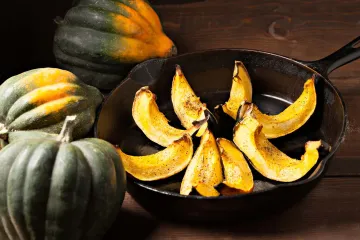
Furthermore, the skin's edibility mentioned earlier also influences preparation strategy. Because the skin softens nicely and accepts seasoning well, one might be inclined to roast the Futsu whole or halved, allowing the natural sugars to caramelize slightly on the surface, which often enhances the perceived flavor without adding unnecessary fats or sugars. [1] This simplicity translates directly to healthier cooking habits over time.
# Versatility Across Meals
The health benefits of a food only materialize if it is regularly incorporated into one's diet. The versatility of the Black Futsu squash supports this consistency. Because its flavor is often described as slightly sweet and delicate, it does not overpower other ingredients, allowing it to transition easily between savory and sweet preparations. [4]
Consider substituting it in dishes where you might normally use potatoes or other root vegetables in a stew or soup. It readily absorbs the flavors of the broth or spices used. A simple checklist for integrating this squash might look like this:
- Roast Whole: Halve, scoop seeds, drizzle with olive oil and salt/pepper. Roast until tender. The skin peels off easily post-roasting if preferred, but eating it is encouraged. [1]
- Soup Base: Puree roasted or steamed flesh into vegetable stock for a naturally thick, creamy soup without heavy cream.
- Side Dish: Dice and sauté with garlic and sage for a quick side that provides fiber and potassium. [6][8]
- Baking Accent: Mash cooled, cooked flesh and incorporate into bread or muffin batter for added moisture and a slight nutritional boost. [9]
This flexibility is a hidden health benefit; a vegetable that fits easily into existing meal structures is one that is more likely to be consumed consistently, thereby maximizing the steady intake of vitamins A and C, potassium, and fiber over the long term. [3][8]
# Seed Nutrition
While the flesh and skin offer substantial nutritional value, the seeds of the Futsu squash should not be overlooked, mirroring the common practice with pumpkin seeds. Squash seeds are often rich sources of healthy fats, protein, and minerals like zinc and magnesium. [6] If you are roasting the squash flesh, collecting the seeds, cleaning them, tossing them with a little salt, and dry-roasting them offers a crunchy snack that adds extra essential nutrients to your eating plan. [6] This method ensures minimal processing and waste, aligning with economical and resourceful eating habits often valued by those focused on wholesome nutrition.
Related Questions
#Citations
All About Black Futsu Squash - Good Gourds
Kabocha Squash Nutrition Facts and Health Benefits - Verywell Fit
6 Health Benefits of Squash
Is Futsu Blackrinded Squash Keto-Friendly?
Black Futsu squash recipes and benefits - Facebook
Health Benefits of Squash - WebMD
Squash Nutrition and Health Benefits - Hawaii Ulu Cooperative
The Head-to-Toe Health Benefits of Squash | Organic Valley
Why Winter Squash Is So Good for You - EatingWell