Health Benefits of Honeynut Squash
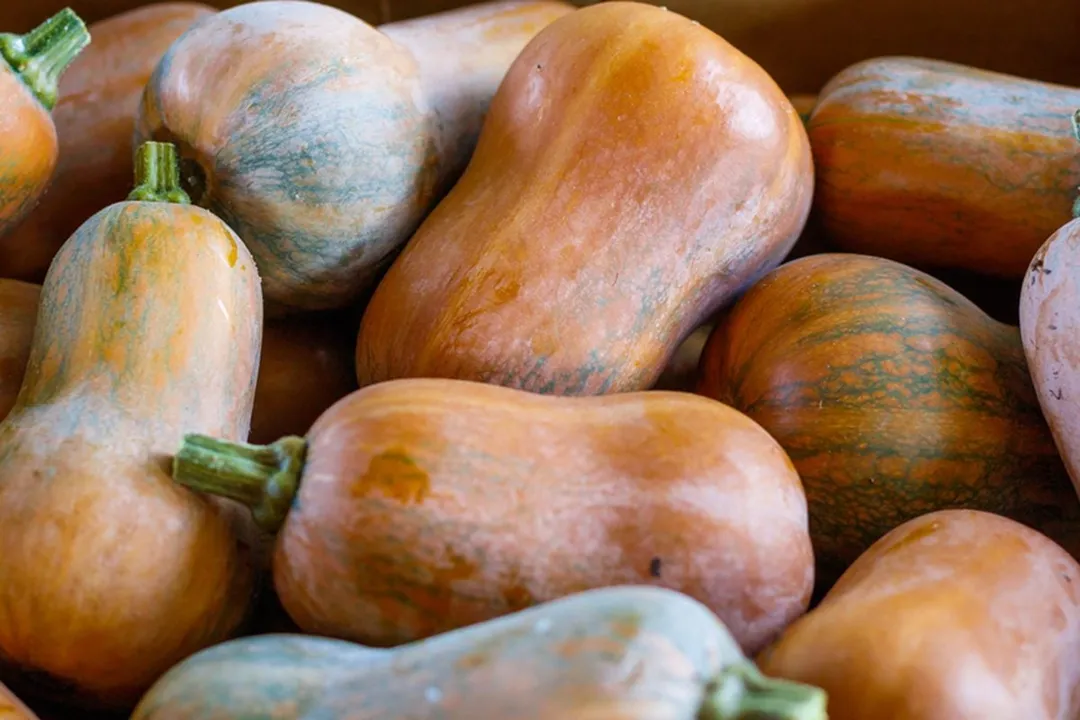
Honeynut squash has quietly crept into produce aisles, often mistaken for a miniature butternut or perhaps an unusually uniform acorn squash, but this little gourd packs a significant nutritional punch relative to its size. This relatively new player in the winter squash family isn't just cute; it represents a deliberate horticultural effort to concentrate flavor and nutrition into a more manageable package. Breeders at Cornell University specifically developed the Honeynut as a cross between the popular butternut and the buttercup squash, aiming for an intense sweetness that lives up to its name.
The most immediate difference noticeable to a shopper is the size. Where a butternut squash might resemble a bowling pin, the Honeynut is typically comparable in size to a small cantaloupe or softball. This smaller stature means less chopping and less waste, which is a practical benefit many cooks appreciate when facing down a large winter squash on a busy weeknight. The skin, a rich, deep orange, gives way to flesh of an even more vivid hue, often described as intensely sweet and nutty when cooked. Its emergence on the culinary scene is more than a trend; it’s based on a distinct flavor profile and a nutrient-dense composition that warrants a closer look into its advantages for overall wellness.
# Size and Cooking
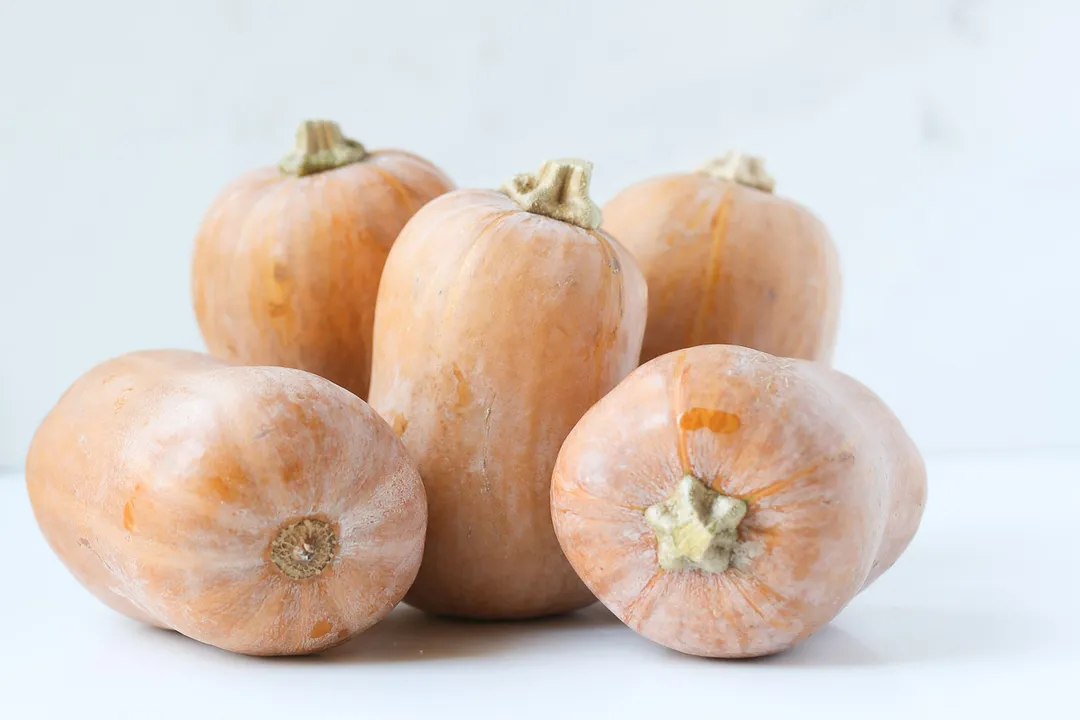
The diminutive size of the Honeynut squash offers immediate logistical advantages in the kitchen, especially compared to its larger relative, the butternut. Because it contains less mass, the time required for preparation and cooking is significantly reduced. For instance, a whole Honeynut can often be halved, seeded, and roasted in a fraction of the time it takes to prepare a standard butternut, making it an excellent choice when time is a factor. This means you can enjoy the hearty, comforting flavor of roasted winter squash as a quick side dish rather than reserving it only for weekend projects.
When preparing this squash, slicing it open reveals the vibrant, deep orange flesh. One point of interest for home cooks is the edibility of the skin. Unlike the thicker, sometimes tougher skin of some other winter squashes, the Honeynut’s skin softens considerably when cooked, particularly when roasted or baked. This presents a simple opportunity to increase dietary fiber intake without any extra steps other than choosing to consume the peel after softening. If you typically peel your butternut before using it, simply roasting the Honeynut whole or halved until tender and then scooping the flesh out with a spoon—or eating the softened skin directly—maximizes the nutrient retention that might otherwise be lost in peeling.
# Nutritional Profile
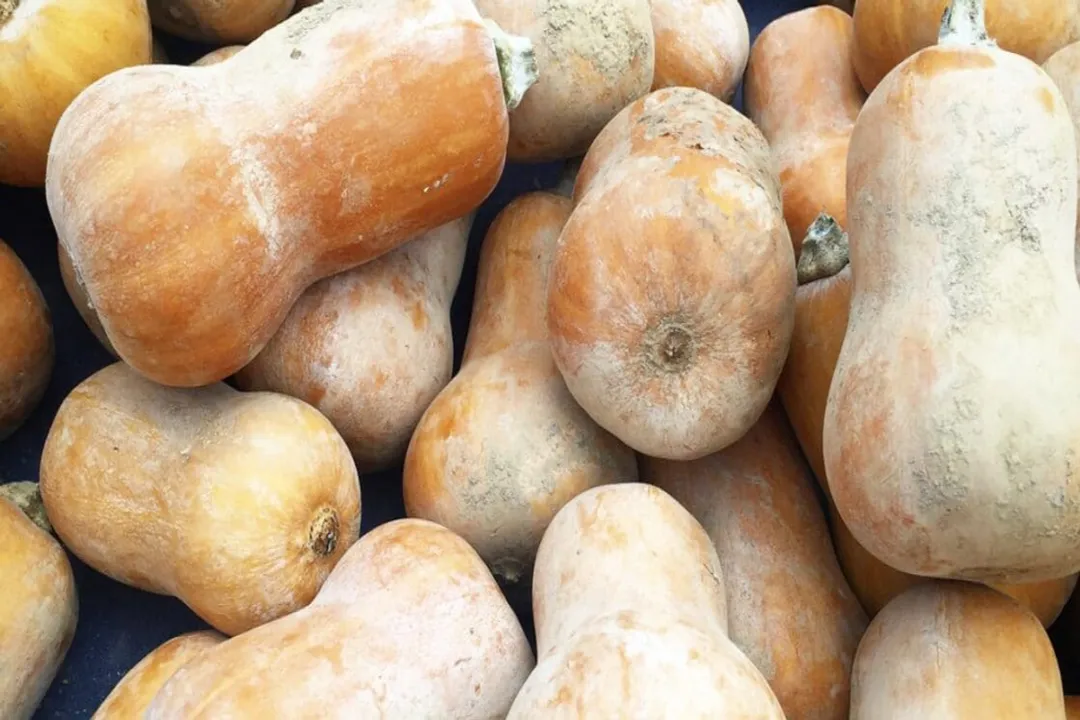
Honeynut squash stands out nutritionally due to its concentrated nutrient levels, particularly its high content of certain vitamins. The deep orange color is a direct indicator of its richness in beta-carotene, which the body converts into Vitamin A. Vitamin A is well-known for its role in maintaining healthy vision, supporting immune function, and promoting cell growth.
In addition to Vitamin A, Honeynut squash is a source of Vitamin C. Vitamin C is essential for various bodily functions, including acting as an antioxidant and aiding in collagen production, which supports skin health. The squash also supplies important minerals and dietary fiber. Fiber is crucial for digestive health, helping to regulate bowel movements and supporting a healthy gut environment.
While specific detailed nutritional breakdowns can vary based on growing conditions and measurement methods, the general consensus is that Honeynut offers excellent nutrient density for its size. In discussions about calorie-controlled eating, for example, users have noted that Honeynut appears to offer a high degree of satisfaction and volume for a relatively low caloric count, which can be advantageous for individuals managing their weight. This dense nutritional load, combined with its natural sweetness, makes it a truly functional food.
| Nutrient Highlight | Primary Benefit | Source of Concentration |
|---|---|---|
| Beta-Carotene (Pro-Vitamin A) | Vision Health, Immune Support | Deep Orange Flesh |
| Vitamin C | Antioxidant, Collagen Synthesis | Moderate Content |
| Dietary Fiber | Digestive Regularity | Skin and Flesh |
| Natural Sugars | Flavor, Energy Source | Intrinsic Sweetness |
# Health Advantages
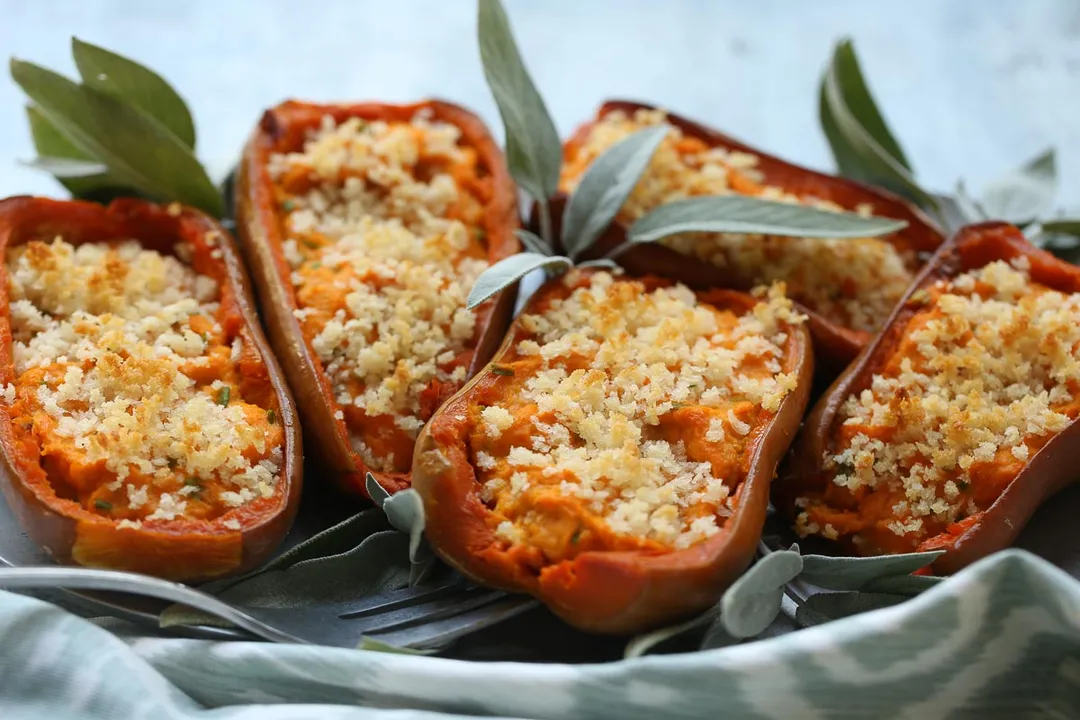
The synergy of the vitamins and minerals present in Honeynut squash translates into several key health benefits. For those focused on long-term wellness, the antioxidant properties derived from its high beta-carotene and Vitamin C content help combat oxidative stress in the body. By neutralizing free radicals, these compounds contribute to overall cellular protection.
The impact on vision is particularly noteworthy given the high Vitamin A precursor levels. Consistent intake of foods rich in beta-carotene is associated with protecting the eyes from age-related damage and maintaining good visual acuity, especially in low light.
From a digestive standpoint, the fiber content plays a significant role. When eating Honeynut squash, whether you consume the skin or not, you are introducing bulk into the diet which aids in smooth transit through the digestive system. Furthermore, fiber helps promote satiety, meaning it helps you feel fuller for longer, which naturally supports balanced eating habits.
It's interesting to consider the source of its sweetness. Unlike refined sugars, the sweetness in Honeynut comes from natural carbohydrates, coupled with its dense vitamin profile, providing energy without the dramatic metabolic spikes associated with processed sweets. This natural sugar/fiber combination makes it a smart swap for sweeter, less nutritious dessert components in certain recipes.
# Flavor and Preparation
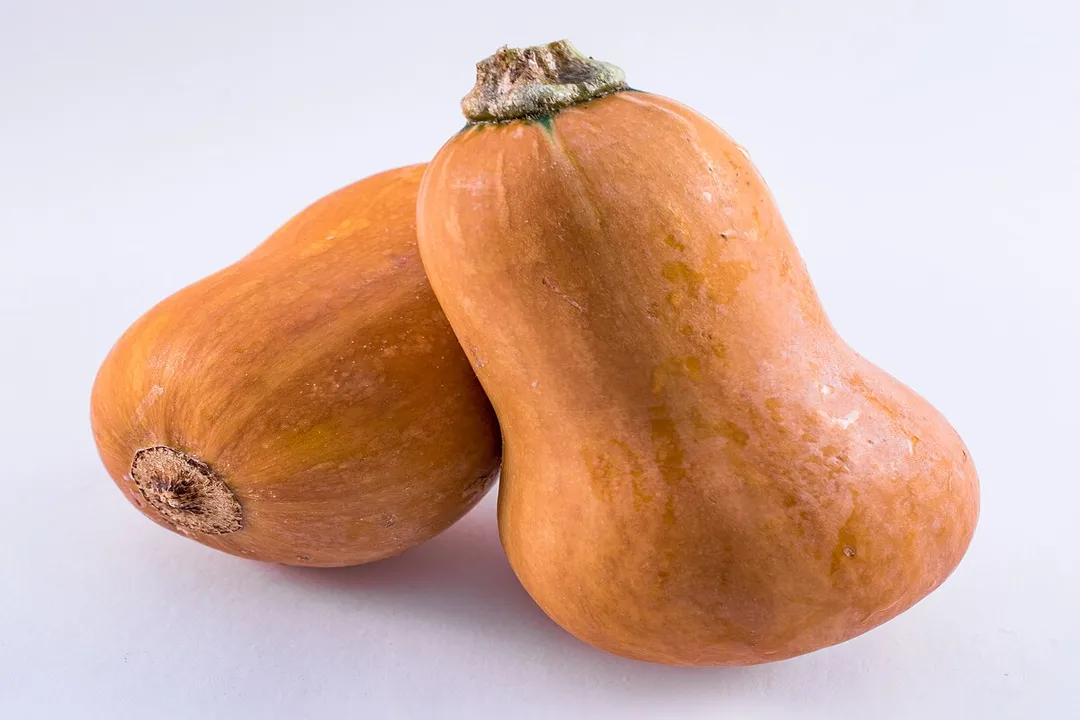
The key selling point for many fans of the Honeynut is its flavor. It is frequently described as intensely sweet and nutty, surpassing the sweetness often found in standard butternut squash. This enhanced natural sugar content means that when roasting, the squash develops beautiful caramelization even without added sweeteners.
Roasting is perhaps the most popular preparation method because it concentrates these natural sugars and tenderizes the flesh beautifully. A simple technique involves slicing the squash in half lengthwise, scooping out the seeds, drizzling with a neutral oil (like avocado or light olive oil), and roasting cut-side down on a baking sheet until easily pierced with a fork. For a weeknight meal, preparing two or three Honeynuts this way can serve as the base for multiple meals—one night as a side dish, the next blended into a quick soup, and perhaps the remnants mashed into a savory morning hash.
Beyond roasting, its dense texture holds up well to baking, pureeing for soups, or even being cut into cubes for inclusion in grain bowls. Because its flavor is so robust, it often requires less seasoning than milder squashes to achieve a satisfying taste. If you are accustomed to adding brown sugar or heavy maple syrup to your butternut squash to enhance flavor, you might find you can significantly reduce or eliminate those additions when using Honeynut, letting the inherent sweetness shine through.
# Cultivation and Comparison
Honeynut squash originated from dedicated breeding efforts, distinguishing it from simple heirloom varieties. Breeder James Nienhuis focused on creating a variety that retained the desirable traits of the butternut—storage life and good texture—while improving its flavor intensity and reducing its size. This targeted breeding makes it distinct from many other winter squashes which may have evolved more randomly or been developed for different traits, such as shelf stability or massive size.
When we compare it directly to the butternut squash, the differences are threefold: size, sweetness, and cooking time.
| Feature | Honeynut Squash | Butternut Squash |
|---|---|---|
| Size | Small (Softball/Canteloupe size) | Large (Often requires more storage space) |
| Sweetness | Intensely sweet, nutty | Generally sweet, but variable |
| Cook Time | Significantly shorter due to mass | Longer cook time required |
| Skin | Edible when cooked | Typically discarded due to toughness |
This comparison highlights the design of the Honeynut—it is optimized for personal consumption and quicker preparation. While a large butternut might yield many cups of puree for freezing, the Honeynut is ideally suited for immediate or short-term use, reducing freezer storage clutter if you typically cook squash in smaller batches.
Considering the context of community-supported agriculture (CSA) boxes or local farm stands, the Honeynut often provides a unique, high-value item. If you are sourcing vegetables locally, knowing that this squash is a relatively recent hybrid allows you to appreciate the focused effort in plant science that brought it to market, something you don't always get with older, more common varieties. Its consistent shape and size also lend themselves well to uniform presentation in dishes, which, while not strictly a health benefit, contributes to the overall positive dining experience.
#Videos
Honeynut Squash 101-About and Health Benefits - YouTube
Related Questions
#Citations
Everything You Need to Know About Honeynut Squash
Say Hello to the Honeynut Squash, the Cutest Winter Squash Ever
Honey nut squash too good to be true?! App says this amount = only ...
Honeynut squash benefits and recipe ideas - Facebook
Honeynut Squash 101-About and Health Benefits - YouTube
Honeynut Squash - Montecito Journal
Honeynut squash - Wikipedia
Honeynut Squash: Nutritional Benefits & Culinary Uses - Apollo 247
All About Honeynut Squash - Good Gourds
Seasonal Winter Squash: Nutrient-Rich Varieties for Health ...