What key difference exists regarding the skin when preparing Honeynut versus Butternut squash?
Answer
Honeynut skin softens and is edible when cooked
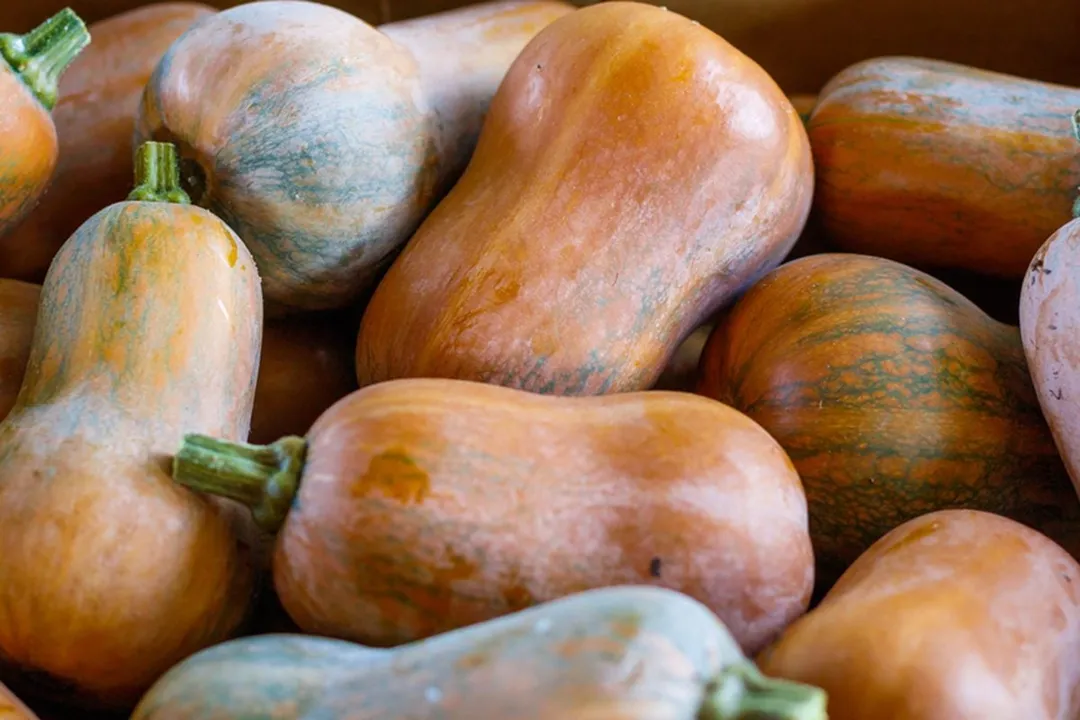
A significant practical advantage of the Honeynut squash, especially when compared to its larger relative, the butternut, lies in the transformation of its skin upon cooking. While the skin of a standard butternut is often thick and rigid, necessitating removal prior to consumption, the skin of the Honeynut becomes considerably tenderized when subjected to heat, particularly through roasting or baking processes. This softening allows home cooks to consume the entire squash, thereby increasing the intake of dietary fiber without requiring any additional preparation steps beyond choosing to eat the peel after it has been cooked until tender.
#Videos
Honeynut Squash 101-About and Health Benefits - YouTube
Related Questions
What two specific squash types were crossed to develop Honeynut?What nutrient, indicated by the deep orange flesh, supports vision health in Honeynut?Which breeder focused on creating the Honeynut variety based on butternut traits?What key difference exists regarding the skin when preparing Honeynut versus Butternut squash?How is the flavor profile of the Honeynut squash frequently described in comparison to standard butternut?To what common fruits is the size of the Honeynut squash typically compared?What bodily functions does Vitamin C aid in, according to its role in Honeynut's profile?What logistical advantage does the diminutive size of the Honeynut offer home cooks?What is the crucial role of Dietary Fiber derived from eating Honeynut squash?Which preparation choice maximizes nutrient retention when using Honeynut squash?