What essential nutrient does the body convert beta-carotene from Ambercup Squash into, which is crucial for eye health?
Answer
Vitamin A
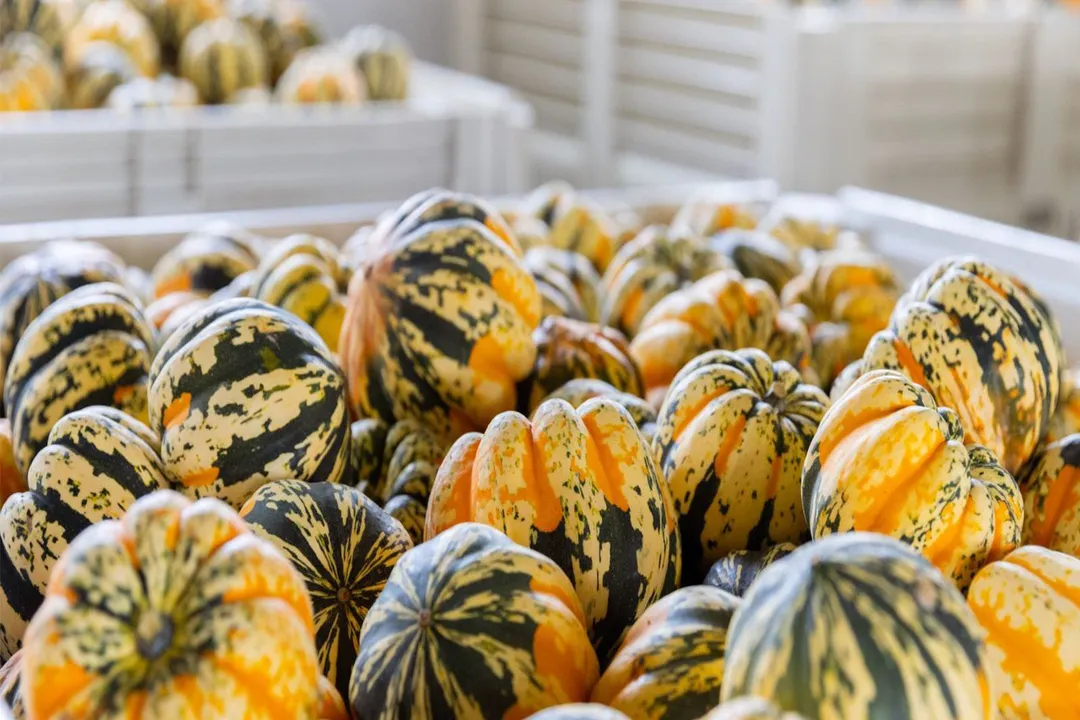
The vibrant, deep orange color in winter squash varieties like Ambercup is indicative of a high concentration of the carotenoid antioxidant known as beta-carotene. The human body possesses the mechanism to convert this beta-carotene into essential Vitamin A. Vitamin A is recognized as indispensable for numerous bodily functions, but its role in safeguarding eye health is particularly noteworthy. Adequate intake helps in slowing the progression of age-related macular degeneration and plays a preventative role against conditions like night blindness. This conversion process highlights how the visual characteristic (color) directly correlates with a critical internal nutritional benefit.
Related Questions
What essential nutrient does the body convert beta-carotene from Ambercup Squash into, which is crucial for eye health?Why is consuming Ambercup Squash alongside fat beneficial for maximizing the absorption of its beta-carotene content?What specific type of fiber, abundant in winter squash, acts as nourishment for the beneficial bacteria in the gut microbiome?What vital bodily processes is Magnesium involved in, as noted regarding the micronutrients found in squash?Botanically speaking, why is a winter squash like Ambercup classified as a fruit rather than a vegetable?Besides acting as a powerhouse antioxidant, what vital structural component requires Vitamin C derived from squash for its production?If Ambercup Squash is heavily boiled, which category of vitamins is most likely to leach out into the discarded cooking liquid?How does the typical beta-carotene content of certain winter squashes compare when measured against carrots?What is the primary nutritional advantage gained by consuming the edible skin of properly prepared varieties like Delicata or Ambercup Squash?What specific nutrients, essential for heart and brain health, are concentrated in the roasted seeds of winter squash varieties?Why are Ambercup Squash considered exceptional stand-ins for traditional starches like mashed potatoes in low-carb dietary plans?