Health Benefits of Squash
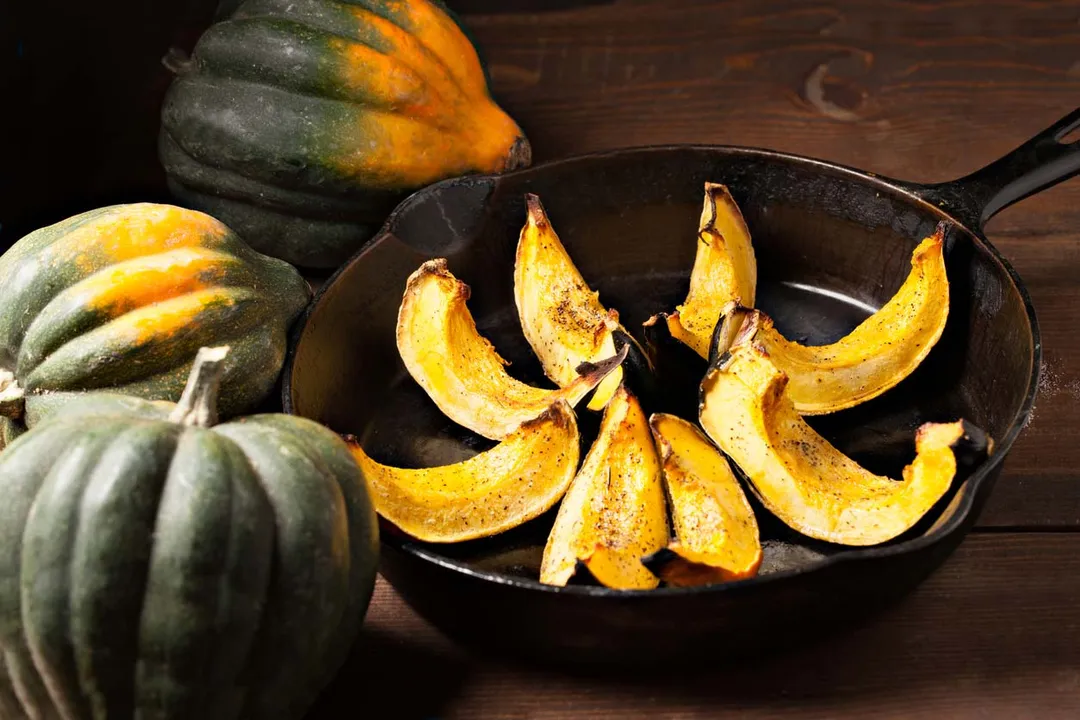
Squash, frequently appearing on the autumn table in forms ranging from decorative gourds to flavorful side dishes, is far more than a seasonal decoration. Botanically classified as a fruit because it originates from a flower and contains seeds, this produce category brings together the best characteristics of many vegetables, offering rich nutrition in relatively low-calorie packages. Whether you are reaching for summer squash like zucchini or heftier winter varieties such as butternut or acorn, incorporating this diverse food group into your diet yields significant rewards for long-term wellness. The sheer variety available—over a hundred types exist—means there is a flavor and texture profile ready for nearly any culinary application.
# Nutrient Core

The foundation of squash's health profile lies in its dense collection of vitamins, minerals, and antioxidants. Squash varieties are inherently low in fat and generally low in carbohydrates, while being powerhouses of fiber. A closer look at the nutritional composition reveals a wide spectrum of beneficial compounds. For instance, butternut squash provides notable amounts of Vitamin C, Folate (B9), Magnesium, Potassium, and Iron. Many varieties feature orange or yellow flesh, a vibrant indicator of high phytonutrient content, particularly beta-carotene.
When comparing winter and summer squash, experts note that the heartier winter varieties often boast higher levels of key vitamins, including C and A, and more fiber, though they also naturally contain more starch. This difference in starch can make winter squash feel more substantial, which is a welcome trait during colder months when seeking comfort food. Understanding this nutritional basis—high in protective compounds and fiber—helps explain the wide range of health improvements associated with regular consumption.
# Eye Protection

If you are looking for a dietary ally for your vision, squash deserves serious attention, especially due to its impressive carotenoid levels. Squash is rich in beta-carotene, which the body converts into Vitamin A, a nutrient essential for preserving eye health. Furthermore, it supplies Vitamin C and often contains lutein and zeaxanthin, which also support ocular function. These compounds work together to help slow the progression of age-related macular degeneration, a common vision concern. In fact, when comparing orange-fleshed squash to one of the most famous eye-health foods, a serving of butternut squash or pumpkin can deliver nearly double the beta-carotene found in an equivalent serving of carrots. Vitamin C also plays a role in preventing the clouding of the eye lens often associated with cataracts.

# Gut Support
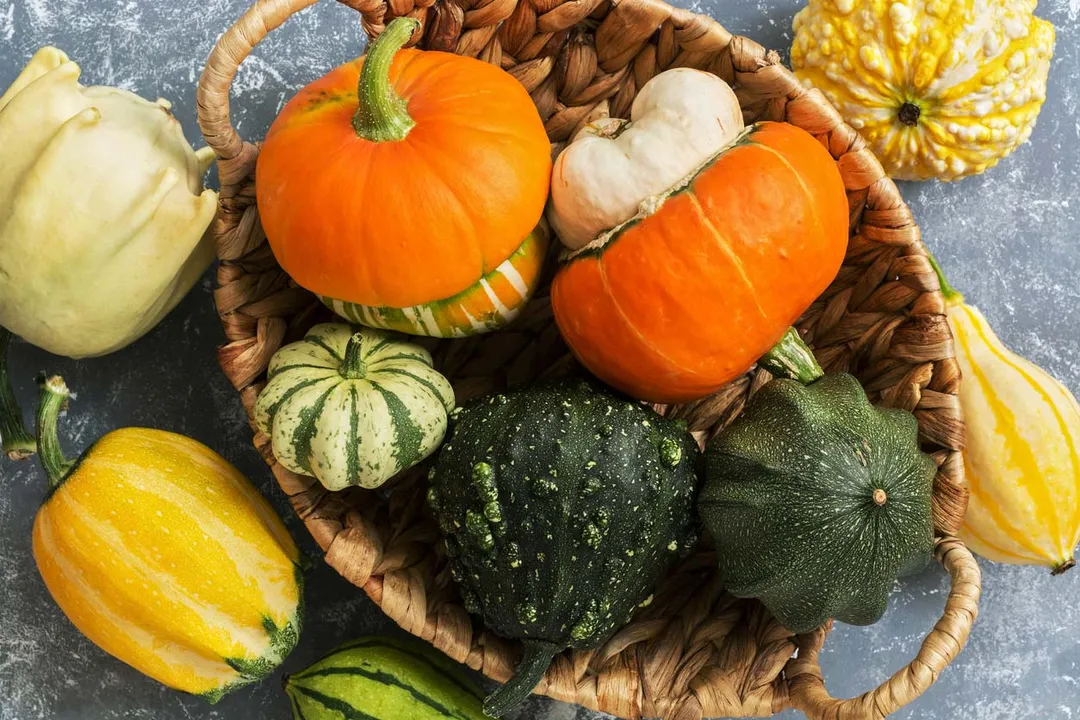
Digestive health frequently falls short in modern diets due to insufficient fiber intake. Squash steps in as a reliable source to help individuals meet their daily fiber requirements, which is crucial for maintaining smooth and consistent digestion. Winter squashes, in particular, are recognized for their high content of prebiotic soluble fiber. This type of fiber is vital because it acts as nourishment for the beneficial bacteria within the gut, effectively helping to balance the overall microbiome. Beyond regularity, this substantial fiber content contributes to improved satiety after meals and aids in liver function. Moreover, because fiber slows the digestion of carbohydrates, it contributes to better blood sugar management, preventing abrupt spikes and crashes.
# Heart Function
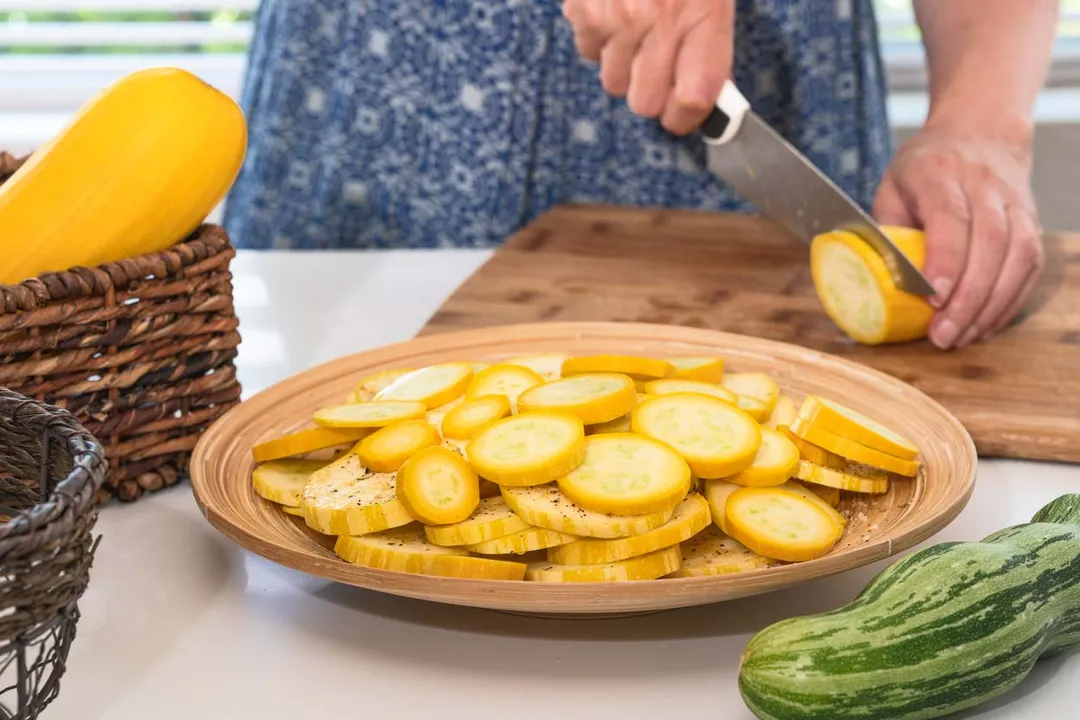
The mineral profile of squash offers direct support to the cardiovascular system. Squash is a good source of potassium, a key electrolyte that helps the body counteract the effects of sodium, thereby assisting in the maintenance of healthy blood pressure levels. Additionally, the mineral magnesium found within squash is critical for various bodily processes, including helping to maintain a steady heart rhythm. Beyond mineral content, the abundant antioxidants like carotenoids found in the brightly colored flesh are linked to heart health maintenance. Research has indicated that a higher intake of yellow and orange vegetables, which include many squash varieties, correlates with a reduced risk of developing heart disease.
# Skin Glow
For those focused on external wellness, squash offers compounds that promote healthy skin from the inside out. Vitamin C is necessary for the repair of cell tissue and has been associated with benefits such as aiding in wound healing and helping to prevent the formation of wrinkles. The high beta-carotene content, which lends the squash its signature hue, functions as an antioxidant to protect the skin against damage caused by free radicals, unstable molecules generated through energy conversion or environmental exposure. While it is not a replacement for topical sunscreen, beta-carotene can offer a layer of protection against sun exposure, potentially improving overall skin appearance. Interestingly, studies suggest that higher levels of carotenoids in the skin might even be associated with a younger appearance.
Here is a critical actionable tip for maximizing skin benefits: Since carotenoids are fat-soluble, they require the presence of fat to be properly absorbed by the body. Simply steaming squash may not unlock its full potential for skin health. To ensure optimal absorption of these compounds, always pair your squash—whether roasted or pureed—with a source of healthy fat, such as a drizzle of olive oil, a scattering of nuts or seeds, or full-fat dairy in a preparation like mac and cheese.
# Blood Sugar Balance
Squash is often valued in various dietary protocols, including paleo and gluten-free plans, due to its easy digestibility and nutrient density. Specifically, winter squash varieties often possess a Low Glycemic Index (GI). Even though squash contains carbohydrates, the key difference between a refined carbohydrate and one from squash lies in the fiber content. The fiber acts as a regulator, helping to smooth out the typical rapid rise and fall in blood sugar that can cause dips in mood or energy. Researchers have noted that the indigestible fiber (polysaccharides) in squash can prevent post-meal blood sugar surges, potentially contributing to improved insulin sensitivity. For physically active individuals, this makes cooked winter squash an excellent, complex carbohydrate source to fuel a sustained workout.
# Variety Guide
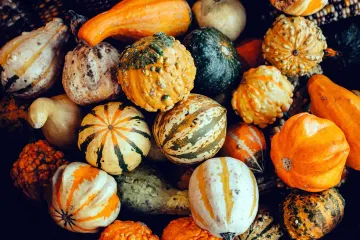
The world of squash is broadly divided into summer and winter types, each offering unique textures and storage capacities.
| Squash Type | Key Characteristic | Example Varieties | Typical Skin/Flesh |
|---|---|---|---|
| Summer Squash | Harvested immaturely; soft rind eaten easily. | Zucchini, Yellow Squash, Crookneck. | Thin skin, eaten raw or cooked quickly. |
| Winter Squash | Matures longer on the vine; develops a rigid exterior. | Butternut, Acorn, Spaghetti, Kabocha, Pumpkin. | Harder skin, firm flesh, longer storage life. |
Winter squash varieties are famous for their longevity due to thick skins, allowing them to be stored on the counter for months in a cool, dark, ventilated space. Butternut squash, noted for its extremely high beta-carotene content, stores exceptionally well. Acorn and delicata squash are thinner-skinned and may allow for the skin to be consumed for extra fiber, whereas others, like butternut, often require peeling. Spaghetti squash is unique in that its cooked flesh shreds into noodle-like strands, providing a fantastic low-calorie substitute for pasta.
# Culinary Integration
The versatility of squash truly shines in the kitchen, moving easily between sweet and savory applications. Beyond simple roasting or steaming, you can incorporate squash for added nutrition and texture.
To maximize the nutritional impact of your meals, consider these suggestions:
- Starchy Swap: In recipes calling for mashed potatoes, sweet potatoes, or even pumpkin pie filling, substitute with pureed butternut or acorn squash for a nutrient boost.
- Pasta Replacement: Use a spiralizer on spaghetti squash, or thinly slice butternut squash, to replace traditional pasta in dishes, reducing overall carbohydrate load while increasing fiber intake.
- Hidden Veggie Builder: Puree winter squash and blend it into items like mac and cheese, quick breads, casseroles, or homemade tomato sauce. This can be a successful strategy for feeding picky eaters, as the squash adds binding moisture, nutrients, and creamy texture without significantly altering the flavor profile.
Considering athletic performance, which requires both energy restoration and mineral replenishment, squash offers a dual benefit that goes beyond simple dieting. For those engaging in regular, moderate physical activity, winter squash acts as an excellent source of complex carbohydrates for glycogen restocking, while simultaneously delivering potassium and magnesium—two key electrolytes lost through sweat—making it a superior recovery food compared to simple sugars. Utilizing roasted cubes of butternut squash in a post-run meal alongside lean protein provides both the fuel to rebuild and the minerals to rebalance the body after exertion.
For minimal waste, do not discard the seeds. After cleaning and rinsing them, toss them with a little oil and salt, then roast them as a crunchy, healthy snack. When shopping, if you are concerned about pesticide residue, especially with summer squash varieties, purchasing organically grown options is recommended, as is growing them yourself when possible.
Overall, whether you roast it simply with cinnamon, stuff an acorn squash for a centerpiece meal, or blend it into a creamy soup, integrating a variety of squash ensures you receive a wide array of vitamins, essential minerals, and powerful protective antioxidants.
Related Questions
#Citations
6 Health Benefits of Squash
Health Benefits of Squash - WebMD
The Head-to-Toe Health Benefits of Squash | Organic Valley
Top Health Benefits of Squash + How to Prepare and Eat It
5 Reasons to Eat More Squash | St. Vincent's Medical Center
Health benefits of winter squash and ways you can cook them
Squash - health benefits
Squash Nutrition and Health Benefits - Hawaii Ulu Cooperative
The Benefits of Squash, According to a Registered Dietitian - Nike
Butternut Squash: Nutrition, Benefits, and Uses - Healthline