Which compound lends squash its signature orange or yellow hue and functions as an antioxidant to protect the skin against damage from free radicals?
Answer
Beta-carotene.
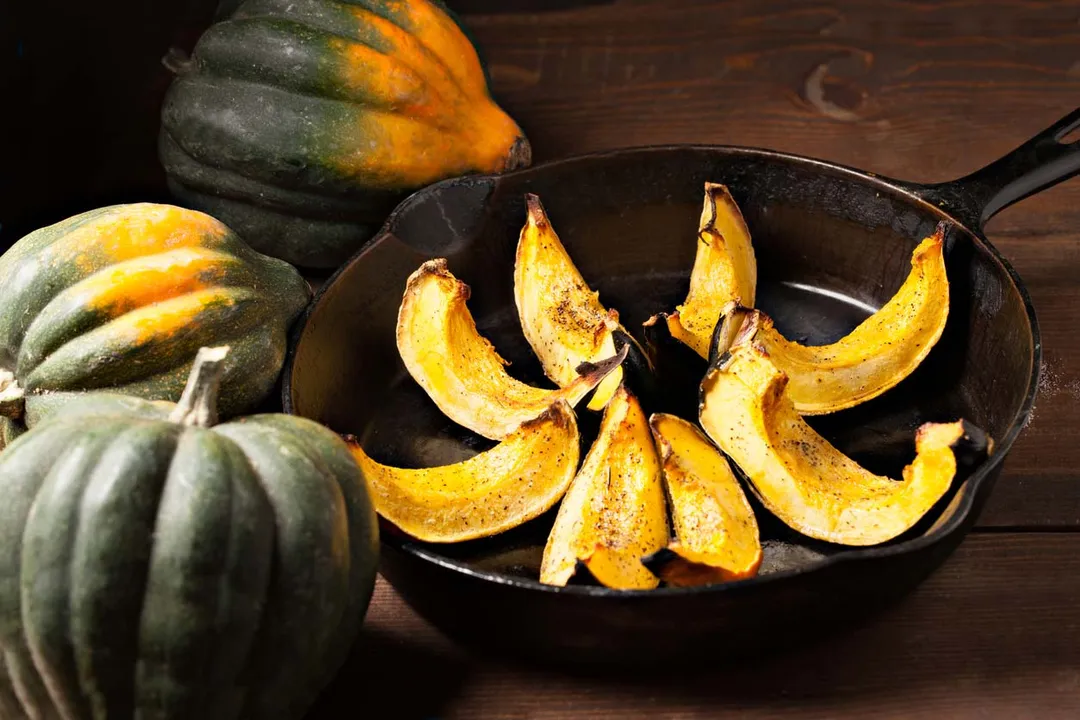
The vibrant coloration seen in many squash varieties, particularly the orange and yellow flesh, is a direct indicator of a high concentration of specific phytonutrients, chief among them being beta-carotene. Beta-carotene is not only a precursor to Vitamin A but also functions powerfully as an antioxidant within the body. This antioxidant capability allows it to seek out and neutralize free radicals—unstable molecules resulting from metabolic processes or environmental insults like UV exposure—thereby offering a defensive layer of protection to the skin.
Related Questions
Why is squash botanically classified as a fruit rather than a vegetable?What nutritional difference exists between heartier winter squash varieties and summer squash?How does a serving of butternut squash or pumpkin compare to carrots regarding beta-carotene content for eye health?What specific role does prebiotic soluble fiber found abundantly in winter squash play in gut health?According to the actionable tip for maximizing skin benefits, what condition is necessary for the proper absorption of carotenoids from squash?Which mineral, abundant in squash, helps the cardiovascular system by counteracting the effects of sodium to maintain healthy blood pressure levels?What unique culinary characteristic is attributed to spaghetti squash when it is cooked?How does the high fiber content in winter squash contribute to better blood sugar management?What is the dual benefit provided by winter squash for physically active individuals concerning recovery and replenishment?Which compound lends squash its signature orange or yellow hue and functions as an antioxidant to protect the skin against damage from free radicals?